Yang Shuai, Tang Hao, Feng Chunmei, Shi Jianping, Yang Jiquan
School of Electrical and Automation Engineering, Nanjing Normal University, Nanjing 210023, China.
Jiangsu Key Laboratory of 3D Printing Equipment and Manufacturing, Nanjing Normal University, Nanjing 210042, China.
Micromachines (Basel). 2020 Feb 25;11(3):237. doi: 10.3390/mi11030237.
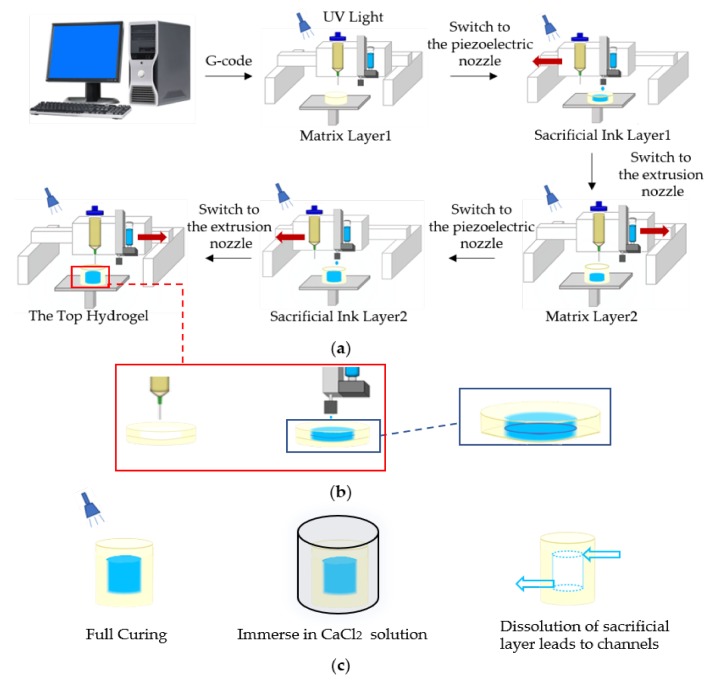
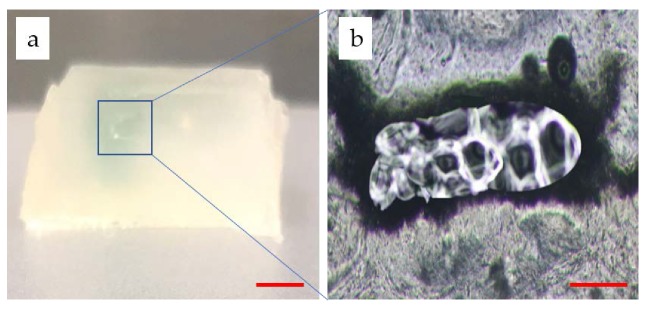
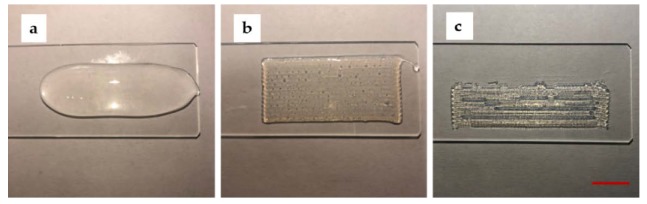
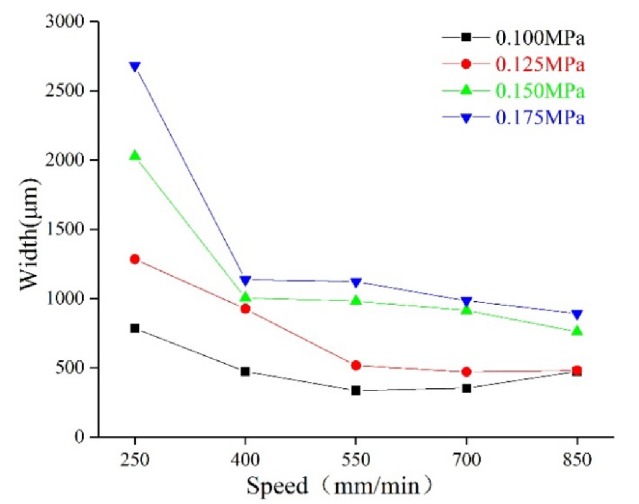
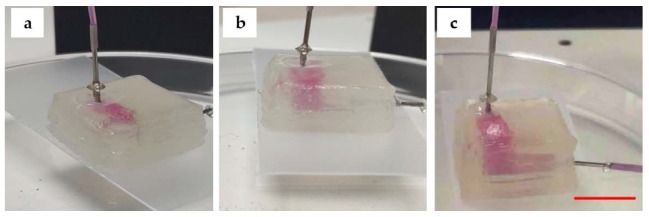
Three-dimensional bioprinting has emerged as one of the manufacturing approaches that could potentially fabricate vascularized channels, which is helpful to culture tissues in vitro. In this paper, we report a novel approach to fabricate 3D perfusable channels by using the combination of extrusion and inkjet techniques in an integrated manufacture process. To achieve this, firstly we investigate the theoretical model to analyze influencing factors of structural dimensions of the printed parts like the printing speed, pressure, dispensing time, and voltage. In the experiment, photocurable hydrogel was printed to form a self-supporting structure with internal channel grooves. When the desired height of hydrogel was reached, the dual print-head was switched to the piezoelectric nozzle immediately, and the sacrificial material was printed by the changed nozzle on the printed hydrogel layer. Then, the extrusion nozzle was switched to print the next hydrogel layer. Once the printing of the internal construct was finished, hydrogel was extruded to wrap the entire structure, and the construct was immersed in a CaCl solution to crosslink. After that, the channel was formed by removing the sacrificial material. This approach can potentially provide a strategy for fabricating 3D vascularized channels and advance the development of culturing thick tissues in vitro.
三维生物打印已成为一种有可能制造血管化通道的制造方法之一,这有助于在体外培养组织。在本文中,我们报告了一种在集成制造过程中结合挤出和喷墨技术制造三维可灌注通道的新方法。为实现这一目标,首先我们研究理论模型以分析打印部件结构尺寸的影响因素,如打印速度、压力、分配时间和电压。在实验中,打印光固化水凝胶以形成具有内部通道凹槽的自支撑结构。当达到所需的水凝胶高度时,双打印头立即切换到压电喷嘴,通过更换后的喷嘴在打印的水凝胶层上打印牺牲材料。然后,切换挤出喷嘴以打印下一层水凝胶。一旦内部结构打印完成,挤出水凝胶包裹整个结构,并将构建体浸入氯化钙溶液中进行交联。之后,通过去除牺牲材料形成通道。这种方法有可能为制造三维血管化通道提供一种策略,并推动体外培养厚组织的发展。