Department of Systems Biology, The University of Texas MD Anderson Cancer Center, Houston, TX 77030, USA.
Department of Systems Biology, The University of Texas MD Anderson Cancer Center, Houston, TX 77030, USA.
Cancer Cell. 2020 Mar 16;37(3):371-386.e12. doi: 10.1016/j.ccell.2020.01.011. Epub 2020 Feb 27.
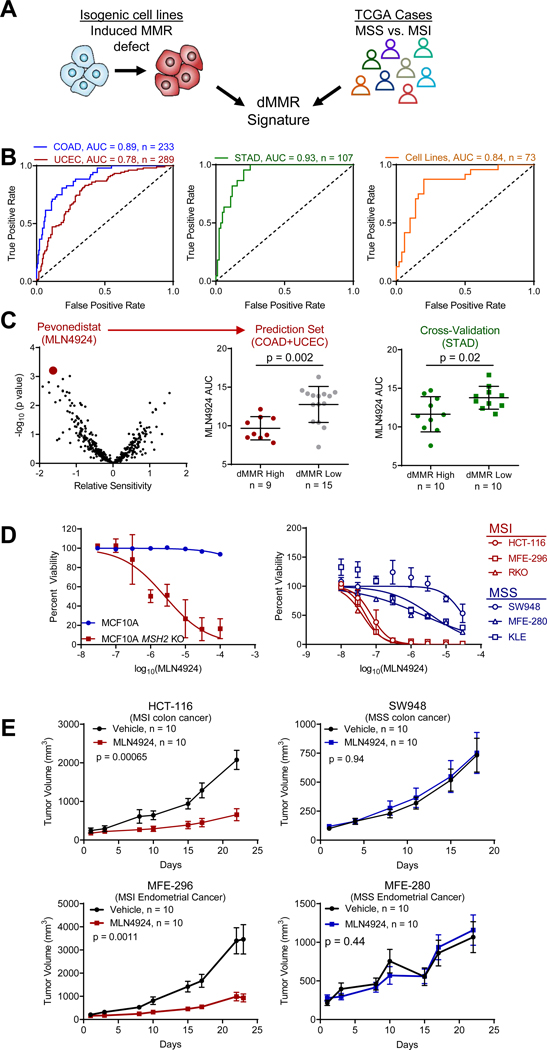
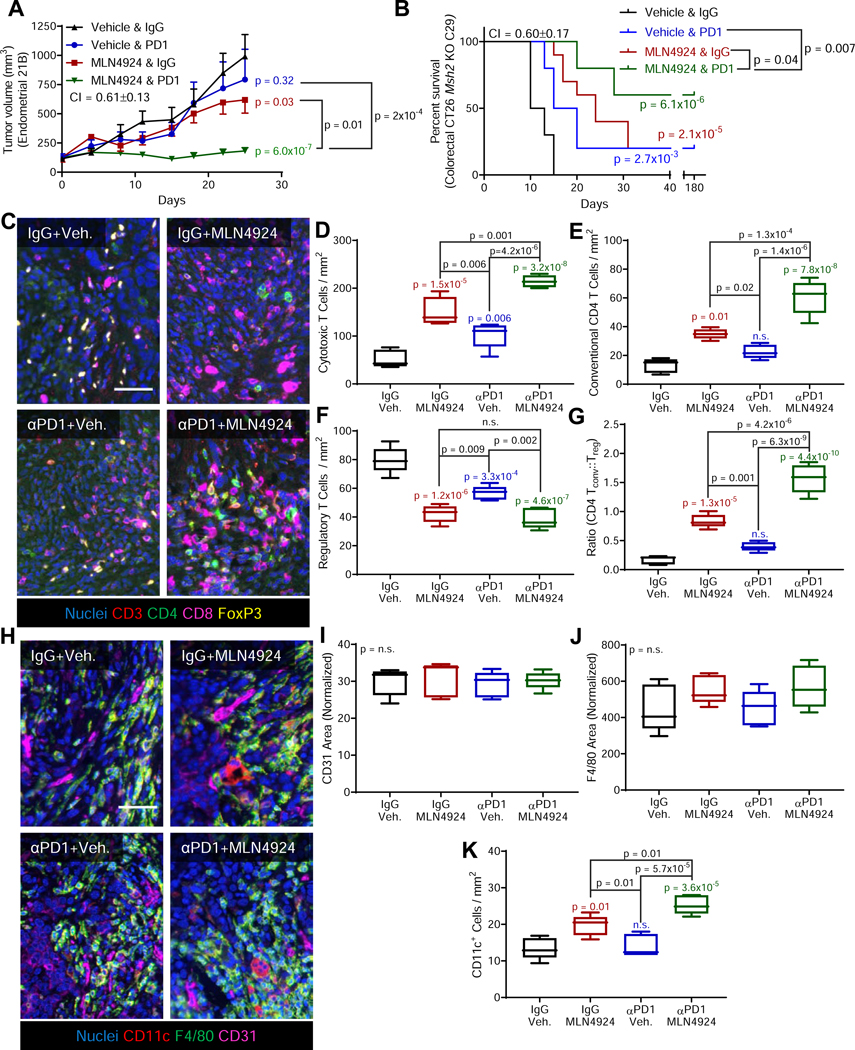
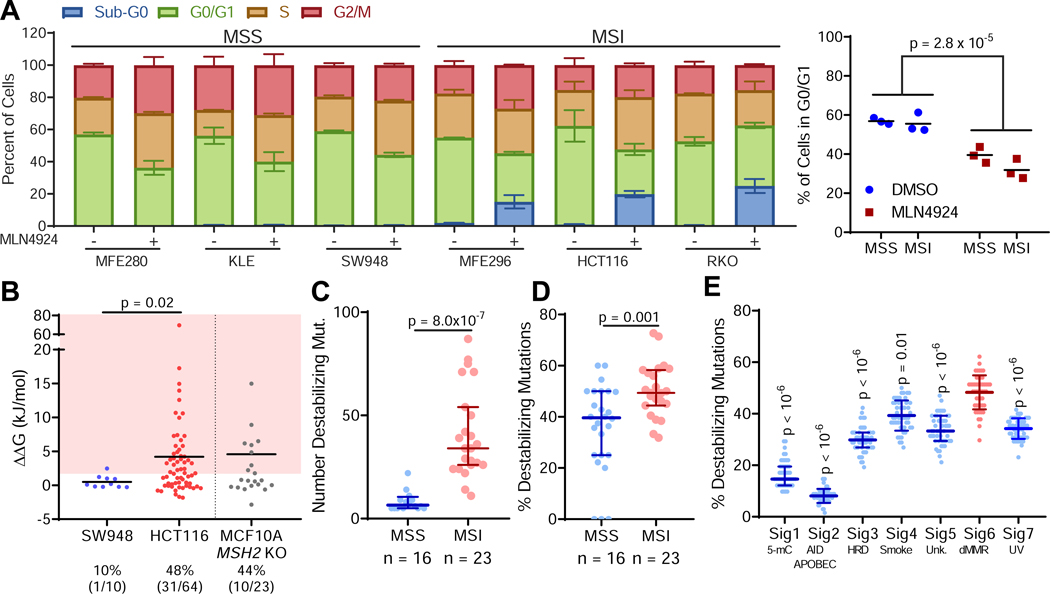
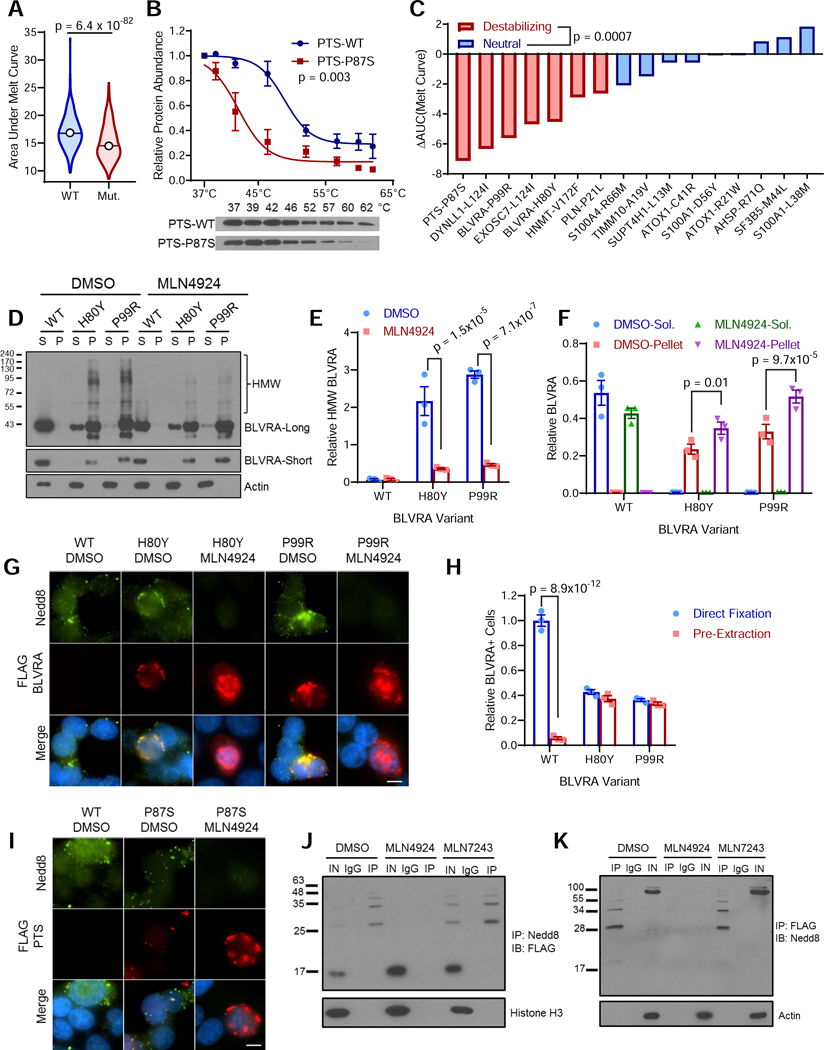
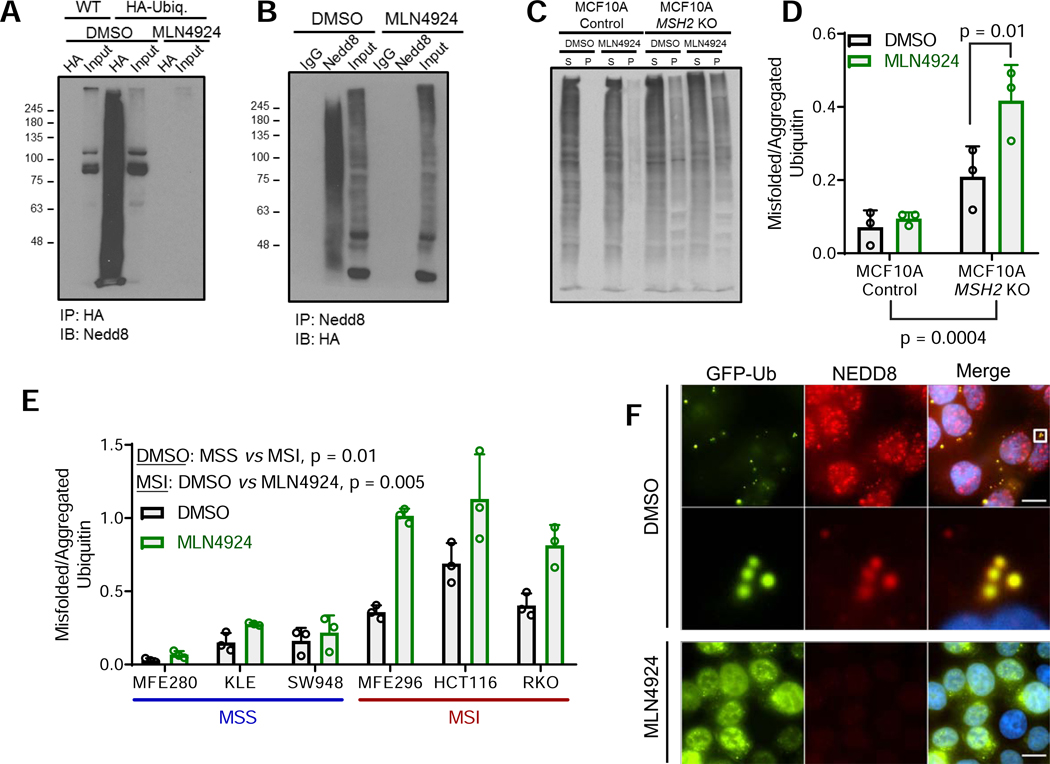
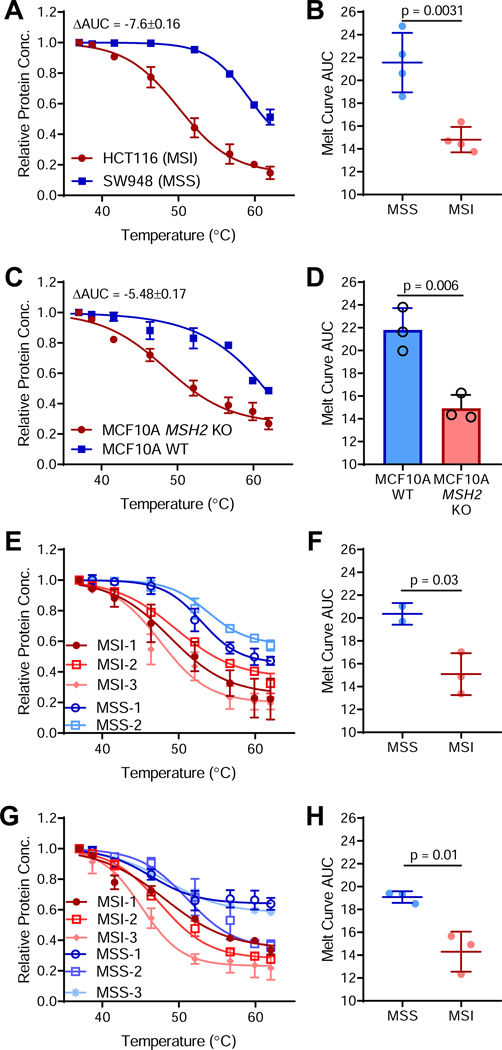
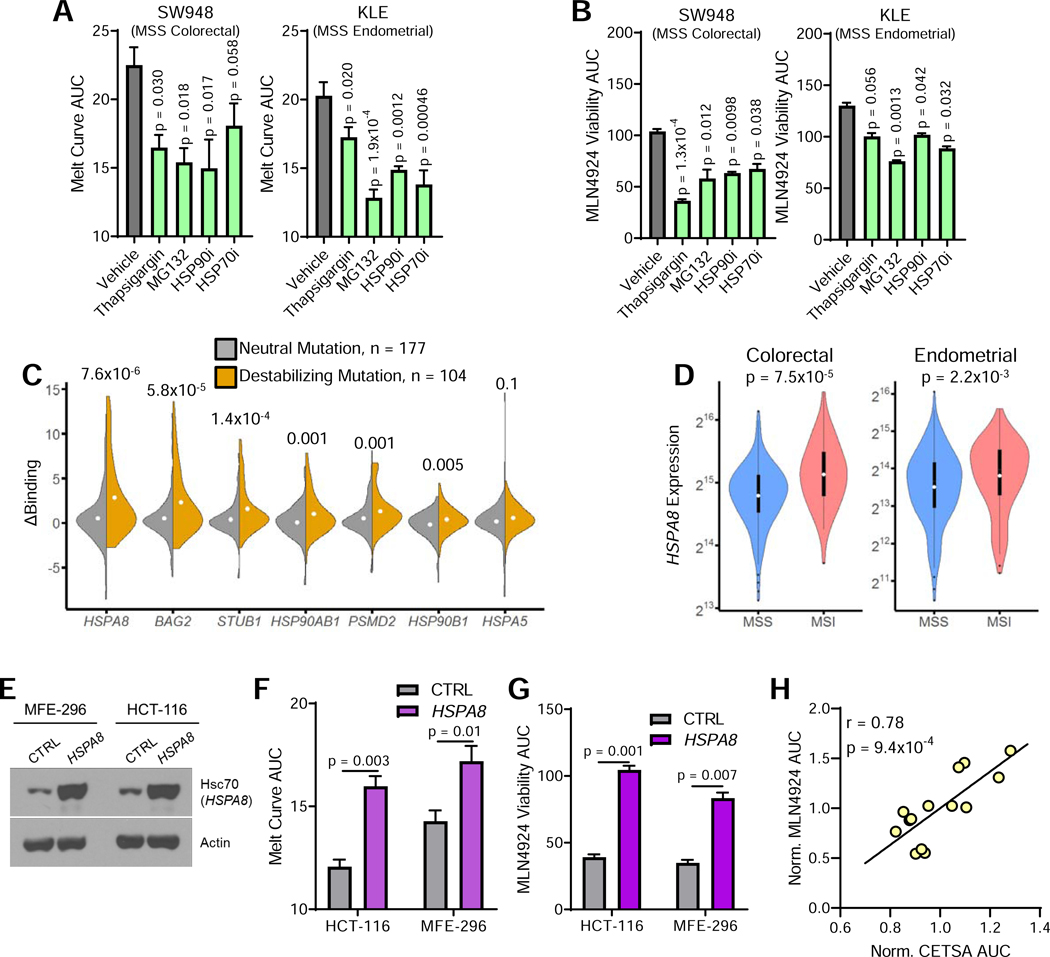
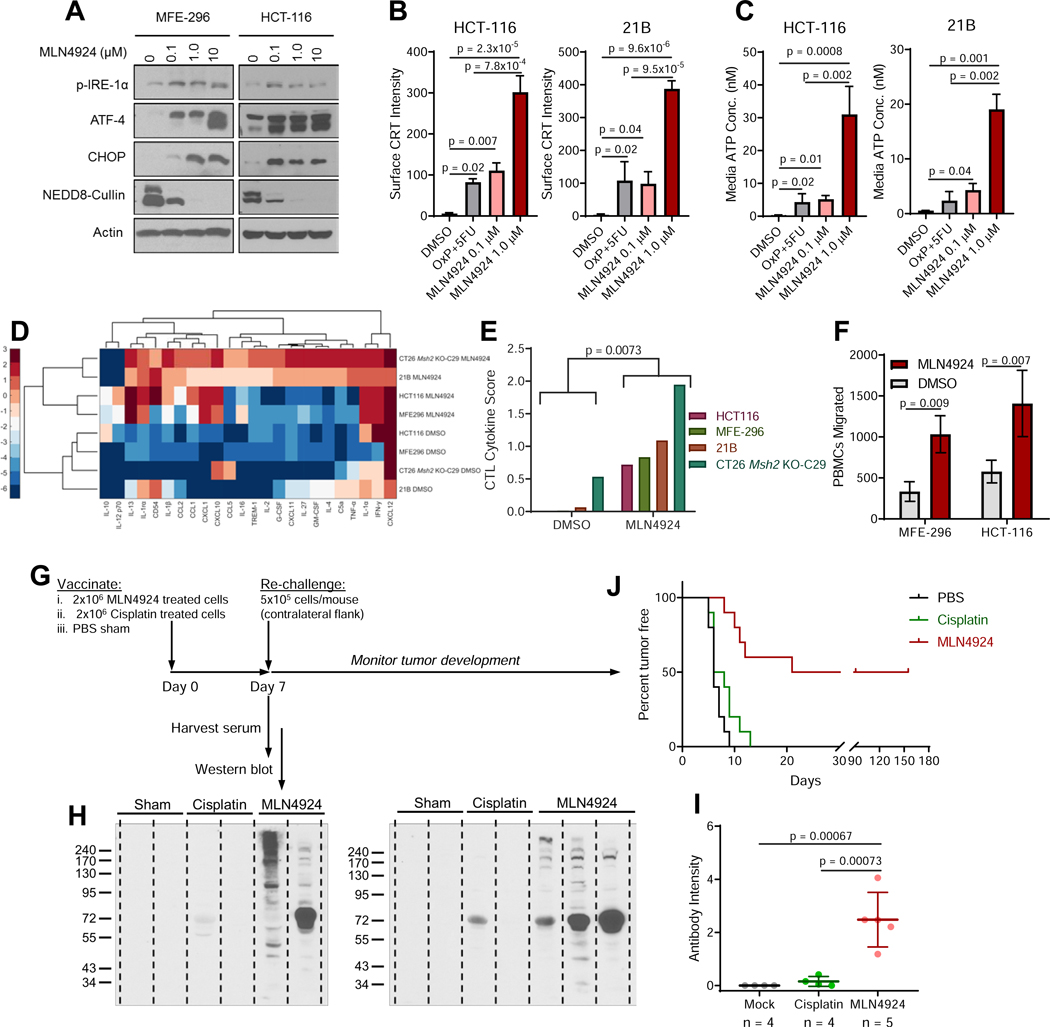
Deficient DNA mismatch repair (dMMR) induces a hypermutator phenotype that can lead to tumorigenesis; however, the functional impact of the high mutation burden resulting from this phenotype remains poorly explored. Here, we demonstrate that dMMR-induced destabilizing mutations lead to proteome instability in dMMR tumors, resulting in an abundance of misfolded protein aggregates. To compensate, dMMR cells utilize a Nedd8-mediated degradation pathway to facilitate clearance of misfolded proteins. Blockade of this Nedd8 clearance pathway with MLN4924 causes accumulation of misfolded protein aggregates, ultimately inducing immunogenic cell death in dMMR cancer cells. To leverage this immunogenic cell death, we combined MLN4924 treatment with PD1 inhibition and found the combination was synergistic, significantly improving efficacy over either treatment alone.
DNA 错配修复缺陷(dMMR)可诱导产生致瘤性的高突变负荷表型;然而,这种表型导致的高突变负荷的功能影响仍未得到充分探索。在这里,我们证明 dMMR 诱导的不稳定突变导致 dMMR 肿瘤中的蛋白质组不稳定,从而导致大量错误折叠的蛋白质聚集体。为了补偿,dMMR 细胞利用 Nedd8 介导的降解途径来促进错误折叠蛋白的清除。用 MLN4924 阻断这种 Nedd8 清除途径会导致错误折叠蛋白聚集体的积累,最终导致 dMMR 癌细胞发生免疫原性细胞死亡。为了利用这种免疫原性细胞死亡,我们将 MLN4924 治疗与 PD1 抑制相结合,发现联合治疗具有协同作用,显著提高了两种治疗方法单独治疗的疗效。