Miki Akari J, Livingston Kara A, Karlsen Micaela C, Folta Sara C, McKeown Nicola M
Nutritional Epidemiology, Jean Mayer USDA Human Nutrition Research Center on Aging at Tufts University, Boston, MA, USA.
University of New England, Biddeford, ME, USA.
Curr Dev Nutr. 2020 Feb 5;4(3):nzaa013. doi: 10.1093/cdn/nzaa013. eCollection 2020 Mar.
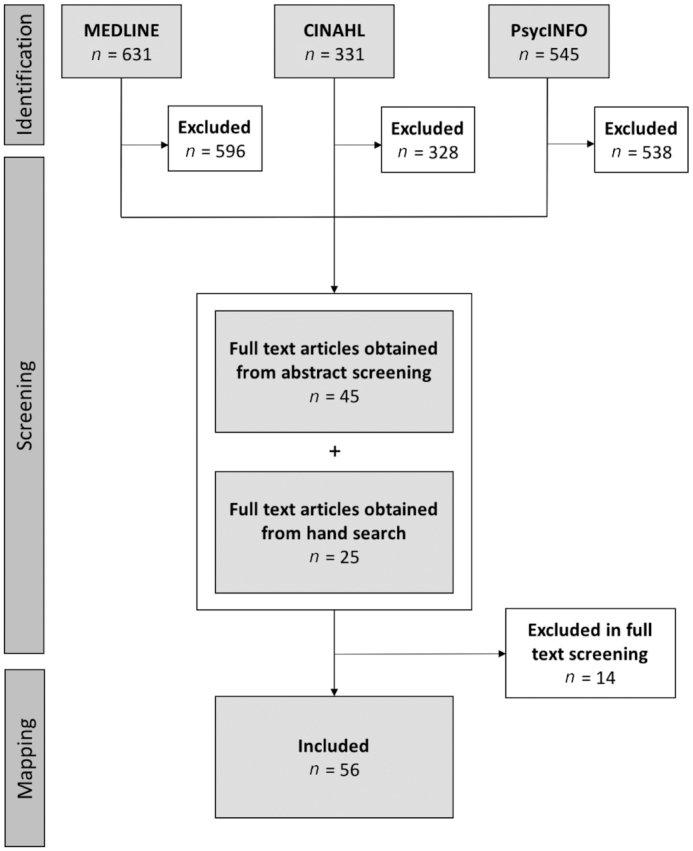
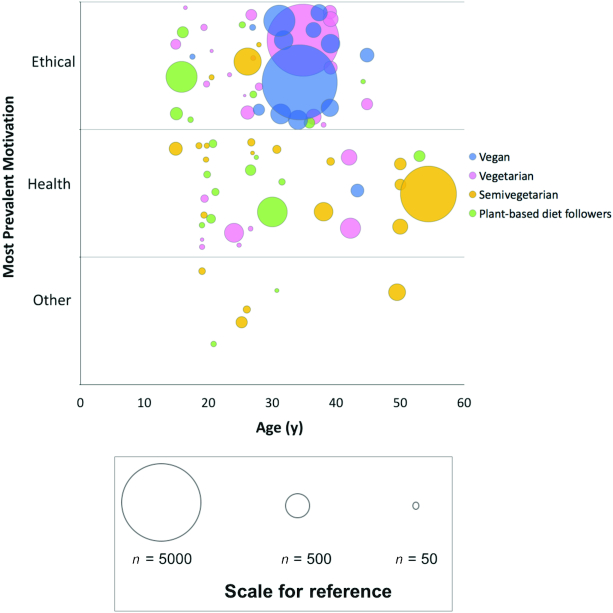
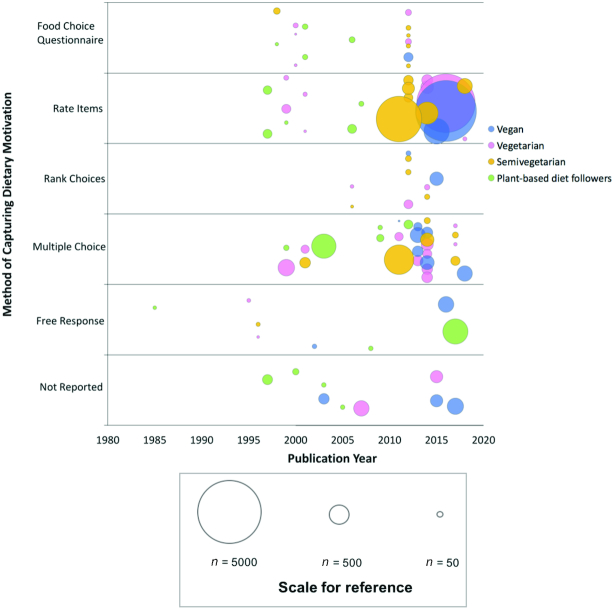
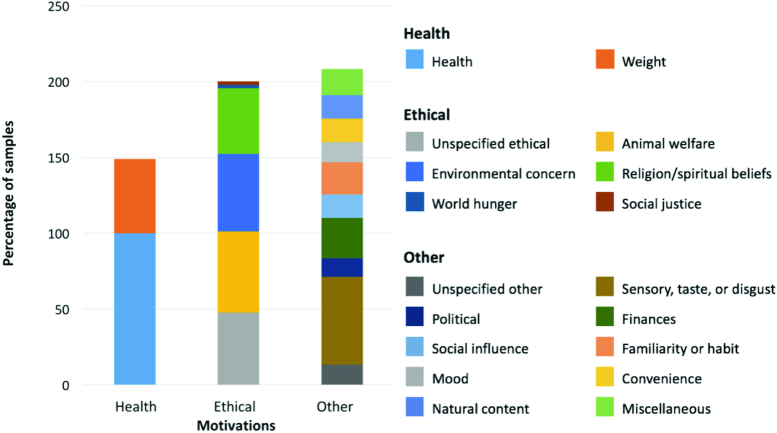
Motivations to adopt plant-based diets are of great public health interest. We used evidence mapping to identify methods that capture motivations to follow plant-based diets and summarize demographic trends in dietary motivations. We identified 56 publications that described 90 samples of plant-based diet followers and their dietary motivations. We categorized the samples by type of plant-based diet: vegan (19%), vegetarian (33%), semivegetarian (24%), and other, unspecified plant-based diet followers (23%). Of 90 studies examined, 31% administered multiple-choice questions to capture motivations, followed by rate items (23%), Food Choice Questionnaire (17%), free response (9%), and rank choices (10%). Commonly reported motivations were health, sensory/taste/disgust, animal welfare, environmental concern, and weight loss. The methodological variation highlights the importance of using a structured questionnaire to investigate dietary motivations in epidemiological studies. Motivations among plant-based diet followers appear distinct, but evidence on the association between age and motivations appears limited.
采用植物性饮食的动机具有重大的公共卫生意义。我们运用证据图谱来确定能够捕捉遵循植物性饮食动机的方法,并总结饮食动机方面的人口统计学趋势。我们识别出56篇描述了90个植物性饮食追随者样本及其饮食动机的出版物。我们根据植物性饮食的类型对样本进行了分类:纯素食者(19%)、素食者(33%)、半素食者(24%)以及其他未明确的植物性饮食追随者(23%)。在90项研究中,31%采用多项选择题来获取动机,其次是评分项目(23%)、食物选择问卷(17%)、自由回答(9%)和排序选择(10%)。常见的动机包括健康、感官/口味/厌恶、动物福利、环境关注和减肥。方法上的差异凸显了在流行病学研究中使用结构化问卷来调查饮食动机的重要性。植物性饮食追随者的动机似乎各不相同,但关于年龄与动机之间关联的证据似乎有限。