Jiangsu Key Laboratory of Neuropsychiatric Diseases and College of Pharmaceutical Sciences, Soochow University, Suzhou, 215123, China.
School of Pharmacy and Biomolecular Sciences (PBS), Royal College of Surgeons in Ireland, Dublin, Ireland.
Acta Pharmacol Sin. 2020 Apr;41(4):499-507. doi: 10.1038/s41401-020-0379-5. Epub 2020 Feb 28.
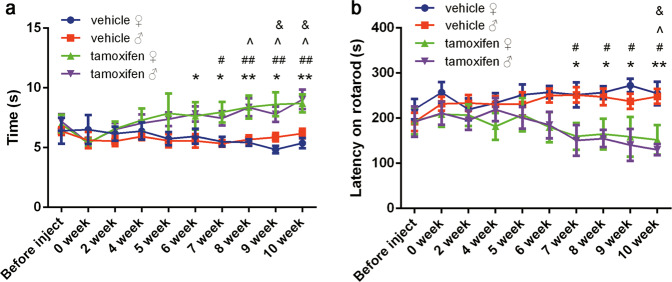
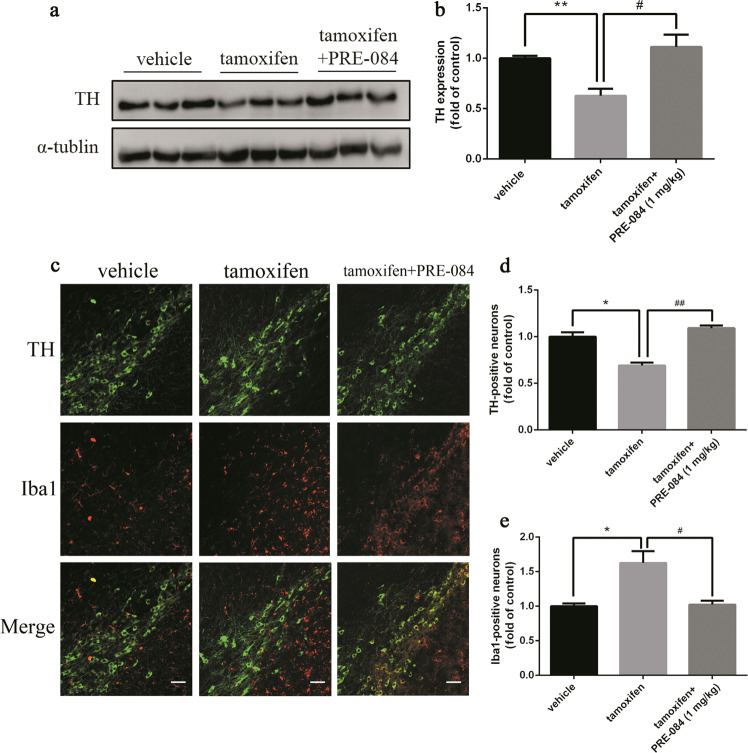
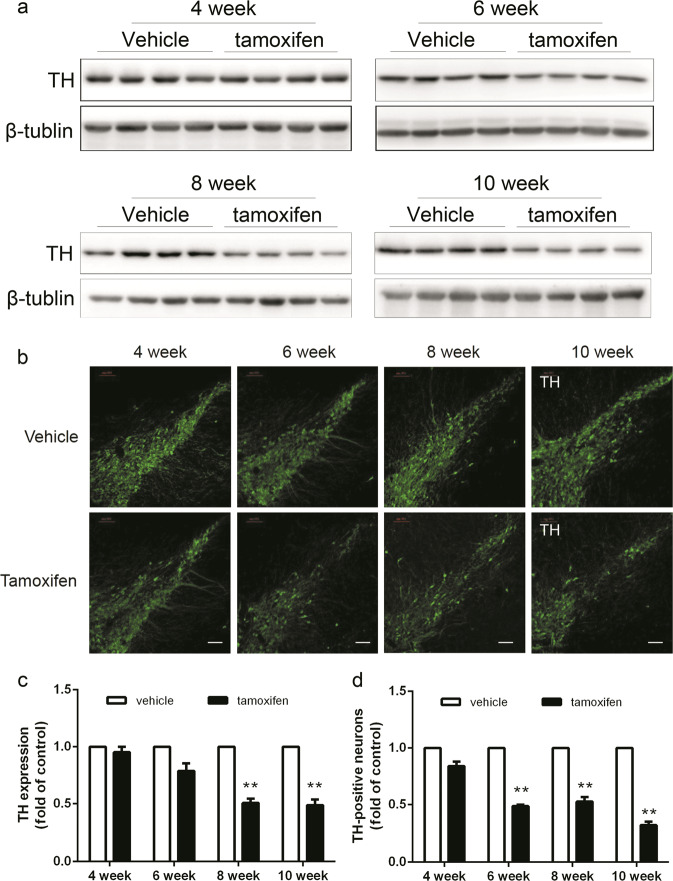
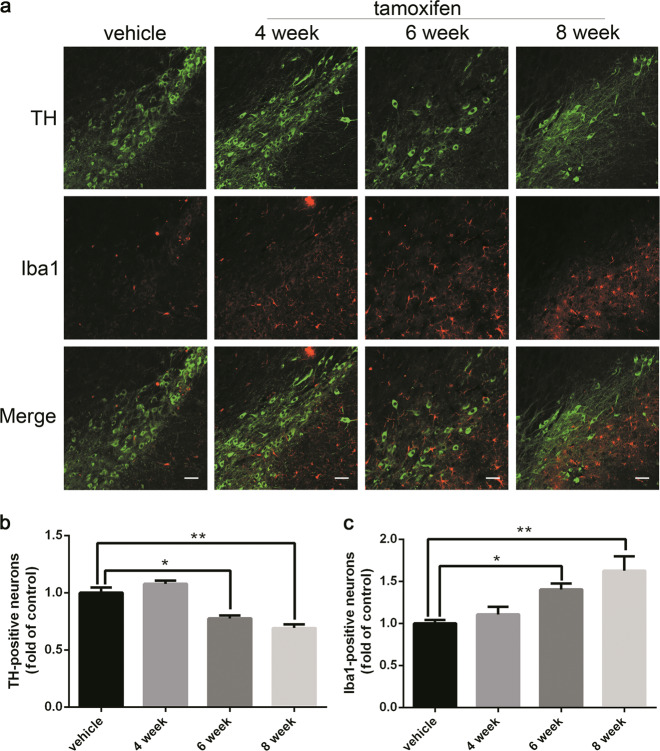
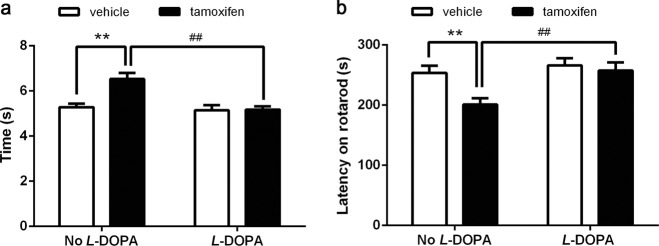
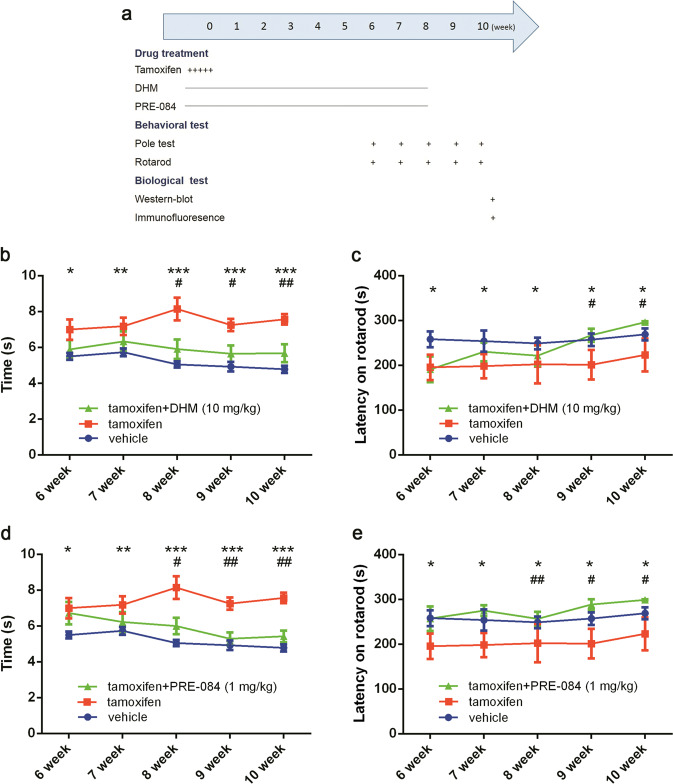
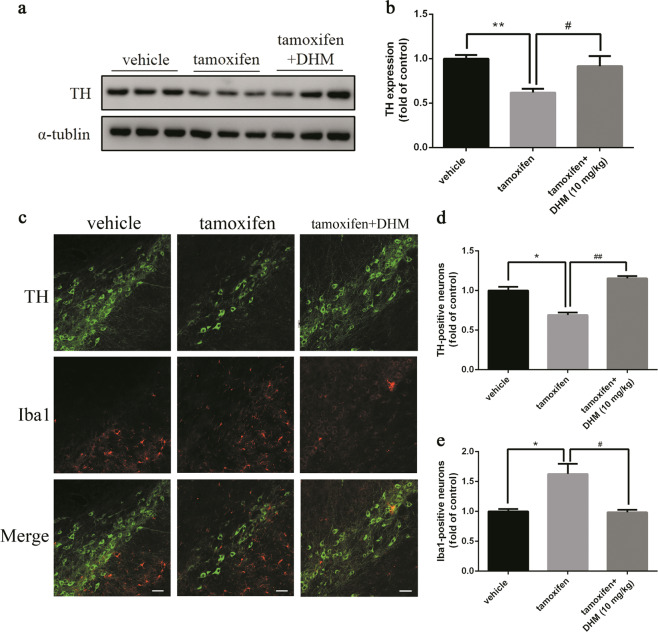
Parkinson's disease (PD) is a common neurodegenerative disease characterized by motor impairment and progressive loss of dopamine (DA) neurons. At present, the acute application of neurotoxic drugs such as 1-methyl-4-phenyl-1,2,3,6-tetrahydropyridine (MPTP) and 6-hydroxydopamine (6-OHDA) are commonly used to simulate the pathology of PD; however, it is difficult to induce the progressive pathogenesis of PD with these models. In this study, we employed DAT promoter-mediated Cre transgenic mice to establish tamoxifen-inducible Dicer conditional knockout (cKO) mice in an effort to mimic the progressive loss of DA neurons and the development of PD-like behavioral phenotypes. The results showed that Dicer cKO mice exhibited progressive loss of DA neurons in the substantia nigra (SN) following tamoxifen administration. Significant DA loss was observed 6 weeks after tamoxifen administration; accordingly, progressive motor function impairment was also observed. We also found that a significant neuroinflammatory response, as evidenced by microglial proliferation, another hallmark of PD pathogenesis, accompanied the loss of DA neurons. The acute application of levo-DOPA (L-DOPA) relieved the PD-like motor impairments in Dicer cKO mice to exert its antiparkinsonian action, indicating that the model can be used to evaluate the antiparkinsonian efficacy of PD drugs. To further elucidate the potential application of this novel PD animal model for PD drug development, we employed the powerful neuroprotective agent dihydromyricetin (DHM) (10 mg/kg) and the selective sigma-1 receptor agonist PRE-084 (1 mg/kg), both of which were previously shown to produce antiparkinsonian effects. The results indicated that the chronic administration of either DHM or PRE-084 attenuated the Dicer cKO-induced loss of DA neurons and motor impairments, although the two drugs acted through different mechanisms. These data indicate that the Dicer cKO mouse model may be a useful model for investigating the pathological development of PD and intervention-mediated changes. In conclusion, this transgenic mouse model appears to simulate the progressive pathogenesis of PD and may be a potentially useful model for PD drug discovery.
帕金森病(PD)是一种常见的神经退行性疾病,其特征为运动障碍和多巴胺(DA)神经元的进行性丧失。目前,通常使用神经毒性药物如 1-甲基-4-苯基-1,2,3,6-四氢吡啶(MPTP)和 6-羟多巴胺(6-OHDA)来模拟 PD 的病理学;然而,这些模型很难诱导 PD 的进行性发病机制。在这项研究中,我们使用 DAT 启动子介导的 Cre 转基因小鼠建立了他莫昔芬诱导的 Dicer 条件性敲除(cKO)小鼠,以模拟 DA 神经元的进行性丧失和 PD 样行为表型的发展。结果表明,在给予他莫昔芬后,Dicer cKO 小鼠的黑质(SN)中出现 DA 神经元的进行性丧失。在给予他莫昔芬后 6 周观察到明显的 DA 丧失,因此也观察到进行性运动功能障碍。我们还发现,神经炎症反应显著增加,表现为小胶质细胞增殖,这是 PD 发病机制的另一个标志,伴随着 DA 神经元的丧失。左旋多巴(L-DOPA)的急性应用缓解了 Dicer cKO 小鼠的 PD 样运动障碍,发挥其抗帕金森作用,表明该模型可用于评估 PD 药物的抗帕金森作用。为了进一步阐明这种新型 PD 动物模型在 PD 药物开发中的潜在应用,我们使用了强大的神经保护剂二氢杨梅素(DHM)(10mg/kg)和选择性 sigma-1 受体激动剂 PRE-084(1mg/kg),这两种药物先前都显示出抗帕金森作用。结果表明,DHM 或 PRE-084 的慢性给药均减轻了 Dicer cKO 诱导的 DA 神经元丧失和运动障碍,尽管两种药物作用机制不同。这些数据表明,Dicer cKO 小鼠模型可能是研究 PD 病理发展和干预介导变化的有用模型。总之,这种转基因小鼠模型似乎模拟了 PD 的进行性发病机制,可能是 PD 药物发现的一个潜在有用的模型。