Salimonti Amelia, Carbone Fabrizio, Romano Elvira, Pellegrino Massimiliano, Benincasa Cinzia, Micali Sabrina, Tondelli Alessandro, Conforti Francesca L, Perri Enzo, Ienco Annamaria, Zelasco Samanta
Research Centre for Olive, Citrus and Tree Fruit, CREA, Rende, Italy.
Research Centre for Olive, Citrus and Tree Fruit, CREA, Roma, Italy.
Front Plant Sci. 2020 Feb 13;11:66. doi: 10.3389/fpls.2020.00066. eCollection 2020.
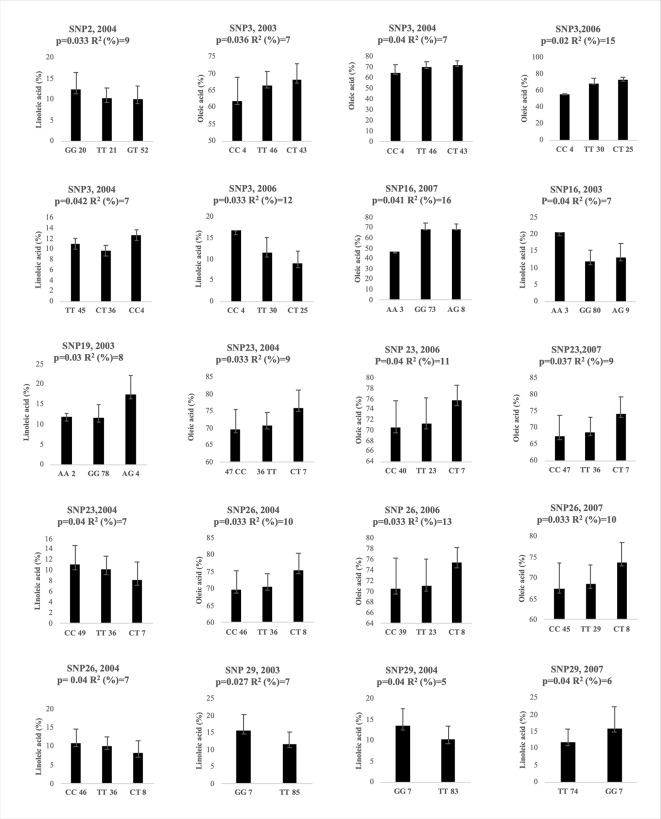
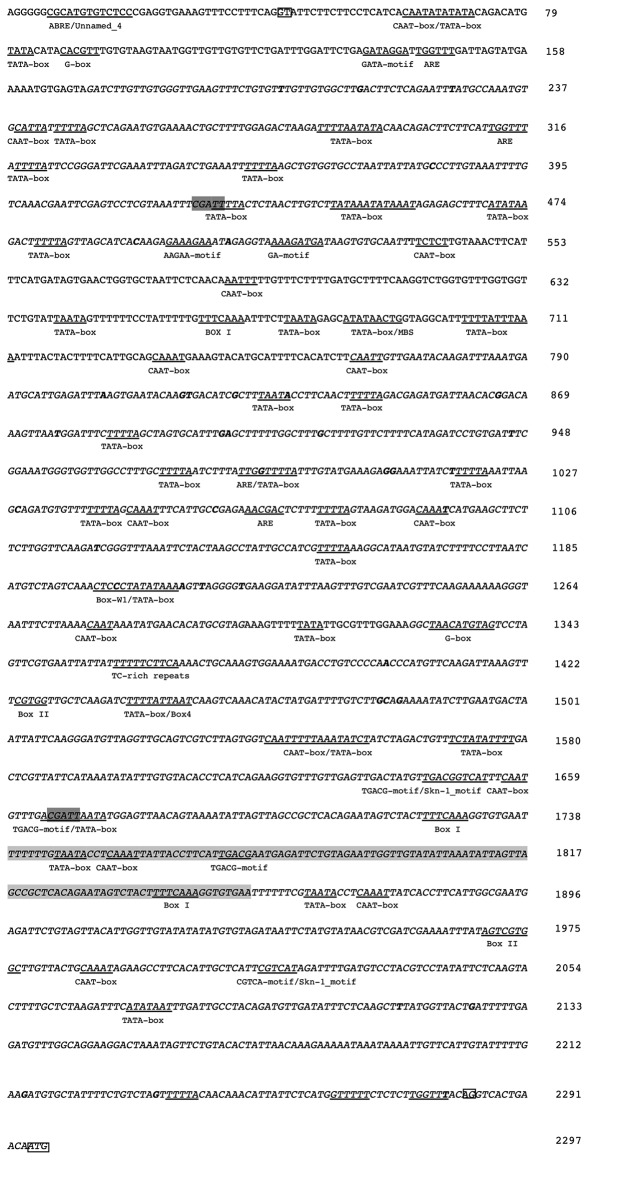
Cultivated olive ( L. subsp. var. ) is the most ancient and spread tree crop in the Mediterranean basin. An important quality trait for the extra virgin olive oil is the fatty acid composition. In particular, a high content of oleic acid and low of linoleic, linolenic, and palmitic acid is considered very relevant in the health properties of the olive oil. The oleate desaturase enzyme encoding-gene () is the main responsible for the linoleic acid content in the olive fruit mesocarp and, therefore, in the olive oil revealing to be the most important candidate gene for the linoleic acid biosynthesis. In this study, an and structural analysis of the 5'UTR intron of the gene was conducted with the aim to explore the natural sequence variability and its role in the gene expression regulation. In order to identify functional allele variants, the 5'UTR intron was isolated and partially sequenced in 97 olive cultivars. The sequence analysis allowed to find a 117-bp insertion including two long duplications never found before in genes in olive and the existence of many intron-mediated enhancement (IME) elements. The sequence polymorphism analysis led to detect 39 SNPs. The candidate gene association study conducted for oleic and linoleic acids content revealed seven SNPs and one indel significantly associated able to explain a phenotypic variation ranging from 7% to 16% among the years. Our study highlighted new structural variants within the gene in olive, putatively involved in the regulation mechanisms of gene expression associated with the variation of the content of oleic and linoleic acid.
栽培橄榄(油橄榄亚种变种)是地中海盆地最古老且分布最广的木本作物。特级初榨橄榄油的一个重要品质特性是脂肪酸组成。特别是,油酸含量高而亚油酸、亚麻酸和棕榈酸含量低被认为与橄榄油的健康特性密切相关。编码油酸去饱和酶的基因()是决定橄榄果实中果皮中亚油酸含量的主要因素,因此,该基因被认为是亚油酸生物合成中最重要的候选基因。在本研究中,对基因的5'UTR内含子进行了分析和结构分析,旨在探索其天然序列变异性及其在基因表达调控中的作用。为了鉴定功能性等位基因变体,在97个橄榄品种中分离并部分测序了5'UTR内含子。序列分析发现了一个117 bp的插入片段,其中包含两个在橄榄基因中从未发现过的长重复序列,以及许多内含子介导增强(IME)元件。序列多态性分析检测到39个单核苷酸多态性(SNP)。针对油酸和亚油酸含量进行的候选基因关联研究发现了7个SNP和1个插入缺失与性状显著相关,这些位点能够解释多年间7%至16%的表型变异。我们的研究突出了橄榄基因内新的结构变异,推测其参与了与油酸和亚油酸含量变化相关的基因表达调控机制。