Li Yanan, Wang Jun, Song Kun, Liu Shuangqing, Zhang Huilei, Wang Fei, Ni Chen, Zhai Wenlong, Liang Jialu, Qin Zhihai, Zhang Jinhua
Medical Research Center, The First Affiliated Hospital of Zhengzhou University, Zhengzhou, Henan, China.
Key Laboratory of Protein and Peptide Pharmaceuticals, CAS Center for Excellence in Biomacromolecules, Chinese Academy of Sciences-University of Tokyo Joint Laboratory of Structural Virology and Immunology, Institute of Biophysics, Chinese Academy of Sciences, Beijing, China.
Oncoimmunology. 2020 Feb 14;9(1):1725355. doi: 10.1080/2162402X.2020.1725355. eCollection 2020.
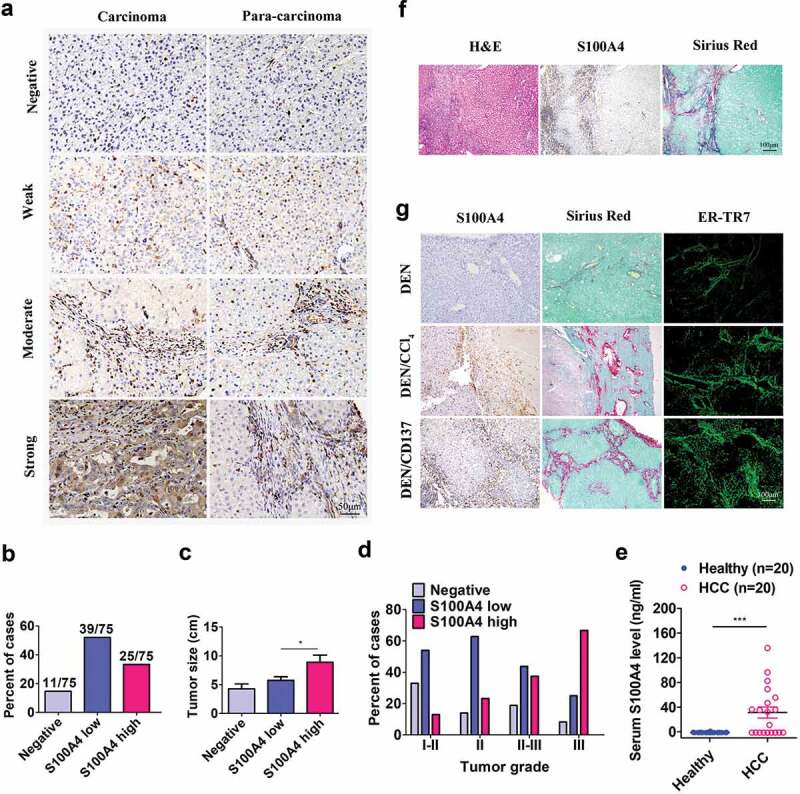
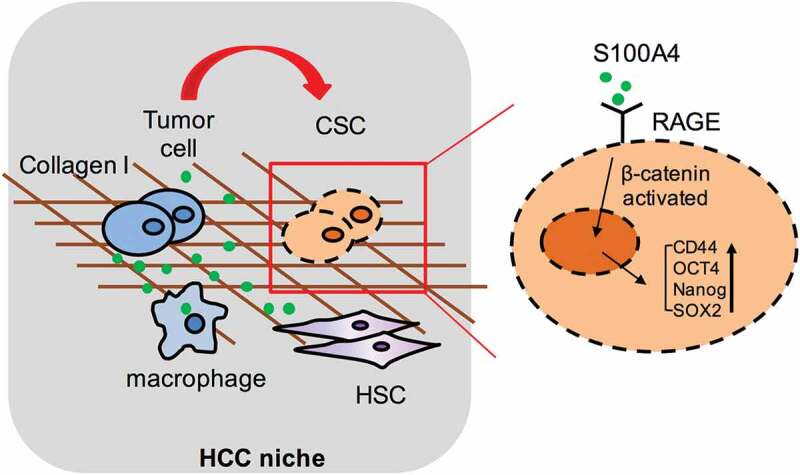
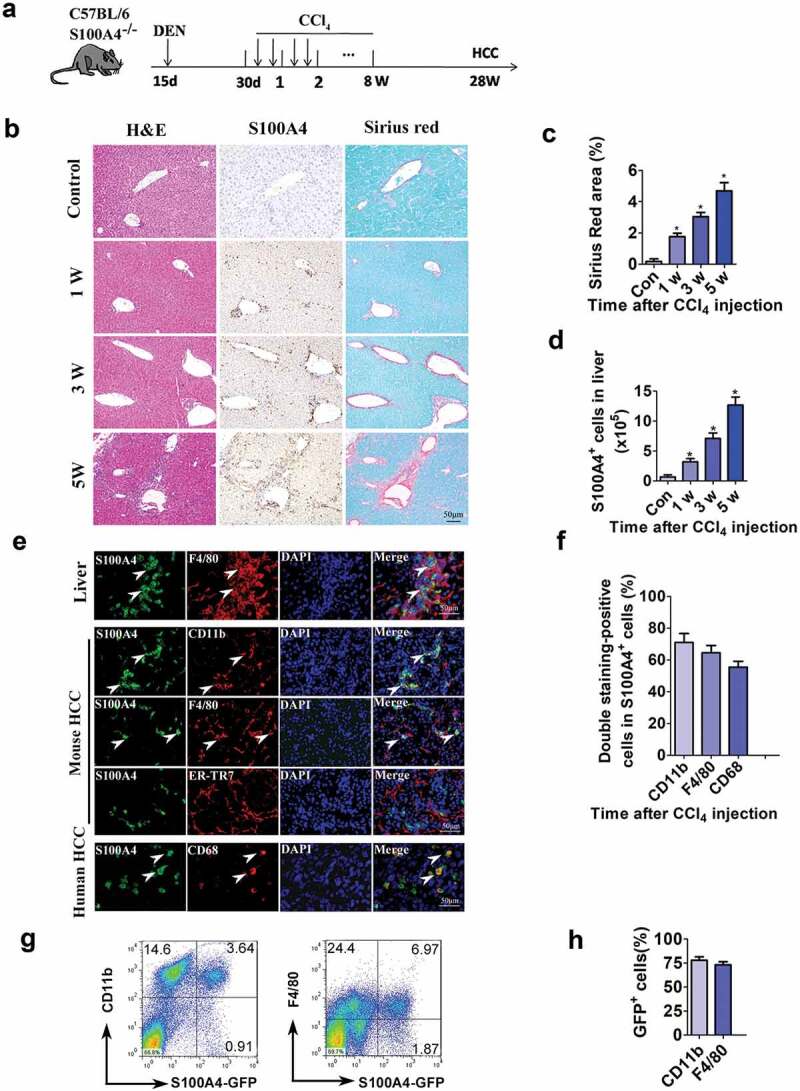
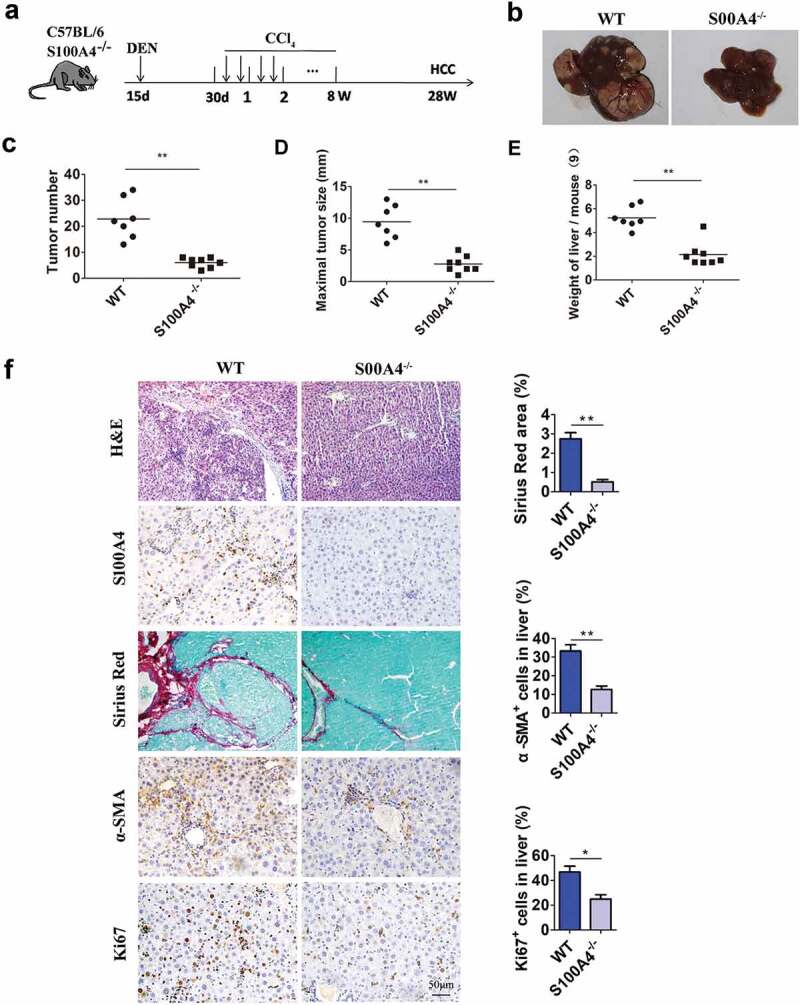
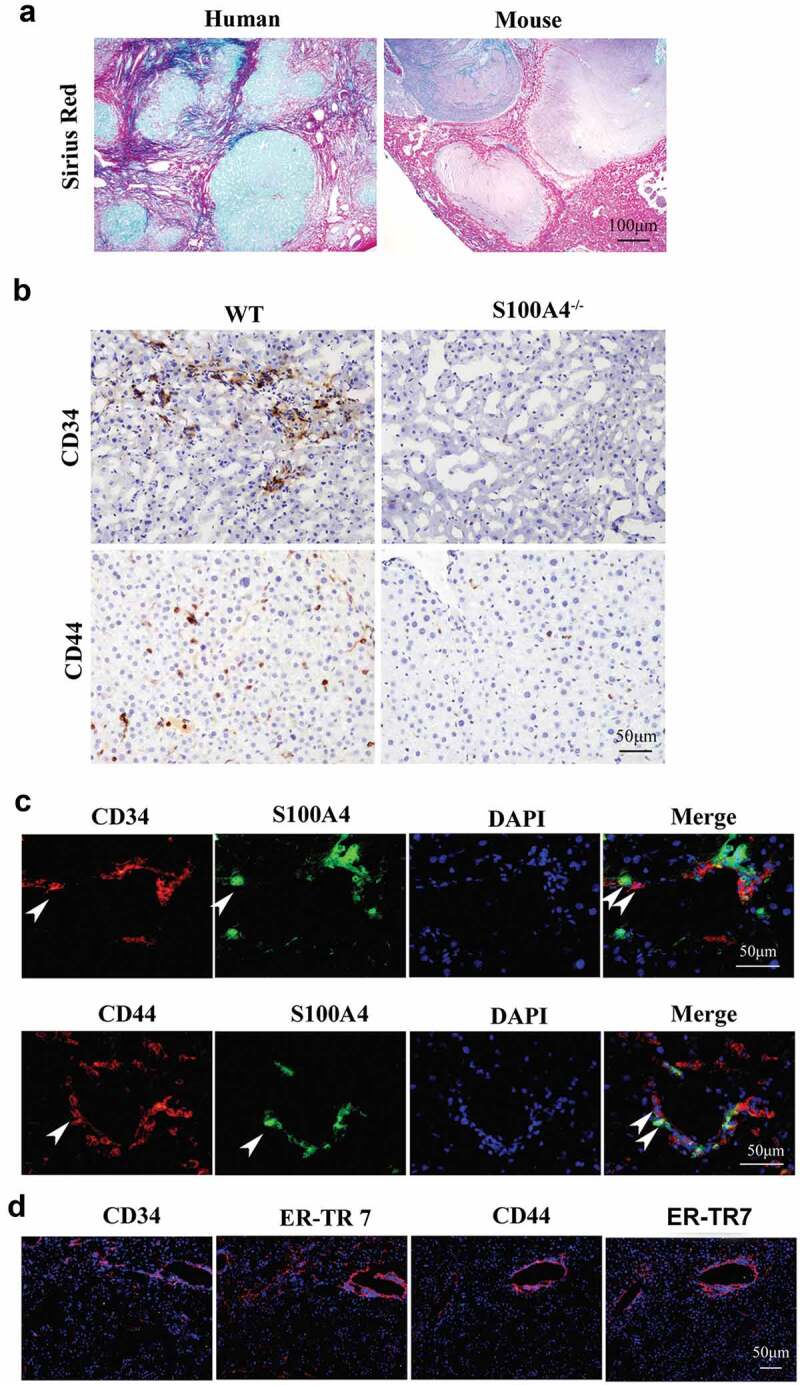
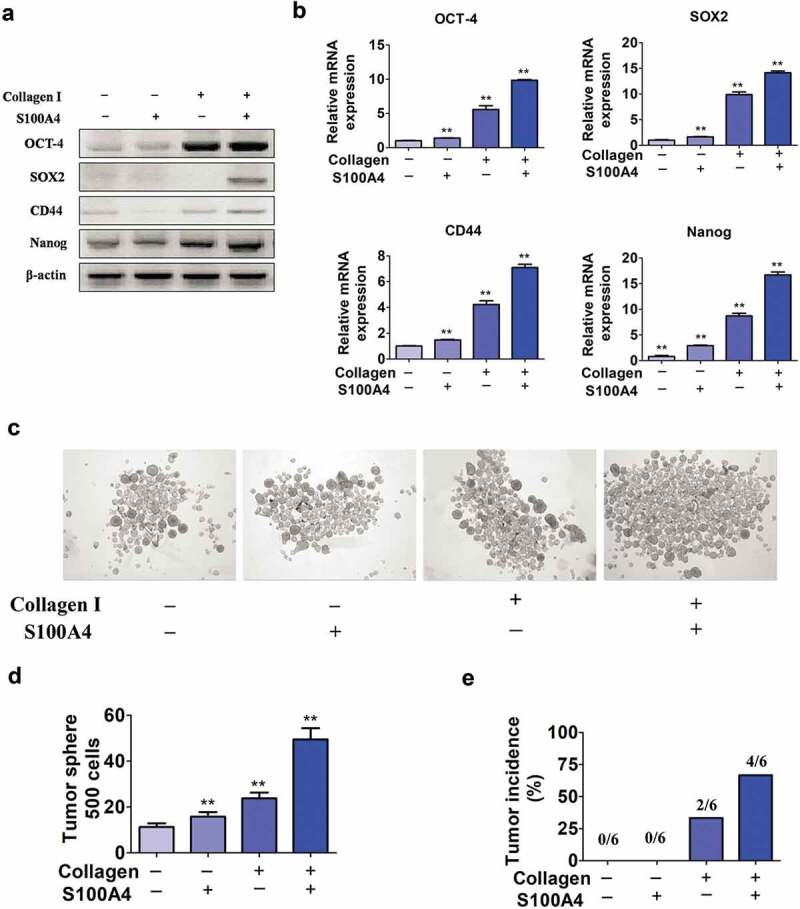
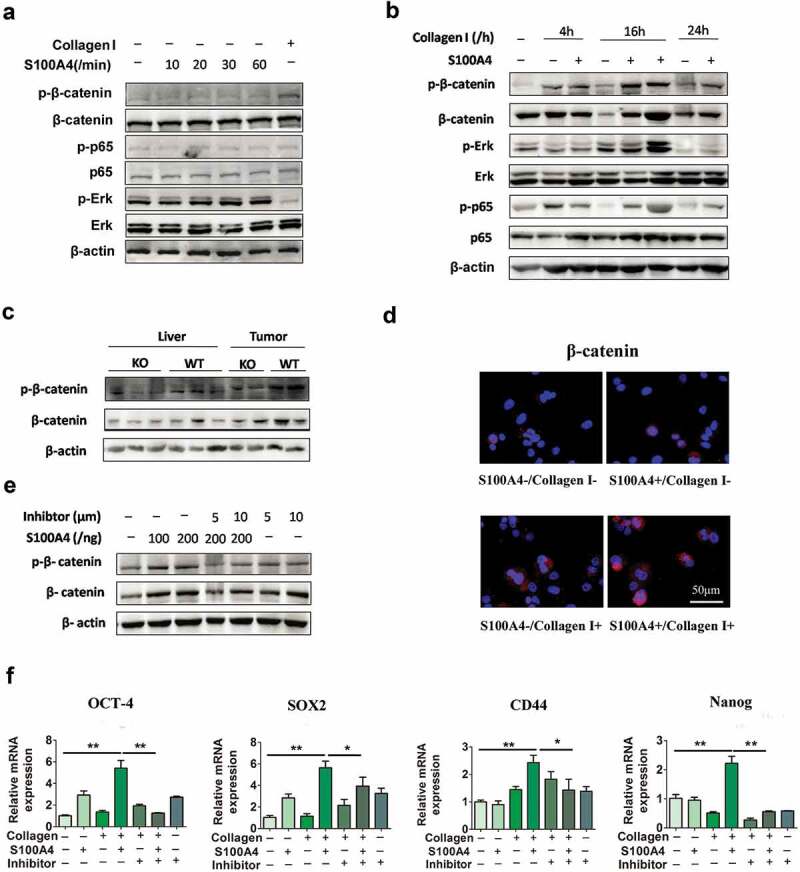
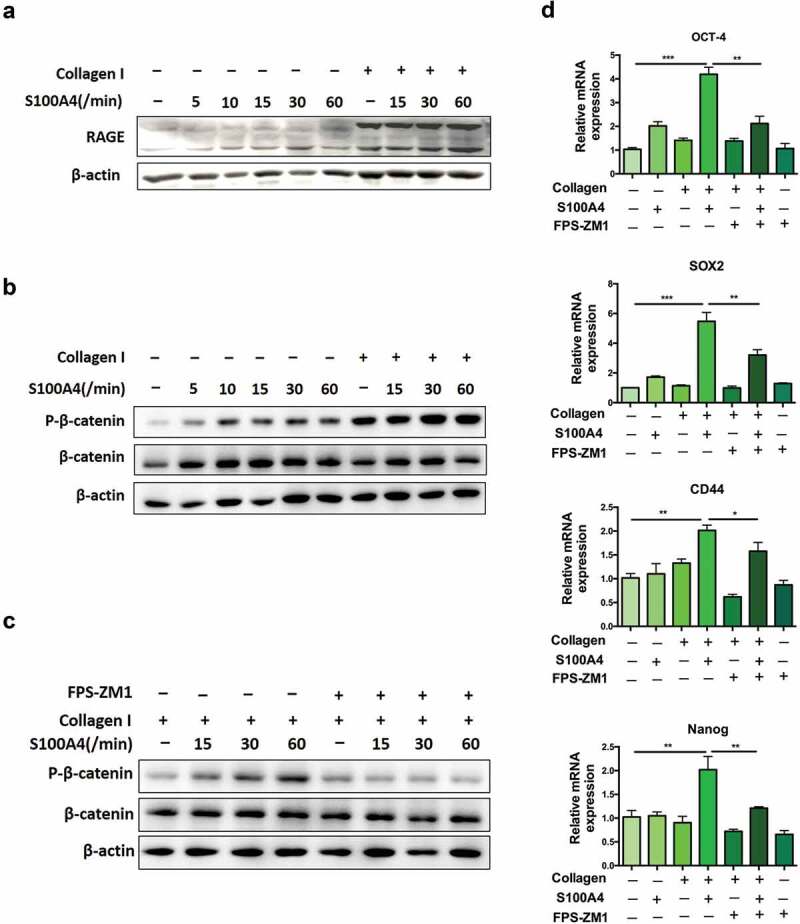
A cancer-promoting role of fibrogenesis in the liver has long been speculated; however, the molecular mechanisms regarding this phenomenon are largely unknown. We demonstrated in our previous study that macrophage-derived S100A4 promotes liver fibrosis activation of hepatic stellate cells; however, whether and how S100A4 directly contributes to the development of fibrosis-associated liver cancer remains elusive. High expression of S100A4 in the fibrotic region was observed in human liver tumor tissues which associated with advanced disease severity. Through an established hepatocarcinogenesis model involving apparent liver fibrogenesis, we found that S100A4-deficient mice developed significantly less and smaller liver tumor nodules, with no change in the liver inflammation but decreased liver fibrosis and expression of stem cell markers in hepatocellular carcinoma (HCC) tissues. Mechanistically, S100A4 directly promoted stem cell-associated genes signatures in a way synergistic with its interacting protein, extracellular matrix component collagen I. This process is dependent on the receptor of advanced glycation end products (RAGE) and β-catenin signaling. Furthermore, the liver tumor sphere formation and tumor growth were greatly enhanced only when the cancer cells were pretreated with both S100A4 and collagen I. Our work firstly demonstrated a key role of S100A4 in synergy with extracellular matrix in the promotion of hepatocellular carcinoma by affecting the stemness of cancer cells.
长期以来,人们一直推测肝脏中的纤维生成具有促进癌症的作用;然而,关于这一现象的分子机制在很大程度上尚不清楚。我们在之前的研究中表明,巨噬细胞衍生的S100A4可促进肝纤维化——肝星状细胞的激活;然而,S100A4是否以及如何直接促进纤维化相关肝癌的发展仍不清楚。在与疾病严重程度较高相关的人类肝脏肿瘤组织中,观察到纤维化区域S100A4的高表达。通过一个涉及明显肝脏纤维生成的既定肝癌发生模型,我们发现S100A4缺陷小鼠形成的肝脏肿瘤结节明显更少、更小,肝脏炎症没有变化,但肝纤维化以及肝细胞癌(HCC)组织中干细胞标志物的表达降低。从机制上讲,S100A4通过与其相互作用蛋白细胞外基质成分I型胶原协同作用的方式,直接促进干细胞相关基因特征。这一过程依赖于晚期糖基化终产物受体(RAGE)和β-连环蛋白信号传导。此外,只有当癌细胞用S100A4和I型胶原预处理时,肝脏肿瘤球的形成和肿瘤生长才会大大增强。我们的研究首次证明了S100A4与细胞外基质协同作用,通过影响癌细胞的干性在促进肝细胞癌方面的关键作用。