Khoza-Shangase Katijah, Moroe Nomfundo
Department of Audiology, Faculty of Humanities, University of the Witwatersrand, Johannesburg.
S Afr J Commun Disord. 2020 Mar 3;67(2):e1-e10. doi: 10.4102/sajcd.v67i2.670.
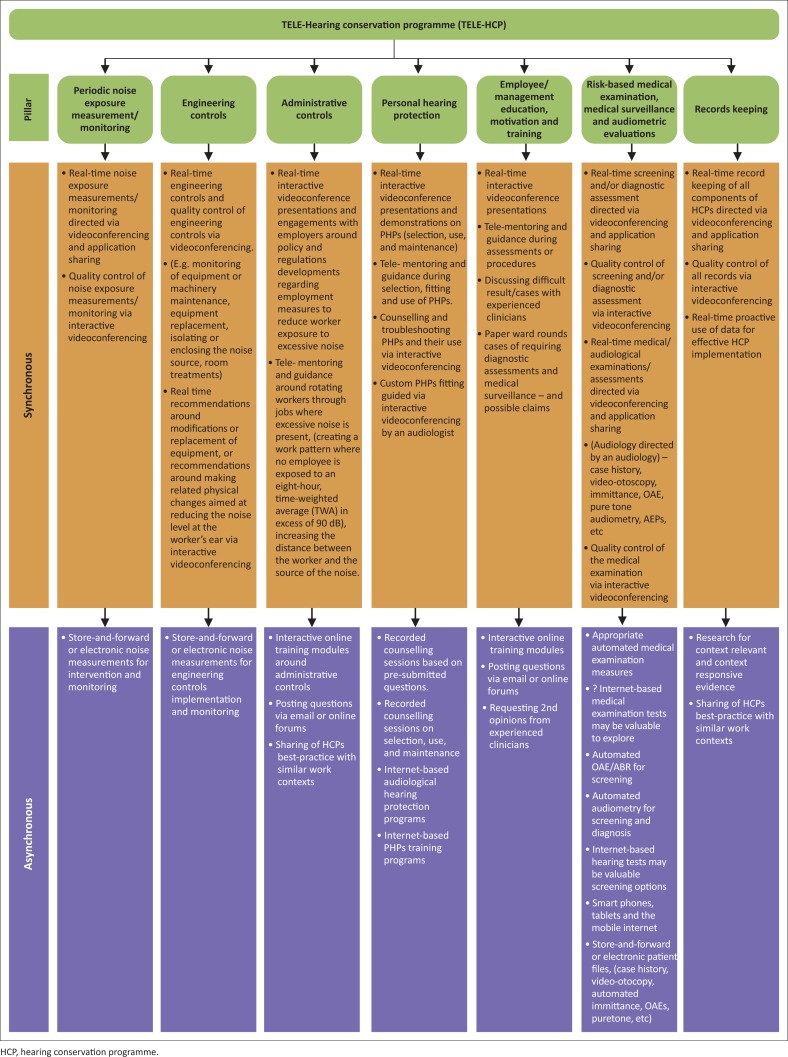
The limited involvement of audiologists in occupational noise-induced hearing loss (ONIHL) management through hearing conservation programmes (HCPs) is a global issue. In low- and middle-income (LAMI) countries such as South Africa, this is also exacerbated by demand versus capacity challenges. Tele-audiology is an option requiring serious deliberation by the audiology community within HCPs in LAMI contexts.
This scoping review explores if tele-audiology has a potential value in HCPs and reviews what has been documented in the literature on the use of tele-audiology in HCPs.
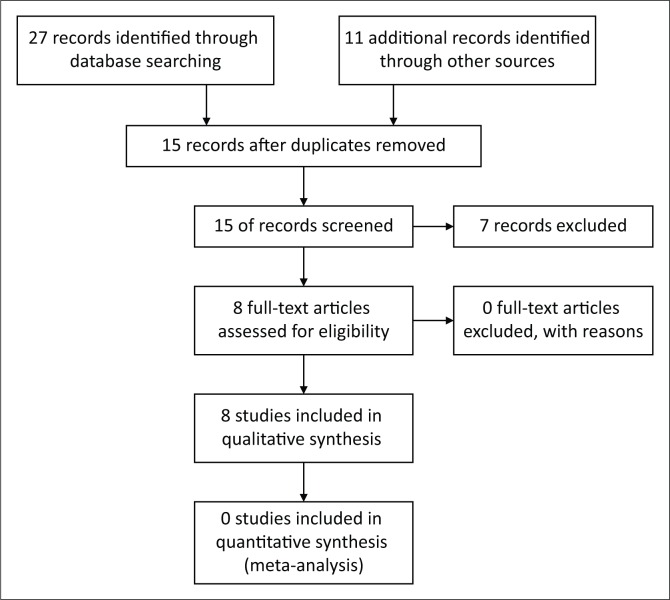
A scoping review was conducted using the Arksey and O'Malley's framework. A search was conducted in five electronic bibliographic databases including Science Direct, PubMed, Scopus Medline, ProQuest and Google Scholar and the grey literature to identify publications presenting considerations around tele-audiology in the implementation of HCPs.
Findings revealed significant dearth of evidence specific to the use or application of tele-audiology in ONIHL and/or HCPs both within the African context and internationally, despite the purported potential benefit of this service delivery model, particularly in resource-constrained contexts such as LAMI countries. Of the publications deemed potentially relevant to this scoping review, none were found that specifically investigated or addressed the use of tele-audiology in ONIHL or HCPs as their main objective. Nuanced analysis of publications revealed that in the last decade, indication for potential growth in the use of tele-audiology within occupational audiology is indicated.
Because of the significant demand versus capacity challenges in LAMI countries, and because of the need for scaling up audiology professionals' management of HCPs, careful consideration of teleaudiology as a platform to deliver services in these contexts is required.
听力学家通过听力保护计划(HCPs)参与职业性噪声性听力损失(ONIHL)管理的程度有限,这是一个全球性问题。在南非等低收入和中等收入(LAMI)国家,需求与能力挑战也加剧了这一问题。远程听力学是一种选择,LAMI环境下HCPs中的听力学界需要认真考虑。
本范围综述探讨远程听力学在HCPs中是否具有潜在价值,并回顾文献中关于在HCPs中使用远程听力学的记录。
使用阿克西和奥马利的框架进行范围综述。在包括科学Direct、PubMed、Scopus Medline、ProQuest和谷歌学术在内的五个电子文献数据库以及灰色文献中进行搜索,以识别在实施HCPs时提出有关远程听力学考虑因素的出版物。
研究结果显示,尽管这种服务提供模式据称具有潜在益处,特别是在LAMI国家等资源受限的环境中,但在非洲和国际范围内,关于远程听力学在ONIHL和/或HCPs中的使用或应用的具体证据严重不足。在被认为与本范围综述潜在相关的出版物中,没有发现专门以调查或探讨远程听力学在ONIHL或HCPs中的使用为主要目标的文献。对出版物的细致分析表明,在过去十年中,职业听力学中使用远程听力学的潜在增长迹象已显现。
由于LAMI国家存在重大的需求与能力挑战,且需要扩大听力学专业人员对HCPs的管理,因此需要认真考虑将远程听力学作为在这些环境中提供服务的平台。