Windmueller Rebecca, Leach John P, Babu Apoorva, Zhou Su, Morley Michael P, Wakabayashi Aoi, Petrenko Nataliya B, Viatour Patrick, Morrisey Edward E
Department of Medicine, Perelman School of Medicine, University of Pennsylvania, Philadelphia, PA 19104, USA; Department of Cell and Developmental Biology, Perelman School of Medicine, University of Pennsylvania, Philadelphia, PA 19104, USA.
Department of Medicine, Perelman School of Medicine, University of Pennsylvania, Philadelphia, PA 19104, USA; Department of Cell and Developmental Biology, Perelman School of Medicine, University of Pennsylvania, Philadelphia, PA 19104, USA; Penn-CHOP Lung Biology Institute, Perelman School of Medicine, University of Pennsylvania, Philadelphia, PA 19104, USA; Penn Cardiovascular Institute, Perelman School of Medicine, University of Pennsylvania, Philadelphia, PA 19104, USA.
Cell Rep. 2020 Mar 3;30(9):3105-3116.e4. doi: 10.1016/j.celrep.2020.02.034.
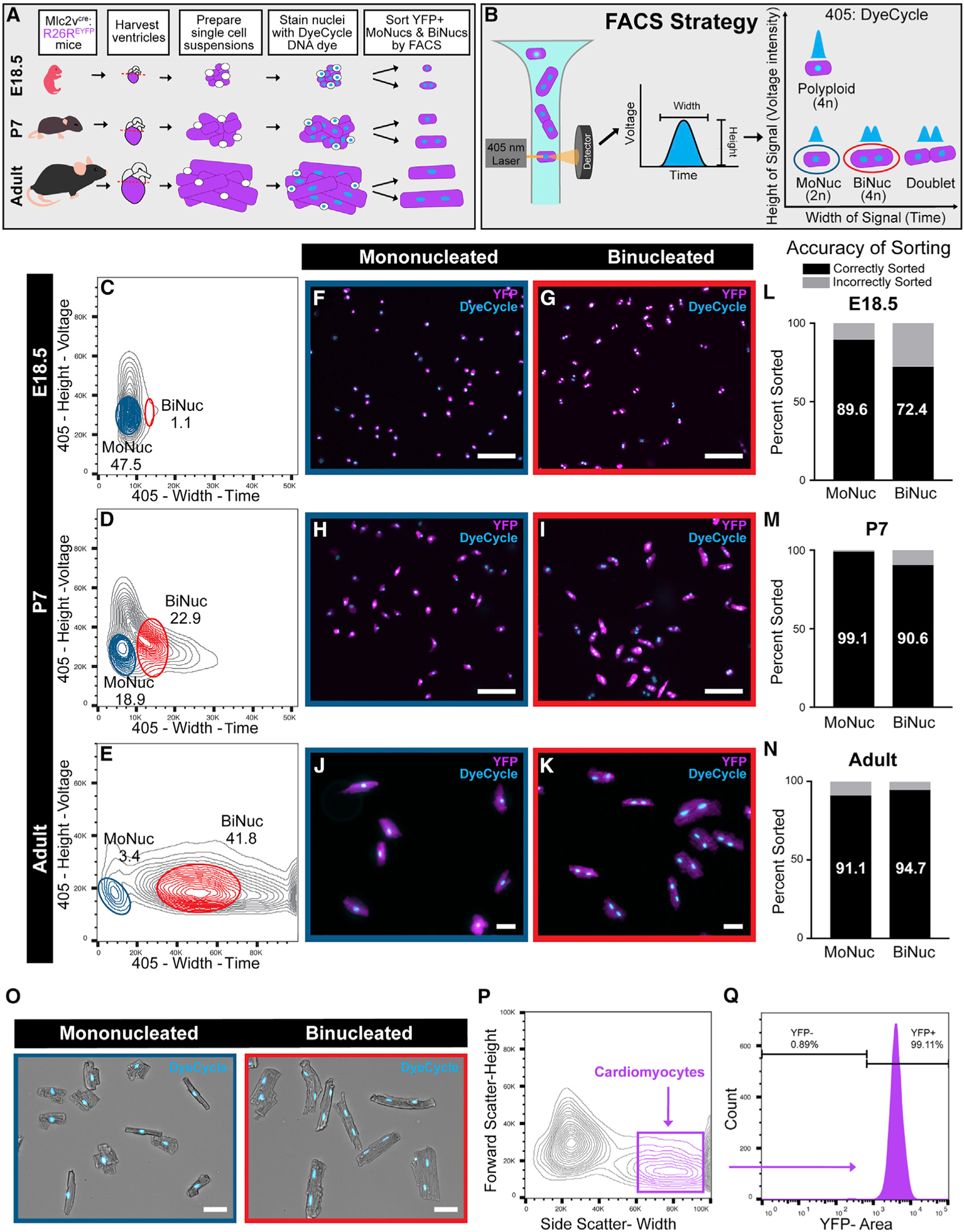
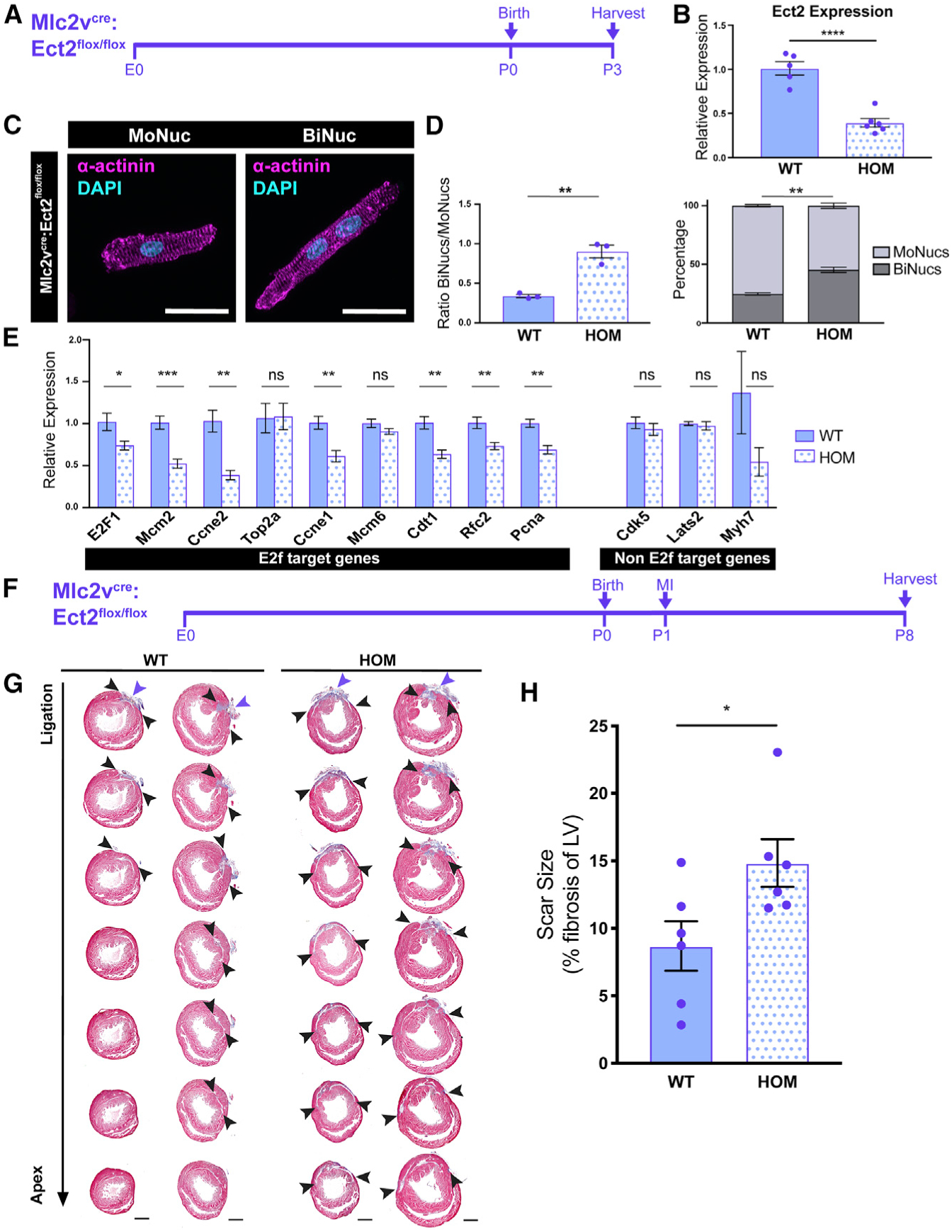
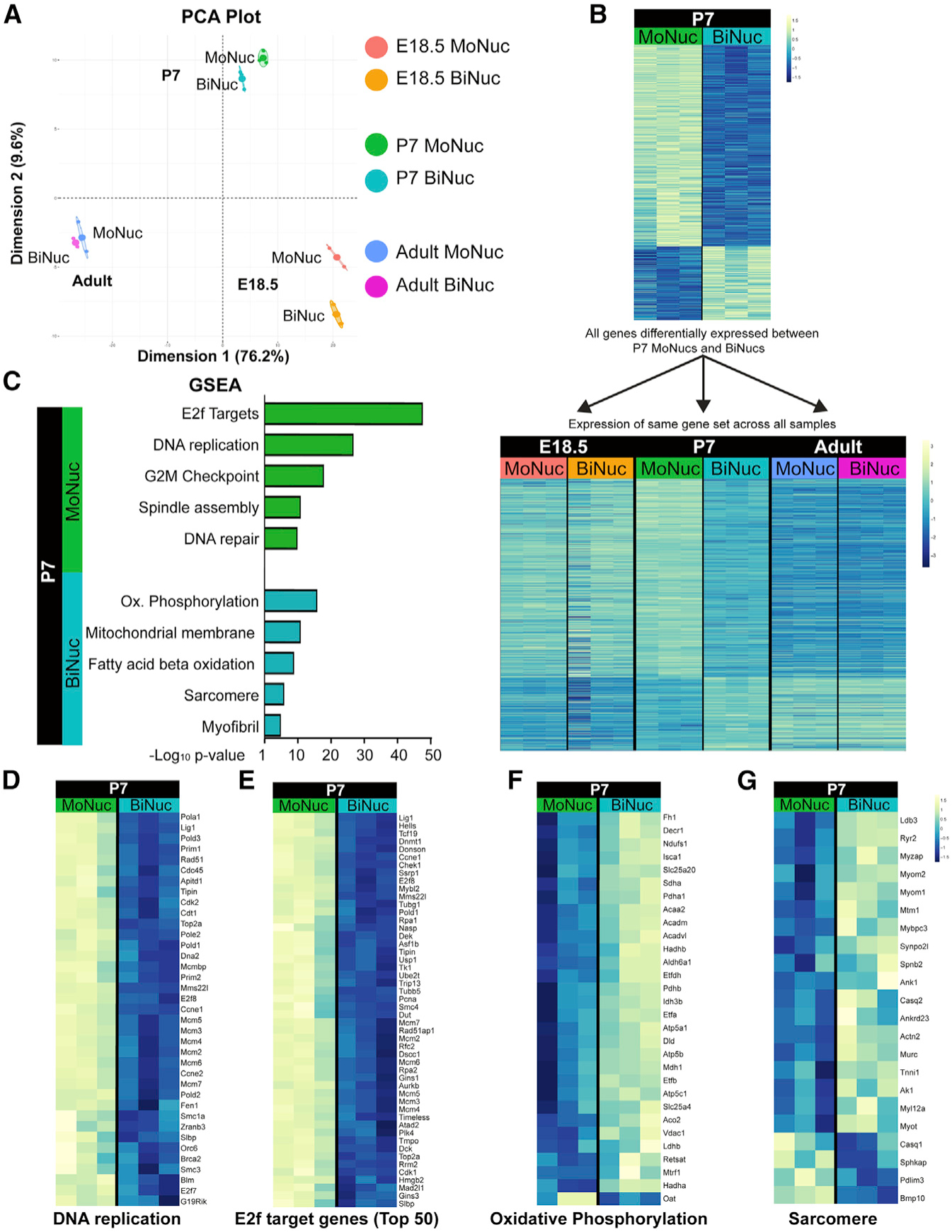
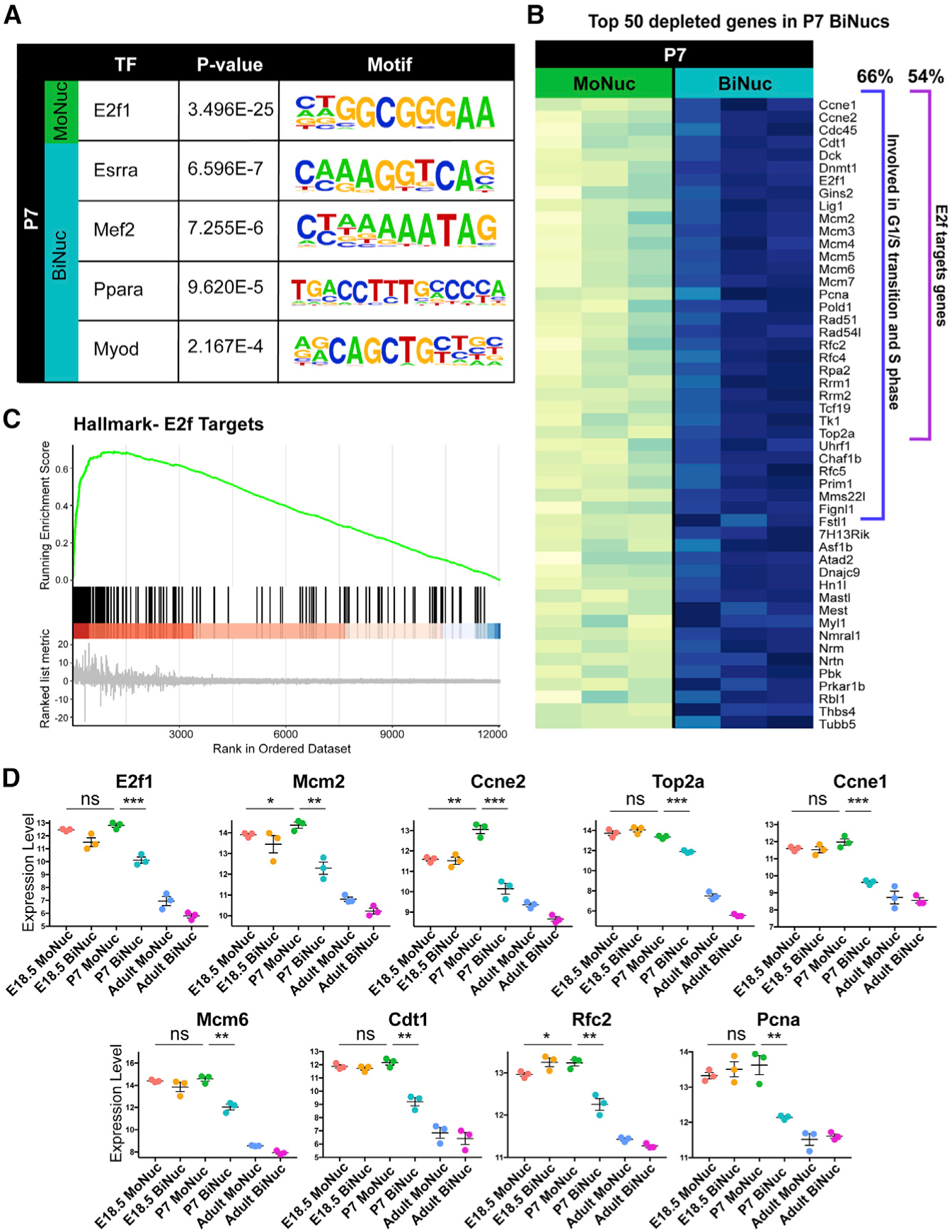
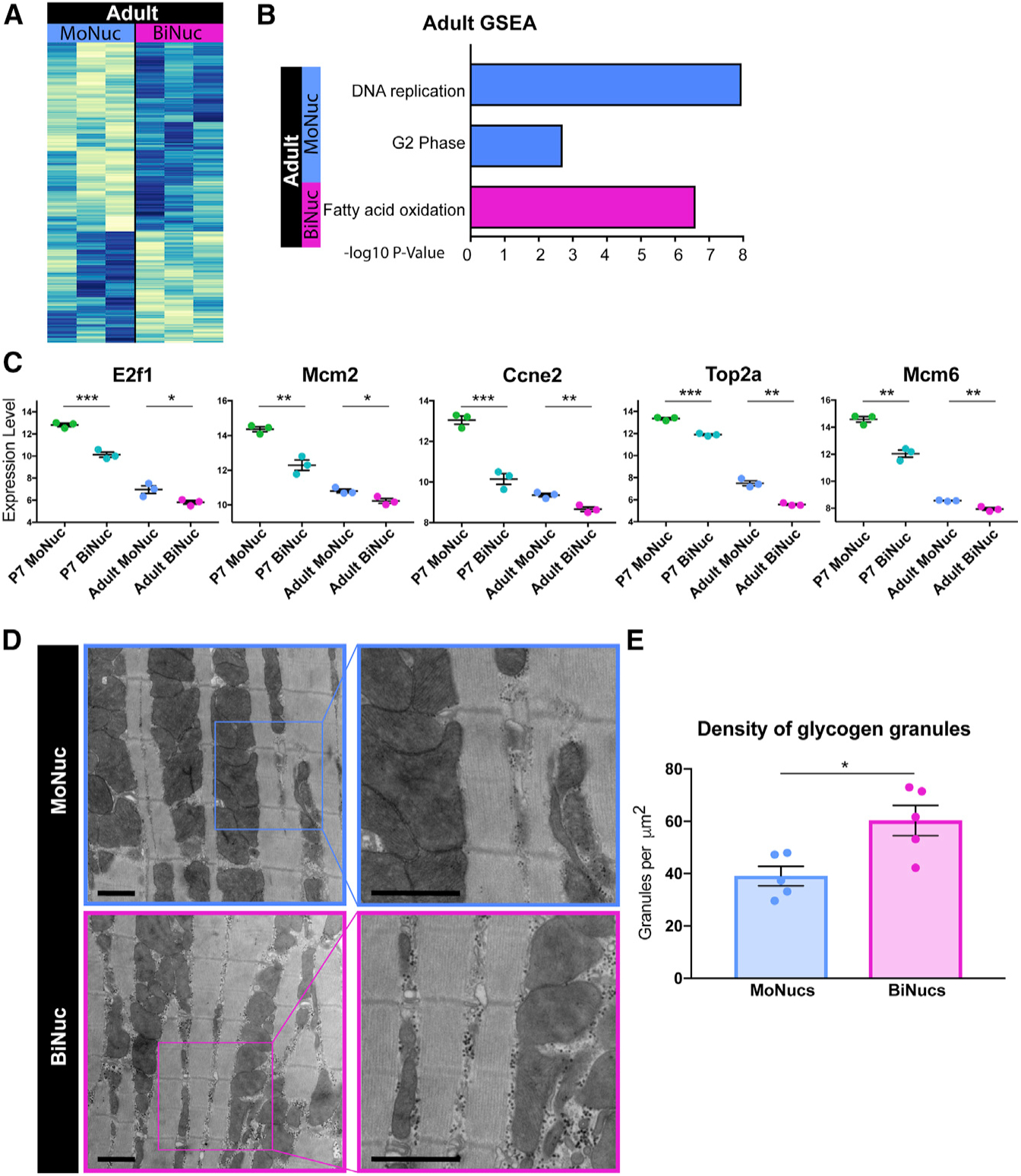
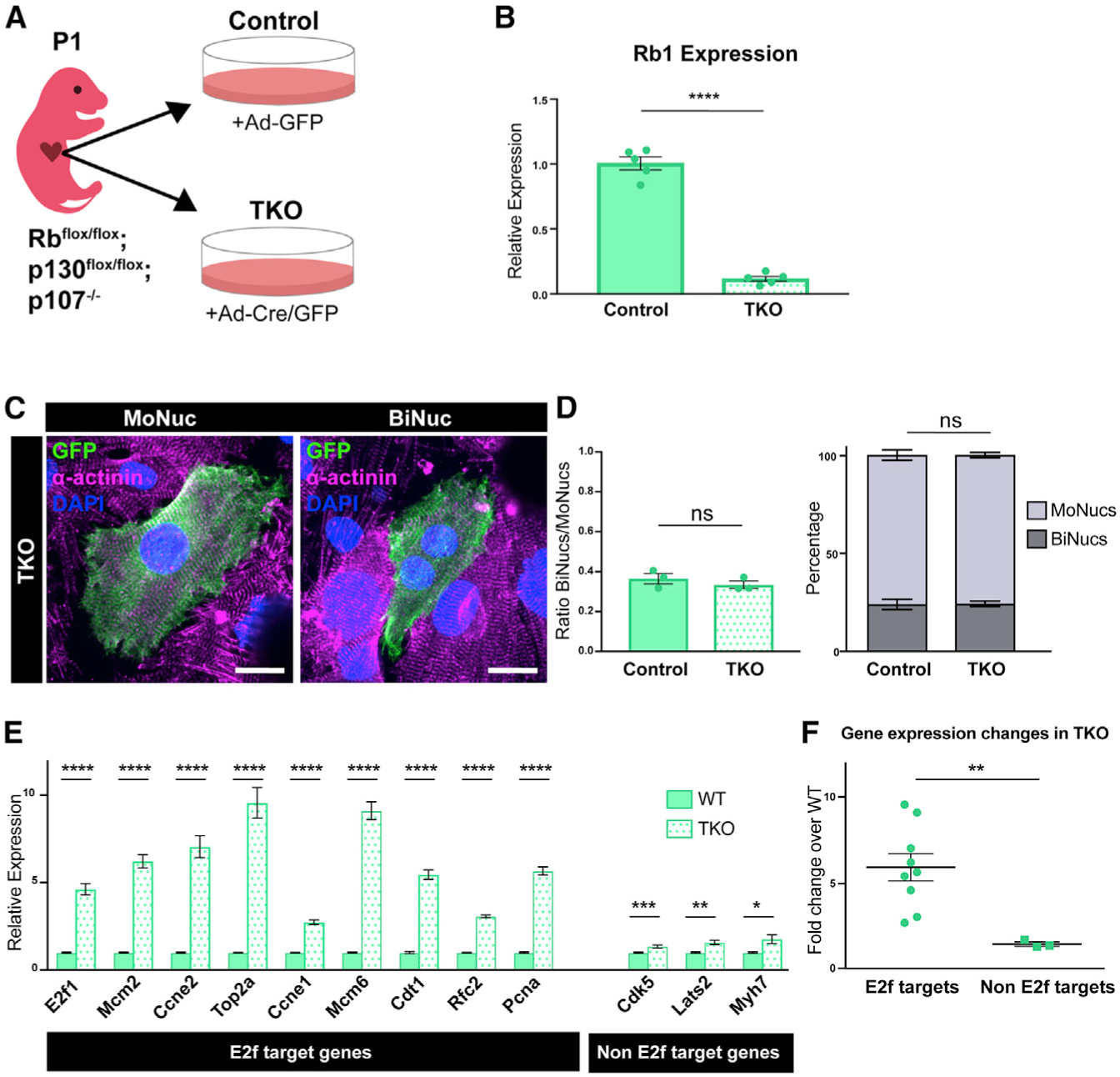
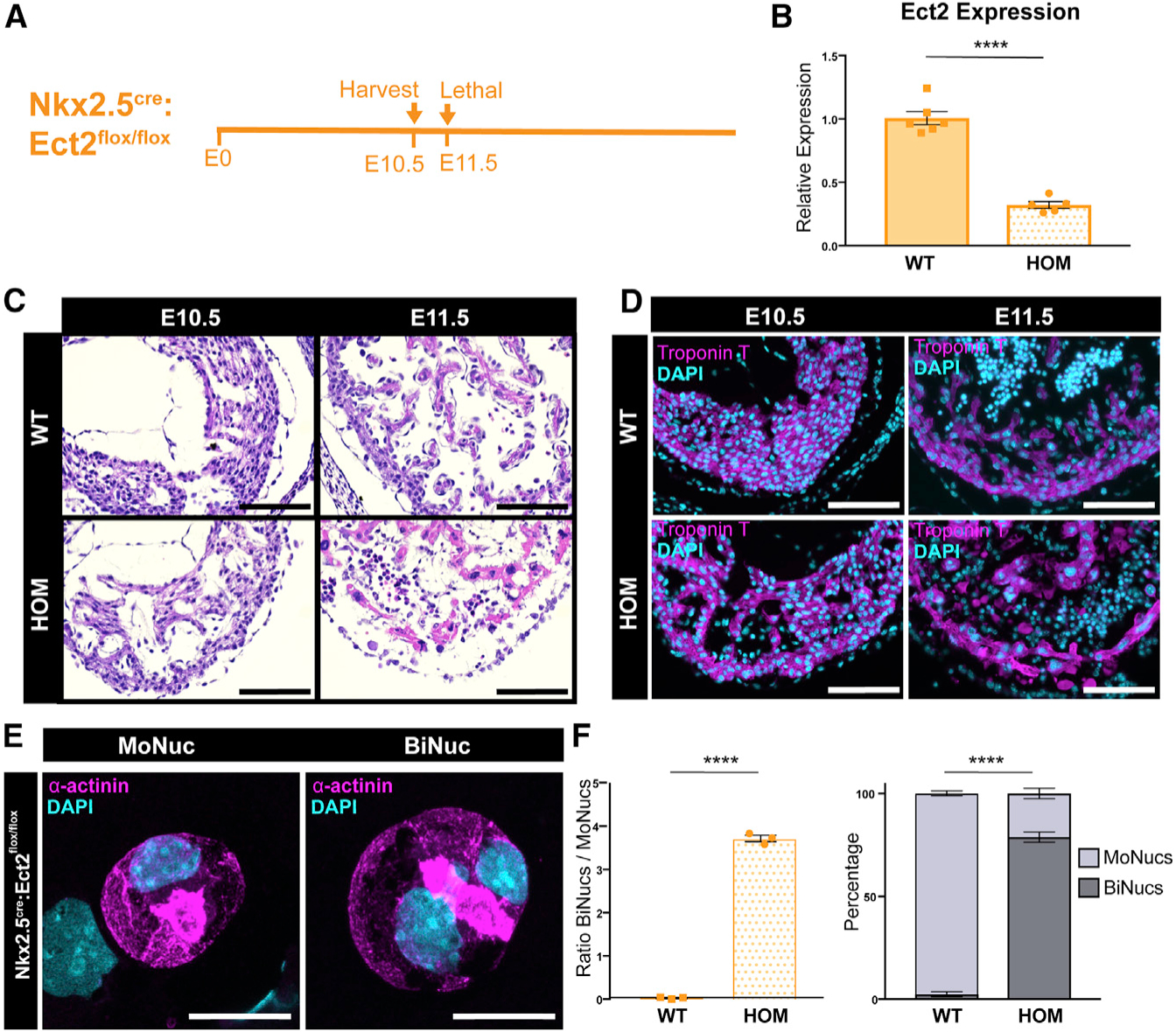
The mammalian heart is incapable of regenerating a sufficient number of cardiomyocytes to ameliorate the loss of contractile muscle after acute myocardial injury. Several reports have demonstrated that mononucleated cardiomyocytes are more responsive than are binucleated cardiomyocytes to pro-proliferative stimuli. We have developed a strategy to isolate and characterize highly enriched populations of mononucleated and binucleated cardiomyocytes at various times of development. Our results suggest that an E2f/Rb transcriptional network is central to the divergence of these two populations and that remnants of the differences acquired during the neonatal period remain in adult cardiomyocytes. Moreover, inducing binucleation by genetically blocking the ability of cardiomyocytes to complete cytokinesis leads to a reduction in E2f target gene expression, directly linking the E2f pathway with nucleation. These data identify key molecular differences between mononucleated and binucleated mammalian cardiomyocytes that can be used to leverage cardiomyocyte proliferation for promoting injury repair in the heart.
哺乳动物的心脏无法再生足够数量的心肌细胞,以改善急性心肌损伤后收缩性肌肉的损失。几份报告表明,单核心肌细胞比双核心肌细胞对促增殖刺激的反应更敏感。我们已经开发出一种策略,可在不同发育阶段分离并鉴定高度富集的单核和双核心肌细胞群体。我们的结果表明,E2f/Rb转录网络是这两个细胞群体分化的核心,并且在新生儿期获得的差异残余物仍存在于成年心肌细胞中。此外,通过基因阻断心肌细胞完成胞质分裂的能力来诱导双核化,会导致E2f靶基因表达降低,直接将E2f途径与细胞核形成联系起来。这些数据确定了单核和双核哺乳动物心肌细胞之间的关键分子差异,可用于利用心肌细胞增殖来促进心脏损伤修复。