Institute of Pharmacy and Molecular Biotechnology, Heidelberg University, 69120 Heidelberg, Germany.
AgroBioSciences Research Division, Mohammed VI Polytechnic University, Lot 660-Hay MoulayRachid, Ben-Guerir 43150, Morocco.
Biomolecules. 2020 Mar 2;10(3):386. doi: 10.3390/biom10030386.
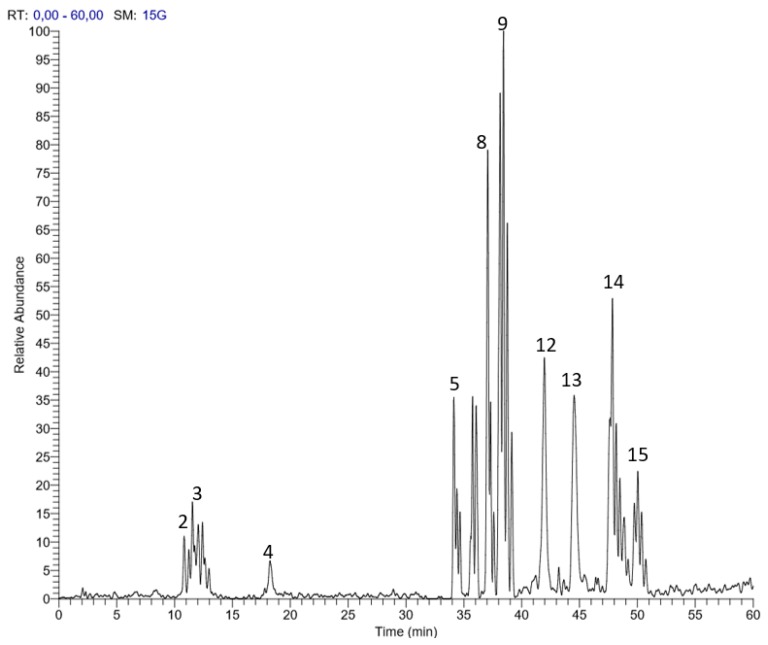
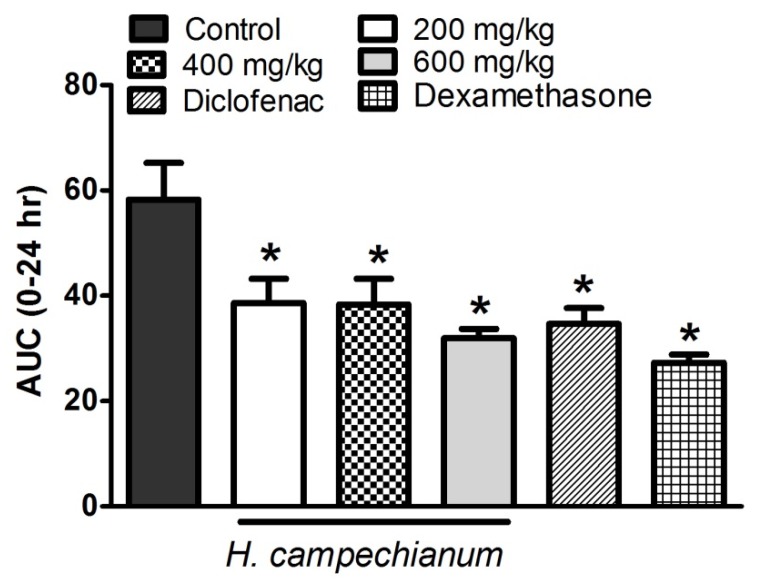
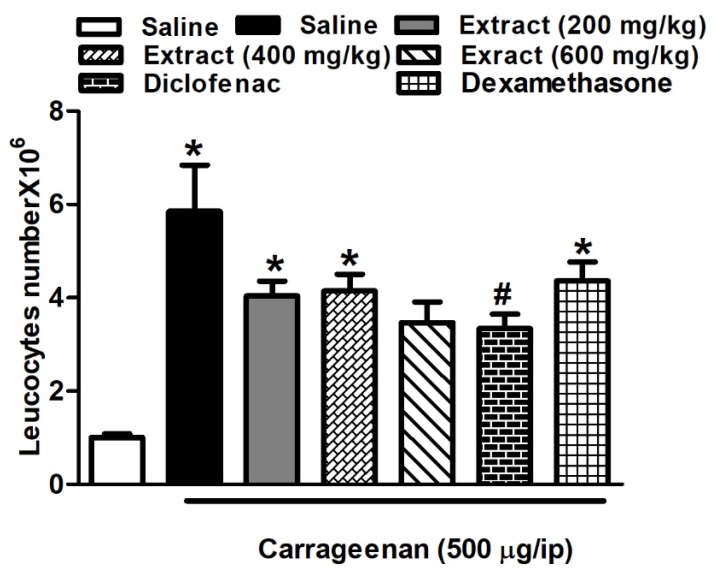
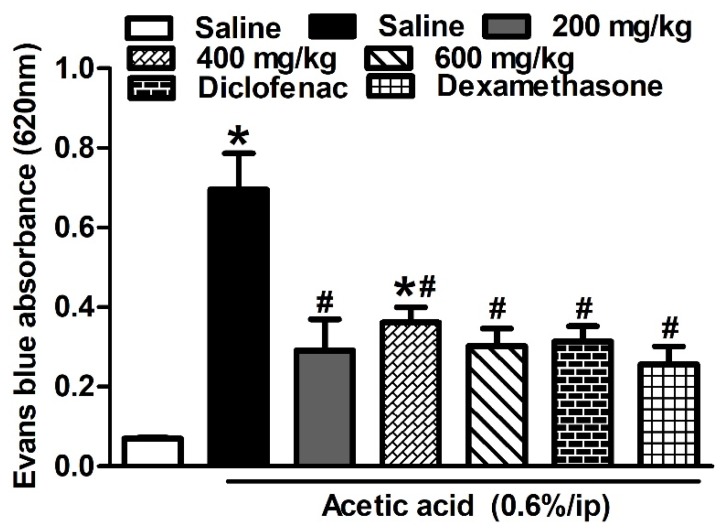
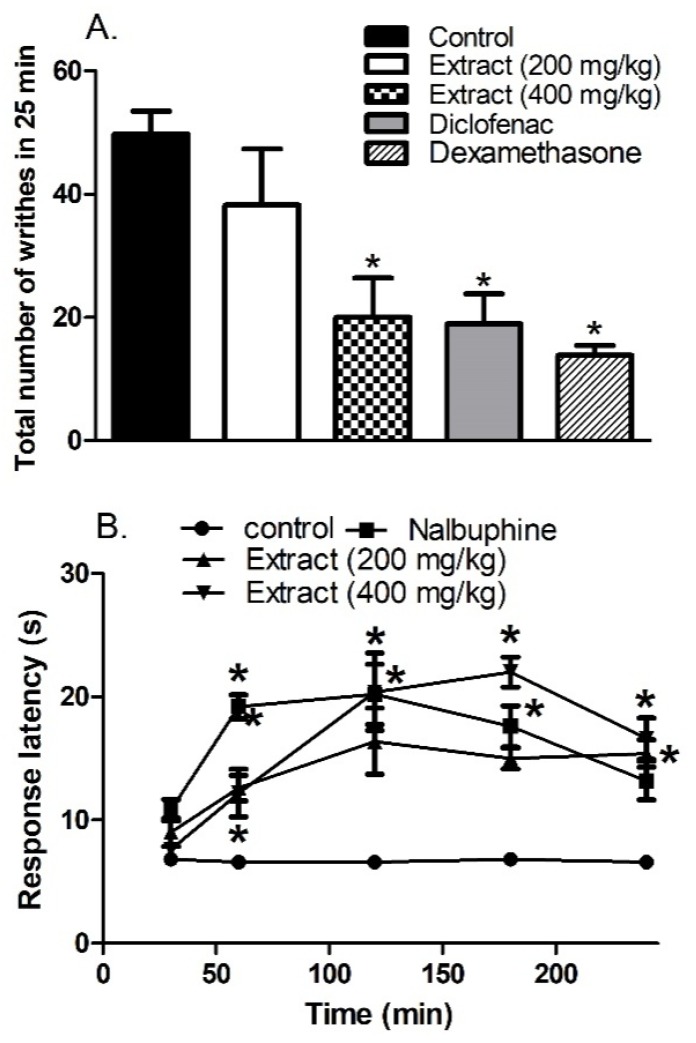
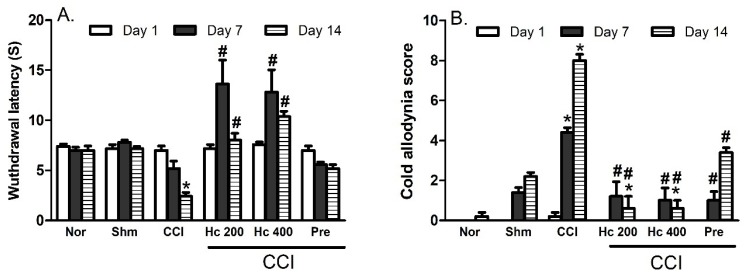
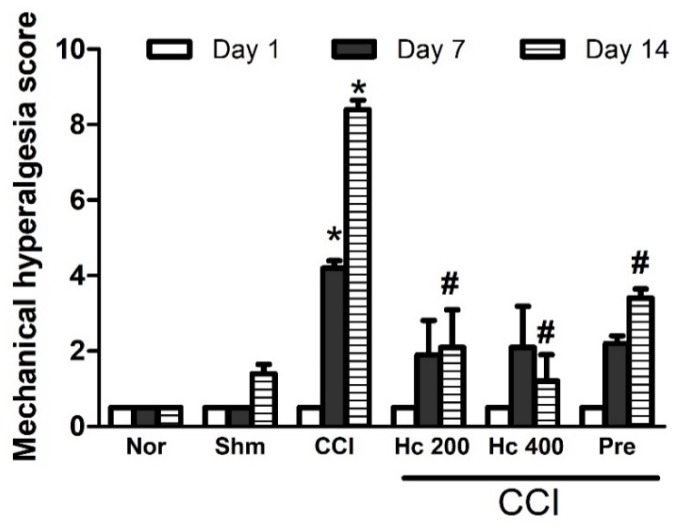
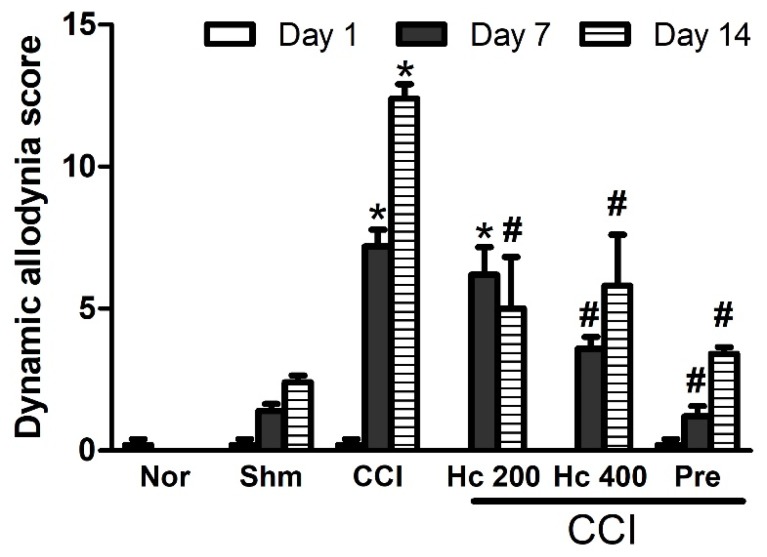
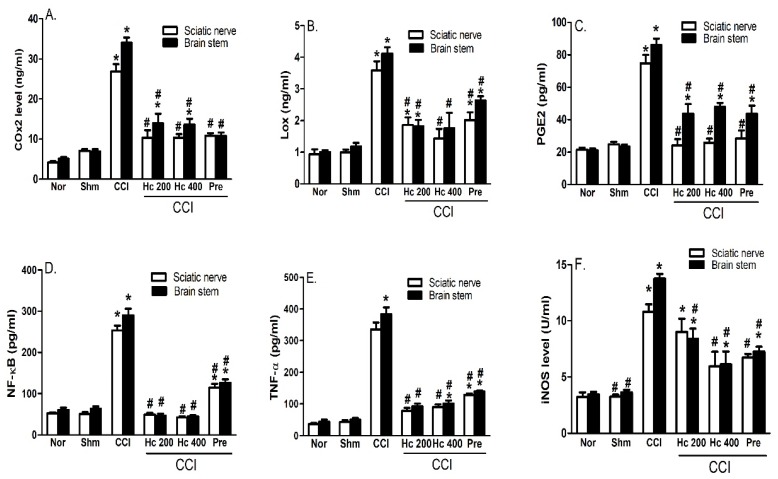
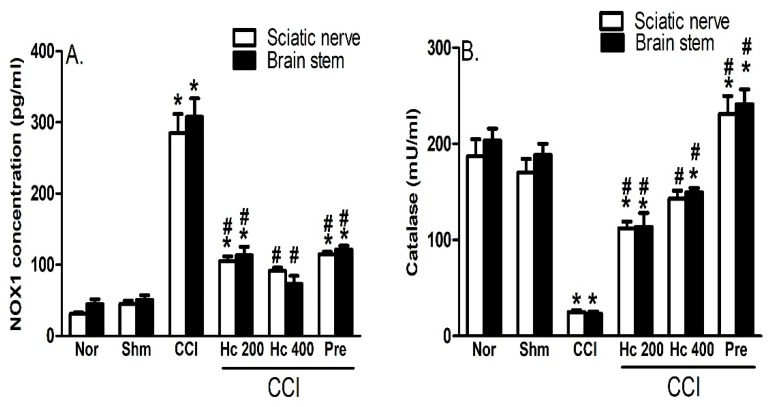
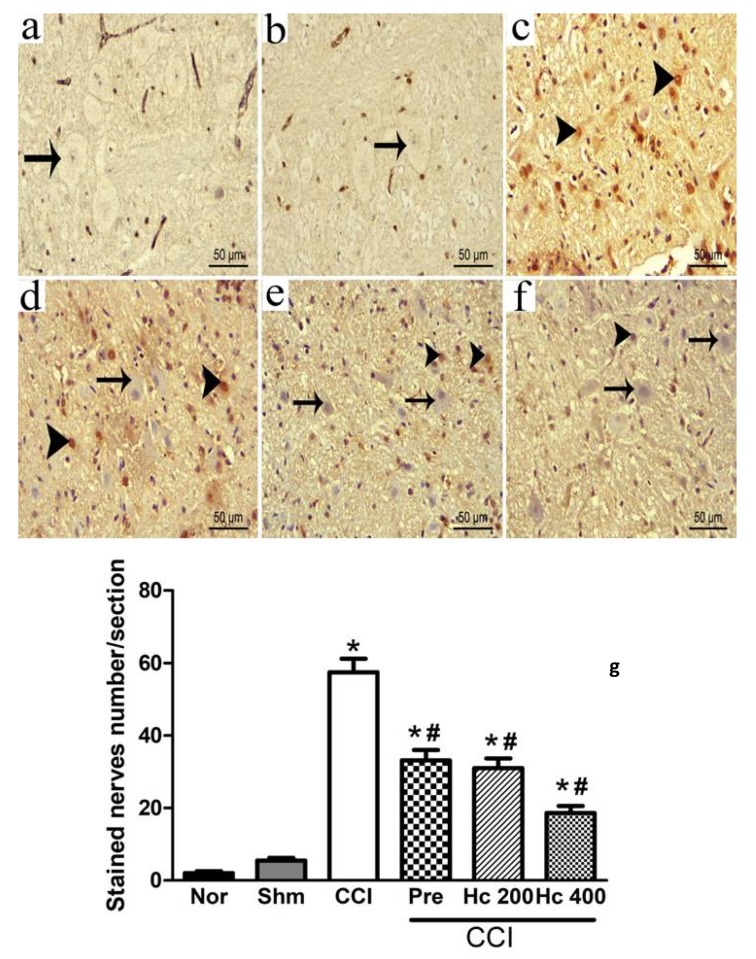
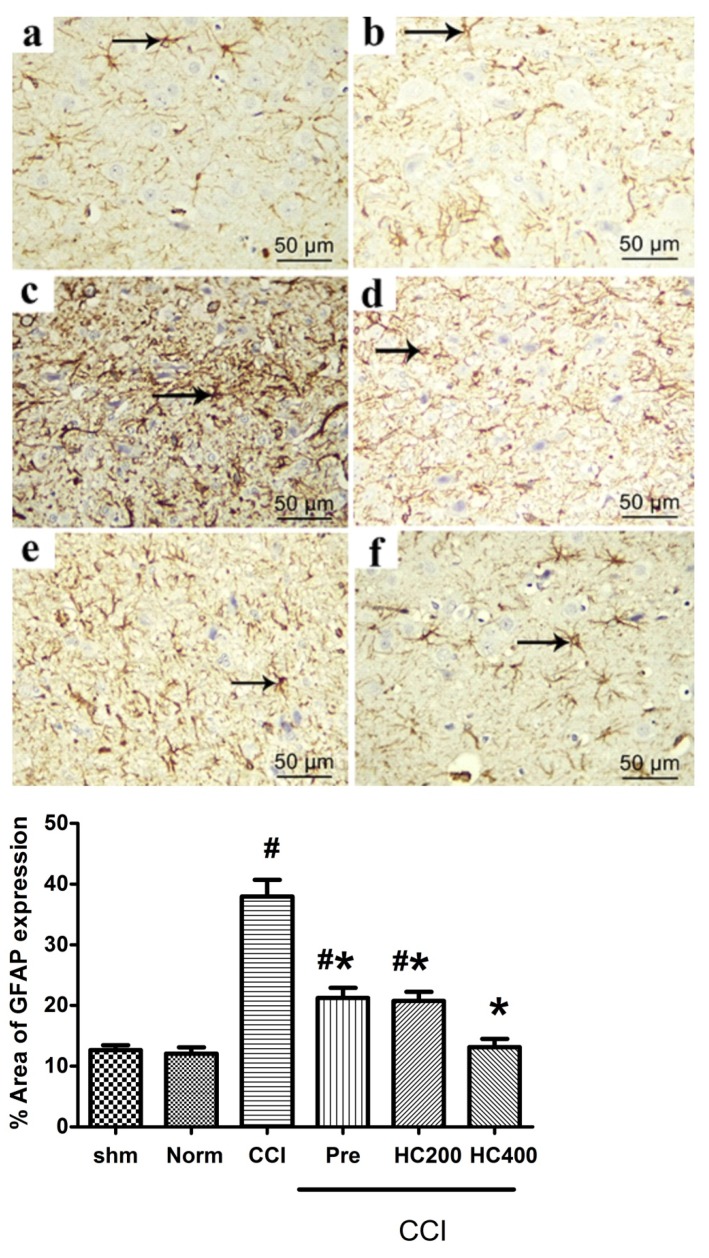
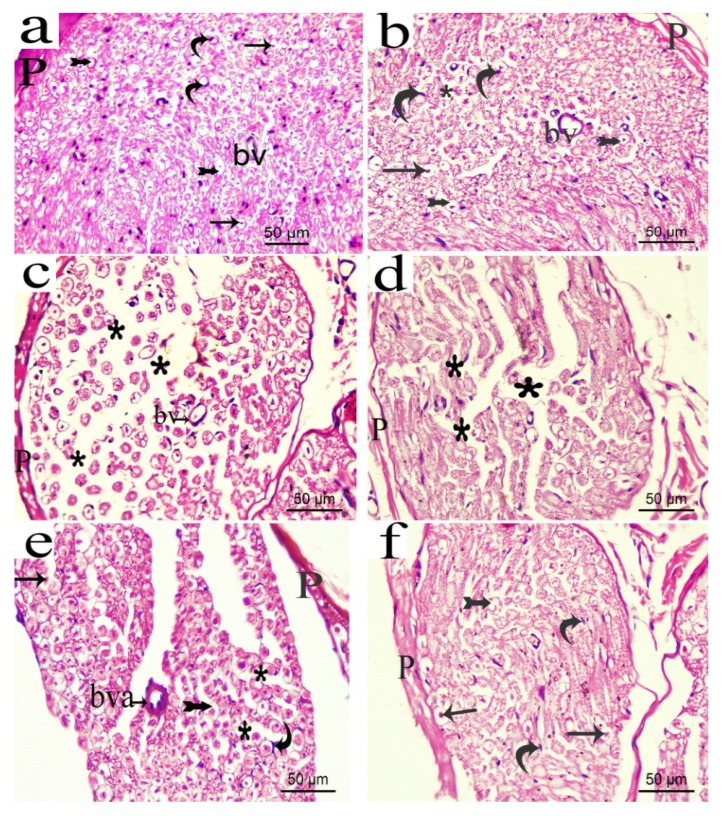
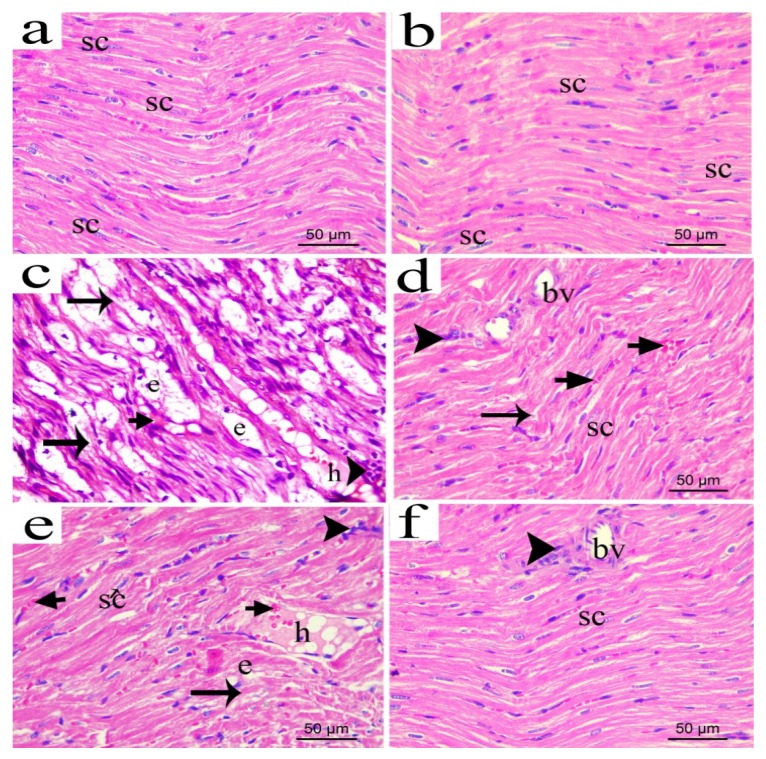
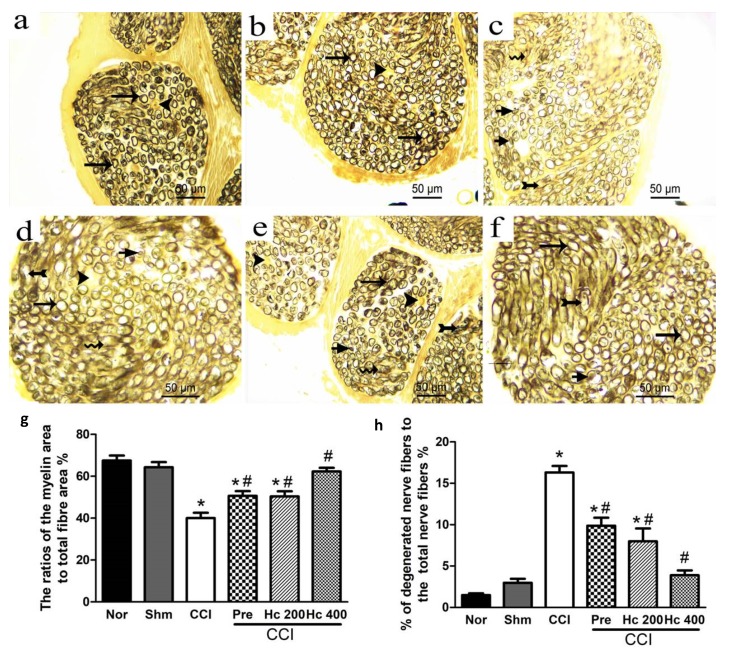
In this study, the phytochemical composition and the possible prophylactic effects of an aqueous ethanol extract of flowers (HCF) on peripheral neuropathic pain in a chronic constriction injury (CCI) rat model are investigated. Rats with induced CCI were subjected to neuropathic pain behaviour tests and evaluated by chemical, thermal, and mechanical sensation tests and functional recovery of the brain stem and sciatic nerve at 7- and 14-day intervals. The effect of the extract on acute pain and inflammation is also investigated. The extract exerted both peripheral and central analgesic and anti-inflammatory properties in addition to antipyretic effects that are clear from targeting COX, LOX and PGE. It was found that CCI produced significant thermal and mechanical hyperalgesia, cold allodynia and deleterious structural changes in both sciatic nerve and brain stem. Treatments with HCF extract significantly improved cold and thermal withdrawal latency, mechanical sensibility and ameliorated deleterious changes of sciatic nerve and brain stem at different dose levels. The extract also ameliorated oxidative stress and inflammatory markers in brain stem and sciatic nerve. It suppressed the apoptotic marker, p53, and restored myelin sheath integrity. The effects of HCF extract were more potent than pregabalin. Fifteen secondary metabolites, mainly gallotannins and flavonoids, were characterized in the extract based on their retention times and MS/MS data. The identified phenolic constituents from the extract could be promising candidates to treat neuropathic pain due to their diverse biological activities, including antioxidant, anti-inflammatory and neuroprotective properties.
在这项研究中,研究了花朵的水乙醇提取物(HCF)对慢性缩窄性损伤(CCI)大鼠模型周围神经性疼痛的植物化学成分和可能的预防作用。诱导 CCI 的大鼠接受神经性疼痛行为测试,并通过化学、热和机械感觉测试以及脑干和坐骨神经的功能恢复在 7 天和 14 天间隔进行评估。还研究了提取物对急性疼痛和炎症的影响。提取物除了具有退热作用外,还具有外周和中枢镇痛和抗炎作用,这清楚地表明其针对 COX、LOX 和 PGE。研究发现,CCI 导致热和机械性痛觉过敏、冷感觉过敏和坐骨神经和脑干的有害结构变化。HCF 提取物的治疗显著提高了冷和热撤退潜伏期、机械感觉,并在不同剂量水平上改善了坐骨神经和脑干的有害变化。提取物还改善了脑干和坐骨神经中的氧化应激和炎症标志物。它抑制了凋亡标志物 p53,并恢复了髓鞘完整性。HCF 提取物的作用比普瑞巴林更有效。根据保留时间和 MS/MS 数据,从提取物中鉴定出 15 种次要代谢物,主要是没食子鞣质和类黄酮。提取物中的鉴定酚类成分由于其多种生物活性,包括抗氧化、抗炎和神经保护特性,可能是治疗神经性疼痛的有希望的候选物。