Wellcome Centre for Integrative Neuroimaging (WIN FMRIB), University of Oxford, Oxford, United Kingdom.
Department of Statistics and Actuarial Science, Simon Fraser University, Vancouver, Canada.
Elife. 2020 Mar 5;9:e52677. doi: 10.7554/eLife.52677.
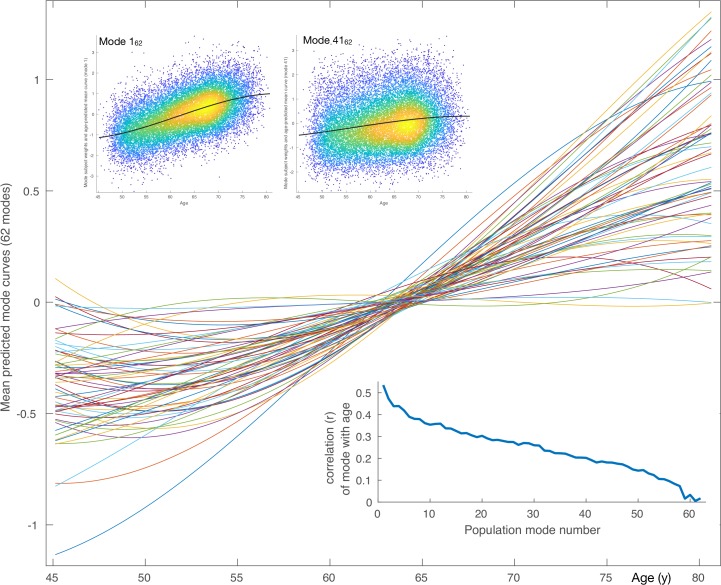
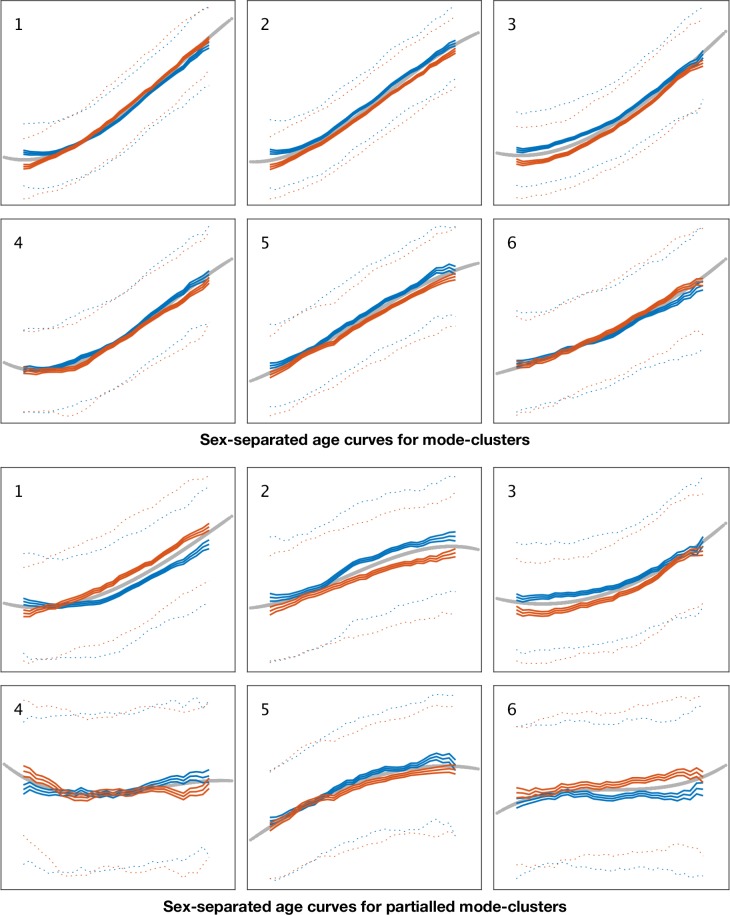
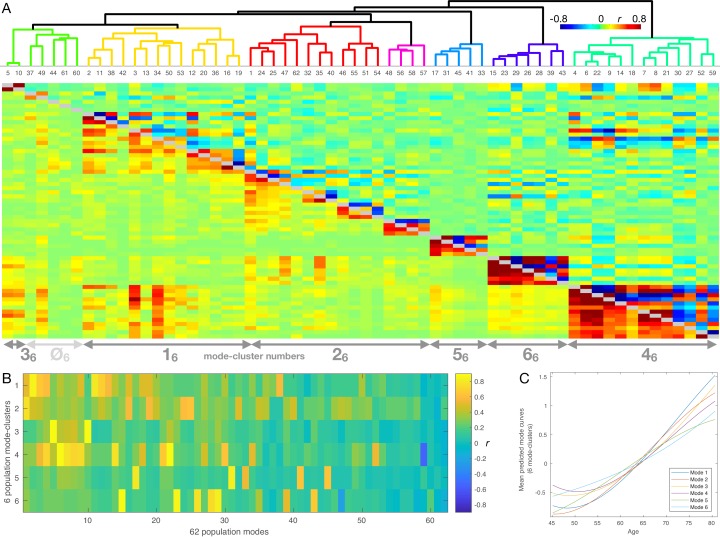
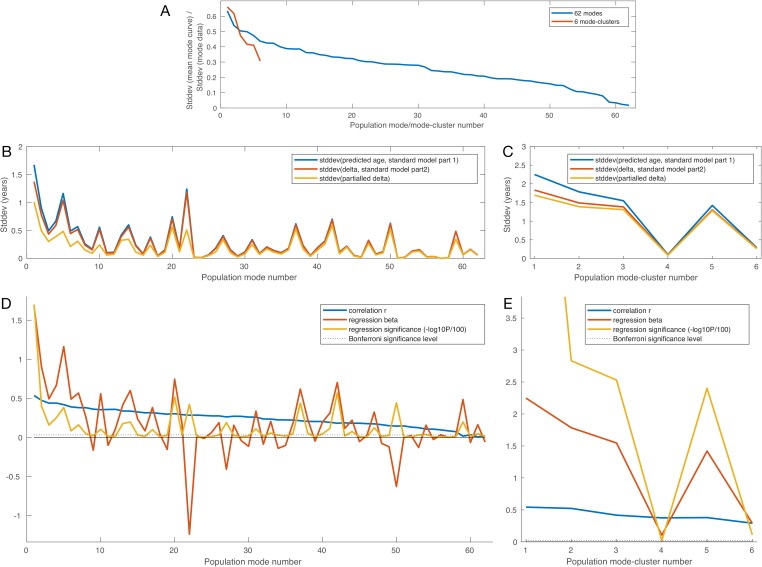
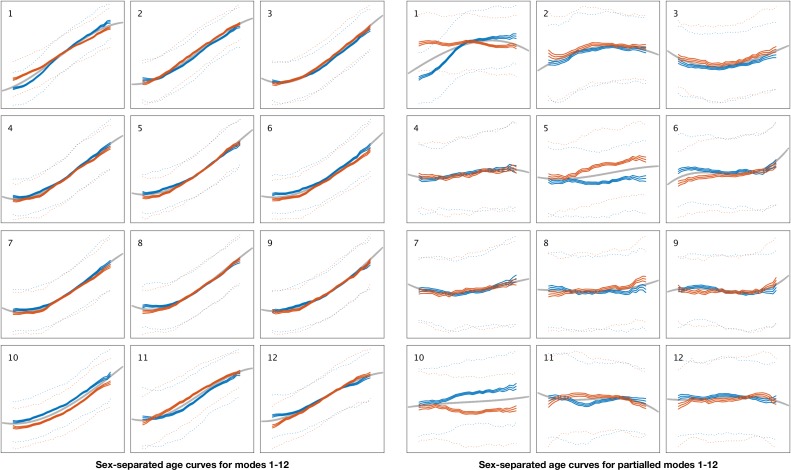
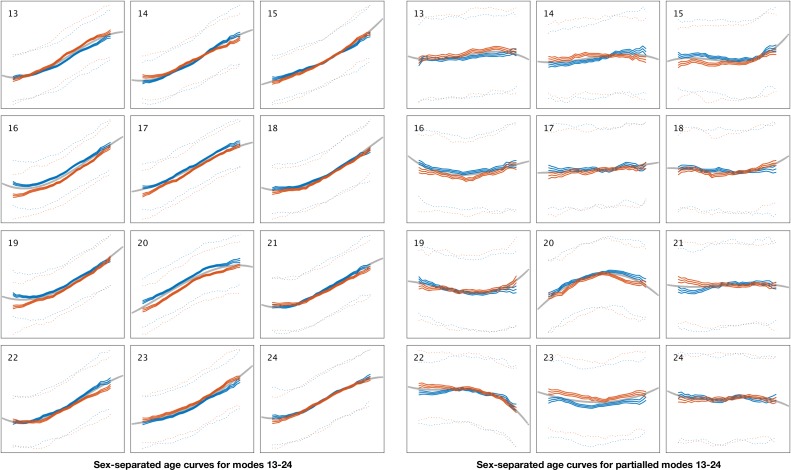
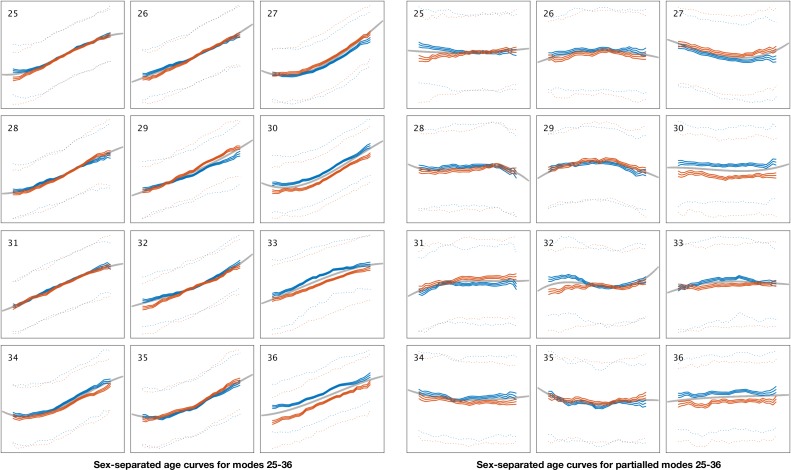
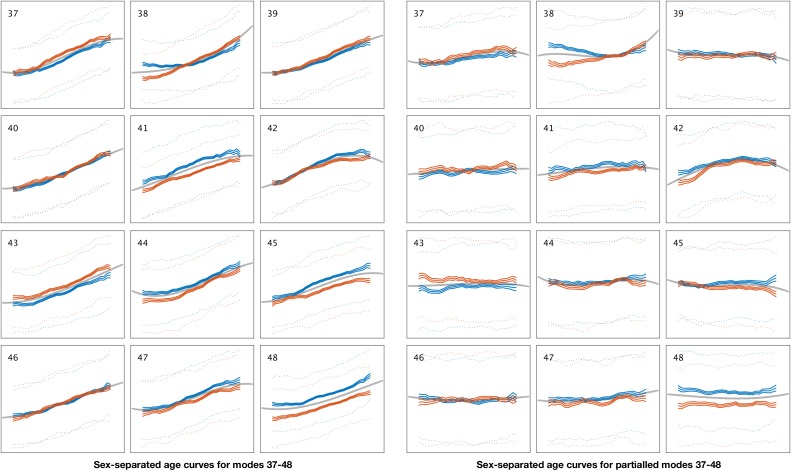
Brain imaging can be used to study how individuals' brains are aging, compared against population norms. This can inform on aspects of brain health; for example, smoking and blood pressure can be seen to accelerate brain aging. Typically, a single 'brain age' is estimated per subject, whereas here we identified 62 modes of subject variability, from 21,407 subjects' multimodal brain imaging data in UK Biobank. The modes represent different aspects of brain aging, showing distinct patterns of functional and structural brain change, and distinct patterns of association with genetics, lifestyle, cognition, physical measures and disease. While conventional brain-age modelling found no genetic associations, 34 modes had genetic associations. We suggest that it is important not to treat brain aging as a single homogeneous process, and that modelling of distinct patterns of structural and functional change will reveal more biologically meaningful markers of brain aging in health and disease.
脑成像可用于研究个体大脑的衰老过程,并与人群标准进行比较。这可以反映出大脑健康的各个方面;例如,吸烟和血压等因素会加速大脑衰老。通常,每个被试者只估计一个“大脑年龄”,而在这里,我们从英国生物银行的 21407 名被试者的多模态脑成像数据中识别出了 62 种被试者变异性模式。这些模式代表了大脑衰老的不同方面,显示出不同的功能和结构脑变化模式,以及与遗传学、生活方式、认知、身体测量和疾病的不同关联模式。虽然传统的大脑年龄建模没有发现遗传相关性,但 34 种模式具有遗传相关性。我们认为,重要的是不要将大脑衰老视为一个单一的同质过程,并且对不同的结构和功能变化模式进行建模将揭示更有生物学意义的健康和疾病中大脑衰老的标志物。