Department of Oral and Maxillofacial Surgery Faculty of Dentistry, Recep Tayyip Erdoğan University Rize, Turkey
Med Oral Patol Oral Cir Bucal. 2020 Jul 1;25(4):e495-e501. doi: 10.4317/medoral.23501.
Although magnetic resonance imaging (MRI) helps to clearly visualize the disorders in temporomandibular joint (TMJ), the relationship between cross-sectional and clinical findings has not been precisely established. The aim of this study was to evaluate the relationship between clinical symptoms and MRI findings in individuals with TMJ pain.
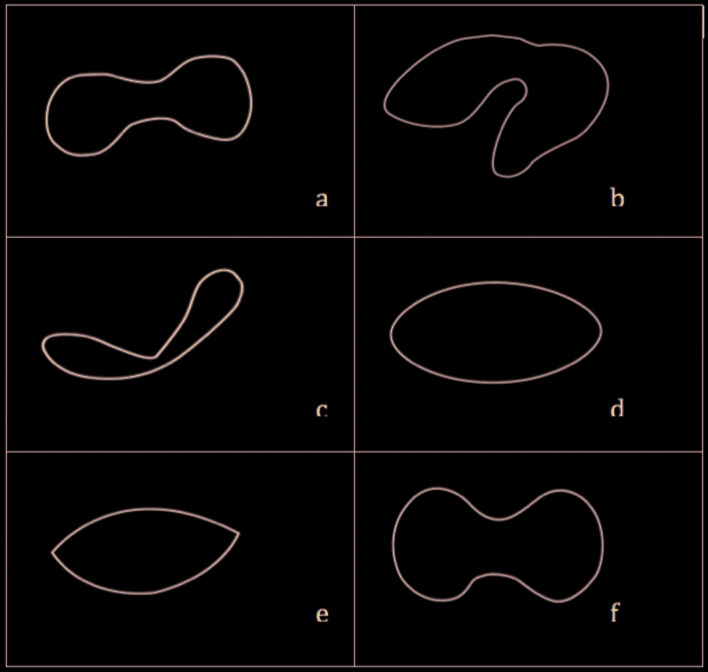
This cross-sectional study, conducted on the clinical and MRI findings of the patients, who applied to Uşak University, Oral and Maxillofacial Surgery Clinic with TMJ pain between the years 2016-2019. The primary predictor variables were MRI findings; disc position (normal, disc displacement with reduction (DDWR), disc displacement without reduction (DDWOR)), disc structural distortion (normal, folded, lengthened, round, biconvex, thick), condyle degeneration type (normal, moderate, severe) and joint effusion (JE) (absent, present). The primary outcome variable was pain, recorded on a visual analog scale (VAS) (numbered between 0-10). The other variables were demographic variables (age/gender). The relationship between clinical and MRI findings were statistically evaluated. The data were analysed by Kruskal Wallis and Mann Whitney U test. Chi-square (x2) test was used for categorical variable comparisons. P values < .05 were considered to indicate statistical significance.
Clinical and MRI records of 700 TMJ, from 350 patients with the mean age of the 31 (12-65) were evaluated in this study. Statistically significant differences were found between; disc position and pain, disc position and JE; JE and pain; disc structural distortion and pain; and disc structural distortion and disc position. JE was seen more common in DDWOR group. The most common disc distortion, seen in patients with JE, is the folded type.
The present study can infer that pain is associated with disc position, JE, disc structural distortion, and DDWOR is associated with JE. Folded type disc is the most common disc type in TMJ with JE.
尽管磁共振成像(MRI)有助于清晰地观察颞下颌关节(TMJ)的病变,但横断面和临床发现之间的关系尚未精确确定。本研究旨在评估 TMJ 疼痛患者的临床症状与 MRI 发现之间的关系。
这是一项横断面研究,对 2016 年至 2019 年期间因 TMJ 疼痛到乌沙克大学口腔颌面外科诊所就诊的患者的临床和 MRI 检查结果进行了研究。主要预测变量是 MRI 结果;盘位置(正常、盘移位伴复位(DDWR)、盘移位无复位(DDWOR))、盘结构变形(正常、折叠、延长、圆形、双凸、增厚)、髁突退变类型(正常、中度、重度)和关节积液(JE)(无、有)。主要结局变量是疼痛,用视觉模拟评分(VAS)记录(编号为 0-10)。其他变量为人口统计学变量(年龄/性别)。对临床和 MRI 结果之间的关系进行了统计学评估。数据通过 Kruskal Wallis 和 Mann Whitney U 检验进行分析。卡方(x2)检验用于分类变量比较。P 值<.05 表示具有统计学意义。
本研究共评估了 350 名患者的 700 个 TMJ 的临床和 MRI 记录,平均年龄为 31 岁(12-65 岁)。盘位置与疼痛、盘位置与 JE、JE 与疼痛、盘结构变形与疼痛以及盘结构变形与盘位置之间存在统计学显著差异。DDWOR 组中 JE 更为常见。在有 JE 的患者中,最常见的盘变形是折叠型。
本研究可以推断出疼痛与盘位置、JE、盘结构变形有关,DDWOR 与 JE 有关。在有 JE 的 TMJ 中,最常见的盘类型是折叠型。