ToxStrategies, Inc, Asheville, NC, USA.
ToxStrategies, Inc, Katy, TX, USA.
Toxicol Pathol. 2020 Apr;48(3):494-508. doi: 10.1177/0192623320905803. Epub 2020 Mar 6.
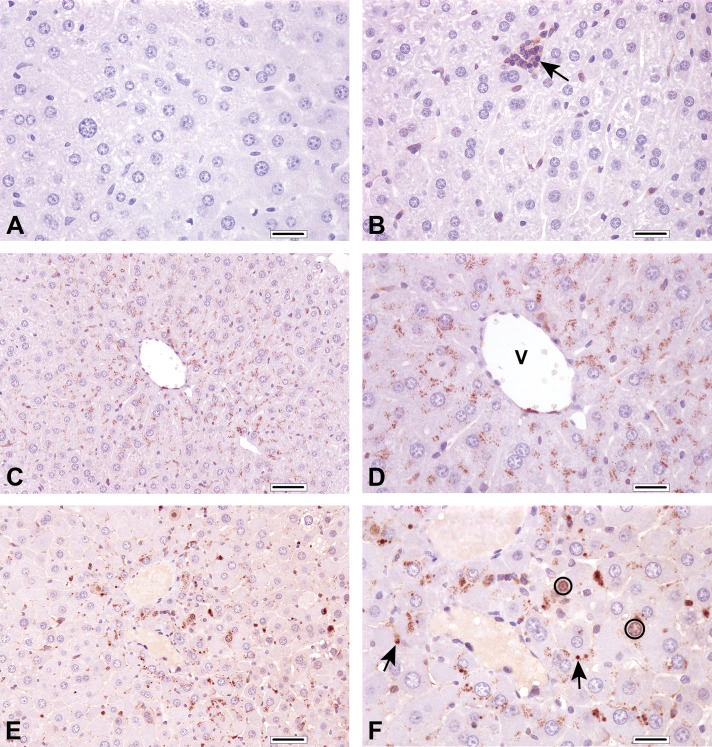
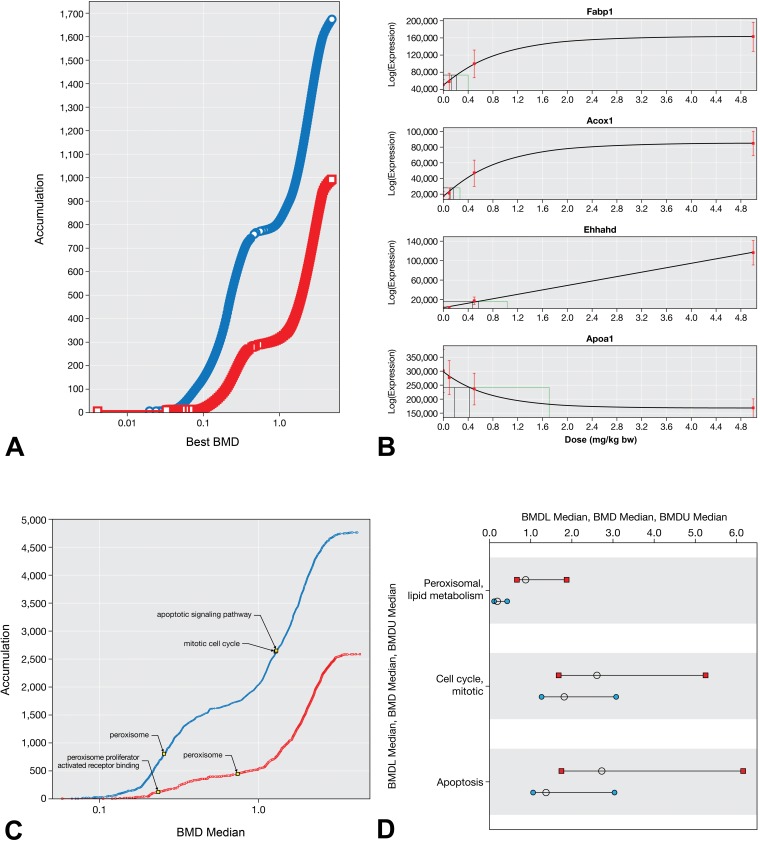
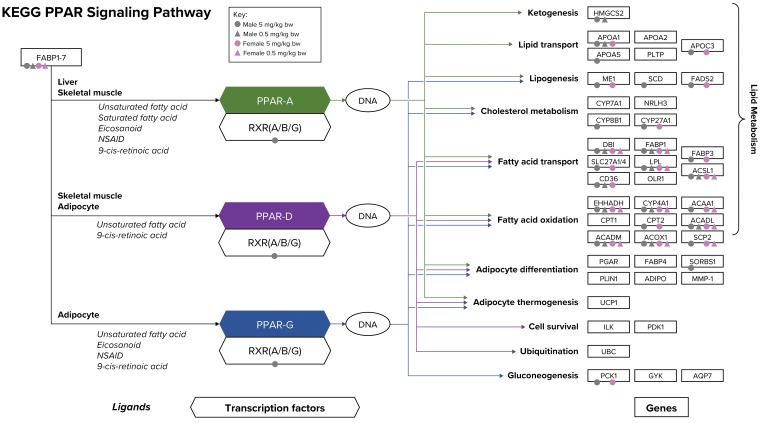
GenX is an alternative to environmentally persistent long-chain perfluoroalkyl and polyfluoroalkyl substances. Mice exposed to GenX exhibit liver hypertrophy, elevated peroxisomal enzyme activity, and other apical endpoints consistent with peroxisome proliferators. To investigate the potential role of peroxisome proliferator-activated receptor alpha (PPARα) activation in mice, and other molecular signals potentially related to observed liver changes, RNA sequencing was conducted on paraffin-embedded liver sections from a 90-day subchronic toxicity study of GenX conducted in mice. Differentially expressed genes were identified for each treatment group, and gene set enrichment analysis was conducted using gene sets that represent biological processes and known canonical pathways. Peroxisome signaling and fatty acid metabolism were among the most significantly enriched gene sets in both sexes at 0.5 and 5 mg/kg GenX; no pathways were enriched at 0.1 mg/kg. Gene sets specific to the PPARα subtype were significantly enriched. These findings were phenotypically anchored to histopathological changes in the same tissue blocks: hypertrophy, mitoses, and apoptosis. In vitro PPARα transactivation assays indicated that GenX activates mouse PPARα. These results indicate that the liver changes observed in GenX-treated mice occur via a mode of action (MOA) involving PPARα, an important finding for human health risk assessment as this MOA has limited relevance to humans.
GenX 是一种替代环境持久性长链全氟烷基和多氟烷基物质的物质。暴露于 GenX 的小鼠表现出肝脏肥大、过氧化物酶体酶活性升高和其他与过氧化物酶体增殖物一致的顶端终点。为了研究过氧化物酶体增殖物激活受体 α (PPARα) 激活在小鼠中的潜在作用,以及与观察到的肝脏变化相关的其他分子信号,对在小鼠中进行的为期 90 天的 GenX 亚慢性毒性研究中石蜡包埋的肝脏切片进行了 RNA 测序。为每个处理组鉴定了差异表达基因,并使用代表生物学过程和已知经典途径的基因集进行了基因集富集分析。在 0.5 和 5 mg/kg GenX 时,过氧化物酶体信号和脂肪酸代谢是两性中最显著富集的基因集;在 0.1 mg/kg 时没有途径富集。特定于 PPARα 亚型的基因集显著富集。这些发现与同一组织块中的组织病理学变化相关联:肥大、有丝分裂和细胞凋亡。体外 PPARα 转录激活测定表明 GenX 激活了小鼠 PPARα。这些结果表明,在 GenX 处理的小鼠中观察到的肝脏变化是通过一种涉及 PPARα 的作用机制 (MOA) 发生的,这对于人类健康风险评估是一个重要的发现,因为这种 MOA 与人类相关性有限。