Far Eastern Group, Taipei, Taiwan.
Department of Electrical Engineering, Yuan Ze University, Taoyuan City, Taiwan.
Sci Rep. 2020 Mar 5;10(1):4153. doi: 10.1038/s41598-020-61151-7.
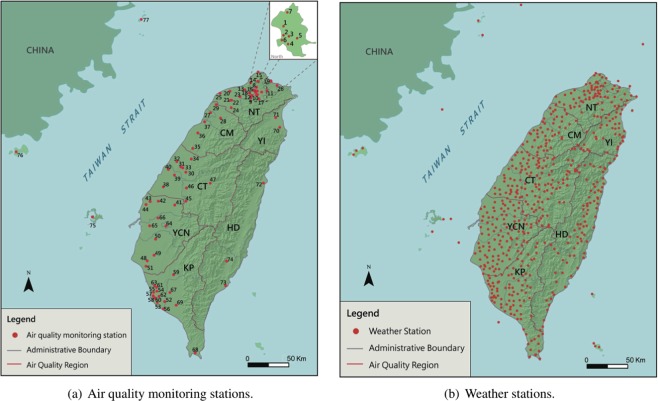
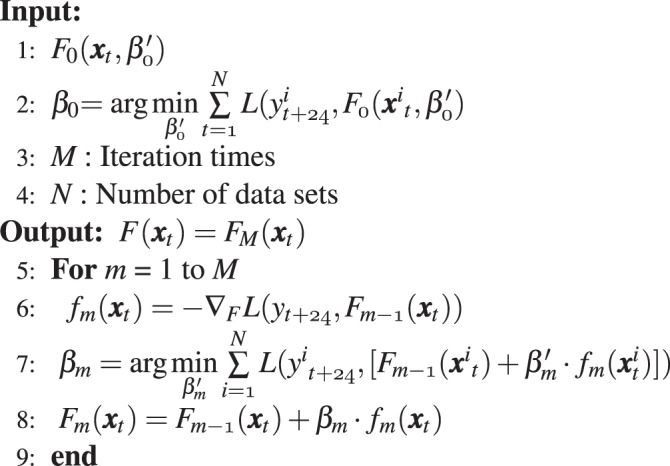
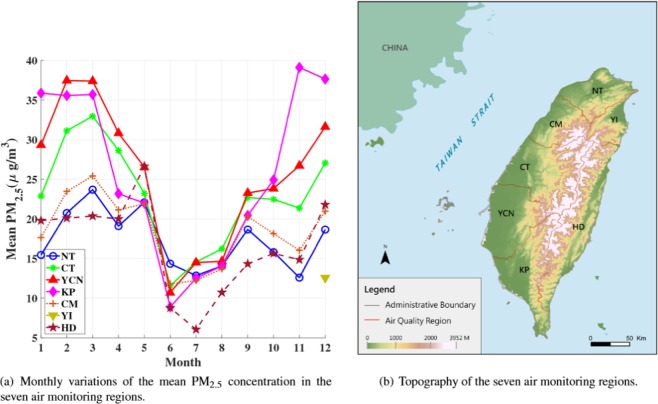
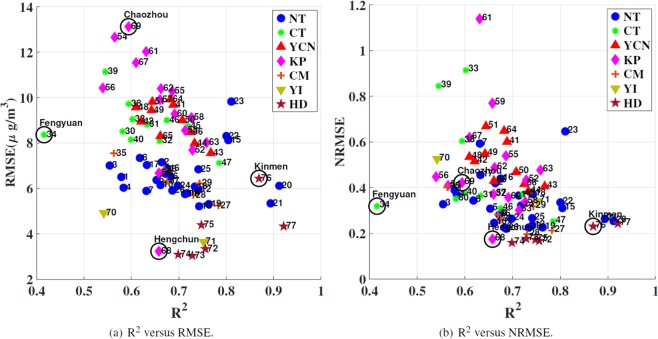
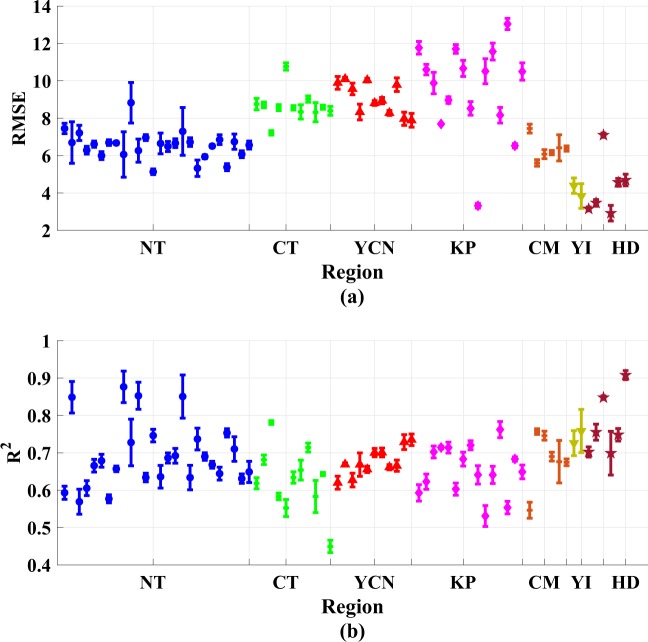
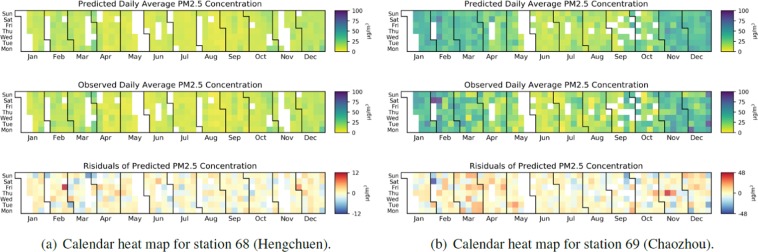
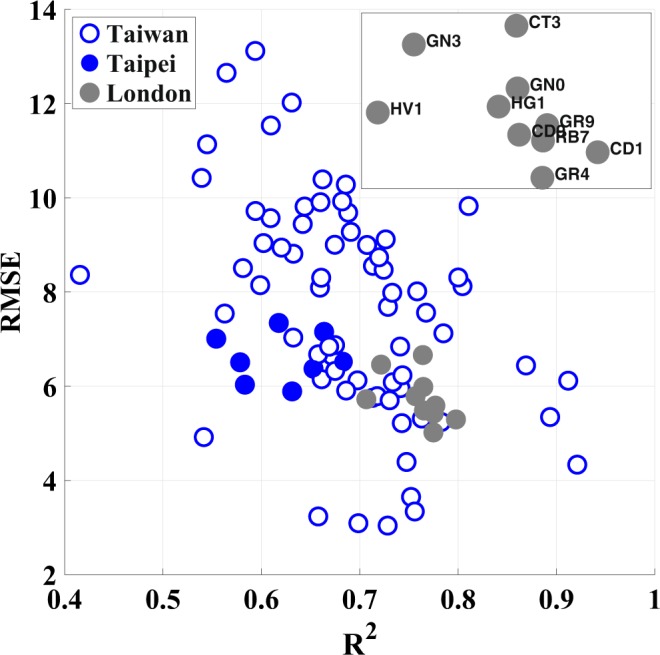
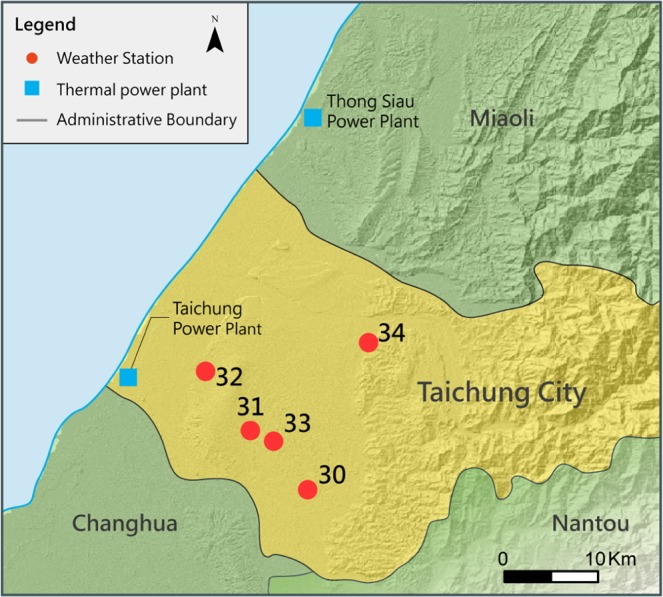
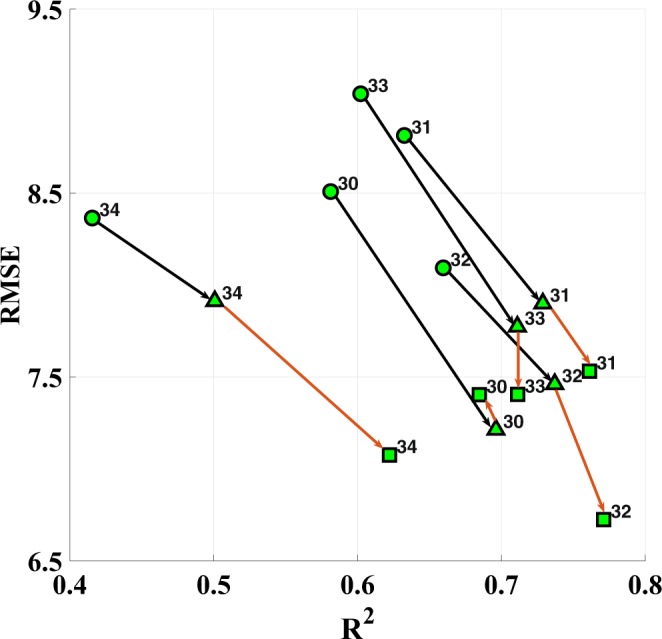
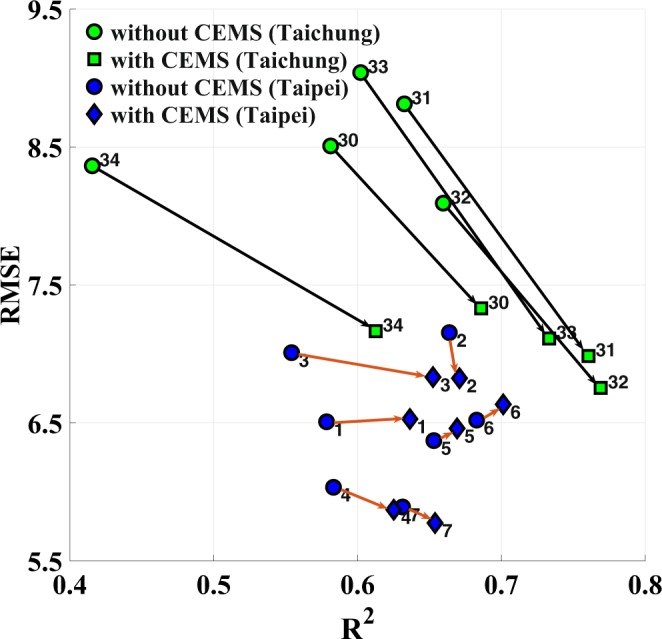
This study proposes a gradient-boosting-based machine learning approach for predicting the PM concentration in Taiwan. The proposed mechanism is evaluated on a large-scale database built by the Environmental Protection Administration, and Central Weather Bureau, Taiwan, which includes data from 77 air monitoring stations and 580 weather stations performing hourly measurements over 1 year. By learning from past records of PM and neighboring weather stations' climatic information, the forecasting model works well for 24-h prediction at most air stations. This study also investigates the geographical and meteorological divergence for the forecasting results of seven regional monitoring areas. We also compare the prediction performance between Taiwan, Taipei, and London; analyze the impact of industrial pollution; and propose an enhanced version of the prediction model to improve the prediction accuracy. The results indicate that Taipei and London have similar prediction results because these two cities have similar topography (basin) and are financial centers without domestic pollution sources. The results also suggest that after considering industrial impacts by incorporating additional features from the Taichung and Thong-Siau power plants, the proposed method achieves significant improvement in the coefficient of determination (R) from 0.58 to 0.71. Moreover, for Taichung City the root-mean-square error decreases from 8.56 for the conventional approach to 7.06 for the proposed method.
本研究提出了一种基于梯度提升的机器学习方法,用于预测台湾的 PM 浓度。该方法在由台湾环保署和中央气象局建立的大型数据库上进行了评估,该数据库包括来自 77 个空气质量监测站和 580 个气象站的数据,这些站点每小时进行一次测量,持续了一年。通过学习过去 PM 和附近气象站气候信息的记录,该预测模型可以很好地对大多数空气站进行 24 小时预测。本研究还调查了七个区域监测区域的预测结果的地理和气象差异。我们还比较了台湾、台北和伦敦的预测性能;分析了工业污染的影响;并提出了预测模型的增强版本,以提高预测精度。结果表明,由于台北和伦敦的地形(盆地)相似,且均为没有国内污染源的金融中心,因此这两个城市的预测结果相似。结果还表明,在考虑到台中与通霄电厂的工业影响并整合更多来自这两个电厂的特征后,所提出的方法在决定系数(R)上有显著提高,从 0.58 提高到 0.71。此外,对于台中,常规方法的均方根误差为 8.56,而所提出的方法的均方根误差为 7.06。