Department of Surgery, Daejeon St. Mary's Hospital, College of Medicine, the Catholic University of Korea, Daejeon 34943, Korea.
Catholic Central Laboratory of Surgery, Institute of Biomedical Industry, College of Medicine, The Catholic University of Korea, Seoul 06591, Korea.
Int J Mol Sci. 2020 Mar 4;21(5):1759. doi: 10.3390/ijms21051759.
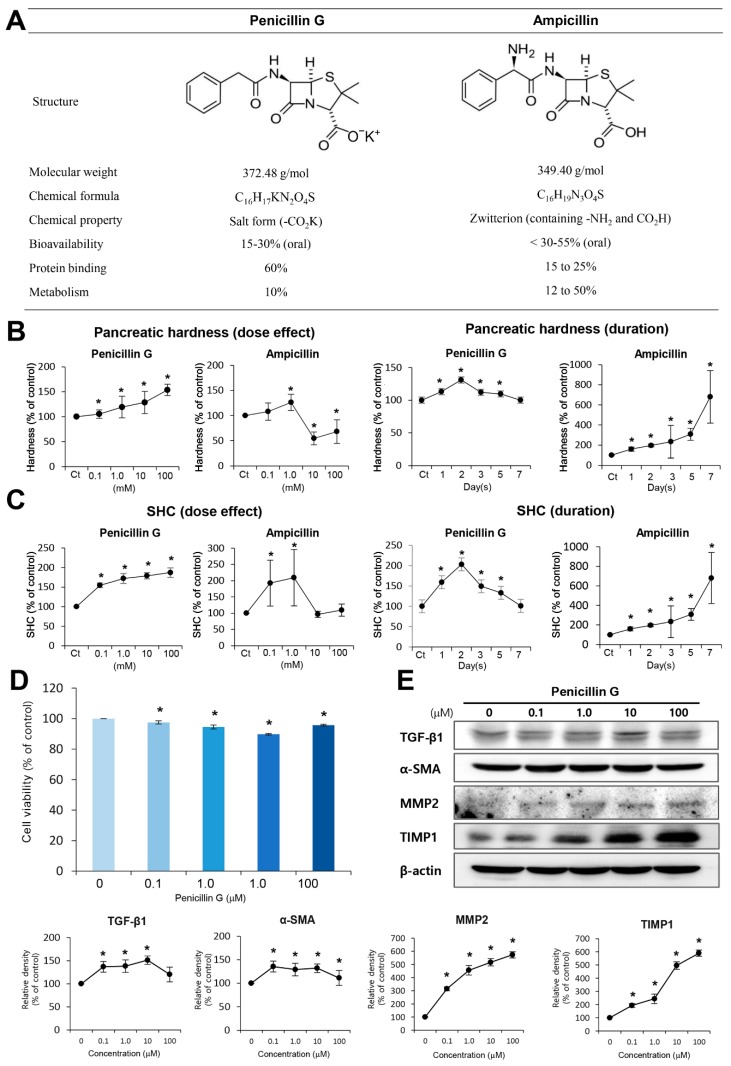
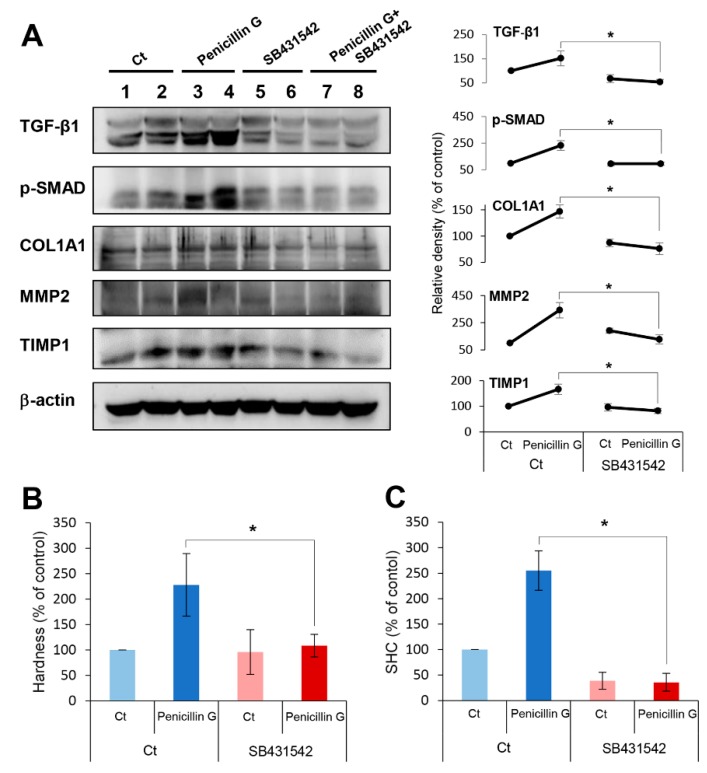
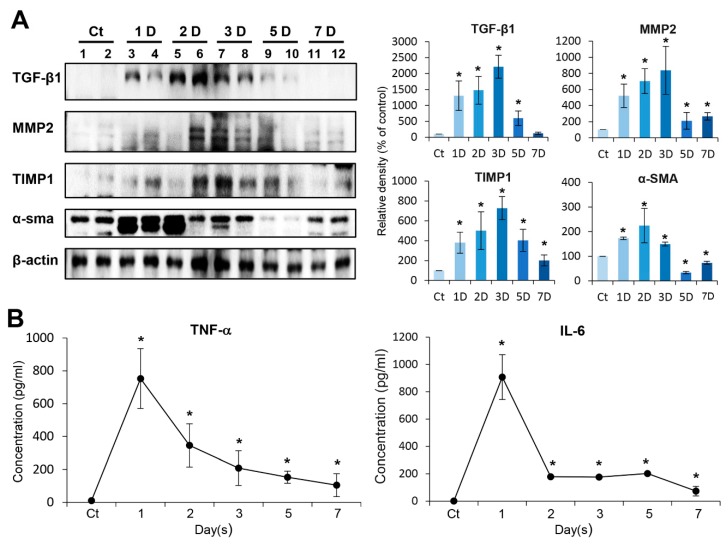
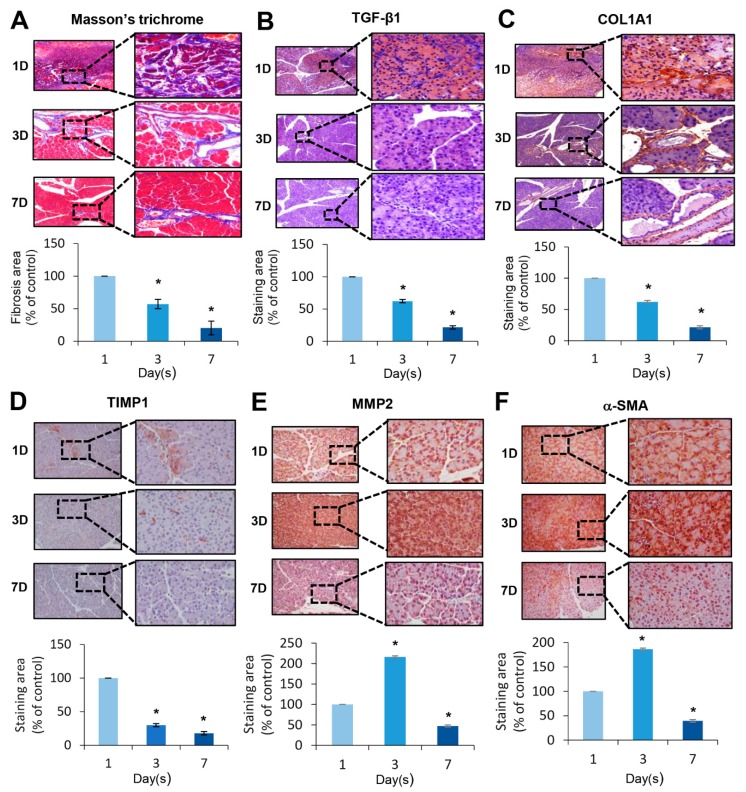
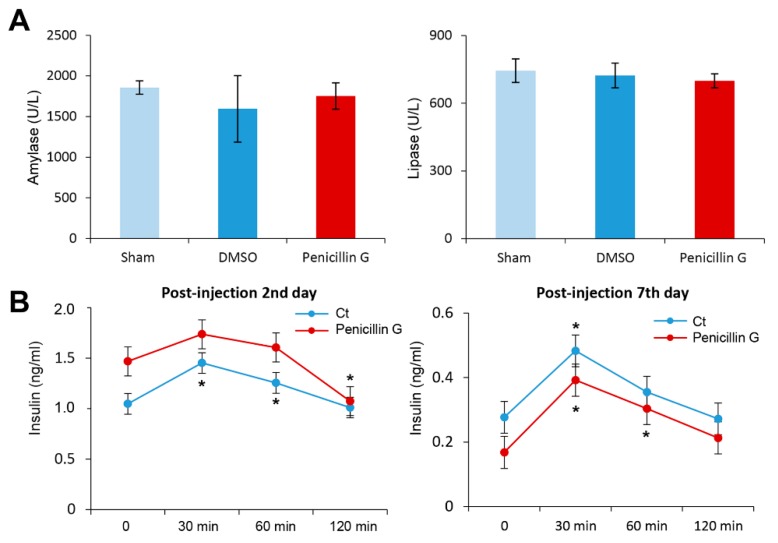
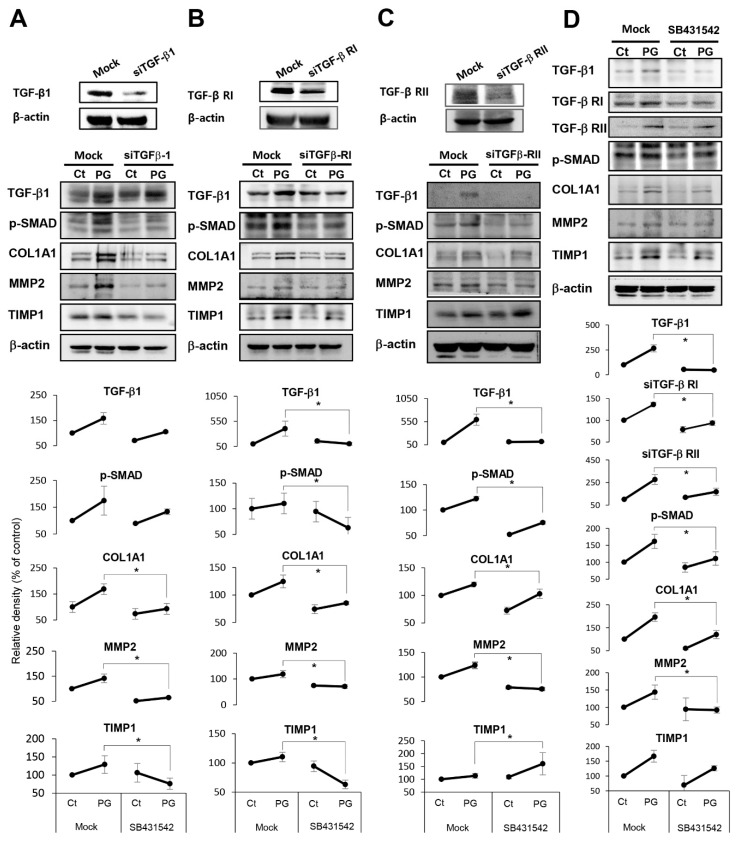
This paper aims to validate if intrapancreatic injection of penicillin G can enhance hardness and suture holding capacity (SHC) of the pancreas through prompting the fibrosis process. Soft pancreatic texture is constantly mentioned as one of the most contributory predictors of postoperative pancreatic fistula (POPF). Soft pancreas has poor SHC and higher incidence of parenchymal tearing, frequently leading to POPF. From a library of 114 antibiotic compounds, we identified that penicillin G substantially enhanced pancreatic hardness and SHC in experimental mice. Specifically, we injected penicillin G directly into the pancreas. On determined dates, we measured the pancreatic hardness and SHC, respectively, and performed molecular and histological examinations for estimation of the degree of fibrosis. The intrapancreatic injection of penicillin G activated human pancreatic stellate cells (HPSCs) to produce various fibrotic materials such as transforming growth factor-β1 (TGF-β1) and metalloproteinases-2. The pancreatic hardness and SHC were increased to the maximum at the second day after injection and then it gradually subsided demonstrating its reversibility. Pretreatment of mice with SB431542, an inhibitor of the TGF-β1 receptor, before injecting penicillin G intrapancreatically, significantly abrogated the increase of both pancreatic hardness and SHC caused by penicillin G. This suggested that penicillin G promotes pancreatic fibrosis through the TGF-β1 signaling pathway. Intrapancreatic injection of penicillin G promotes pancreatic hardness and SHC by enhancing pancreatic fibrosis. We thus think that penicillin G could be utilized to prevent and minimize POPF, after validating its actual effectiveness and safety by further studies.
这篇论文旨在验证通过刺激纤维化过程,向胰腺内注射青霉素 G 是否可以提高胰腺的硬度和缝合保持能力 (SHC)。胰腺质地柔软一直被认为是术后胰瘘 (POPF) 的最主要预测因素之一。柔软的胰腺 SHC 较差,胰腺实质撕裂的发生率较高,这常常导致 POPF。我们从 114 种抗生素化合物库中鉴定出青霉素 G 可显著增强实验小鼠的胰腺硬度和 SHC。具体来说,我们将青霉素 G 直接注射到胰腺中。在确定的日期,我们分别测量胰腺硬度和 SHC,并进行分子和组织学检查以估计纤维化程度。向胰腺内注射青霉素 G 激活了人胰腺星状细胞 (HPSC),产生了各种纤维化物质,如转化生长因子-β1 (TGF-β1) 和金属蛋白酶-2。胰腺硬度和 SHC 在注射后第二天增加到最大值,然后逐渐下降,表明其具有可逆性。在向胰腺内注射青霉素 G 之前,用 TGF-β1 受体抑制剂 SB431542 预处理小鼠,可显著抑制青霉素 G 引起的胰腺硬度和 SHC 的增加。这表明青霉素 G 通过 TGF-β1 信号通路促进胰腺纤维化。向胰腺内注射青霉素 G 通过增强胰腺纤维化来提高胰腺硬度和 SHC。因此,我们认为在通过进一步研究验证其实际有效性和安全性后,青霉素 G 可用于预防和最小化 POPF。