da Silva Fernanda C, Magaldi Fernanda M, Sato Helena K, Bevilacqua Estela
Department of Cell and Developmental Biology, Institute of Biomedical Sciences, University of São Paulo, São Paulo, Brazil.
Secretaria do Estado de São Paulo, Epidemiological Surveillance Center, Department of Health, São Paulo, Brazil.
Front Microbiol. 2020 Feb 20;11:245. doi: 10.3389/fmicb.2020.00245. eCollection 2020.
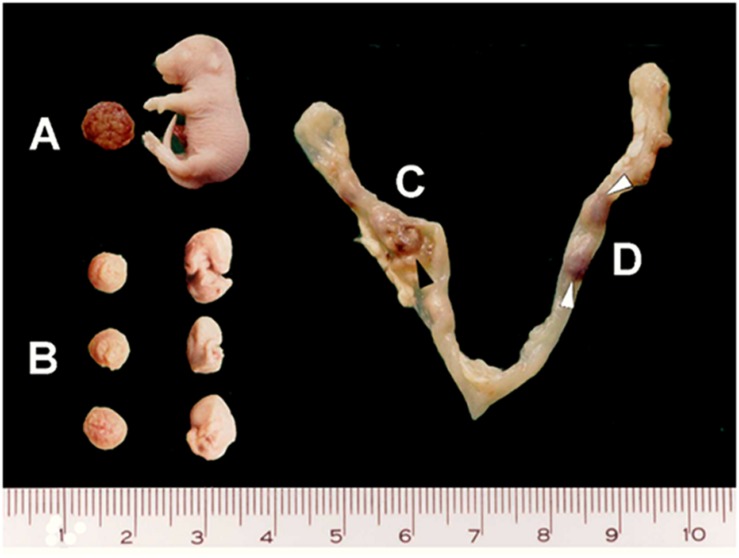
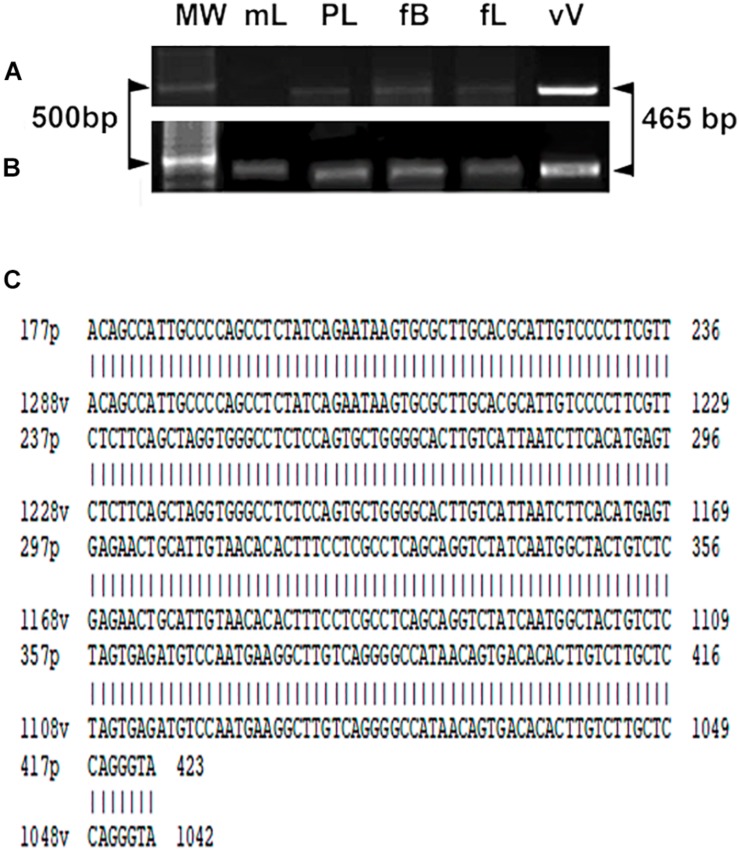
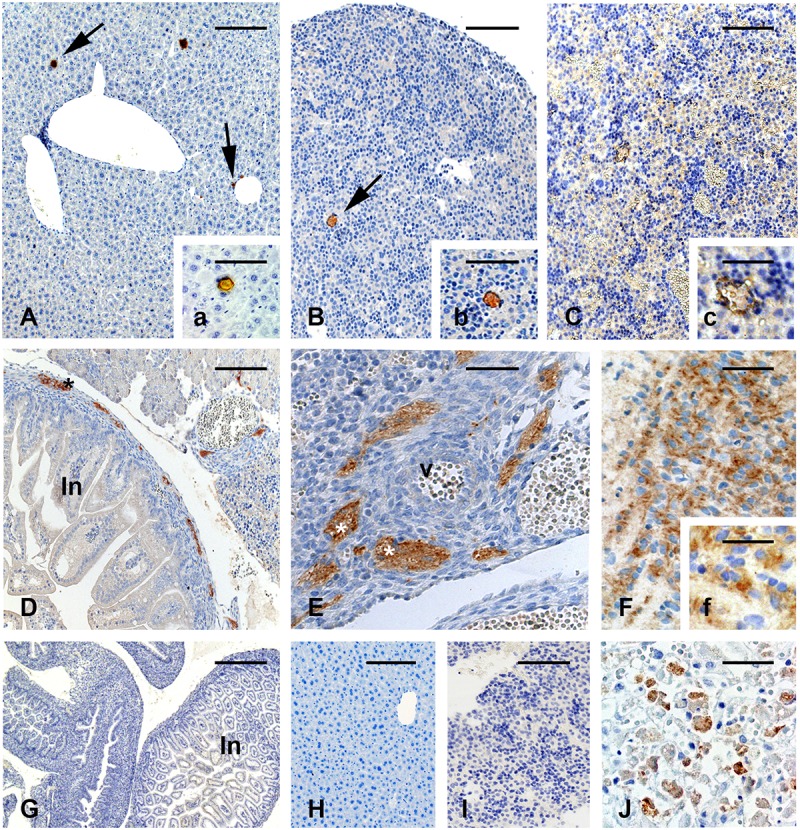
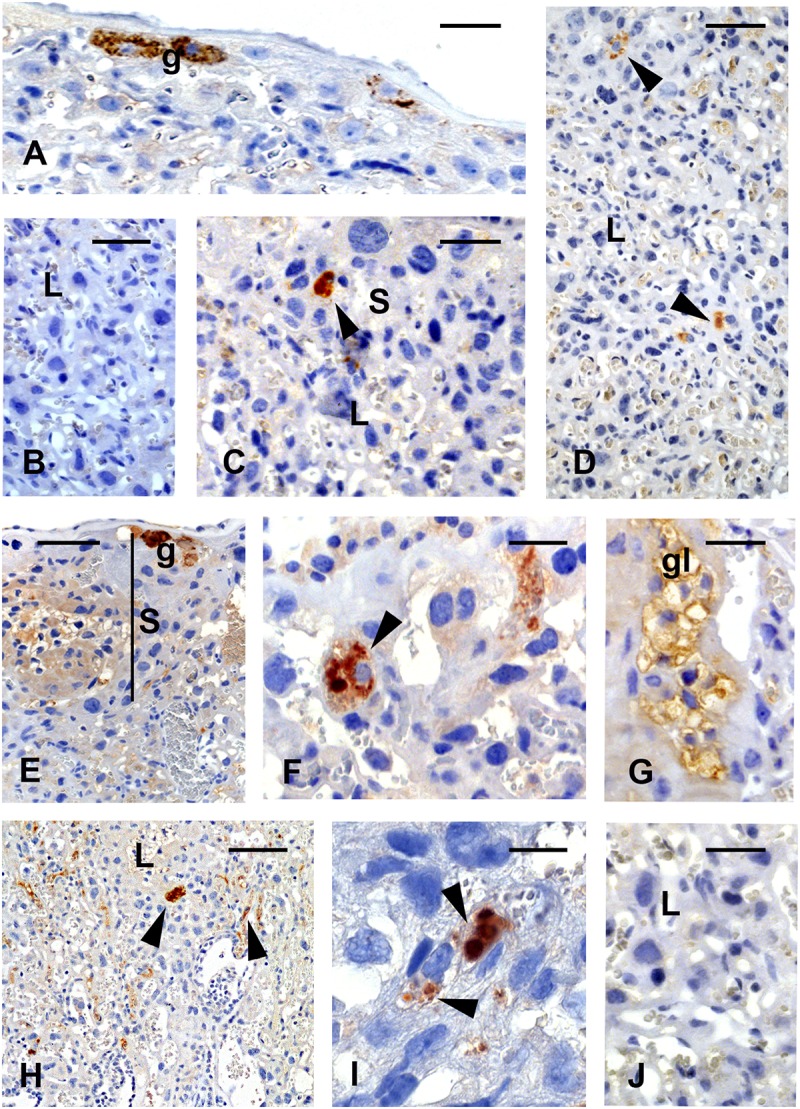
The potential risk of yellow fever (YF) infection in unvaccinated pregnant women has aroused serious concerns. In this study, we evaluated the effect of the YF vaccine during gestation using a mouse model, analyzing placental structure, immunolocalization of the virus antigen, and viral activity at the maternal-fetal barrier and in the maternal liver and fetus. The YF vaccine (17DD) was administered subcutaneously at a dose of 2.0 log PFU to CD-1 mice on gestational days (gd) 0.5, 5.5, and 11.5 ( = 5-10/group). The control group received sterile saline ( = 5-10/group). Maternal liver, implantation sites with fetus, and placentas were collected on gd18.5. The numbers of implantation sites, reabsorbed embryos, and stillborn fetuses were counted, and placentas and live fetuses were weighed. Tissues (placenta, fetuses, and liver) of vaccinated pregnant mice on gd5.5 ( = 15) were paraffin-embedded in 10% buffered-formalin and collected in TRIzol for immunolocalization of YF vaccine virus and PCR, respectively. PCR products were also subjected to automated sequence analysis. Fetal growth restriction ( < 0.0001) and a significant decrease in fetal viability ( < 0.0001) occurred only when the vaccine was administered on gd5.5. In stillbirths, the viral antigen was consistently immunolocalized at the maternal-fetal barrier and in fetal organs, suggesting a transplacental transfer. In stillbirths, RNA of the vaccine virus was also detected by reverse transcriptase-PCR indicating viral activity in the maternal liver and fetal tissues. In conclusion, the findings of this study in the mouse suggest that vaccination did not cause adverse outcomes with respect to fetal development except when administered during the early gestational stage, indicating the mplantation period as a susceptible period in which the YF vaccine virus might interfere with pregnancy.
未接种疫苗的孕妇感染黄热病(YF)的潜在风险引起了严重关注。在本研究中,我们使用小鼠模型评估了妊娠期黄热病疫苗的效果,分析了胎盘结构、病毒抗原的免疫定位以及母胎屏障、母体肝脏和胎儿中的病毒活性。在妊娠第0.5、5.5和11.5天,以2.0 log PFU的剂量对CD-1小鼠皮下注射黄热病疫苗(17DD)(每组 = 5 - 10只)。对照组接受无菌生理盐水(每组 = 5 - 10只)。在妊娠第18.5天收集母体肝脏、带有胎儿的着床部位和胎盘。计算着床部位、吸收胚胎和死产胎儿的数量,并称量胎盘和活胎的重量。对妊娠第5.5天接种疫苗的怀孕小鼠(每组 = 15只)的组织(胎盘、胎儿和肝脏)进行10%缓冲福尔马林石蜡包埋,并分别收集于TRIzol中用于黄热病疫苗病毒的免疫定位和PCR。PCR产物也进行自动序列分析。仅在妊娠第5.5天接种疫苗时才出现胎儿生长受限(< 0.0001)和胎儿存活率显著降低(< 0.0001)。在死产中,病毒抗原始终在母胎屏障和胎儿器官中免疫定位,表明存在经胎盘转移。在死产中还通过逆转录PCR检测到疫苗病毒的RNA,表明在母体肝脏和胎儿组织中有病毒活性。总之,本研究在小鼠中的结果表明,除了在妊娠早期接种外,疫苗接种对胎儿发育未造成不良后果,并表明着床期为黄热病疫苗病毒可能干扰妊娠的易感期。