Soltani Hora, Duxbury Alexandra, Rundle Rachel, Marvin-Dowle Katie
1Maternal and Infant Health, Centre for Health and Social Care Research, Sheffield Hallam University, Sheffield, UK.
2Public Health Nutrition, Food and Nutrition Group, Sheffield Business School, Sheffield Hallam University, Sheffield, UK.
BMC Nutr. 2017 Mar 1;3:19. doi: 10.1186/s40795-017-0137-3. eCollection 2017.
Nutrition is a modifiable factor affecting birth outcomes, particularly in adolescent pregnancies. This study explores diet and supplementation practices, information and advice before, during and after pregnancy from the perspectives of pregnant or new young mothers and healthcare professionals.
Two cross-sectional surveys used online questionnaires for young women who were currently pregnant or who had recently given birth, and health care professionals providing antenatal care. The surveys utilised a combination of question types including free text and multiple choice. Recruitment was conducted via the Tommy's website, online forums for young mothers and professional networks.
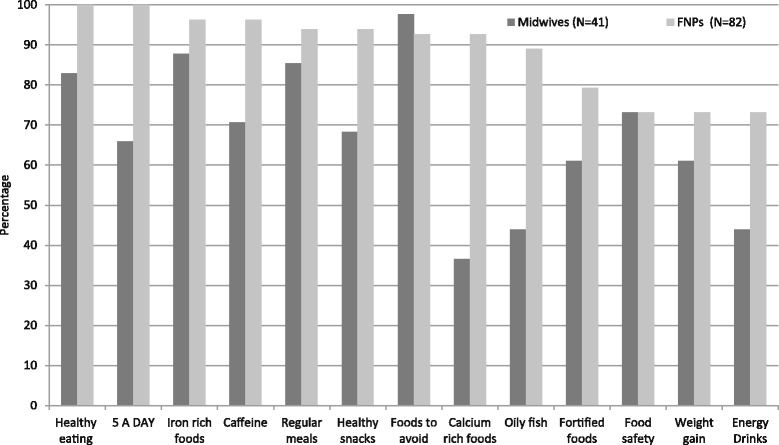
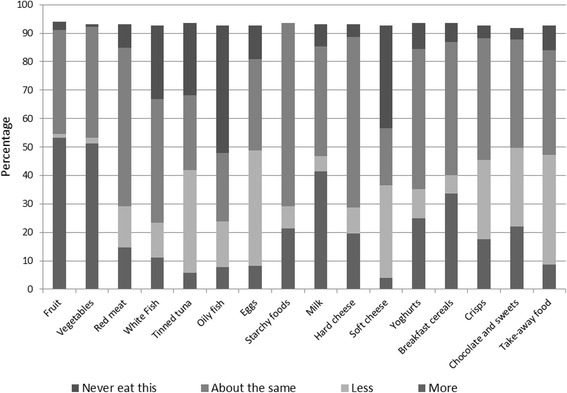
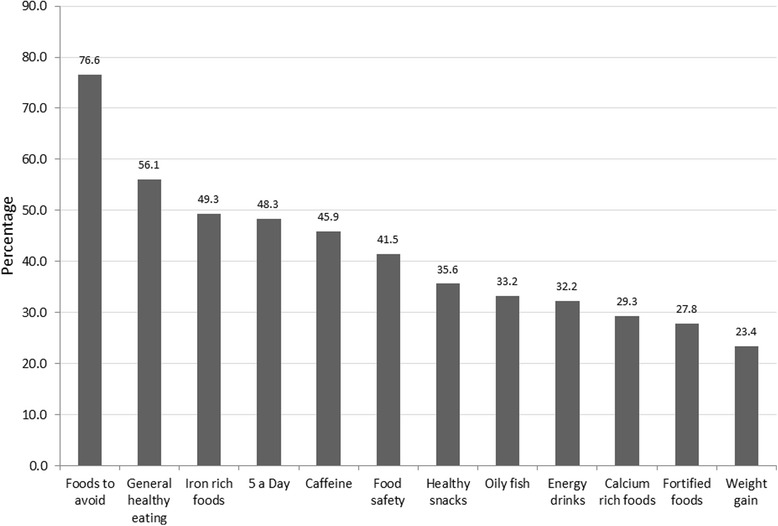
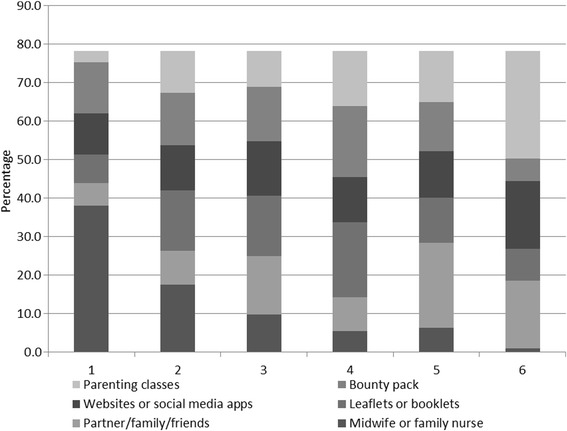
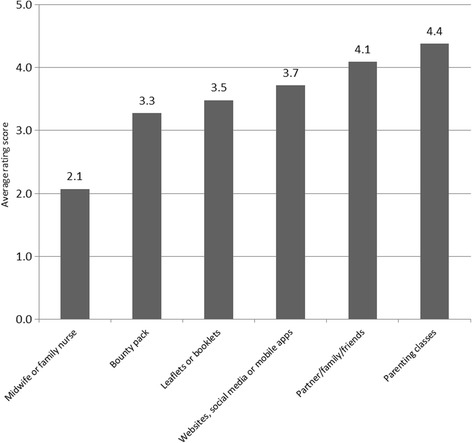
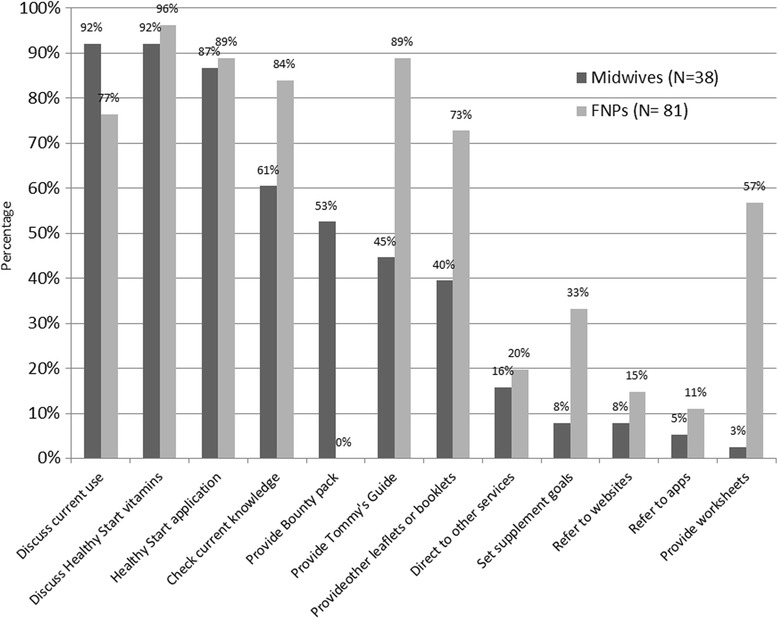
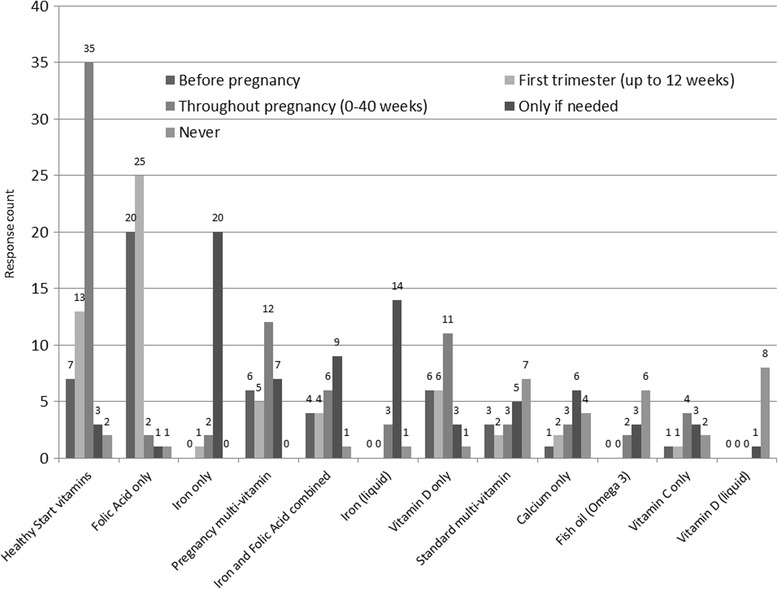
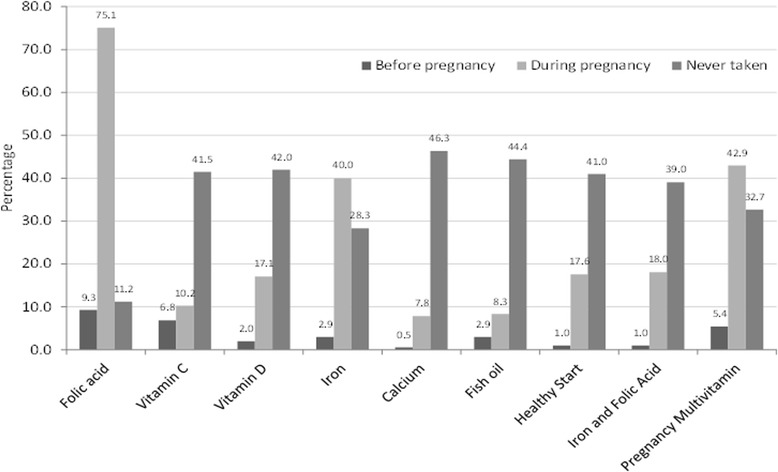
A total of 205 young women and 146 health care professionals were included in the study.Most young women reported taking supplements at some stage of pregnancy (93.2%), with 54.6% taking it on a daily basis. Those who reported taking supplements less than 7 days a week stated it was mainly due to forgetting. Health care professionals however reported that some young women had difficulties accessing healthy start supplements. Young women reported positive dietary changes; however a significant proportion of participants indicated that they avoided some foods unnecessarily. Avoiding or reducing foods such as red meat (22.7%), eggs (40.6%), oily fish (60.4%) and soft cheese (36.2%) is of concern. Midwife/family nurse (38.0%) was young women's current favourite information source; smartphone applications (apps) and recipe booklets were suggested by over 50% of participants as a new addition to existing services. Health care professionals reported they included nutritional information and support as part of their role; however they felt there were some gaps in knowledge and confidence. Midwives in particular suggested a lack of sufficient time and resources as a main challenge in providing adequate support.
Avoiding or reducing major food groups was reported which can indicate a poor dietary pattern. A positive change in dietary intake reported by the majority of young women in this survey indicates willingness to adopt a healthy lifestyle. This, in addition to their trust in health professionals particularly midwives, provides an opportunity for health interventions which support behaviour change to improve birth outcomes. Identified gaps in knowledge and confidence by health professionals in providing dietary advice highlight the need for some additional training for health professionals in delivering dietary and lifestyle behaviour change interventions. Independent and trustworthy online resources for women and their health professionals which can be accessed at any time to provide up to date information in between appointments are also required.
营养是影响分娩结局的一个可改变因素,在青少年妊娠中尤其如此。本研究从怀孕或初为人母的年轻女性以及医护人员的角度,探讨孕期及产后的饮食和补充剂使用情况、信息及建议。
两项横断面调查使用在线问卷,分别针对当前怀孕或近期分娩的年轻女性以及提供产前护理的医护人员。调查采用了包括自由文本和多项选择在内的多种问题类型。通过汤米网站、年轻母亲在线论坛和专业网络进行招募。
共有205名年轻女性和146名医护人员纳入研究。大多数年轻女性报告在孕期的某个阶段服用补充剂(93.2%),其中54.6%每天服用。那些报告每周服用补充剂少于7天的人表示主要是因为忘记了。然而,医护人员报告称,一些年轻女性难以获得健康开端补充剂。年轻女性报告有积极的饮食变化;然而,相当一部分参与者表示她们不必要地避免了一些食物。避免或减少食用红肉(22.7%)、鸡蛋(40.6%)、油性鱼类(60.4%)和软奶酪(36.2%)等食物令人担忧。助产士/家庭护士(38.0%)是年轻女性当前最喜欢的信息来源;超过50%的参与者建议将智能手机应用程序(应用)和食谱小册子作为现有服务的新增内容。医护人员报告称,他们将营养信息和支持作为其工作的一部分;然而,他们觉得在知识和信心方面存在一些差距。助产士尤其表示,缺乏足够的时间和资源是提供充分支持的主要挑战。
据报告存在避免或减少主要食物组别的情况,这可能表明饮食模式不佳。本次调查中大多数年轻女性报告的饮食摄入量的积极变化表明她们愿意采用健康的生活方式。这一点,再加上她们对医护人员尤其是助产士的信任,为支持行为改变以改善分娩结局的健康干预提供了机会。医护人员在提供饮食建议方面发现的知识和信心差距凸显了对医护人员进行一些额外培训以开展饮食和生活方式行为改变干预的必要性。还需要为女性及其医护人员提供独立且值得信赖的在线资源,以便在预约之间随时获取最新信息。