The Research Institute of Nursing Science, College of Nursing, Seoul National University, Seoul, South Korea.
College of Nursing, Seoul National University, Seoul, South Korea.
PLoS One. 2020 Mar 10;15(3):e0229911. doi: 10.1371/journal.pone.0229911. eCollection 2020.
The unique characteristics of long-term care facilities (LTCFs) including host factors and living conditions contribute to the spread of contagious pathogens. Control measures are essential to interrupt the transmission and to manage outbreaks effectively.
The aim of this systematic review was to verify the causes and problems contributing to transmission and to identify control measures during outbreaks in LTCFs.
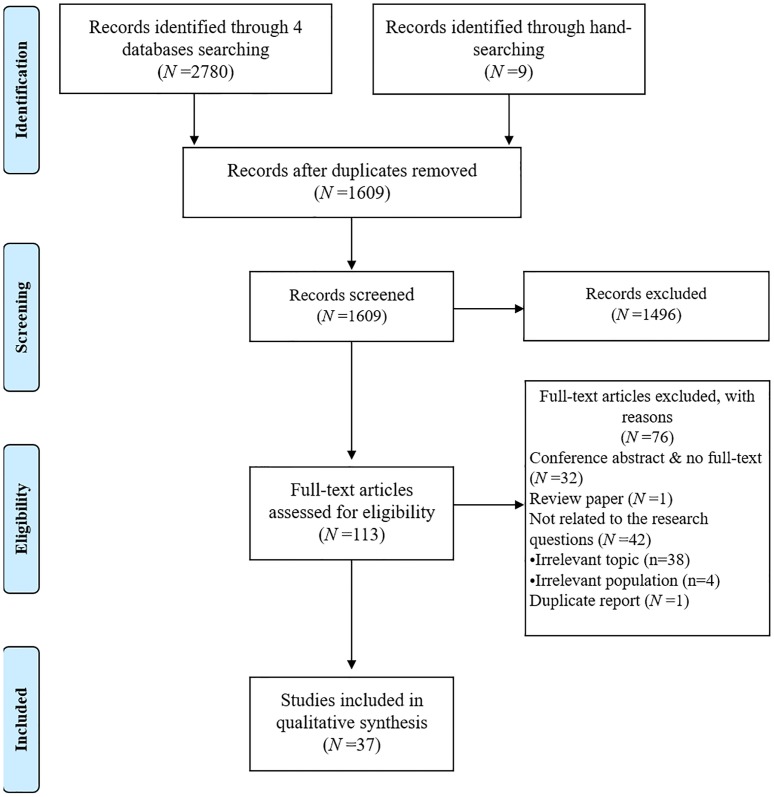
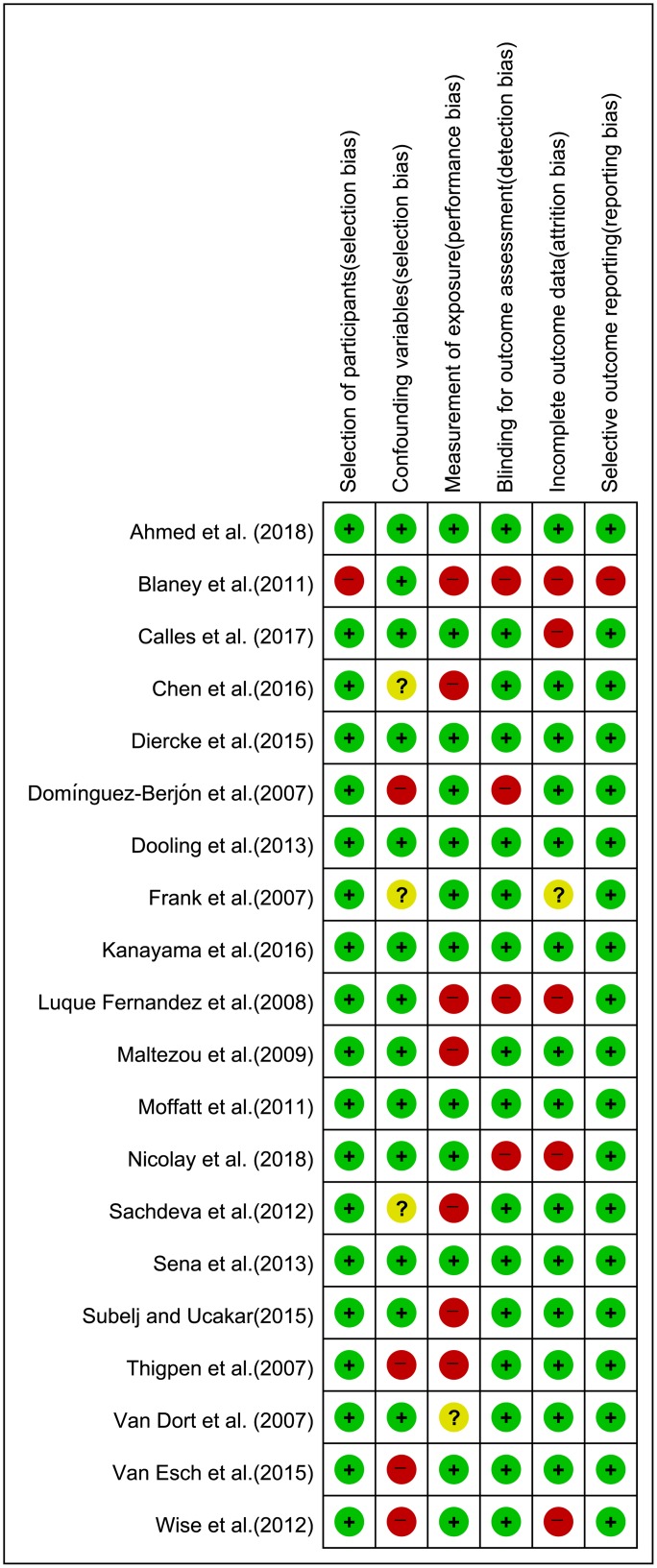
Four electronic databases were searched for articles published from 2007 to 2018. Articles written in English reporting outbreaks in LTCFs were included. The quality of the studies was assessed using the risk-of-bias assessment tool for nonrandomized studies.
A total of 37 studies were included in the qualitative synthesis. The most commonly reported single pathogen was influenza virus, followed by group A streptococcus (GAS). Of the studies that identified the cause, about half of them noted outbreaks transmitted via person-to-person. Suboptimal infection control practice including inadequate decontamination and poor hand hygiene was the most frequently raised issue propagating transmission. Especially, lapses in specific care procedures were linked with outbreaks of GAS and hepatitis B and C viruses. About 60% of the included studies reported affected cases among staff, but only a few studies implemented work restriction during outbreaks.
This review indicates that the violation of basic infection control practice could be a major role in introducing and facilitating the spread of contagious diseases in LTCFs. It shows the need to promote compliance with basic practices of infection control to prevent outbreaks in LTCFs.
长期护理机构(LTCF)的独特特征,包括宿主因素和生活条件,有助于传染性病原体的传播。控制措施对于中断传播和有效管理疫情至关重要。
本系统评价旨在验证导致 LTCF 中传播的原因和问题,并确定疫情爆发时的控制措施。
从 2007 年至 2018 年,检索了四个电子数据库中的文章。纳入了报告 LTCF 疫情的英文文章。使用非随机研究的偏倚风险评估工具评估研究质量。
共有 37 项研究纳入定性综合分析。报道的单一病原体最常见的是流感病毒,其次是 A 组链球菌(GAS)。在确定病因的研究中,约一半的研究指出疫情是通过人与人之间传播的。感染控制实践不理想,包括消毒不彻底和手部卫生不佳,是传播的最常见问题。特别是在特定护理程序中出现失误,与 GAS 和乙型肝炎病毒和丙型肝炎病毒的爆发有关。约 60%的纳入研究报告了工作人员中受感染的病例,但只有少数研究在疫情爆发期间实施了工作限制。
本综述表明,违反基本感染控制实践可能是在 LTCF 中引入和促进传染病传播的主要原因。这表明需要促进对感染控制基本实践的遵守,以防止 LTCF 中的疫情爆发。