Sui Yuan, Wisniewski Michael, Droby Samir, Piombo Edoardo, Wu Xuehong, Yue Junyang
Chongqing Key Laboratory of Economic Plant Biotechnology, Collaborative Innovation Center of Special Plant Industry in Chongqing, College of Forestry and Life Science, Institute of Special Plants, Chongqing University of Arts and Sciences, Yongchuan, China.
U.S. Department of Agriculture-Agricultural Research Service, Kearneysville, WV, United States.
Front Microbiol. 2020 Feb 25;11:295. doi: 10.3389/fmicb.2020.00295. eCollection 2020.
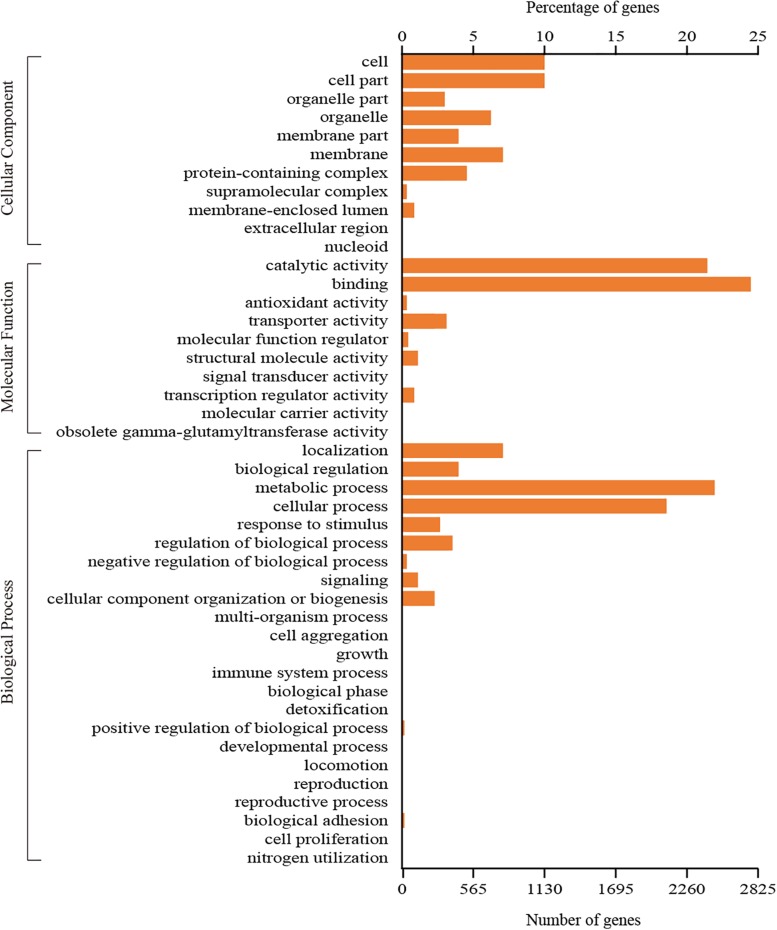
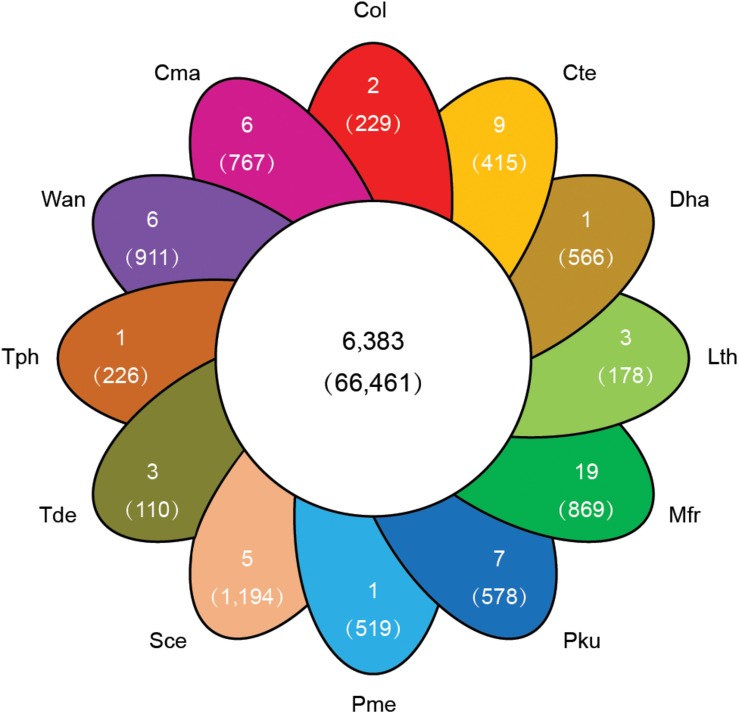
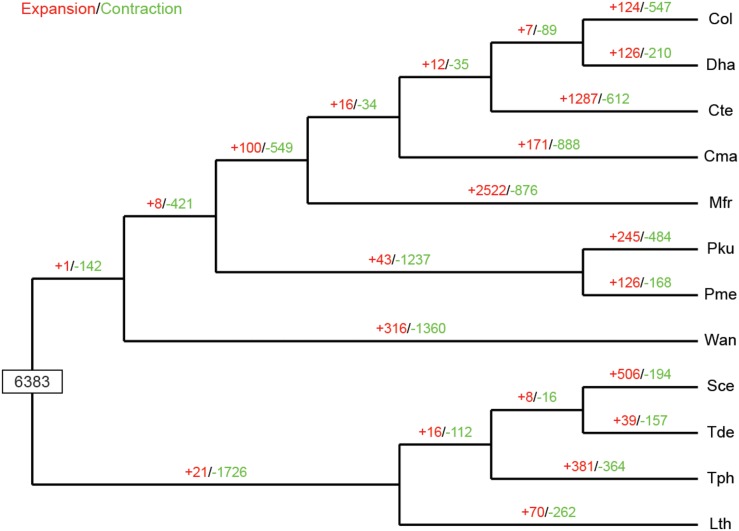
is an effective biocontrol agent used to control post-harvest diseases of fruits and vegetables. I-182 was the active agent used in the first-generation yeast-based commercial product, Aspire, for post-harvest disease management. Several action modes, like competition for nutrients and space, induction of pathogenesis-related genes in host tissues, and production of extracellular lytic enzymes, have been demonstrated for the biological control activity exhibited by through which it inhibits post-harvest pathogens. In the present study, the whole genome of I-182 was sequenced using PacBio and Illumina shotgun sequencing technologies, yielding an estimated genome size of 14.73 Mb. The genome size is similar in length to that of the model yeast strain S288c. Based on the assembled genome, protein-coding sequences were identified and annotated. The predicted genes were further assigned with gene ontology terms and clustered in special functional groups. A comparative analysis of proteome with the proteomes of 11 representative yeasts revealed 2 unique and 124 expanded families of proteins in . Availability of the genome sequence will facilitate a better understanding the properties of biocontrol yeasts at the molecular level.
是一种用于控制水果和蔬菜采后病害的有效生物防治剂。I-182是第一代基于酵母的商业产品Aspire中用于采后病害管理的活性剂。已经证明了几种作用模式,如对营养和空间的竞争、宿主组织中病程相关基因的诱导以及细胞外裂解酶的产生,这些都是其表现出的生物防治活性,通过这些活性它可以抑制采后病原体。在本研究中,使用PacBio和Illumina鸟枪法测序技术对I-182的全基因组进行了测序,估计基因组大小为14.73 Mb。基因组长度与模式酵母菌株S288c的相似。基于组装好的基因组,鉴定并注释了蛋白质编码序列。预测的基因进一步被赋予基因本体术语并聚类到特定功能组中。对I-182蛋白质组与11种代表性酵母的蛋白质组进行比较分析,发现I-182中有2个独特的和124个扩展的蛋白质家族。基因组序列的可用性将有助于在分子水平上更好地理解生物防治酵母的特性。