Sorensen Cecilia J, Borbor-Cordova Mercy J, Calvello-Hynes Emilie, Diaz Avriel, Lemery Jay, Stewart-Ibarra Anna M
Department of Emergency Medicine University of Colorado School of Medicine Aurora CO USA.
Faculty of Naval Engineering, Oceanic Sciences and Natural Resources Escuela Superior Politecnica del Litoral Guayaquil Ecuador.
Geohealth. 2017 Oct 14;1(8):298-304. doi: 10.1002/2017GH000104. eCollection 2017 Oct.
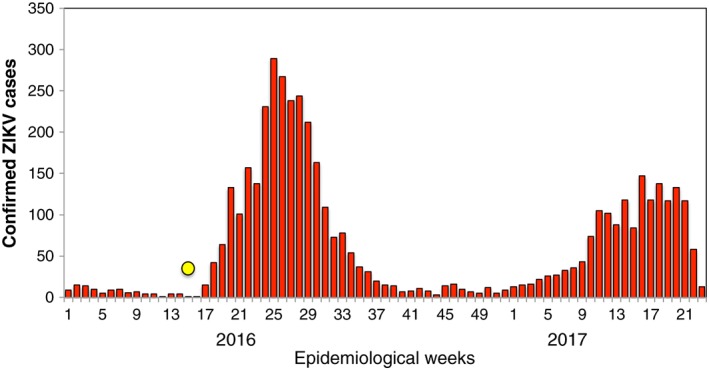
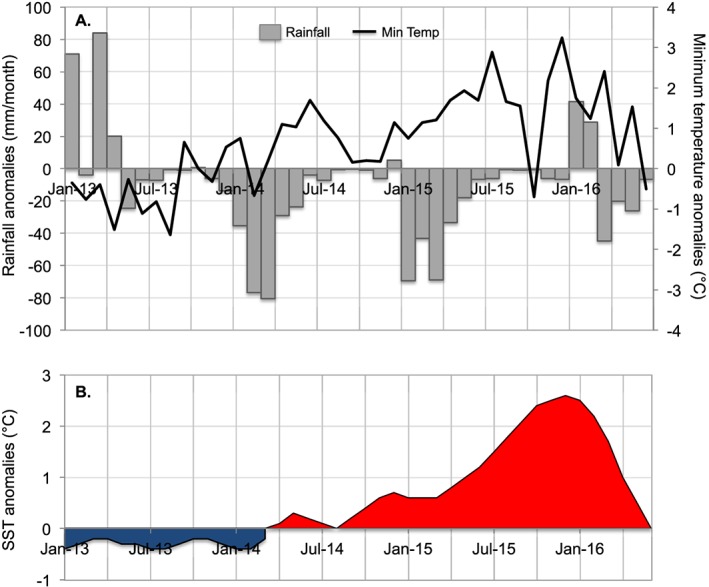
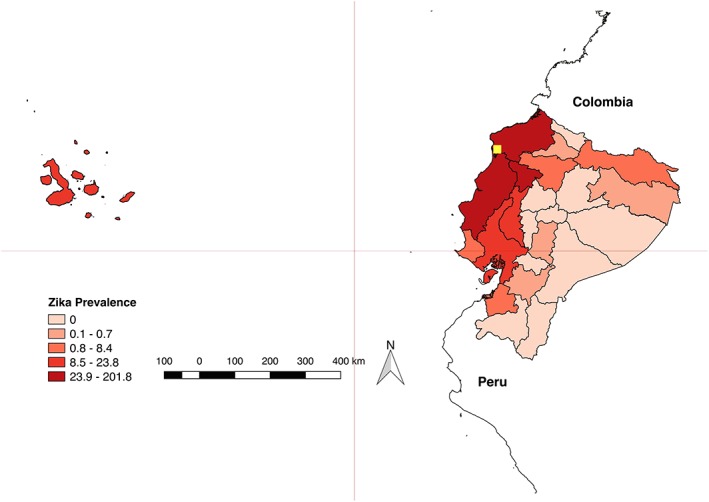
Climate change presents complex and wide-reaching threats to human health. A variable and changing climate can amplify and unmask ecological and socio-political weaknesses and increase the risk of adverse health outcomes in socially vulnerable regions. When natural disasters occur in such areas, underlying climatic conditions may amplify the public health crisis. We describe an emerging epidemic of Zika virus (ZIKV) in Ecuador following the 2016 earthquake, which coincided with an exceptionally strong El Niño event. We hypothesize that the trigger of a natural disaster during anomalous climate conditions and underlying social vulnerabilities were force multipliers contributing to a dramatic increase in ZIKV cases postearthquake.
气候变化对人类健康构成了复杂且影响深远的威胁。多变的气候会加剧并暴露生态和社会政治方面的薄弱环节,增加社会弱势群体出现不良健康后果的风险。当这些地区发生自然灾害时,潜在的气候条件可能会加剧公共卫生危机。我们描述了2016年厄瓜多尔地震后出现的寨卡病毒(ZIKV)疫情,此次地震恰逢异常强烈的厄尔尼诺事件。我们推测,异常气候条件下的自然灾害以及潜在的社会脆弱性是导致地震后寨卡病毒病例急剧增加的力量倍增因素。