Department of Bioengineering, Rice University, 6566 Main St, Houston, TX, 77030, USA.
Department of Translational Molecular Pathology, The University of Texas MD Anderson Cancer Center, Houston, TX, USA.
Biomed Microdevices. 2020 Mar 11;22(2):23. doi: 10.1007/s10544-020-00483-7.
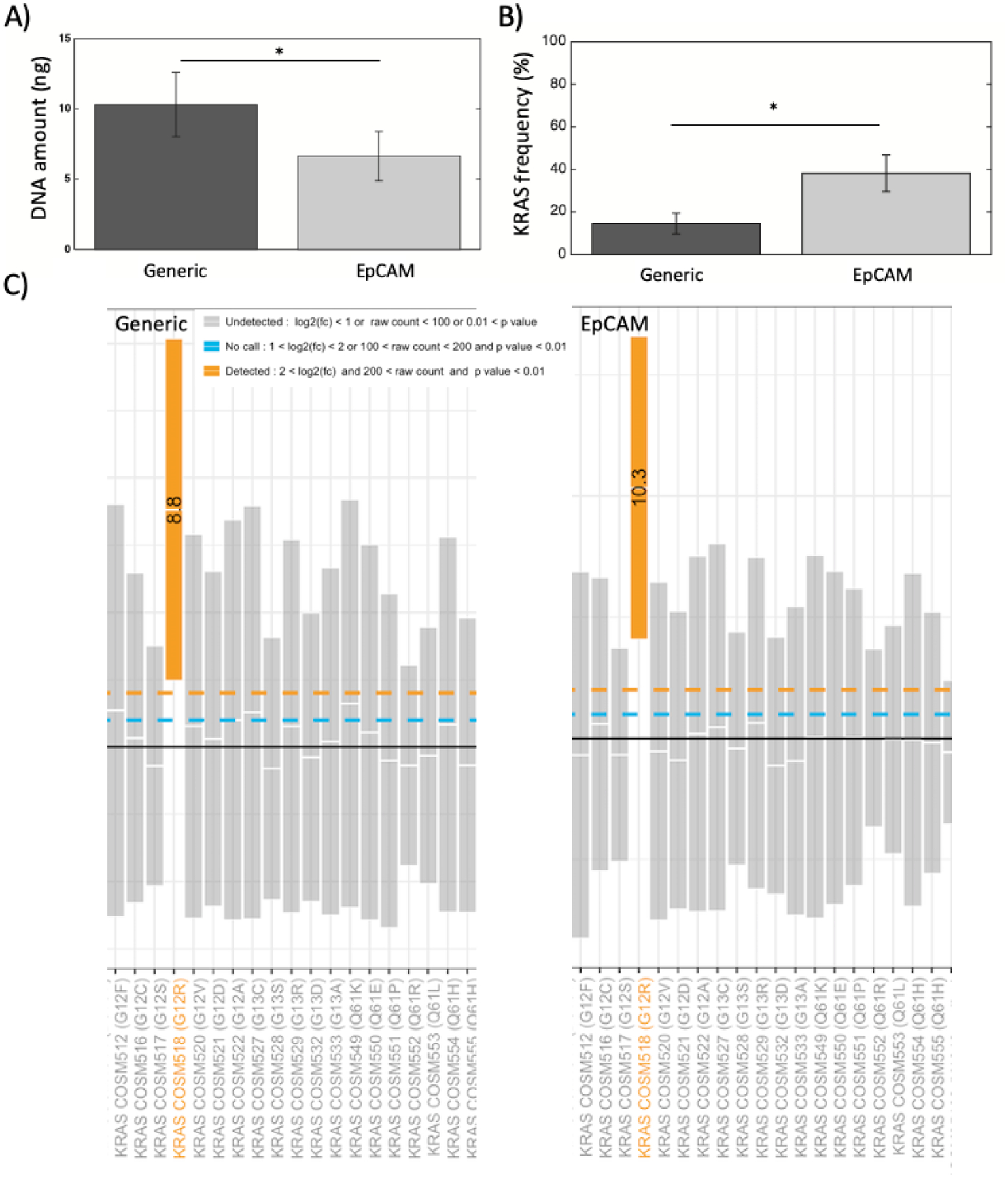
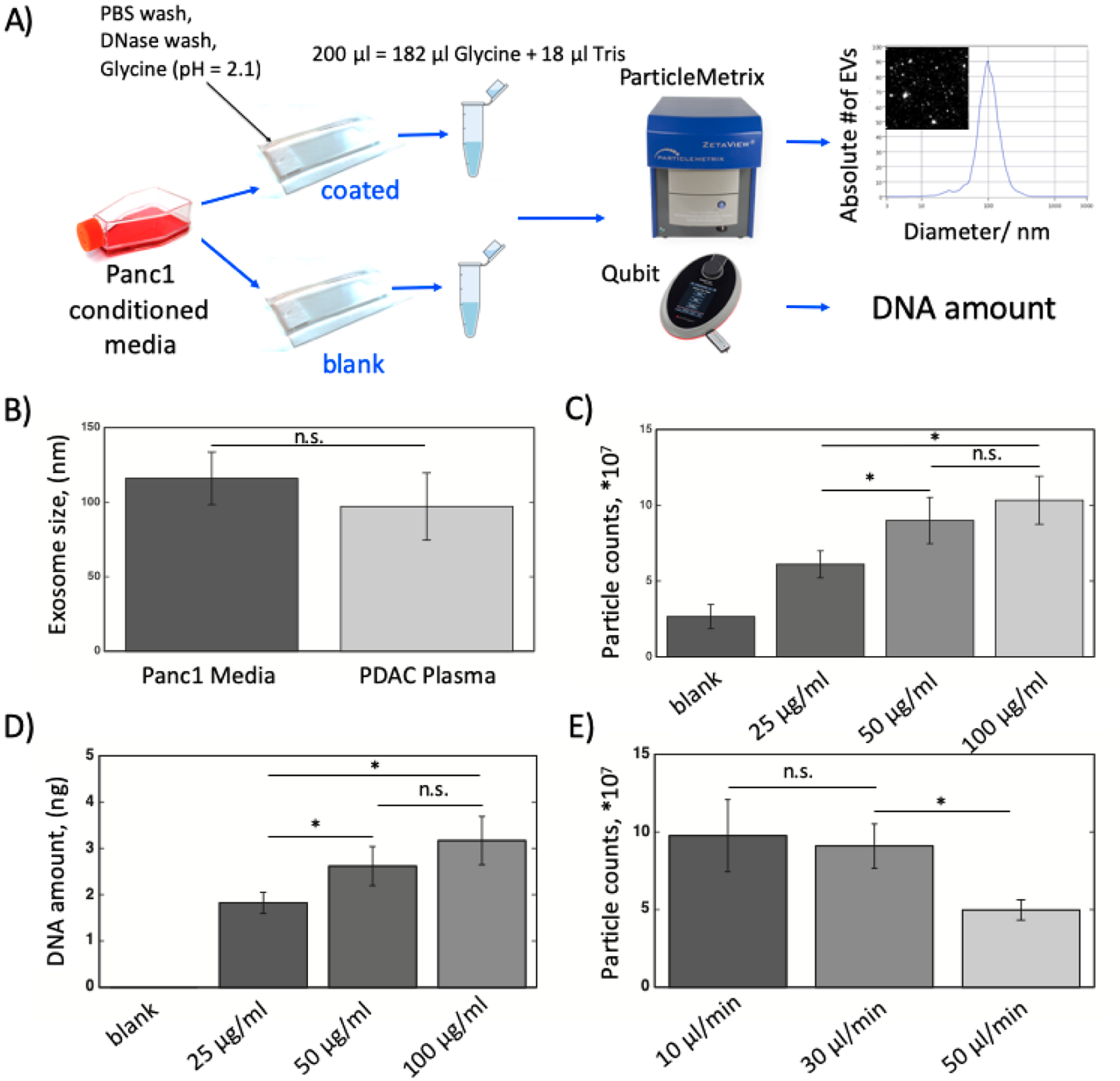
Cancer cells release extracellular vesicles known as extracellular vesicles (EVs), containing tumor-derived DNA, RNA and proteins within their cargo, into the circulation. Circulating tumor-derived extracellular vesicles (TEV) can be used in the context of serial "liquid biopsies" for early detection of cancer, for monitoring disease burden in patients, and for assessing recurrence in the post-resection setting. Nonetheless, isolating sufficient TEV by ultracentrifugation-based approaches, in order to enable molecular assessment of EVs cargo, can be an arduous, time-consuming process and is inconsistent in the context of yield and purity among institutions. Herein, we describe a microfluidic platform, which we have named MITEV (Microfluidic Isolation of Tumor-derived Extracellular Vesicles) for the rapid isolation of TEV from the plasma of pancreatic cancer patients. The device, which has ~100,000 pillars placed in a zigzag pattern and is coated with antibodies against generic EV surface proteins (anti-CD63, -CD9, and -CD81 antibodies) or the TEV specific anti-Epithelial Cell Adhesion Molecule (EpCAM) antibody, is capable of high-throughput EVs isolation and yields sufficient DNA (total of ~2-14 ng from 2-ml plasma) for downstream genomic analysis. Using two independent quantitative platforms, droplet digital polymerase chain reaction (ddPCR) and molecular barcoding using nanoString nCounter® technology, we can reliably identify KRAS mutations within isolated TEV of treatment-naïve metastatic pancreatic cancer patients. Our study suggests that the MITEV device can be used for point-of-care applications, such as in the context of monitoring residual or recurrent tumor presence in pancreatic cancer patients undergoing therapy.
癌细胞会将细胞外囊泡(EVs)释放到循环系统中,这些囊泡包含货物中的肿瘤源性 DNA、RNA 和蛋白质。循环肿瘤源性细胞外囊泡(TEV)可用于连续的“液体活检”,以早期检测癌症,监测患者的疾病负担,并评估切除后复发的情况。然而,通过基于超速离心的方法分离足够的 TEV,以便对 EVs 货物进行分子评估,可能是一个艰巨、耗时的过程,而且在机构之间的产量和纯度方面不一致。在这里,我们描述了一种微流控平台,我们将其命名为 MITEV(肿瘤衍生细胞外囊泡的微流控分离),用于从胰腺癌患者的血浆中快速分离 TEV。该设备具有约 10 万个呈之字形排列的柱子,并用抗通用 EV 表面蛋白(抗-CD63、-CD9 和 -CD81 抗体)或 TEV 特异性抗上皮细胞黏附分子(EpCAM)抗体包被,能够进行高通量 EV 分离,并从 2 毫升血浆中获得足够的 DNA(总共约 2-14ng)进行下游基因组分析。使用两种独立的定量平台,液滴数字聚合酶链反应(ddPCR)和使用 nanoString nCounter®技术的分子条形码,我们可以可靠地识别治疗前转移性胰腺癌患者分离的 TEV 中的 KRAS 突变。我们的研究表明,MITEV 设备可用于即时护理应用,例如在监测接受治疗的胰腺癌患者中残留或复发肿瘤的存在。