Section of Pediatric Hematology, Oncology, and Bone Marrow Transplant, University of Colorado Anschutz Medical Campus, Aurora, CO, USA.
Section of Pediatric Critical Care and Cardiovascular Pulmonary Research Laboratory, University of Colorado Anschutz Medical Campus, Aurora, CO, USA.
Physiol Rep. 2020 Mar;8(5):e14386. doi: 10.14814/phy2.14386.
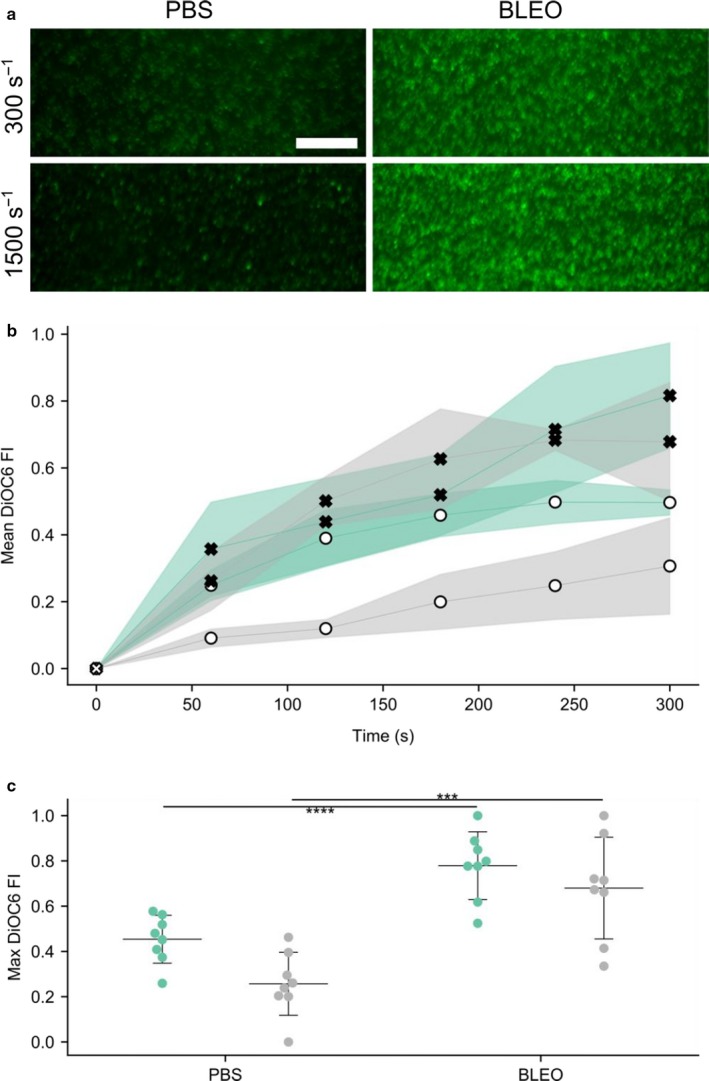
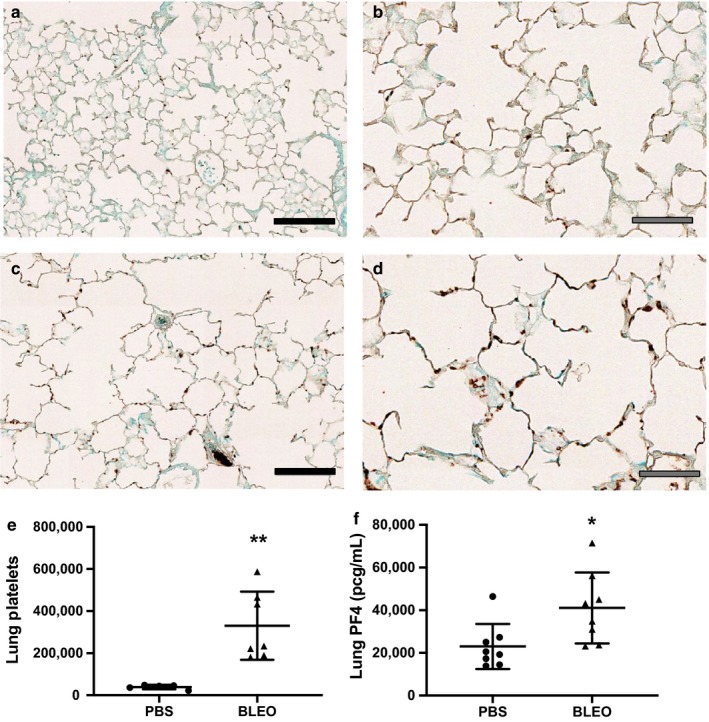
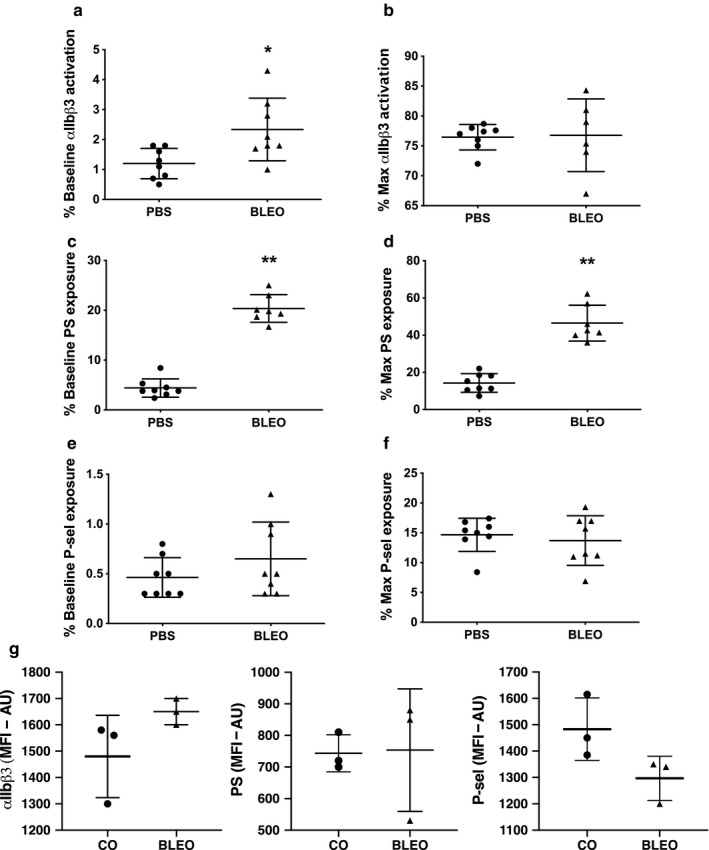
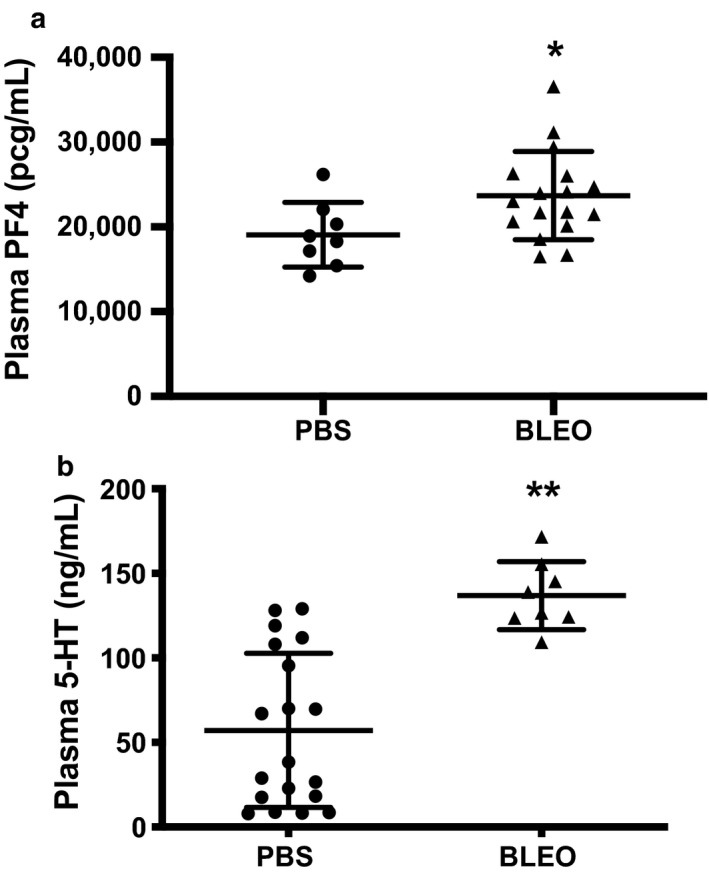
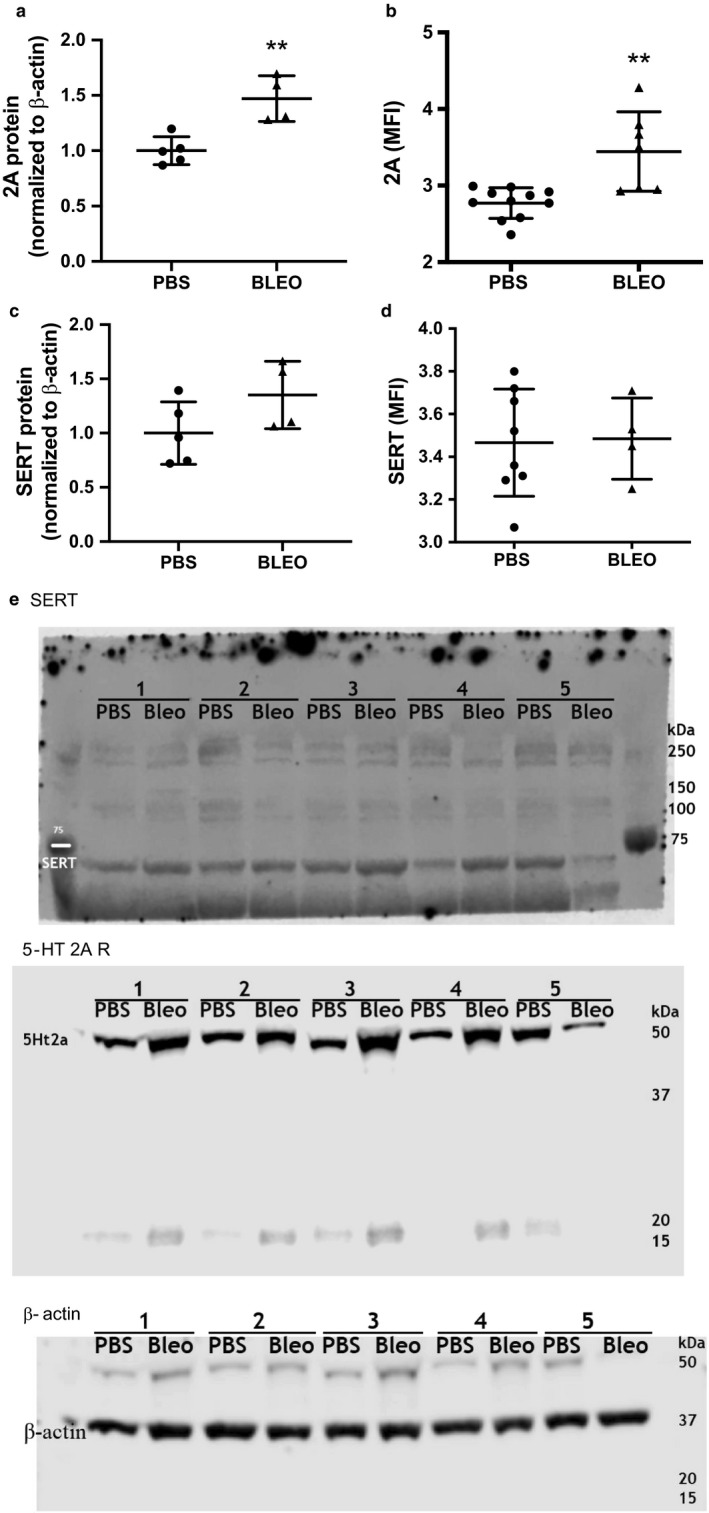
Serotonin (5-HT) contributes to the pathogenesis of experimental neonatal pulmonary hypertension (PH) associated with bronchopulmonary dysplasia (BPD). Platelets are the primary source of circulating 5-HT and is released upon platelet activation. Platelet transfusions are associated with neonatal mortality and increased rates of BPD. As BPD is often complicated by PH, we tested the hypothesis that circulating platelets are activated and also increased in the lungs of neonatal mice with bleomycin-induced PH associated with BPD. Newborn wild-type mice received intraperitoneal bleomycin (3 units/kg) three times weekly for 3 weeks. Platelets from mice with experimental PH exhibited increased adhesion to collagen under flow (at 300 s and 1,500 s ) and increased expression of the αIIbβ3 integrin and phosphatidylserine, markers of platelet activation. Platelet-derived factors 5-HT and platelet factor 4 were increased in plasma from mice with experimental PH. Pharmacologic blockade of the 5-HT 2A receptor (5-HT 2A R) prevents bleomycin-induced PH and pulmonary vascular remodeling. Here, platelets from mice with bleomycin-induced PH demonstrate increased 5-HT 2A R expression providing further evidence of both platelet activation and increased 5-HT signaling in this model. In addition, bleomycin treatment increased lung platelet accumulation. In summary, platelets are activated, granule factors are released, and are increased in numbers in the lungs of mice with experimental neonatal PH. These results suggest platelet activation and release of platelet-derived factors may increase vascular tone, promote aberrant angiogenesis, and contribute to the development of neonatal PH.
血清素(5-HT)有助于支气管肺发育不良(BPD)相关的实验性新生儿肺动脉高压(PH)的发病机制。血小板是循环 5-HT 的主要来源,在血小板激活时释放。血小板输注与新生儿死亡率增加和 BPD 发生率增加有关。由于 BPD 常伴有 PH,我们检验了这样一个假设,即循环血小板在与 BPD 相关的博来霉素诱导的 PH 新生小鼠的肺部被激活并且数量增加。新生野生型小鼠每周接受三次腹腔内博来霉素(3 个单位/千克),共 3 周。来自实验性 PH 小鼠的血小板在流动条件下(在 300 秒和 1500 秒)对胶原蛋白的黏附性增加,并且 αIIbβ3 整合素和血小板膜磷酰丝氨酸的表达增加,这些都是血小板激活的标志物。来自实验性 PH 小鼠的血小板衍生因子 5-HT 和血小板因子 4 增加了血浆中的表达。5-HT 2A 受体(5-HT 2A R)的药理学阻断可预防博来霉素诱导的 PH 和肺血管重塑。在这里,来自博来霉素诱导的 PH 小鼠的血小板显示出增加的 5-HT 2A R 表达,这为该模型中血小板的激活和增加的 5-HT 信号提供了进一步的证据。此外,博来霉素处理增加了肺血小板的积累。总之,在实验性新生 PH 小鼠的肺部,血小板被激活,颗粒因子被释放并数量增加。这些结果表明血小板的激活和血小板衍生因子的释放可能会增加血管张力,促进异常血管生成,并有助于新生儿 PH 的发展。