Department of Animal Biochemistry and Biotechnology, Faculty of Animal Bioengineering, University of Warmia and Mazury in Olsztyn, 10-719 Olsztyn, Poland.
Department of Animal Genetics, Faculty of Animal Bioengineering, University of Warmia and Mazury in Olsztyn, 10-719 Olsztyn, Poland.
Int J Mol Sci. 2020 Mar 10;21(5):1902. doi: 10.3390/ijms21051902.
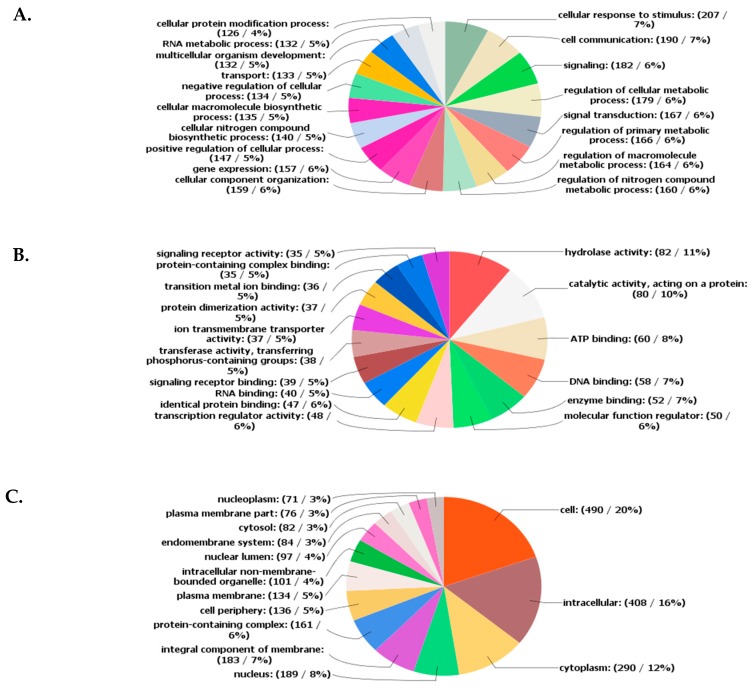
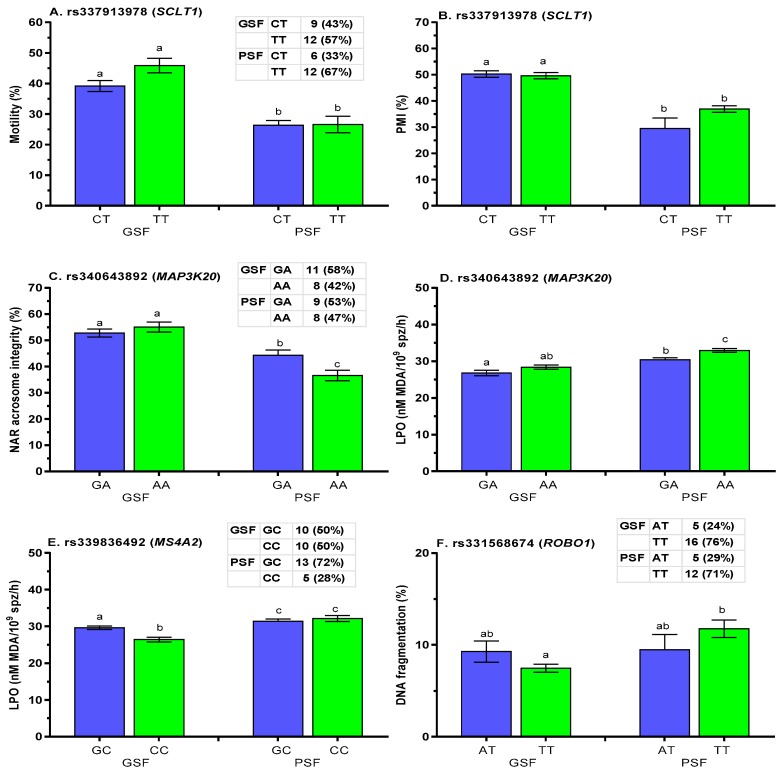
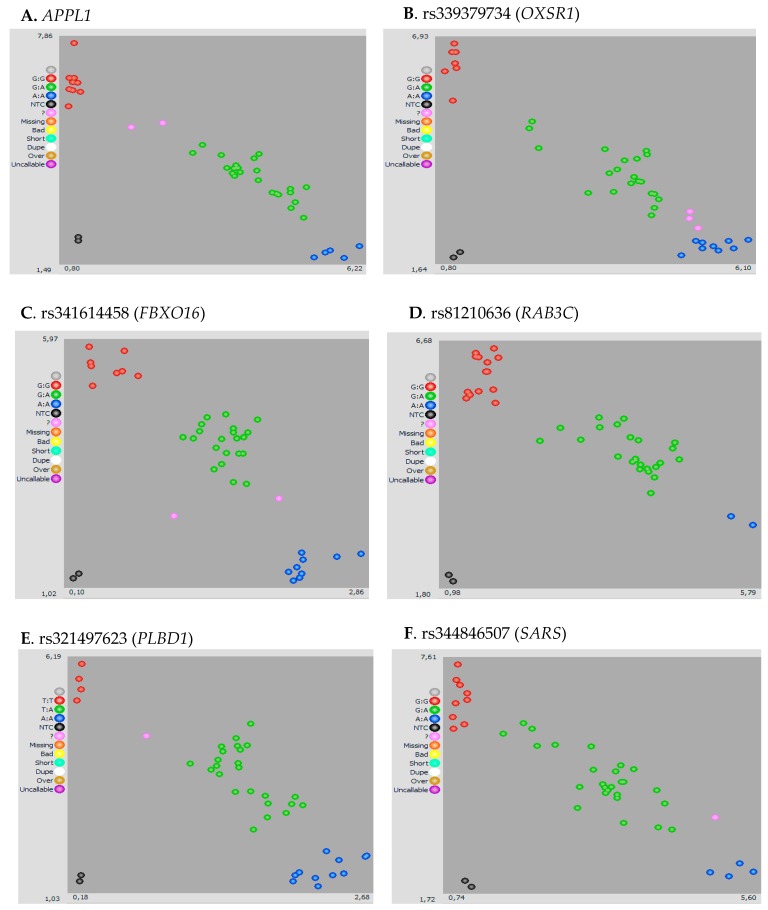
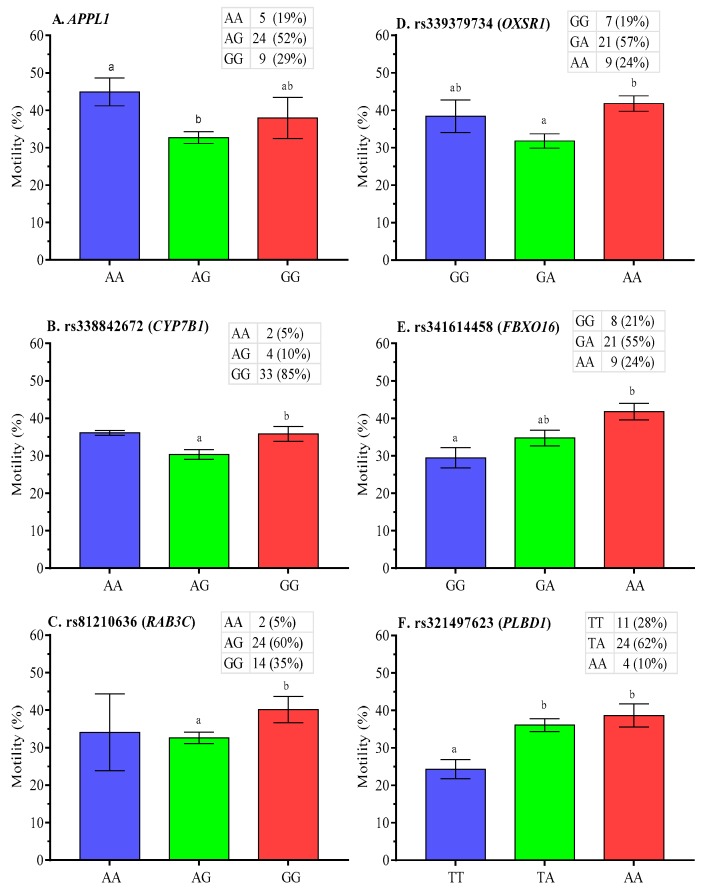
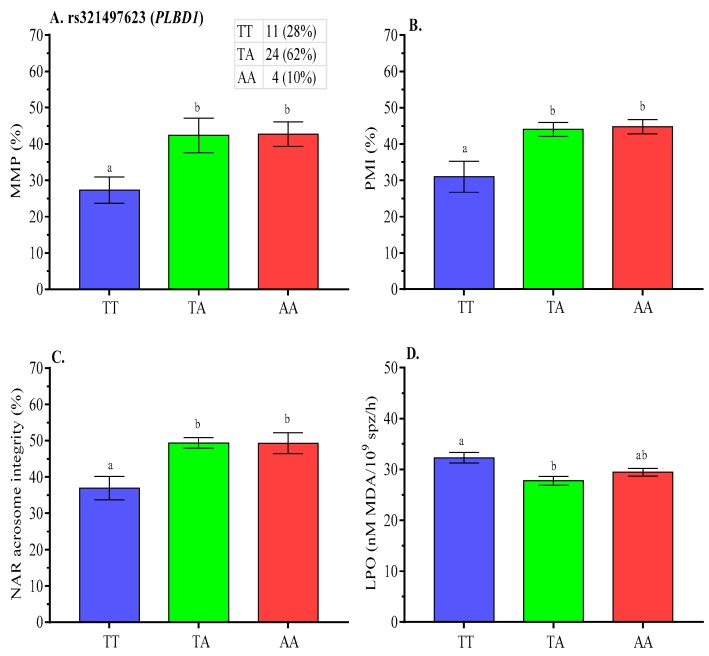
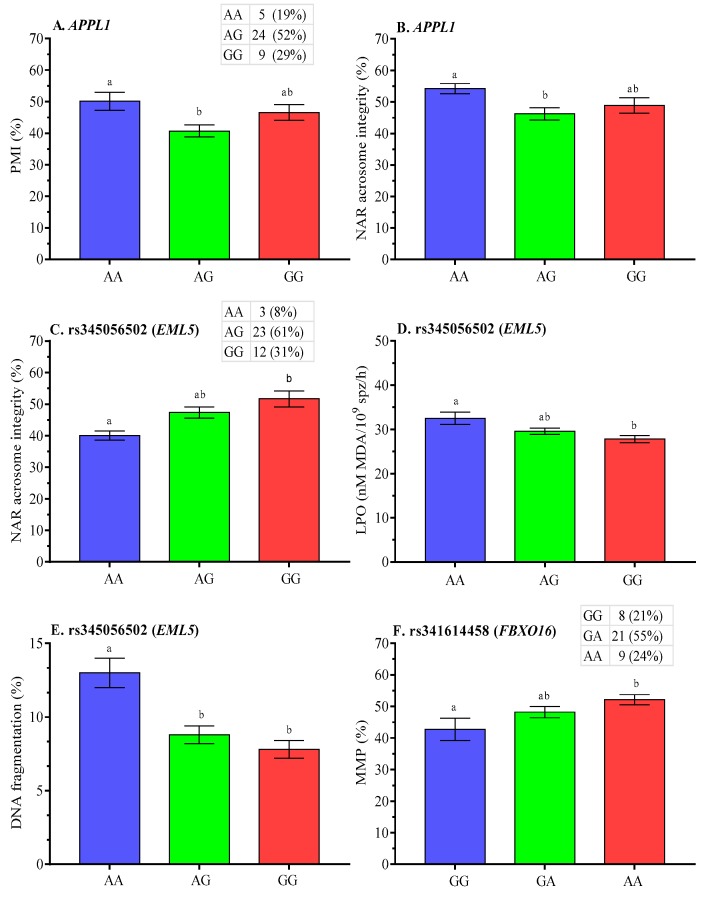
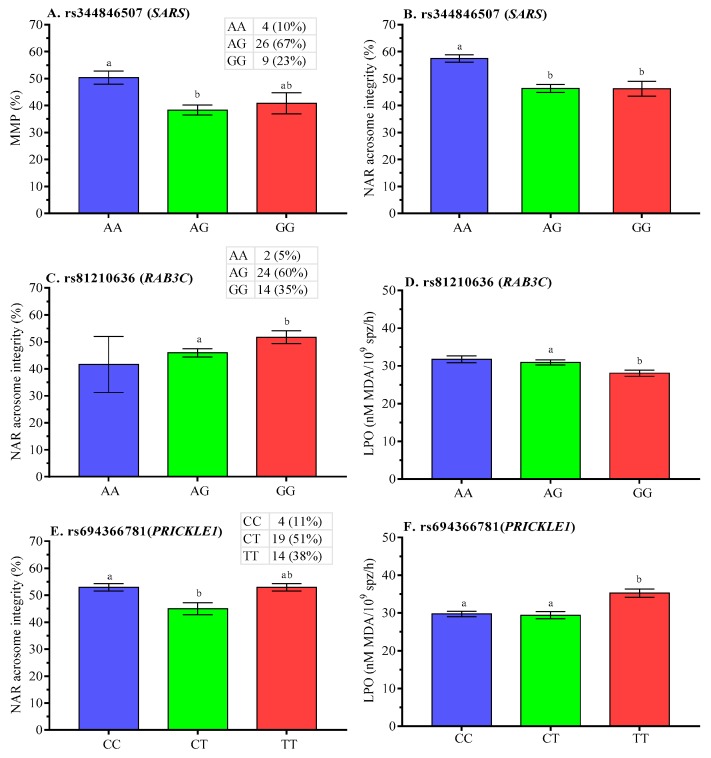
Genetic markers have been used to assess the freezability of semen. With the advancement in molecular genetic techniques, it is possible to assess the relationships between sperm functions and gene polymorphisms. In this study, variant calling analysis of RNA-Seq datasets was used to identify single nucleotide polymorphisms (SNPs) in boar spermatozoa and to explore the associations between SNPs and post-thaw semen quality. Assessment of post-thaw sperm quality characteristics showed that 21 boars were considered as having good semen freezability (GSF), while 19 boars were classified as having poor semen freezability (PSF). Variant calling demonstrated that most of the polymorphisms (67%) detected in boar spermatozoa were at the 3'-untranslated regions (3'-UTRs). Analysis of SNP abundance in various functional gene categories showed that gene ontology (GO) terms were related to response to stress, motility, metabolism, reproduction, and embryo development. Genomic DNA was isolated from sperm samples of 40 boars. Forty SNPs were selected and genotyped, and several SNPs were significantly associated with motility and membrane integrity of frozen-thawed (FT) spermatozoa. Polymorphism in gene was associated with significantly higher motility and plasma membrane integrity of FT spermatozoa from boars of the GSF group compared with those of the PSF group. Likewise, polymorphisms in and genes were significantly associated with reduced cryo-induced lipid peroxidation and DNA damage of FT spermatozoa from boars of the GSF group. Candidate genes with significant SNP associations, including , and genes, represent potential markers for post-thaw semen quality, and they might be relevant for future improvement in the selection procedure of boars for cryopreservation. The findings of this study provide evidence indicating that polymorphisms in genes expressed in spermatozoa could be considered as factors associated with post-thaw semen quality.
遗传标记已被用于评估精液的可冻存性。随着分子遗传技术的进步,可以评估精子功能与基因多态性之间的关系。在这项研究中,使用 RNA-Seq 数据集的变异调用分析来鉴定猪精子中的单核苷酸多态性(SNP),并探讨 SNP 与解冻后精液质量之间的关联。对解冻后精液质量特征的评估表明,21 头公猪被认为具有良好的精液可冻存性(GSF),而 19 头公猪被归类为具有较差的精液可冻存性(PSF)。变异调用表明,在猪精子中检测到的大多数多态性(67%)位于 3'非翻译区(3'-UTR)。对各种功能基因类别中 SNP 丰度的分析表明,基因本体论(GO)术语与应激反应、运动性、代谢、生殖和胚胎发育有关。从 40 头公猪的精子样本中分离基因组 DNA。选择了 40 个 SNP 并进行了基因分型,其中一些 SNP 与冷冻解冻(FT)精子的运动性和质膜完整性显著相关。与 PSF 组相比,GSF 组公猪的 FT 精子中 基因的多态性与运动性和质膜完整性显著更高相关。同样, 基因和 基因的多态性与降低 FT 精子的冷冻诱导脂质过氧化和 DNA 损伤显著相关。与 SNP 关联显著的候选基因,包括 、 和 基因,代表了解冻后精液质量的潜在标记,它们可能与未来冷冻保存公猪的选择程序的改进相关。本研究的结果提供了证据表明,在精子中表达的基因中的多态性可以被认为是与解冻后精液质量相关的因素。