Singh Sarvesh Kumar, Rajoria Kshipra, Sharma Sanjeev
Department of Panchakarma, National Institute of Ayurveda, Jaipur, Rajasthan, India.
Department of Panchakarma, National Institute of Ayurveda, Jaipur, Rajasthan, India.
J Ayurveda Integr Med. 2021 Jan-Mar;12(1):151-155. doi: 10.1016/j.jaim.2019.10.006. Epub 2020 Mar 9.
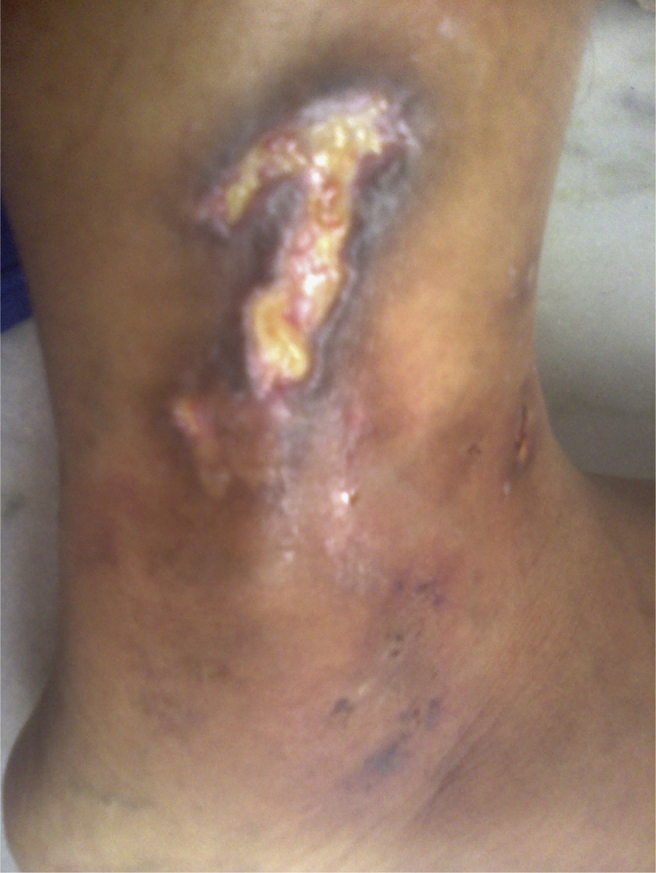
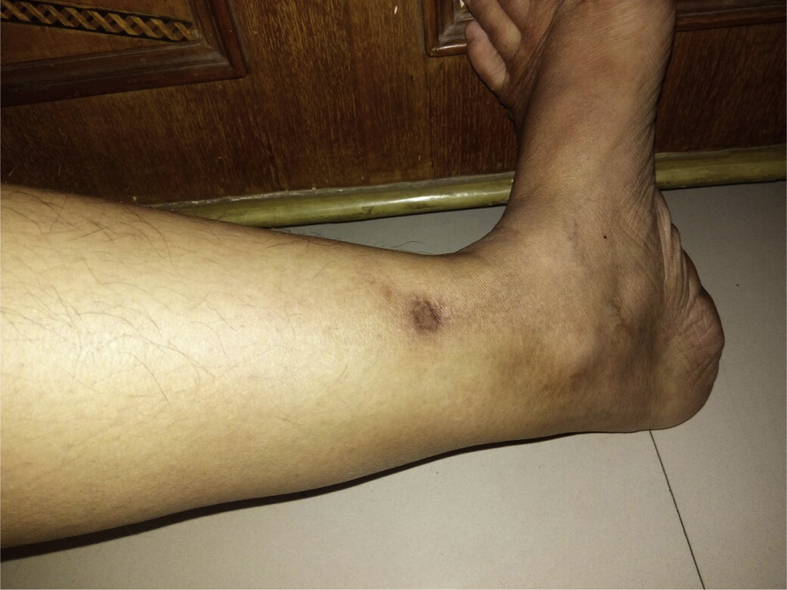
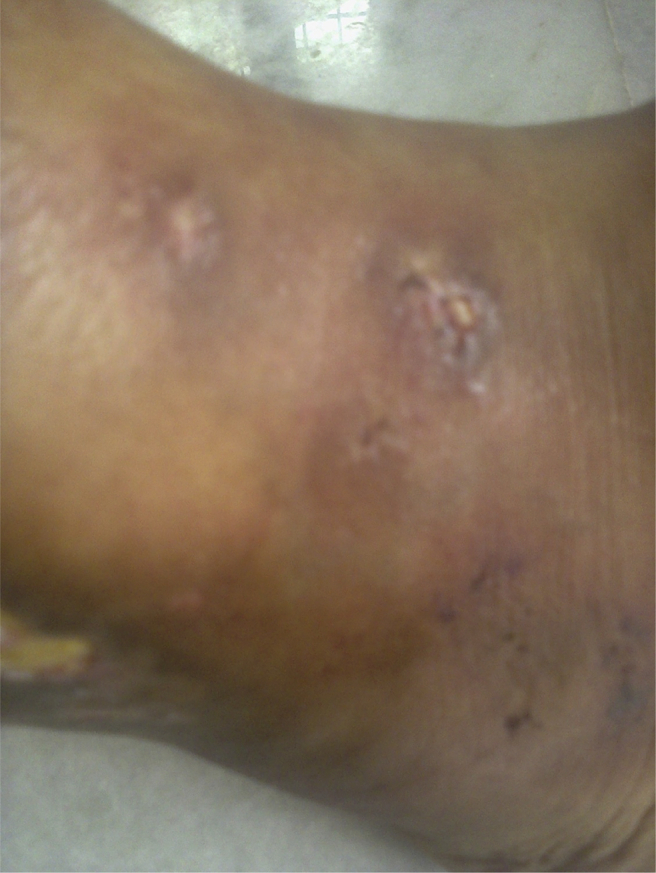
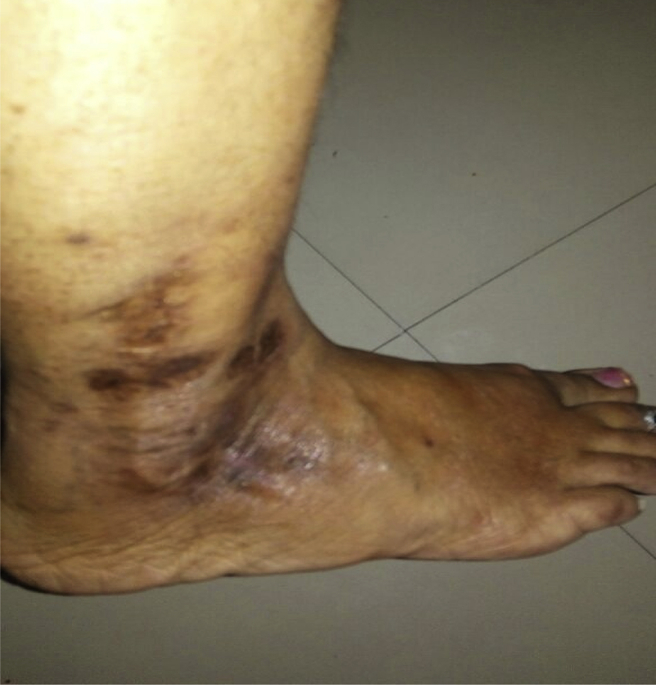
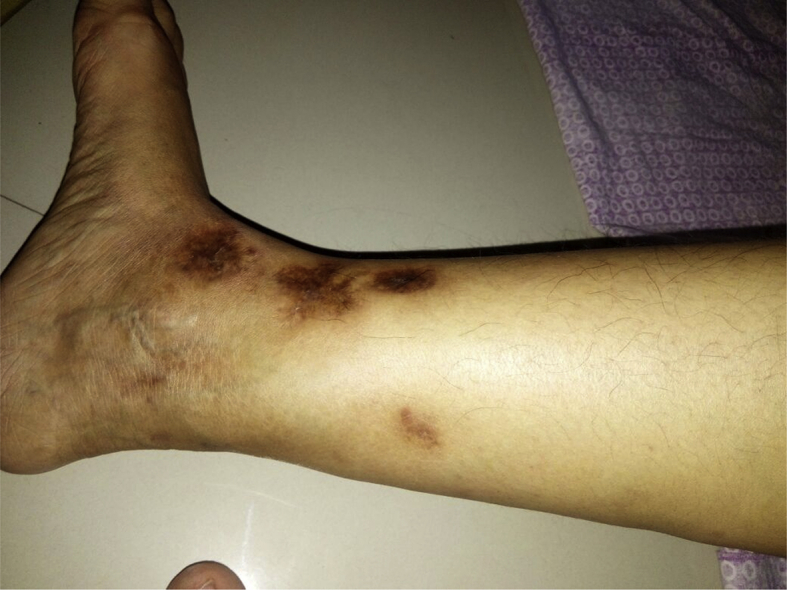
Vasculitis is chronic inflammation resulting in necrosis of blood vessels due to narrowing or occlusion of the lumen. Here we present a case of 28 yrs old woman suffering from medium size vessel vasculitis since childhood. The patient had purulent skin lesions at lateral aspect of lower limbs, fatigue and pain all over the body. There was complaint of bluish discoloration of extremities, especially in winter season. The patients had history of similar skin lesions in past which were treated by allopathic treatment, but this treatment failed in meeting the expectations of patient. These lesions were not responding to the contemporary treatment since a year. The Ayurvedic diagnosis of the case was established as Siragatavata complicated with Dusta Vrana (~infected wound). She was treated with Vrana Prakshalana (doucing of skin ulceration) with Triphala Kwath for initial 15 days followed by Virechan Karma (purgation therapy) with Tilvaka Ghrita in 20 g dose. Erandmooladi Niruha Basti (enema mainly with decoction) with Bala Taila (oil) Anuvasan Basti (enema with oil) for eight days in Yoga Basti Krama (eight days order of enema) was administered after Virechana Karma. The Ayurvedic oral drugs [Ashwagandhaveleha-10 g, Jwarhar Kashaya- 40 ml, Shatavari Churna (powder)-3 gm, Vidanga Churna-2 g Kaishor Guggulu-500mg and Shilajatwadi Loha-500mg] twice a day for 12 months were also administered in the case. Skin lesions healed after a month of treatment and there was no relapse in more than 18months follow up. Patient was lean and thin and underweight at the beginning of the treatment. There was 4 Kg increase in weight during the treatment. There were no complaints of paresthesia, pain and fatigue after 18 months of treatment. No bluish discoloration was noted during this period. Presently patient is stable with Ayurvedic medications. The case study shows that medium size vessels vasculitis may be managed with Panchakarma procedures and Ayurvedic medication with satisfactory outcome. However, large sample studies are required for definitive conclusion.
血管炎是一种慢性炎症,由于管腔狭窄或闭塞导致血管坏死。在此,我们报告一例28岁女性自童年起就患有中血管血管炎的病例。该患者下肢外侧有脓性皮肤病变,全身疲劳和疼痛。患者诉说四肢有青紫色变色,尤其是在冬季。患者过去有类似的皮肤病变病史,曾接受过西医治疗,但这种治疗未能达到患者的期望。这些病变自一年以来对当代治疗无反应。该病例的阿育吠陀诊断为西拉加塔瓦塔合并杜斯塔溃疡(~感染伤口)。最初15天,她接受了用三果汤进行的伤口冲洗(皮肤溃疡冲洗),随后用20克剂量的蒂尔瓦卡酥油进行了催泻疗法(泻下疗法)。在催泻疗法后,按照瑜伽灌肠法(八天灌肠顺序)进行了八天的埃兰穆拉迪尼鲁哈灌肠(主要用煎剂灌肠),使用巴拉油进行阿努瓦桑灌肠(用油灌肠)。该病例还每天服用两次阿育吠陀口服药物[印度人参膏 - 10克、退热卡夏亚 - 40毫升、沙塔瓦里粉 - 3克、毗旦加粉 - 2克、凯肖尔古古卢 - 500毫克和希拉贾特瓦迪洛哈 - 500毫克],持续12个月。治疗一个月后皮肤病变愈合,在超过18个月的随访中没有复发。治疗开始时患者消瘦且体重不足。治疗期间体重增加了4公斤。治疗18个月后没有感觉异常、疼痛和疲劳的主诉。在此期间未观察到青紫色变色。目前患者服用阿育吠陀药物病情稳定。该病例研究表明,中血管血管炎可以通过五种疗法程序和阿育吠陀药物进行管理,效果令人满意。然而,需要进行大样本研究才能得出明确结论。