Wang Lei, Wang Mingming, Dou Hongju, Lin Wenjie, Zou Lifang
Department of Hematology, Shanghai Ninth People's Hospital Affiliated to Shanghai Jiao Tong University School of Medicine, No. 639, Manufacturing Bureau Road, Shanghai, 200011 China.
Cancer Cell Int. 2020 Mar 6;20:73. doi: 10.1186/s12935-020-1152-z. eCollection 2020.
Chronic myelogenous leukemia (CML) is a clonal myeloproliferative neoplasm resulting from BCR-ABL-transformed hematopoietic stem cells. Previous research has implicated multifunctional proinflammatory cytokines in CML development. It has been reported that Sirtuin 1 (SIRT1) as well as ADP-ribosyltransferase and deacetylase may influence CML cell viability and inflammation.
This study was directed toward exploring the SIRT1-involved in the mechanism of lipopolysaccharide (LPS)-triggered inflammation in CML k562 cells.
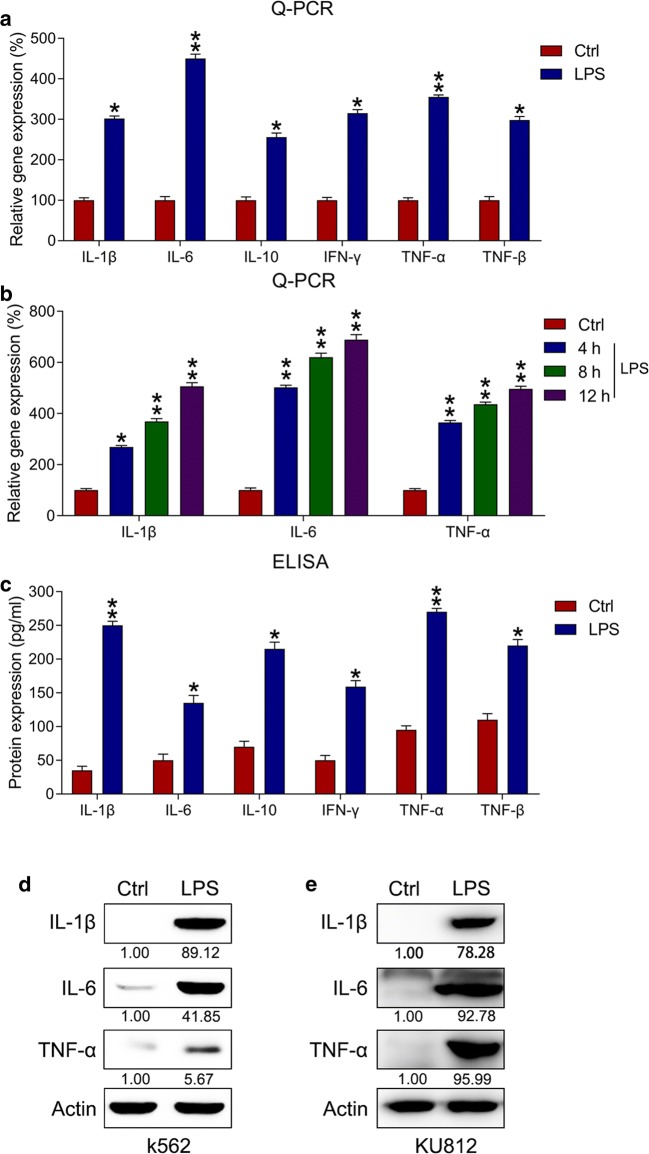
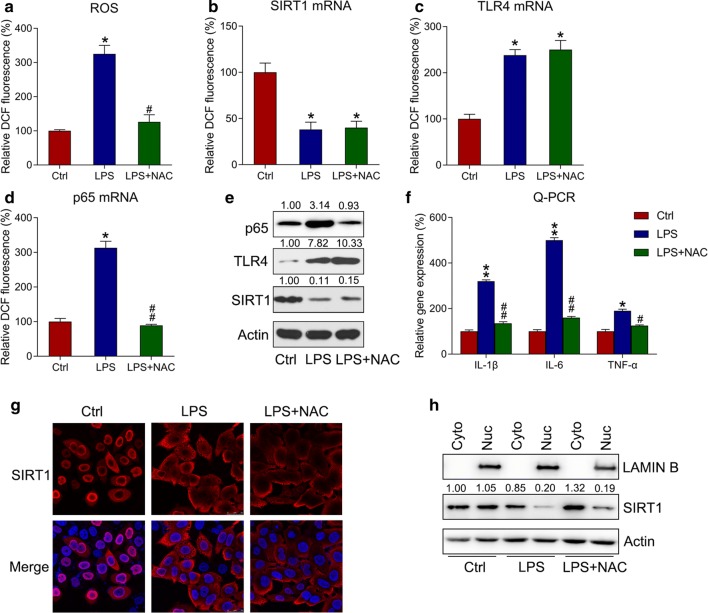
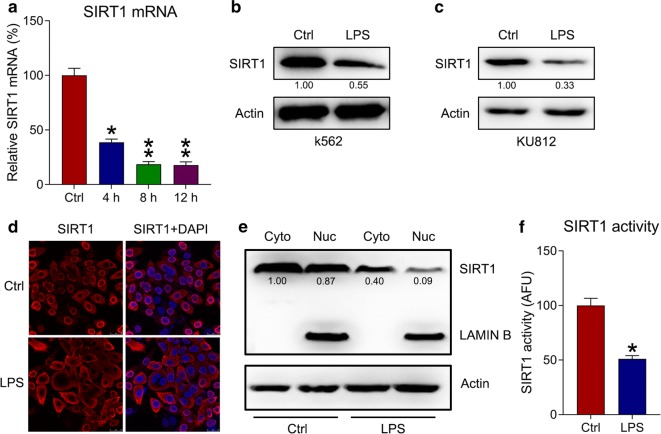
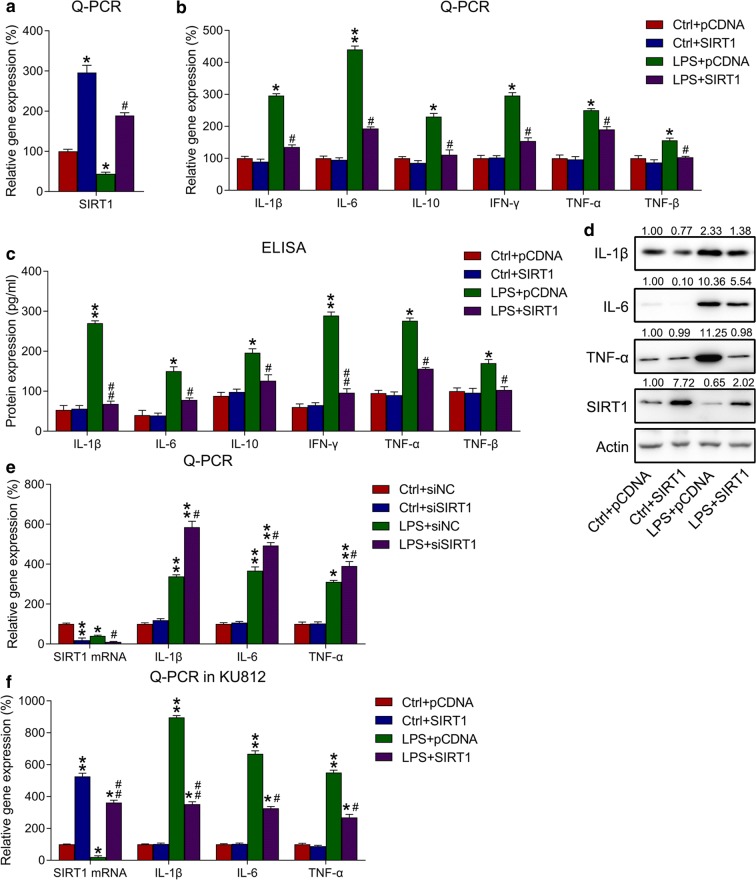
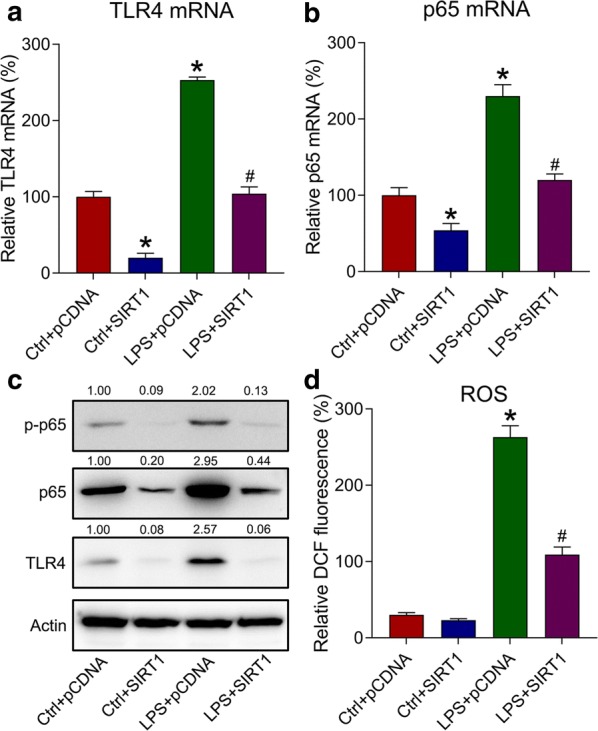
In our study, the LPS-induced inflammation in k562 cells was reflected by increases in levels of diverse inflammatory cytokines, including interleukin (IL)-10, IL-1β, IL-6, interferon-γ, tumor necrosis factor (TNF)-α and TNF-β. LPS also decreased SIRT1 expression and nuclear location in k562 cells. Furthermore, SIRT1 overexpression inhibited the release of the above mentioned cytokines in LPS-treated cells. We also determined that LPS stimulation could activate Toll-like receptor 4 (TLR4), the nuclear factor κ B (NFκB) subunit, and p65 and produce reactive oxygen species (ROS) in k562 cells. Nevertheless, SIRT1 overexpression decreased TLR4 expression, thereby repressing the phosphorylation of the NFκB subunit and p65 and decreasing ROS production.
These findings suggest that SIRT1 is a latent therapeutic target for mitigating LPS-induced inflammation via the TLR4-NFκB-ROS signaling axis.
慢性粒细胞白血病(CML)是一种由BCR-ABL转化的造血干细胞引起的克隆性骨髓增殖性肿瘤。先前的研究表明多功能促炎细胞因子与CML的发展有关。据报道,沉默调节蛋白1(SIRT1)以及ADP-核糖基转移酶和脱乙酰酶可能影响CML细胞活力和炎症。
本研究旨在探索SIRT1参与脂多糖(LPS)触发的CML k562细胞炎症反应的机制。
在我们的研究中,k562细胞中LPS诱导的炎症反应表现为多种炎性细胞因子水平升高,包括白细胞介素(IL)-10、IL-1β、IL-6、干扰素-γ、肿瘤坏死因子(TNF)-α和TNF-β。LPS还降低了k562细胞中SIRT1的表达和核定位。此外,SIRT1过表达抑制了LPS处理细胞中上述细胞因子的释放。我们还确定LPS刺激可激活k562细胞中的Toll样受体4(TLR⑷、核因子κB(NFκB)亚基和p65,并产生活性氧(ROS)。然而,SIRT1过表达降低了TLR4的表达,从而抑制了NFκB亚基和p65的磷酸化,并减少了ROS的产生。
这些发现表明,SIRT1是通过TLR4-NFκB-ROS信号轴减轻LPS诱导炎症的潜在治疗靶点。