College of Pharmacy, Guangxi University of Chinese Medicine, Nanning, China.
State Key Laboratory of Innovative Drug and Efficient Energy-Saving Pharmaceutical Equipment, Jiangxi University of Traditional Chinese Medicine, Nanchang, China.
Front Immunol. 2022 Feb 25;13:846384. doi: 10.3389/fimmu.2022.846384. eCollection 2022.
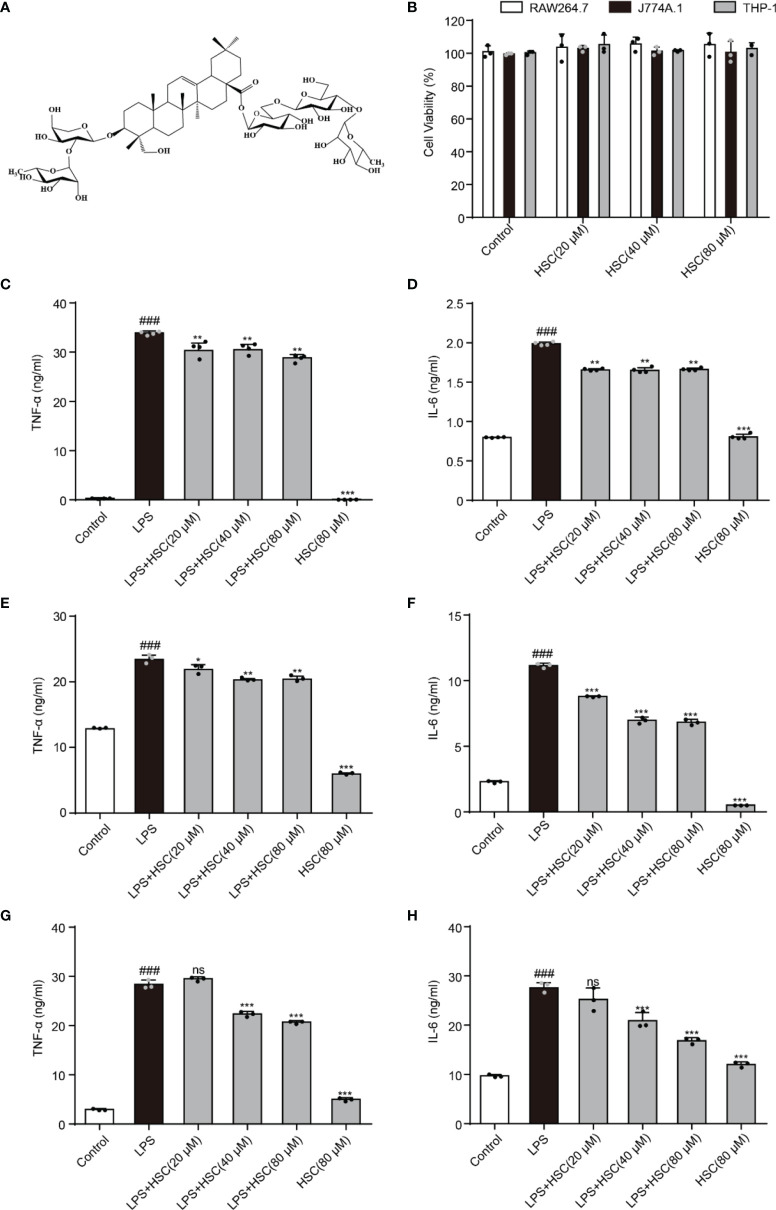
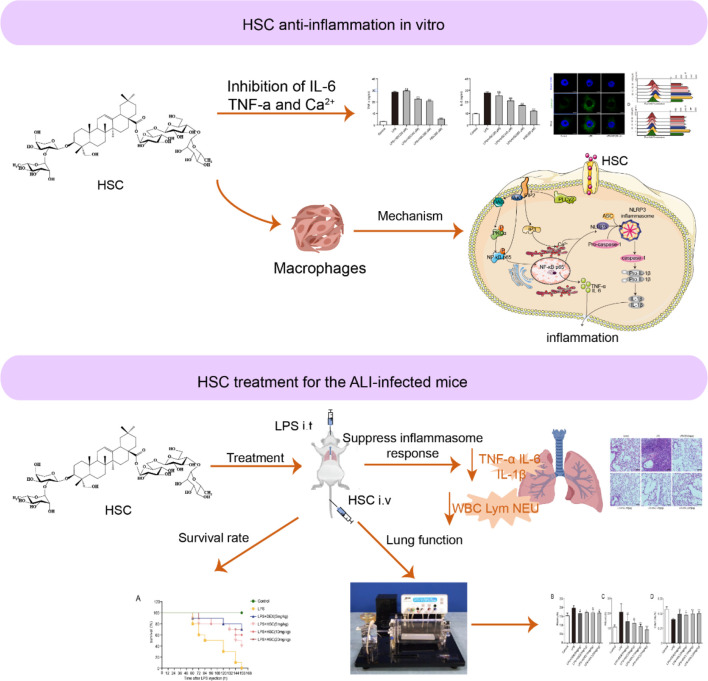
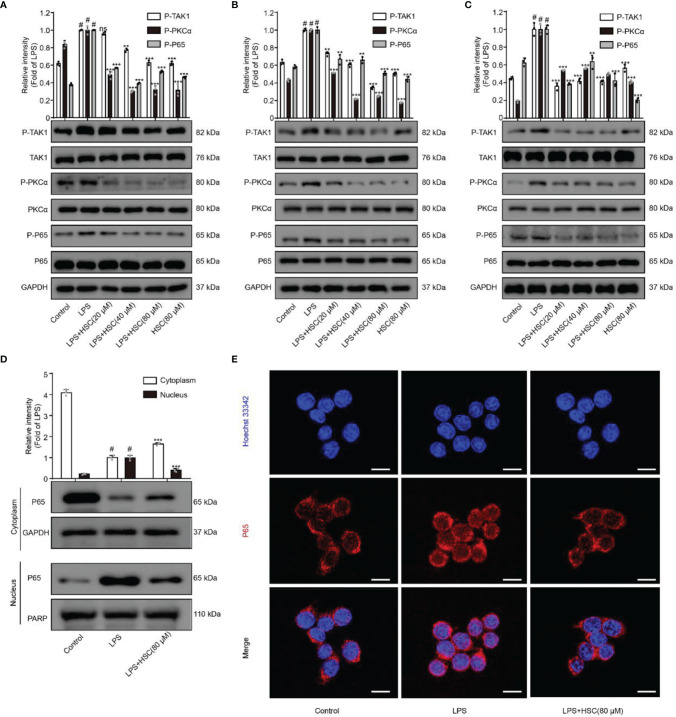
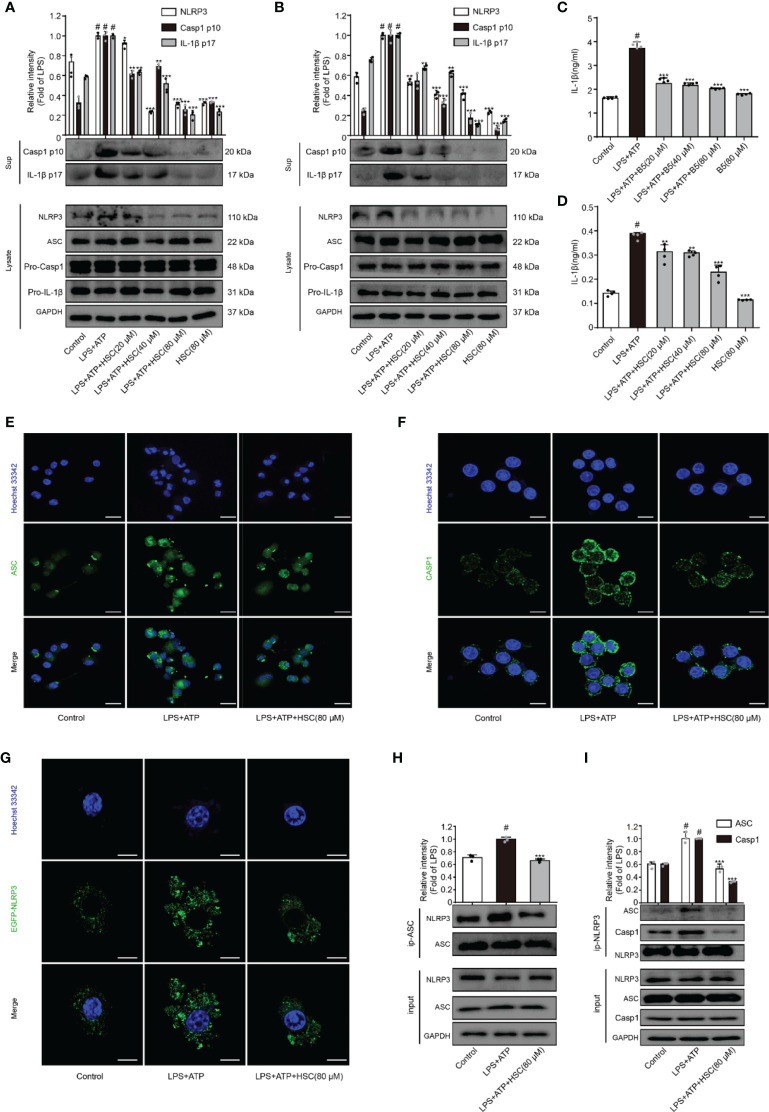
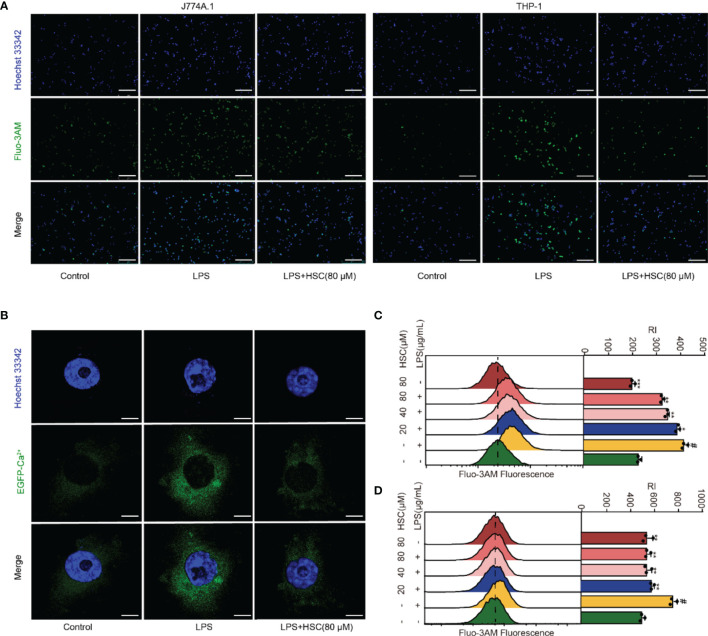
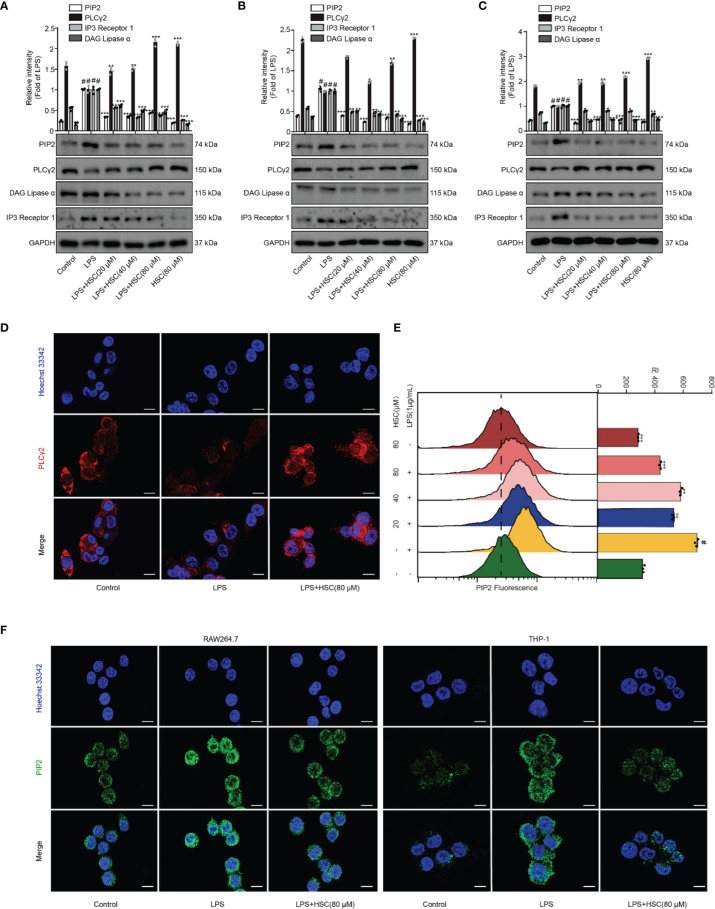
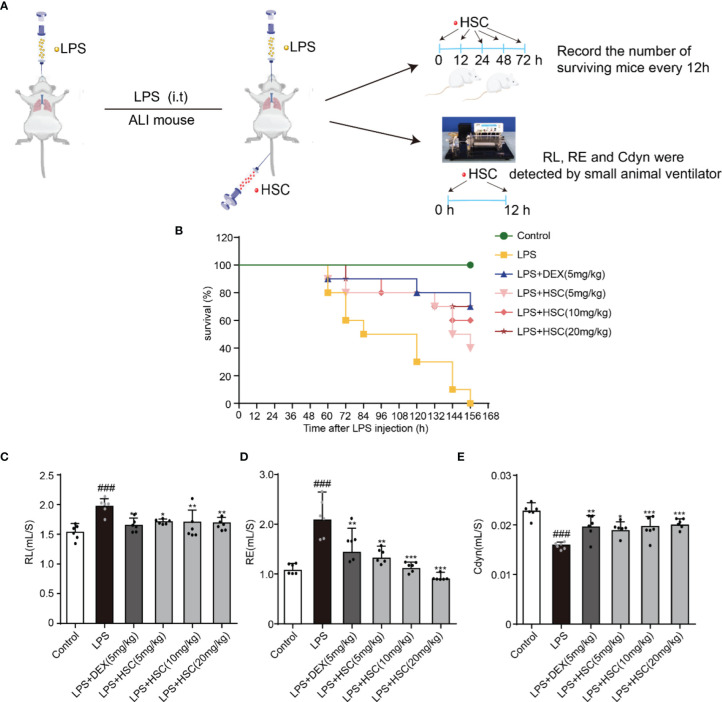
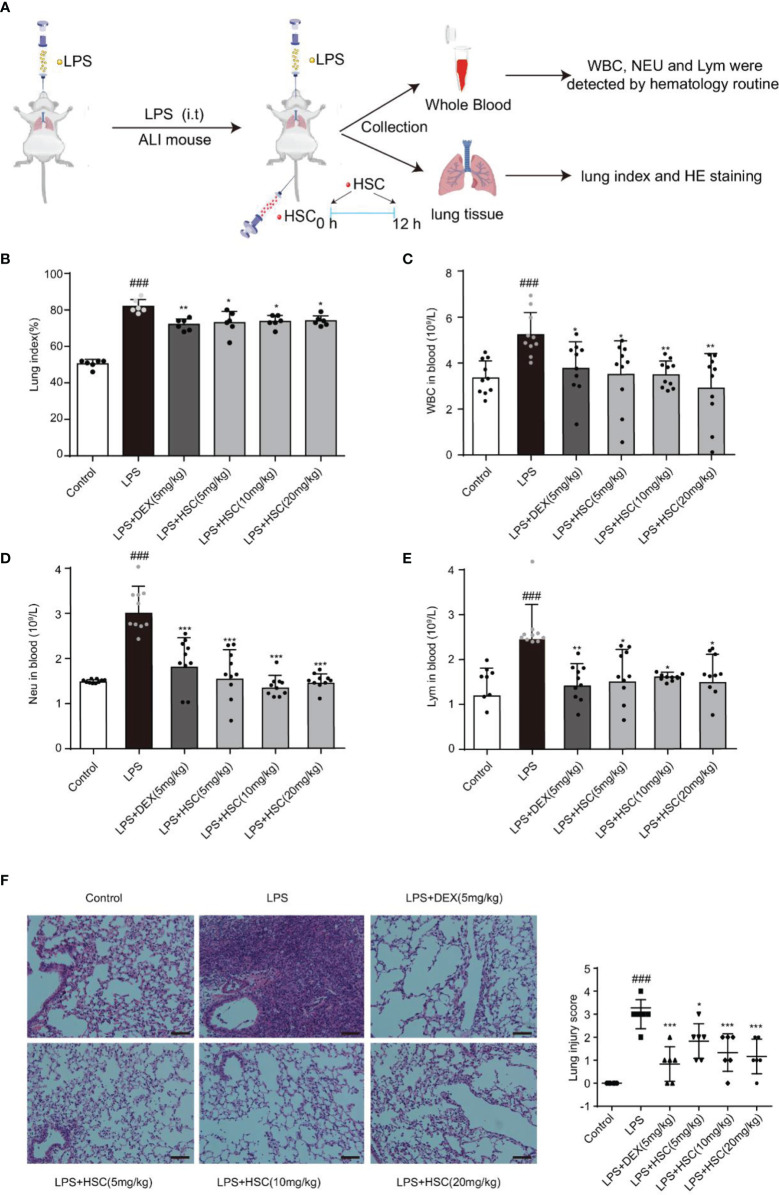
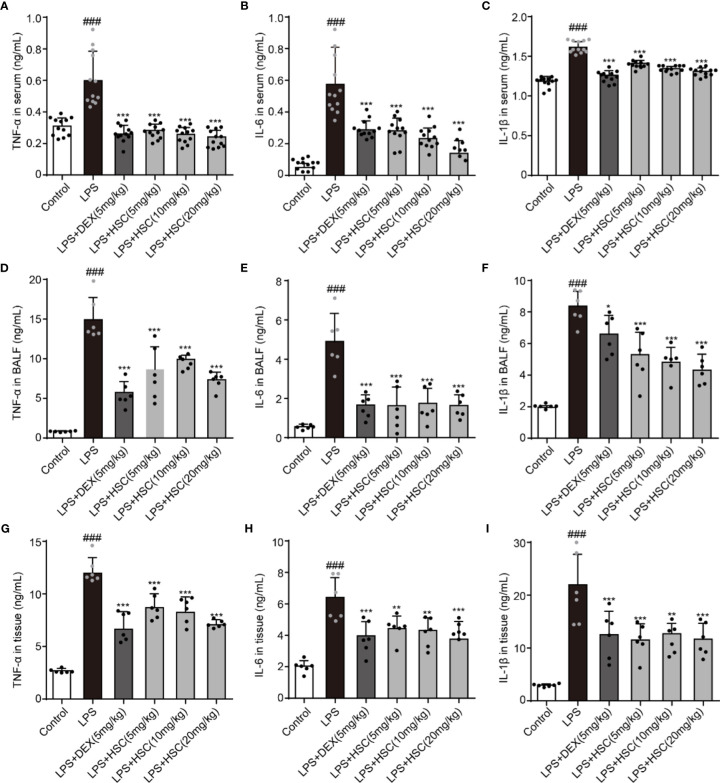
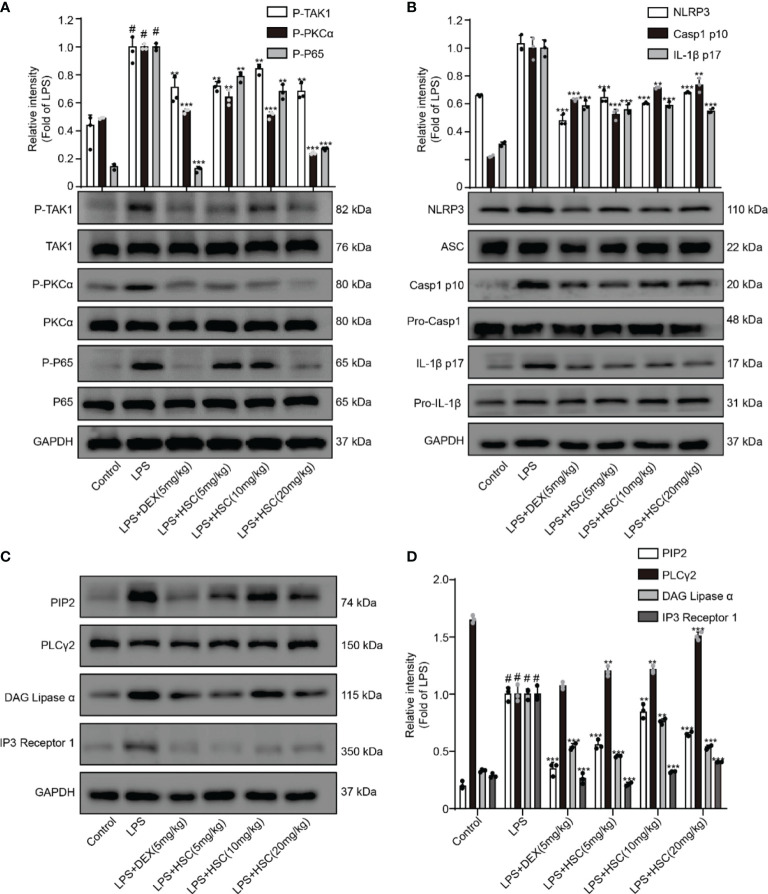
Gene transcription is governed by epigenetic regulation that is essential for the pro-inflammatory mediators surge following pathological triggers. Acute lung injury (ALI) is driven by pro-inflammatory cytokines produced by the innate immune system, which involves the nod-like receptor 3 (NLRP3) inflammasome and nuclear factor-κB (NF-κB) pathways. These two pathways are interconnected and share a common inducer the phosphatidylinositol 4,5-bisphosphate (PIP2), an epigenetic regulator of (Ribosomal ribonucleic acid (rRNA) gene transcription, to regulate inflammation by the direct inhibition of NF-κB phosphorylation and NLRP3 inflammasome activation. Herein, we report that hederasaponin C (HSC) exerted a therapeutic effect against ALI through the regulation of the PIP2/NF-κB/NLRP3 signaling pathway. In lipopolysaccharide (LPS)/lipopolysaccharide + adenosine triphosphate (LPS+ATP)-stimulated macrophages, our results showed that HSC remarkably inhibited the secretion of interleukin-6 (IL-6), IL-1β, and tumor necrosis factor-α (TNF-α). Moreover, HSC inhibited NF-κB/p65 nuclear translocation and the binding of PIP2 to transforming growth factor-β activated kinase 1 (TAK1). The intracellular calcium (Ca) level was decreased by HSC the PIP2 signaling pathway, which subsequently inhibited the activation of NLRP3 inflammasome. HSC markedly alleviated LPS-induced ALI, restored lung function of mice, and rescued ALI-induced mice death. In addition, HSC significantly reduced the level of white blood cells (WBC), neutrophils, and lymphocytes, as well as pro-inflammatory mediators like IL-6, IL-1β, and TNF-α. Hematoxylin and eosin (H&E) staining results suggested HSC has a significant therapeutic effect on lung injury of mice. Interestingly, the PIP2/NF-κB/NLRP3 signaling pathway was further confirmed by the treatment of HSC with ALI, which is consistent with the treatment of HSC with LPS/LPS+ATP-stimulated macrophages. Overall, our findings revealed that HSC demonstrated significant anti-inflammatory activity through modulating the PIP2/NF-κB/NLRP3 axis and , suggesting that HSC is a potential therapeutic agent for the clinical treatment of ALI.
基因转录受表观遗传调控,对于病理触发后促炎介质的激增至关重要。急性肺损伤 (ALI) 是由先天免疫系统产生的促炎细胞因子驱动的,其中涉及核苷酸结合寡聚化结构域样受体 3 (NLRP3) 炎性体和核因子-κB (NF-κB) 途径。这两条途径相互关联,共享一个共同的诱导剂磷脂酰肌醇 4,5-二磷酸 (PIP2),它是核糖体核糖核酸 (rRNA) 基因转录的表观遗传调节剂,通过直接抑制 NF-κB 磷酸化和 NLRP3 炎性体激活来调节炎症。在此,我们报告称,栀子苷 C (HSC) 通过调节 PIP2/NF-κB/NLRP3 信号通路对 ALI 发挥治疗作用。在脂多糖 (LPS)/脂多糖+三磷酸腺苷 (LPS+ATP) 刺激的巨噬细胞中,我们的结果表明 HSC 可显著抑制白细胞介素-6 (IL-6)、白细胞介素-1β (IL-1β) 和肿瘤坏死因子-α (TNF-α) 的分泌。此外,HSC 抑制 NF-κB/p65 核易位和 PIP2 与转化生长因子-β 激活激酶 1 (TAK1) 的结合。HSC 通过降低细胞内钙 (Ca) 水平抑制 PIP2 信号通路,从而抑制 NLRP3 炎性体的激活。HSC 显著减轻 LPS 诱导的 ALI,恢复小鼠肺功能,并挽救 ALI 诱导的小鼠死亡。此外,HSC 显著降低白细胞 (WBC)、中性粒细胞和淋巴细胞的水平,以及白细胞介素-6 (IL-6)、白细胞介素-1β (IL-1β) 和肿瘤坏死因子-α (TNF-α) 等促炎介质的水平。苏木精和伊红 (H&E) 染色结果表明 HSC 对小鼠肺损伤有显著的治疗作用。有趣的是,HSC 对 ALI 的治疗进一步证实了 PIP2/NF-κB/NLRP3 信号通路的存在,这与 HSC 对 LPS/LPS+ATP 刺激的巨噬细胞的治疗一致。总的来说,我们的研究结果表明,HSC 通过调节 PIP2/NF-κB/NLRP3 轴表现出显著的抗炎活性,提示 HSC 是治疗 ALI 的潜在治疗药物。