Vogelsang-O'Dwyer Martin, Petersen Iben Lykke, Joehnke Marcel Skejovic, Sørensen Jens Christian, Bez Juergen, Detzel Andreas, Busch Mirjam, Krueger Martina, O'Mahony James A, Arendt Elke K, Zannini Emanuele
School of Food and Nutritional Sciences, University College Cork, T12 YN60 Cork, Ireland.
Department of Food Science, University of Copenhagen, 1958 Frederiksberg C., Denmark.
Foods. 2020 Mar 11;9(3):322. doi: 10.3390/foods9030322.
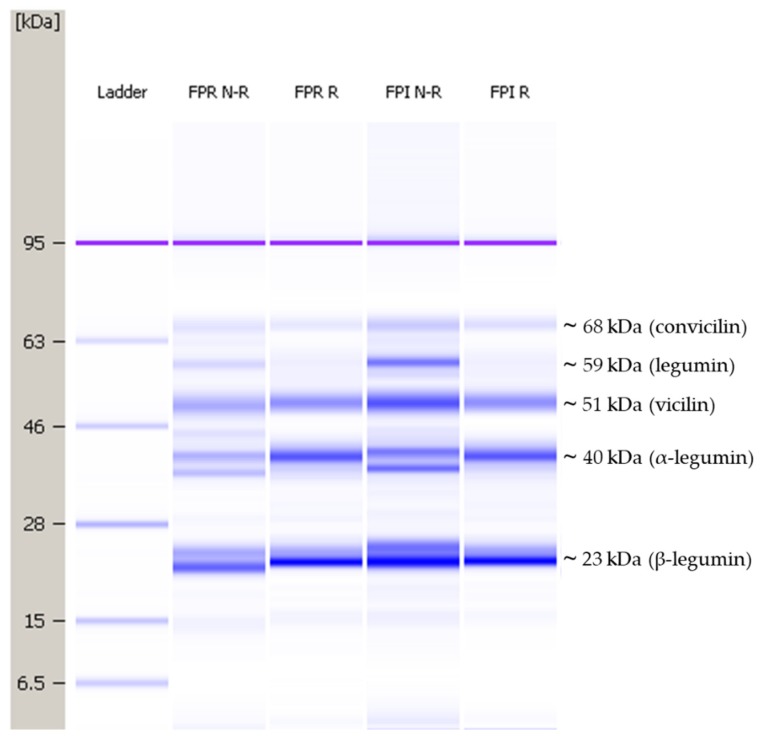
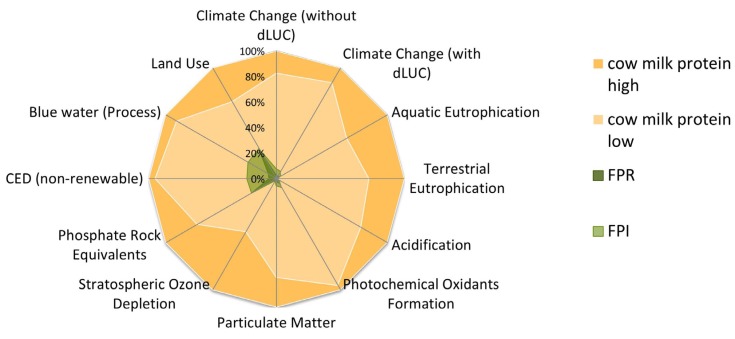
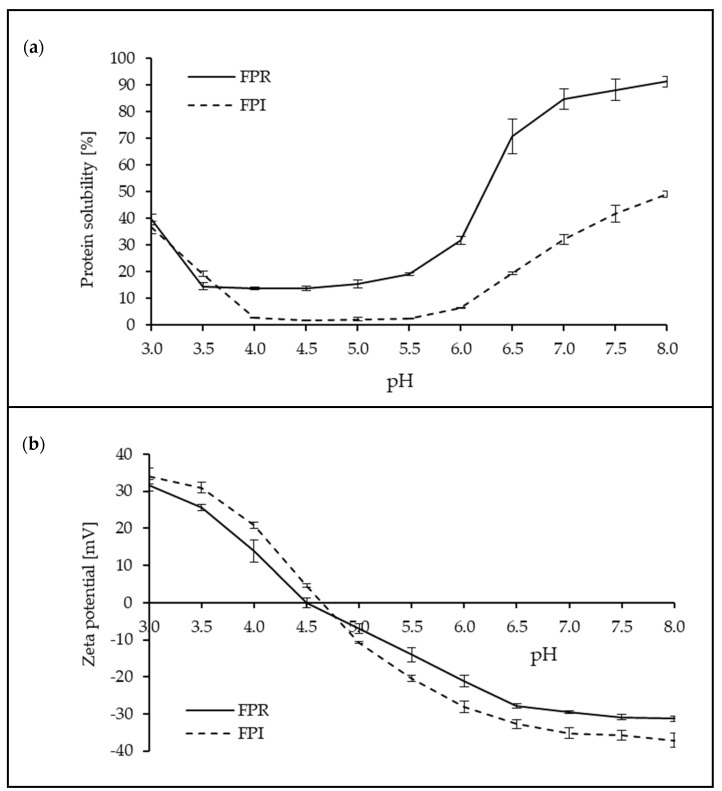
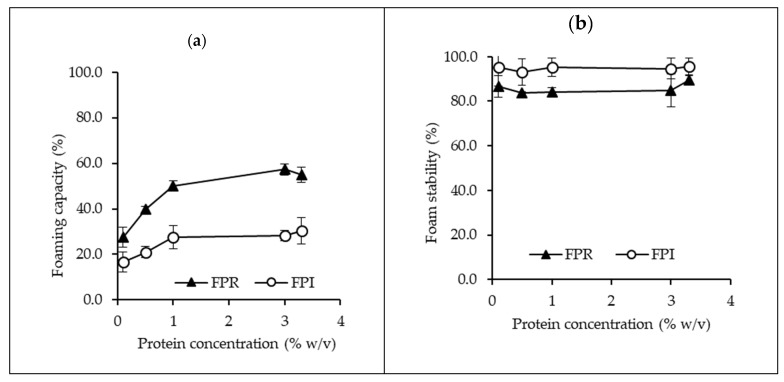
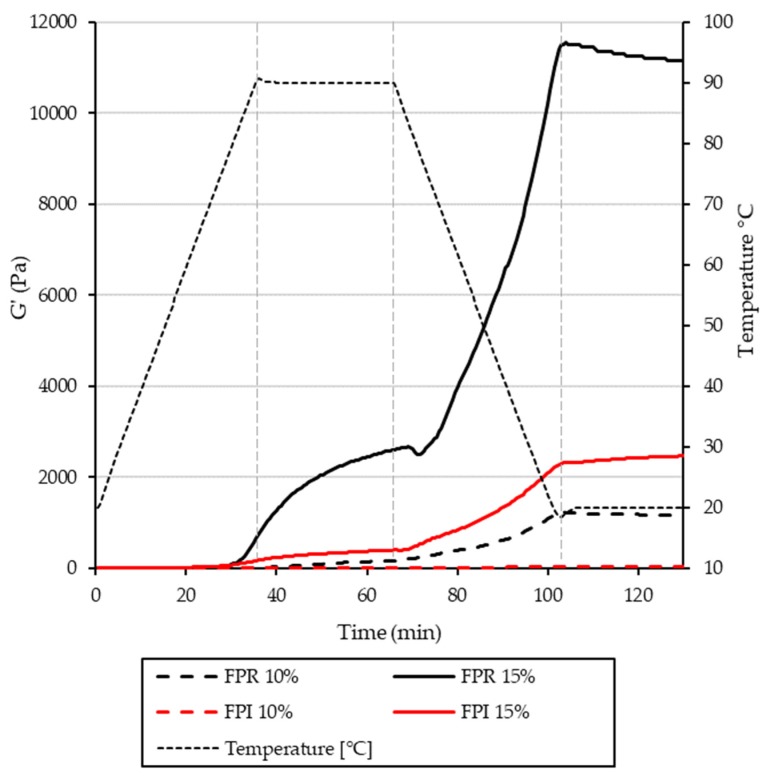
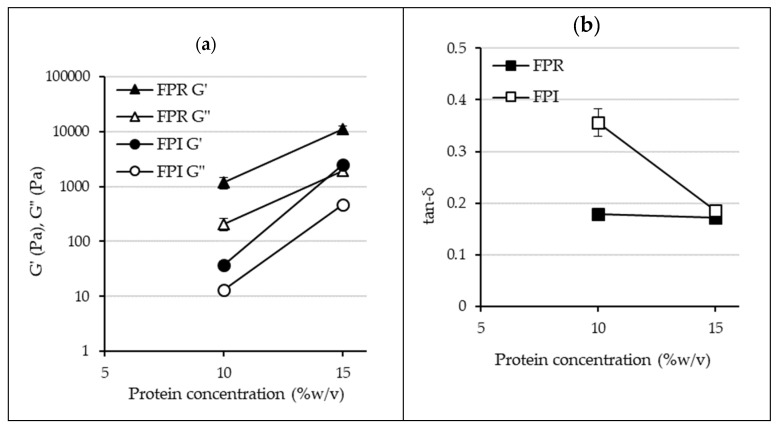
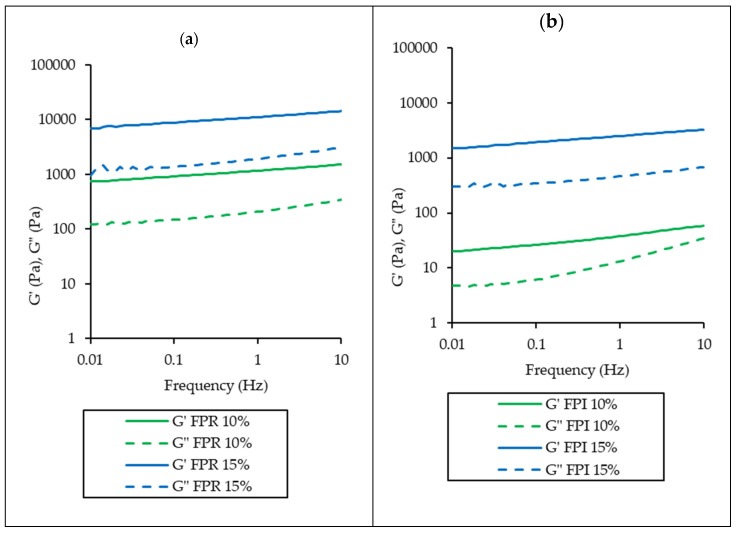
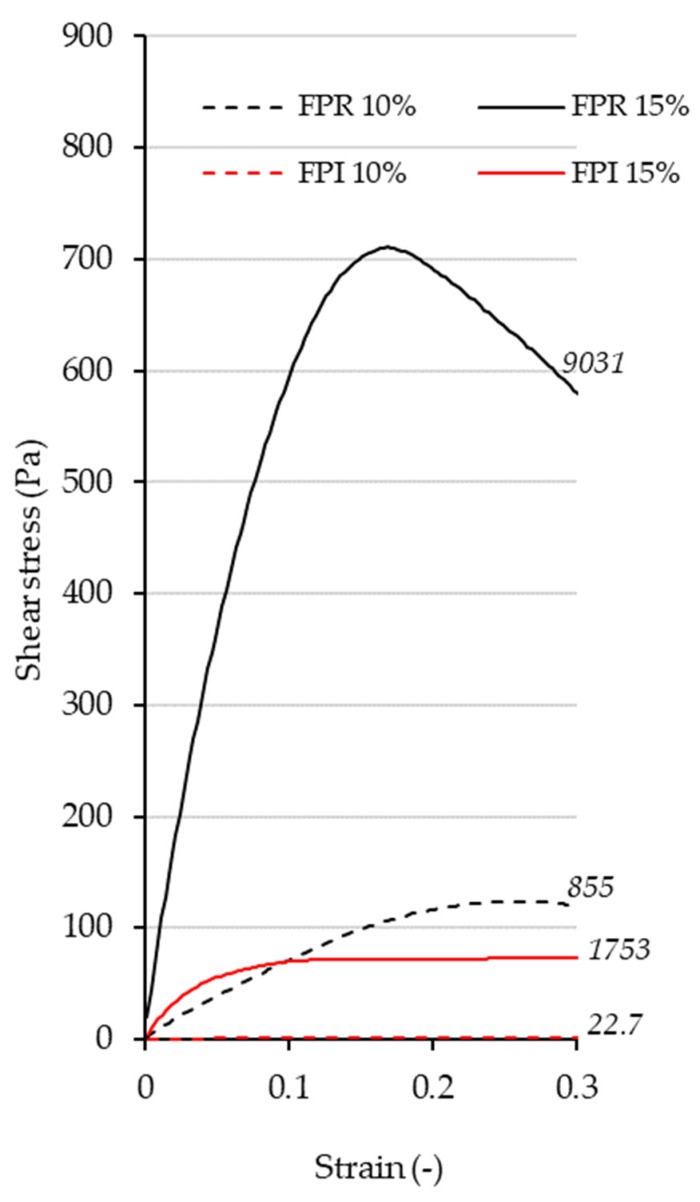
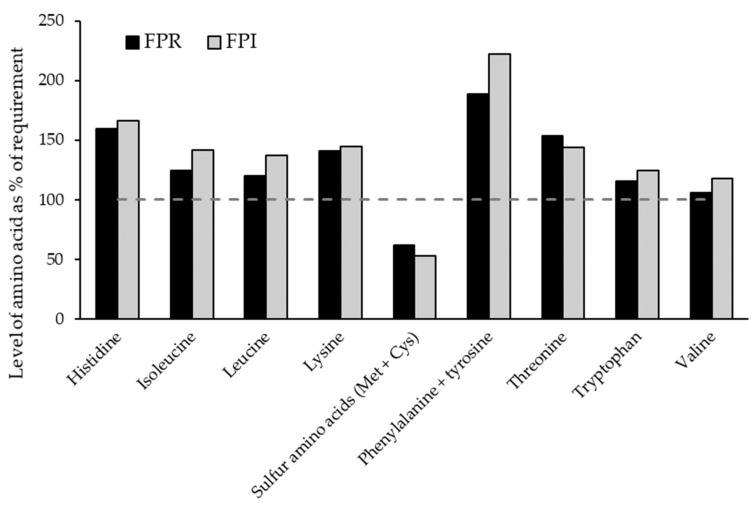
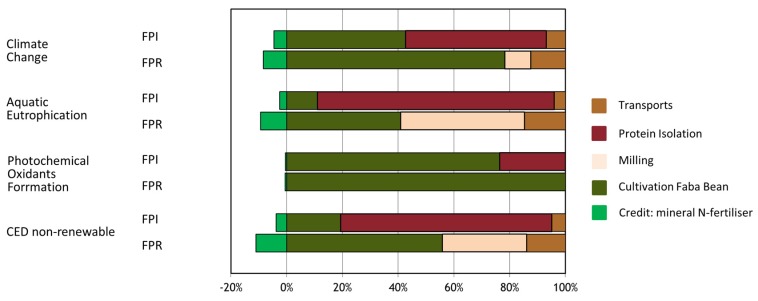
Dry fractionated faba bean protein-rich flour (FPR) produced by milling/air classification, and faba bean protein isolate (FPI) produced by acid extraction/isoelectric precipitation were compared in terms of composition, techno-functional properties, nutritional properties and environmental impacts. FPR had a lower protein content (64.1%, dry matter (DM)) compared to FPI (90.1%, DM), due to the inherent limitations of air classification. Of the two ingredients, FPR demonstrated superior functionality, including higher protein solubility (85%), compared to FPI (32%) at pH 7. Foaming capacity was higher for FPR, although foam stability was similar for both ingredients. FPR had greater gelling ability compared to FPI. The higher carbohydrate content of FPR may have contributed to this difference. An amino acid (AA) analysis revealed that both ingredients were low in sulfur-containing AAs, with FPR having a slightly higher level than FPI. The potential nutritional benefits of the aqueous process compared to the dry process used in this study were apparent in the higher in vitro protein digestibility (IVPD) and lower trypsin inhibitor activity (TIA) in FPI compared to FPR. Additionally, vicine/convicine were detected in FPR, but not in FPI. Furthermore, much lower levels of fermentable oligo-, di- and monosaccharides, and polyols (FODMAPs) were found in FPI compared to FPR. The life cycle assessment (LCA) revealed a lower environmental impact for FPR, partly due to the extra water and energy required for aqueous processing. However, in a comparison with cow's milk protein, both FPR and FPI were shown to have considerably lower environmental impacts.
对通过研磨/空气分级生产的干分馏富含蚕豆蛋白的面粉(FPR)和通过酸提取/等电沉淀生产的蚕豆分离蛋白(FPI)在组成、技术功能特性、营养特性和环境影响方面进行了比较。由于空气分级的固有局限性,FPR的蛋白质含量(干物质(DM)为64.1%)低于FPI(干物质为90.1%)。在这两种成分中,FPR表现出优越的功能,包括在pH值为7时比FPI(32%)具有更高的蛋白质溶解度(85%)。FPR的起泡能力更高,尽管两种成分的泡沫稳定性相似。与FPI相比,FPR具有更强的凝胶化能力。FPR中较高的碳水化合物含量可能导致了这种差异。氨基酸(AA)分析表明,两种成分的含硫氨基酸含量都较低,FPR的含量略高于FPI。与本研究中使用的干法相比,湿法工艺潜在的营养益处表现为FPI的体外蛋白质消化率(IVPD)更高,胰蛋白酶抑制剂活性(TIA)更低。此外,在FPR中检测到了蚕豆嘧啶/异胺基巴比妥酸,但在FPI中未检测到。此外,与FPR相比,FPI中可发酵的低聚糖、二糖、单糖和多元醇(FODMAPs)的含量要低得多。生命周期评估(LCA)显示FPR对环境的影响较小,部分原因是湿法加工需要额外的水和能源。然而,与牛奶蛋白相比,FPR和FPI对环境的影响都要低得多。