Department of Applied Genetics and Cell Biology, University of Natural Resources and Life Sciences (BOKU), Muthgasse 18, Vienna 1190, Austria.
Department of Plant Biology, Carnegie Institution for Science, Stanford, CA 94305, USA; Fujian Provincial Key Laboratory of Agroecological Processing and Safety Monitoring, College of Life Sciences, Fujian Agriculture and Forestry University (FAFU), Fuzhou 350002, China.
Curr Biol. 2020 May 4;30(9):1579-1588.e6. doi: 10.1016/j.cub.2020.02.002. Epub 2020 Mar 12.
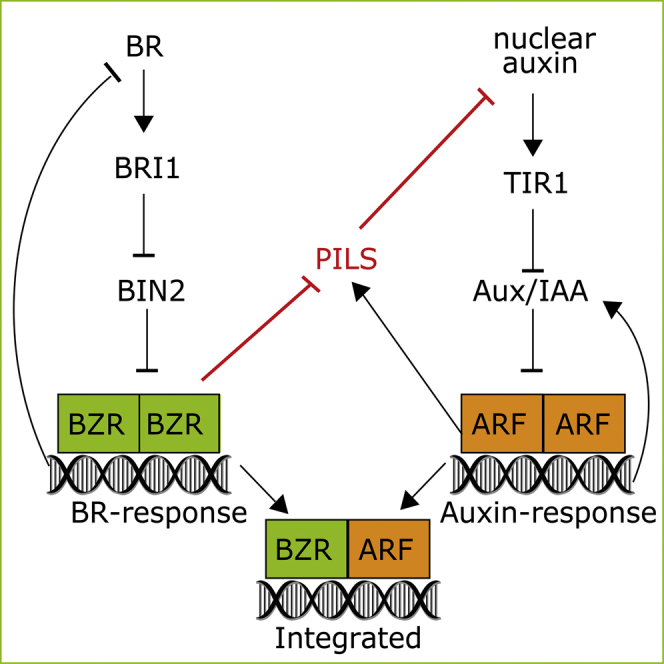
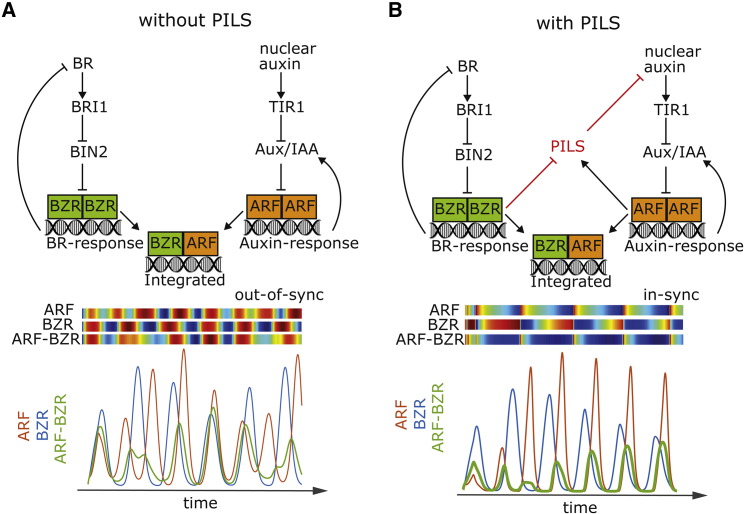
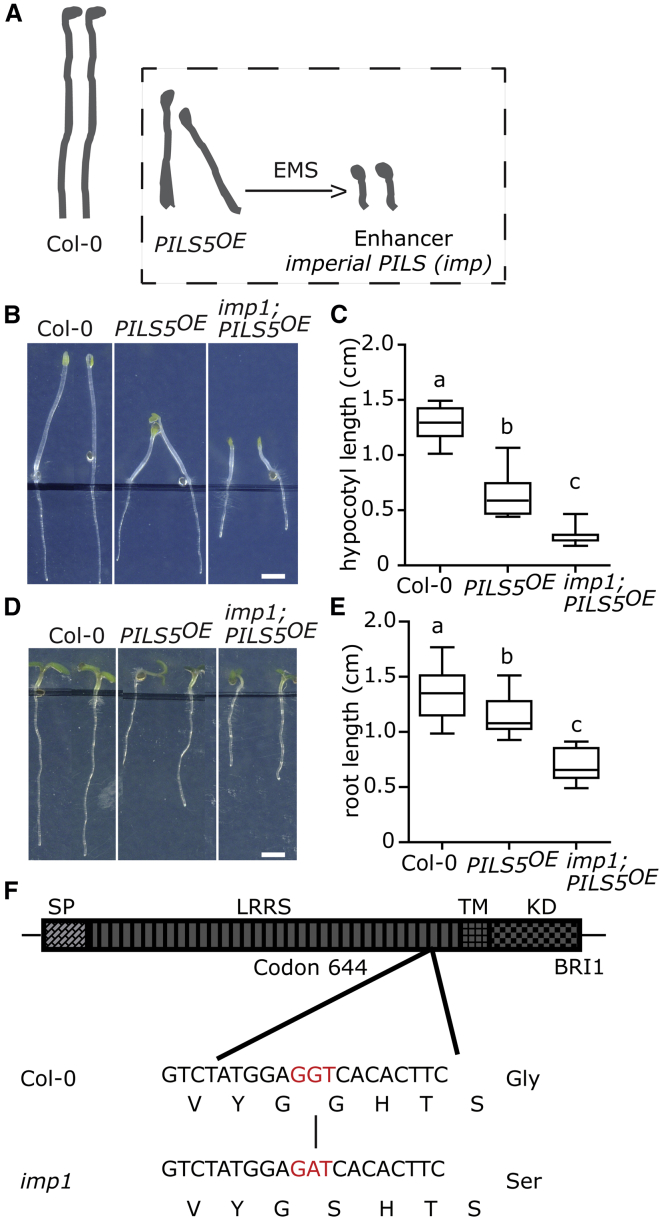
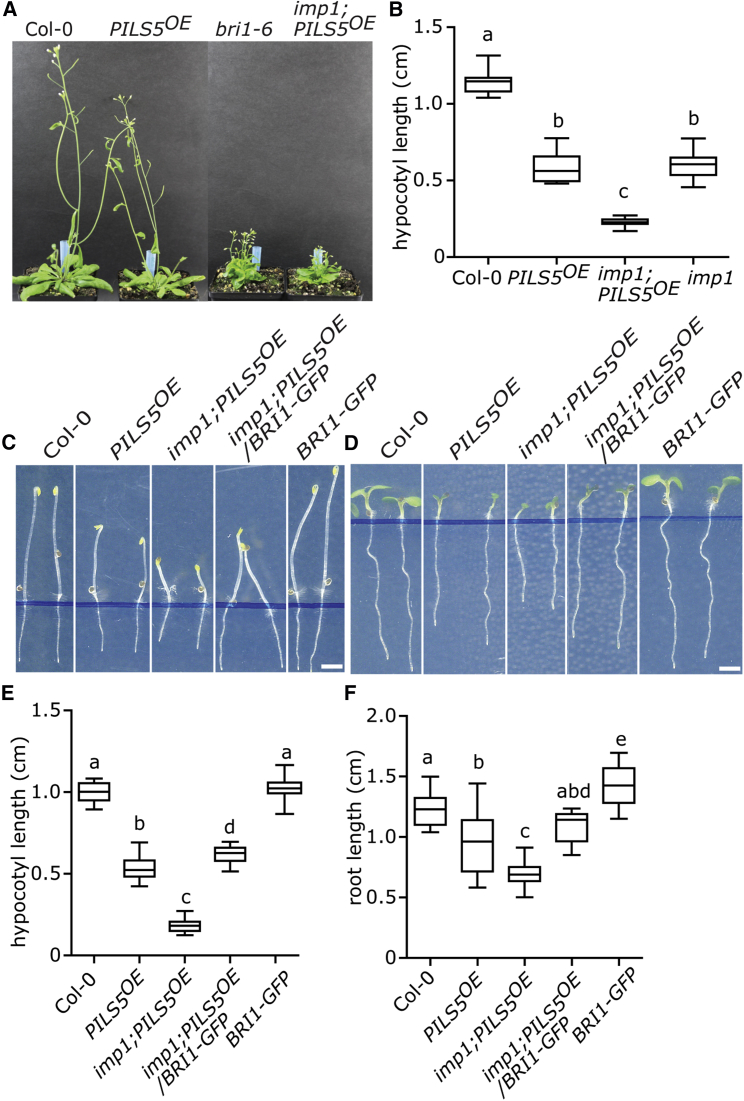
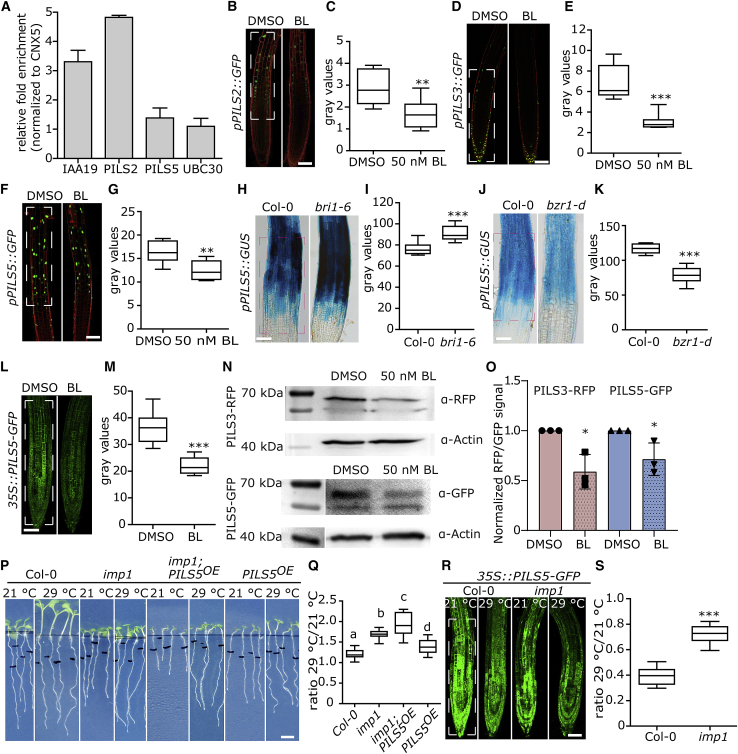
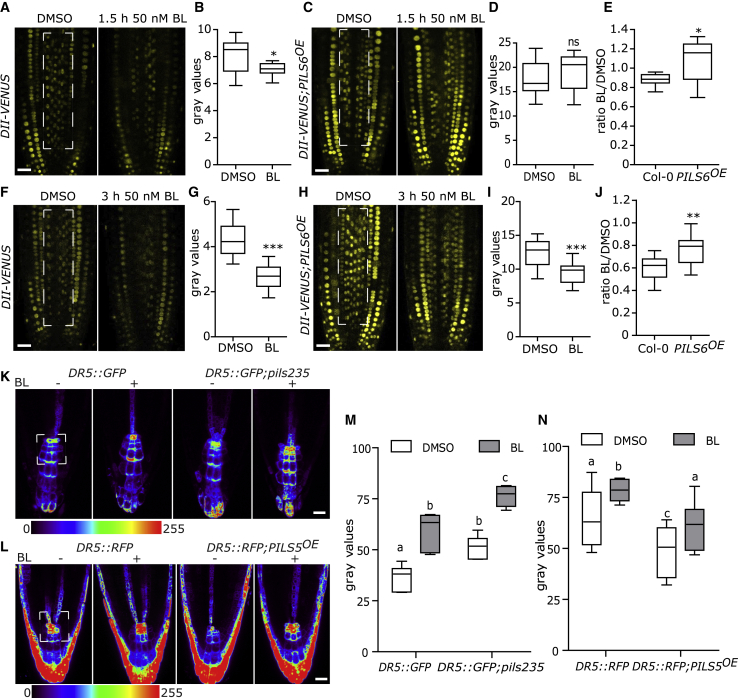
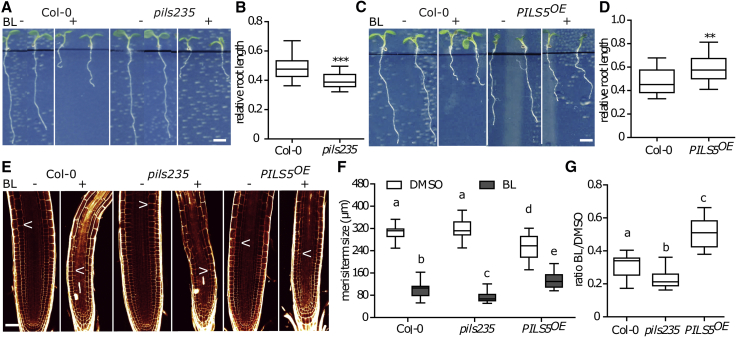
Auxin and brassinosteroids (BR) are crucial growth regulators and display overlapping functions during plant development. Here, we reveal an alternative phytohormone crosstalk mechanism, revealing that BR signaling controls PIN-LIKES (PILS)-dependent nuclear abundance of auxin. We performed a forward genetic screen for imperial pils (imp) mutants that enhance the overexpression phenotypes of PILS5 putative intracellular auxin transport facilitator. Here, we report that the imp1 mutant is defective in the BR-receptor BRASSINOSTEROID INSENSITIVE 1 (BRI1). Our set of data reveals that BR signaling transcriptionally and post-translationally represses the accumulation of PILS proteins at the endoplasmic reticulum, thereby increasing nuclear abundance and signaling of auxin. We demonstrate that this alternative phytohormonal crosstalk mechanism integrates BR signaling into auxin-dependent organ growth rates and likely has widespread importance for plant development.
生长素和油菜素内酯(BR)是至关重要的生长调节剂,在植物发育过程中表现出重叠的功能。在这里,我们揭示了一种替代的植物激素相互作用机制,表明 BR 信号控制 PIN-LIKES(PILS)依赖性生长素的核内丰度。我们进行了正向遗传筛选,以寻找增强 PILS5 假定细胞内生长素运输促进剂过表达表型的 imperial pils(imp)突变体。在这里,我们报告 imp1 突变体在 BR 受体 BRASSINOSTEROID INSENSITIVE 1(BRI1)中存在缺陷。我们的一组数据表明,BR 信号转导转录后抑制 PILS 蛋白在内质网上的积累,从而增加生长素的核内丰度和信号。我们证明,这种替代的植物激素相互作用机制将 BR 信号整合到生长素依赖性器官生长速度中,并且可能对植物发育具有广泛的重要性。