Department of Medicine, Division of Pulmonary and Critical Care Medicine, Washington University in St. Louis School of Medicine, St. Louis, MO, USA.
Departments of Pediatrics and Internal Medicine, Yale School of Medicine, New Haven, CT, USA.
Pediatr Res. 2020 Dec;88(6):917-924. doi: 10.1038/s41390-020-0839-0. Epub 2020 Mar 14.
Hurricane Maria struck Puerto Rico on 20 September 2017 causing catastrophic devastation. Prolonged shortage of food had been a substantial challenge to the residents after Maria. Experiencing food insecurity in utero has been associated with negative health outcomes later in life. We aim to examine whether there is any alteration in the infant gut microbiome that is associated with prenatal food insecurity.
We established a cohort of infants aged 2-6 months who were exposed in utero to Hurricane Maria near San Juan, Puerto Rico and examined the gut microbiota (n = 29) using 16S ribosomal RNA gene sequencing.
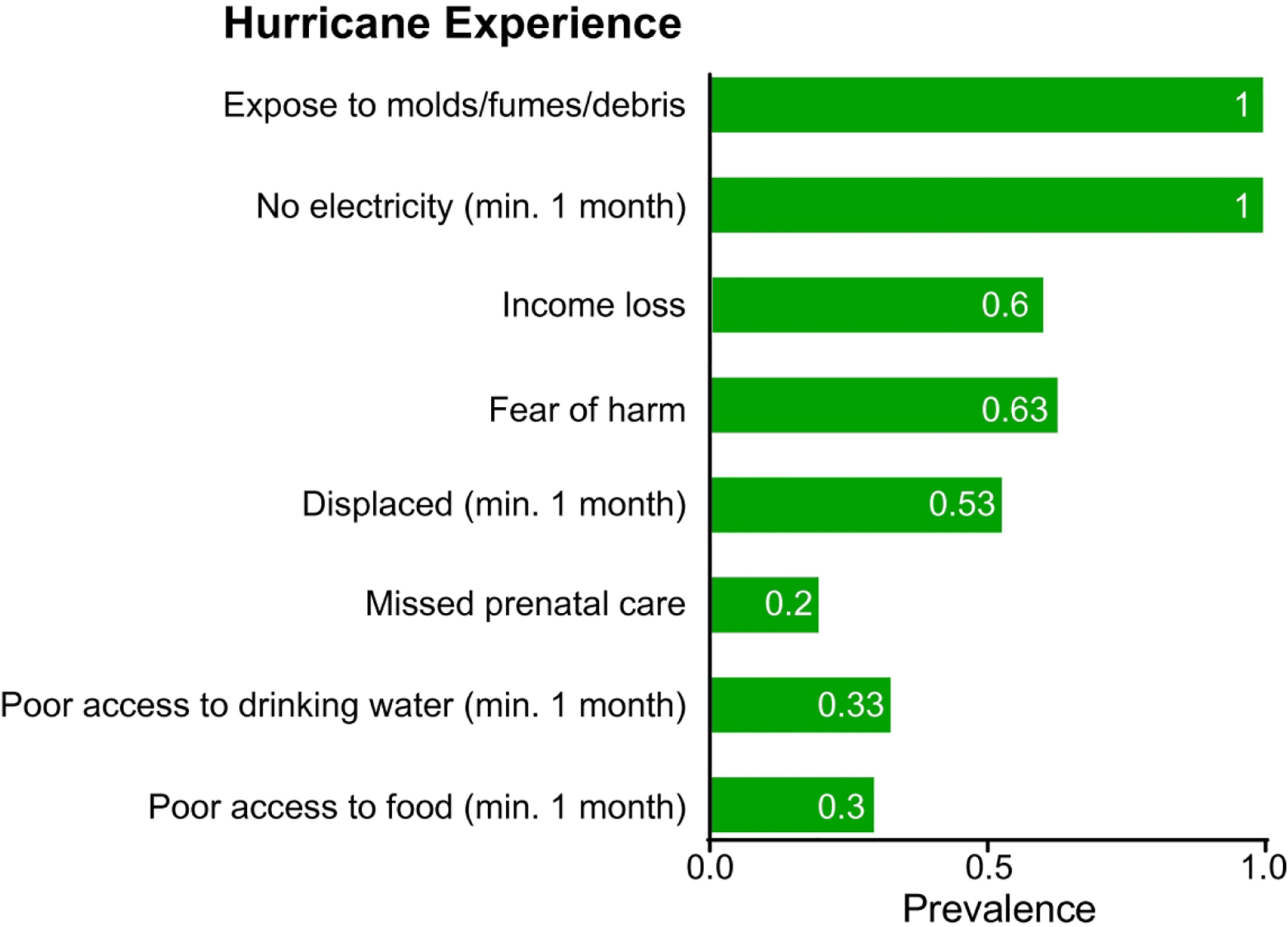
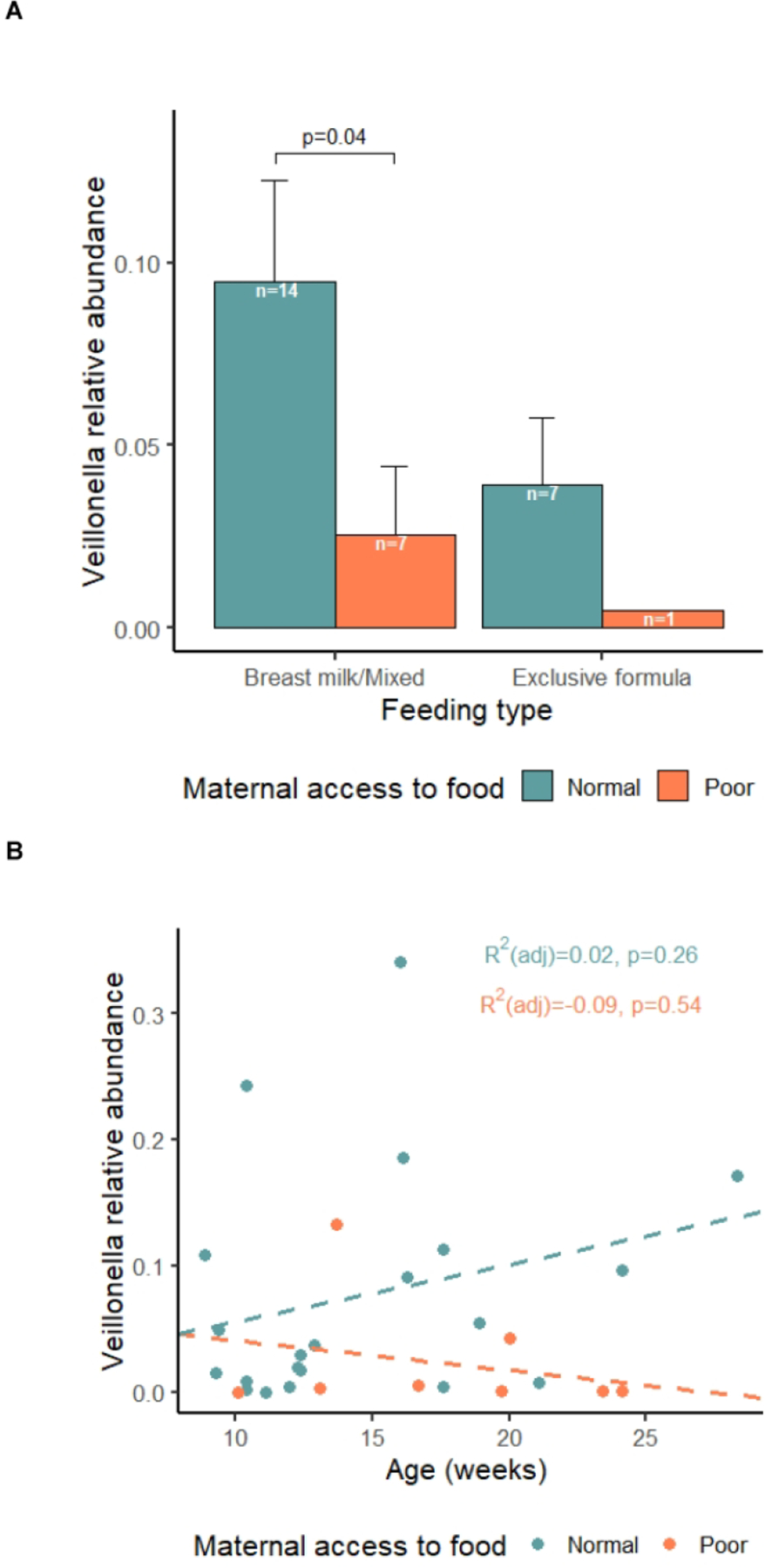
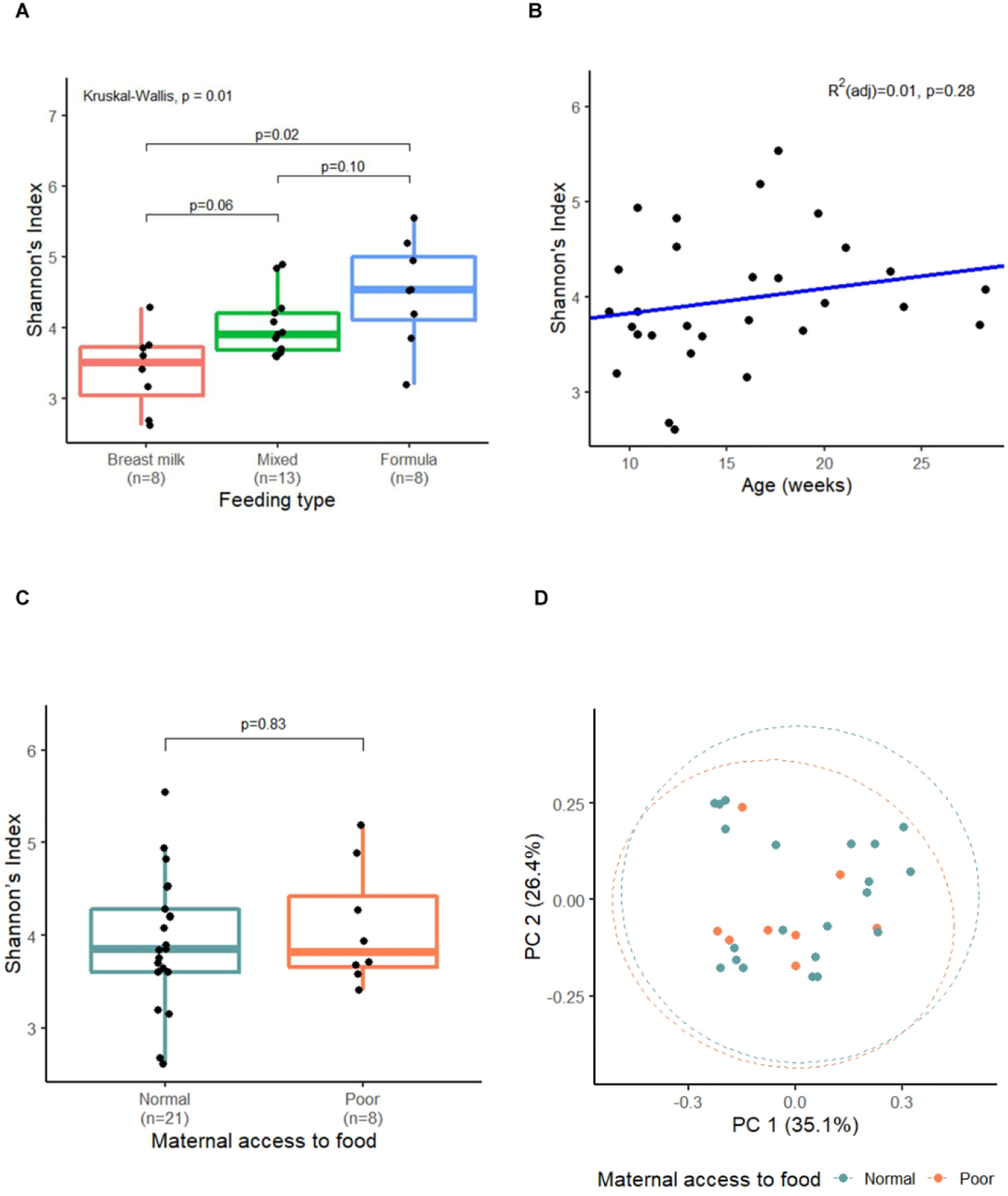
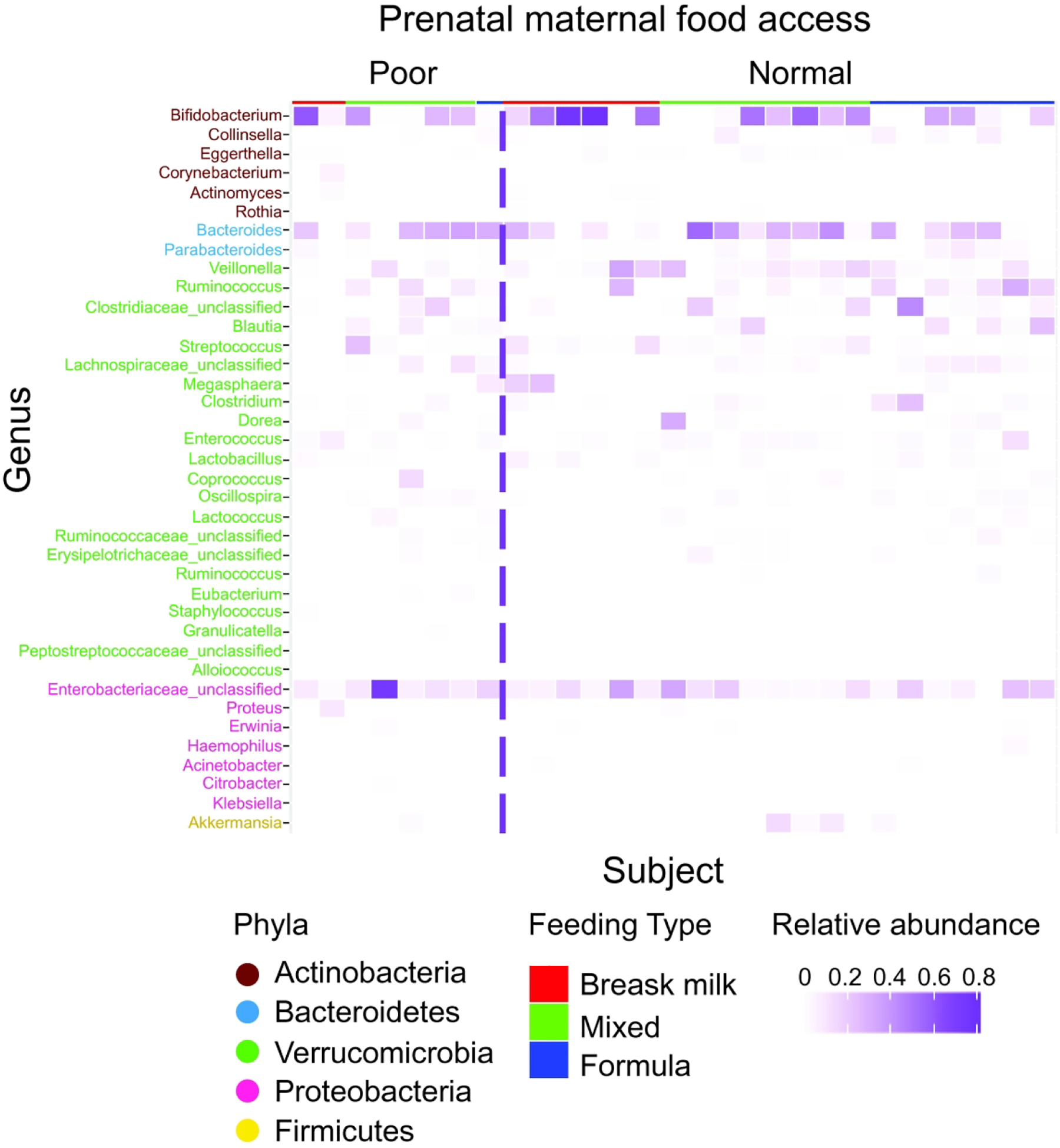
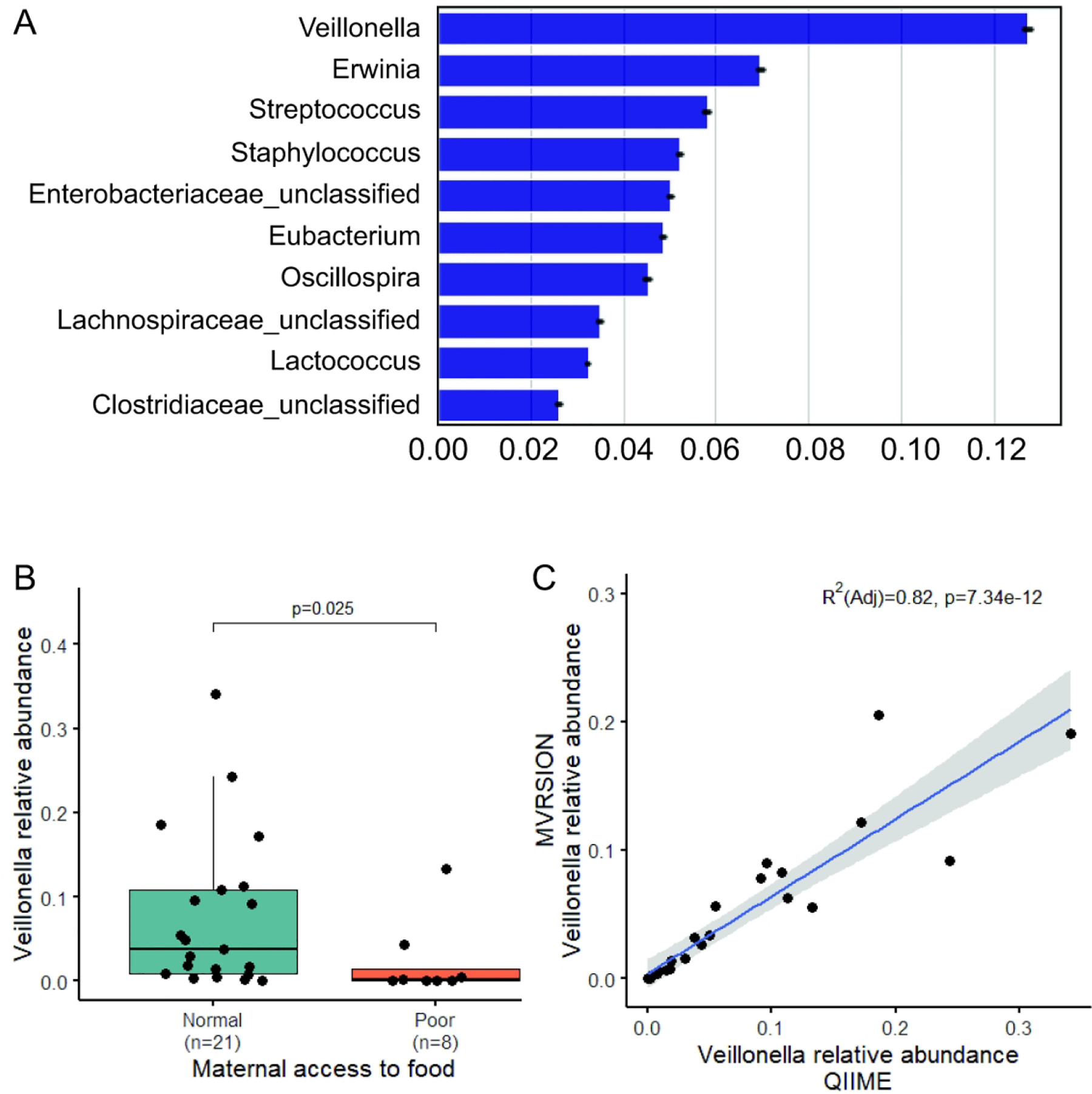
Among the enrolled infants, 30% of their mothers experienced "post-Maria poor access to food" for at least 1 month during pregnancy. The relative abundance of gut Veillonella spp. is significantly decreased among infants who experienced prenatal food insecurity, compared to those who did not (adjusted p = 0.025). There is no significant difference observed by prenatal food insecurity at the microbial community level in this cohort.
Our finding indicated that infants who experienced prenatal food insecurity post hurricane harbor microbial alternations of specific bacterial taxa, which may further influence the microbial maturation and place the individual at a high-risk health trajectory.
We identified that in utero exposure to food insecurity post Hurricane Maria is associated with decreased abundance of Veillonella in the infant gut. Our findings indicated that infants who experienced prenatal food insecurity post hurricane may harbor alterations of specific bacterial taxa in their gut microbiota. This study showed the association between prenatal adverse exposure and alterations of gut microbiome early in life in the context of an extreme event. This study provided insights into the mechanisms underlying prenatal adverse exposure and increased disease risks later in life. Our findings will potentially raise awareness of the negative impact of extreme climate events on the unborn.
飓风玛丽亚于 2017 年 9 月 20 日袭击波多黎各,造成了灾难性的破坏。玛丽亚飓风过后,食物长期短缺是居民面临的一个重大挑战。在子宫内经历食物不安全与以后的生活中的负面健康结果有关。我们旨在研究与产前食物不安全相关的婴儿肠道微生物组是否存在任何改变。
我们建立了一个队列,包括在波多黎各圣胡安附近子宫内暴露于飓风玛丽亚的 2-6 个月大的婴儿(n=29),并使用 16S 核糖体 RNA 基因测序来检查肠道微生物群。
在纳入的婴儿中,有 30%的母亲在怀孕期间至少有 1 个月经历了“玛丽亚飓风后食物难以获得”。与没有经历产前食物不安全的婴儿相比,经历过产前食物不安全的婴儿肠道韦荣氏球菌属的相对丰度显著降低(调整后 p=0.025)。在这个队列中,没有观察到产前食物不安全在微生物群落水平上的差异。
我们的发现表明,飓风后经历产前食物不安全的婴儿肠道中存在特定细菌分类群的微生物改变,这可能进一步影响微生物成熟,并使个体处于高健康风险轨迹。
我们发现,飓风玛丽亚后子宫内暴露于食物不安全与婴儿肠道中韦荣氏球菌属丰度的降低有关。我们的研究结果表明,飓风后经历产前食物不安全的婴儿可能在其肠道微生物群中存在特定细菌分类群的改变。这项研究在极端事件的背景下,展示了产前不良暴露与生命早期肠道微生物组改变之间的关联。这项研究提供了关于产前不良暴露和以后生活中增加疾病风险的机制的见解。我们的发现可能会提高人们对极端气候事件对未出生婴儿的负面影响的认识。