Immunology-Vaccinology, Department of Infectious and Parasitic Diseases, Faculty of Veterinary Medicine-FARAH, University of Liège, Liège, Belgium.
MRC-University of Glasgow Centre for Virus Research, Sir Michael Stoker Building, Glasgow G61 1QH, United Kingdom.
PLoS Pathog. 2020 Mar 16;16(3):e1008405. doi: 10.1371/journal.ppat.1008405. eCollection 2020 Mar.
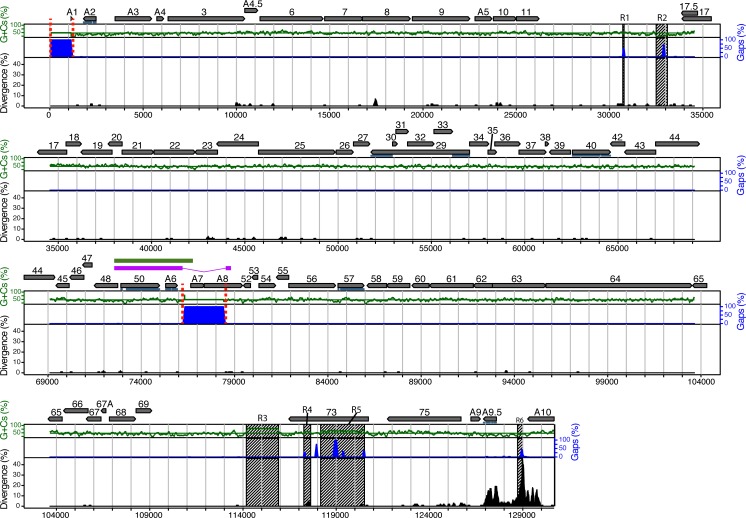
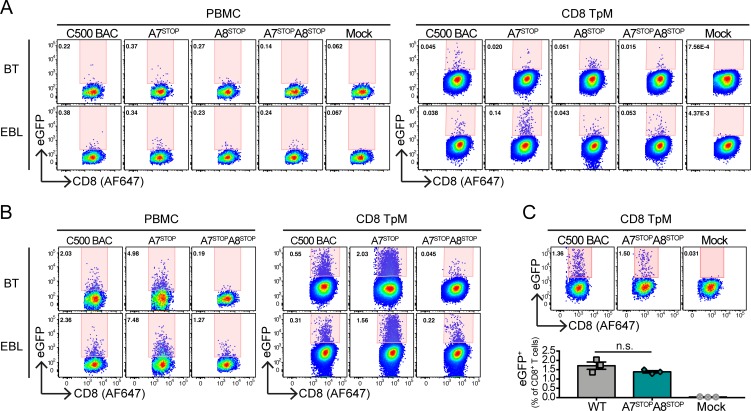
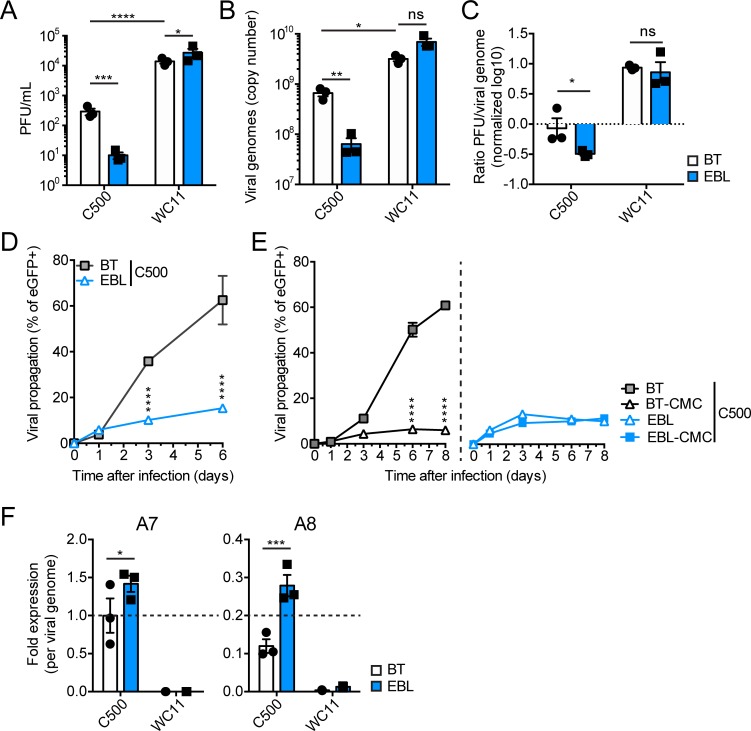
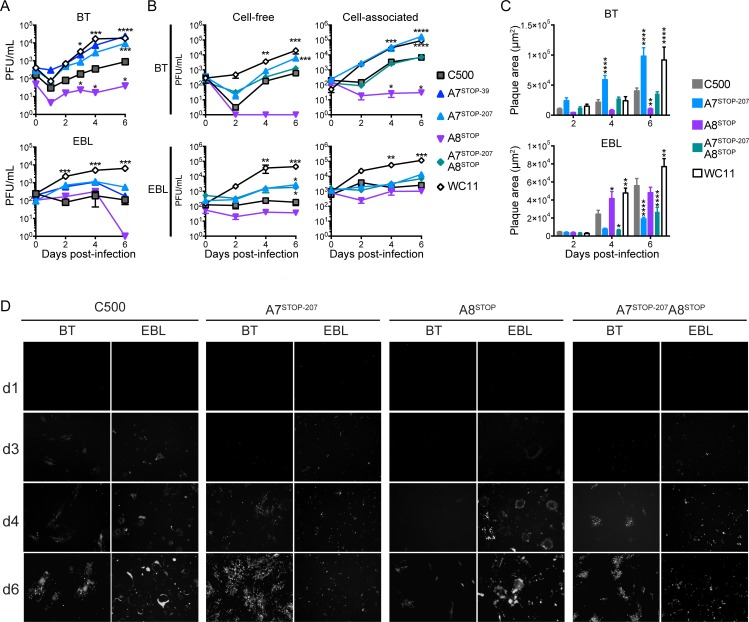
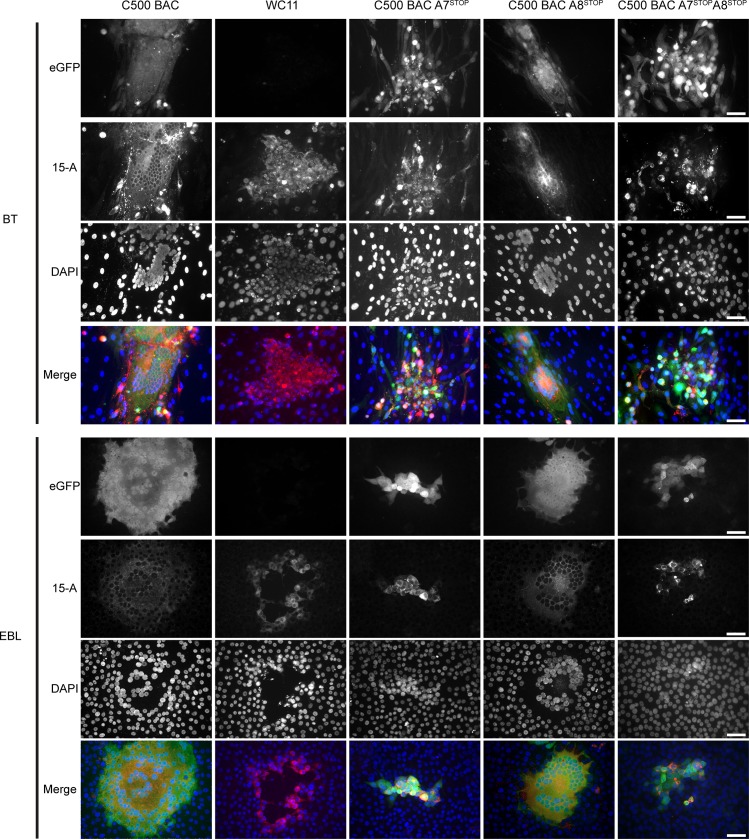
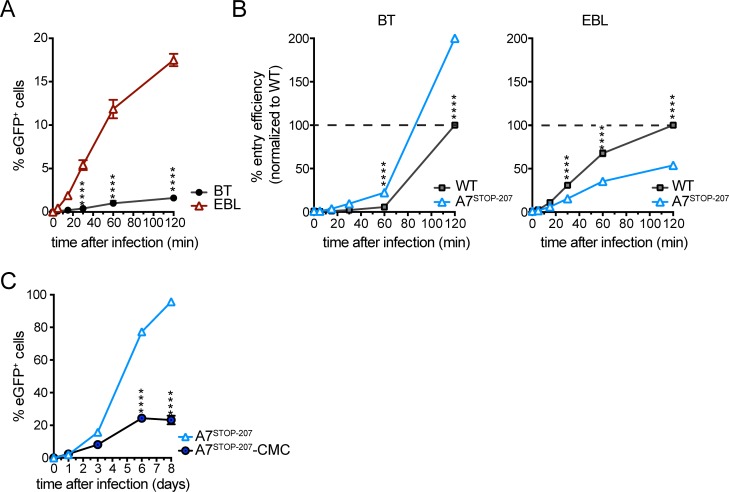
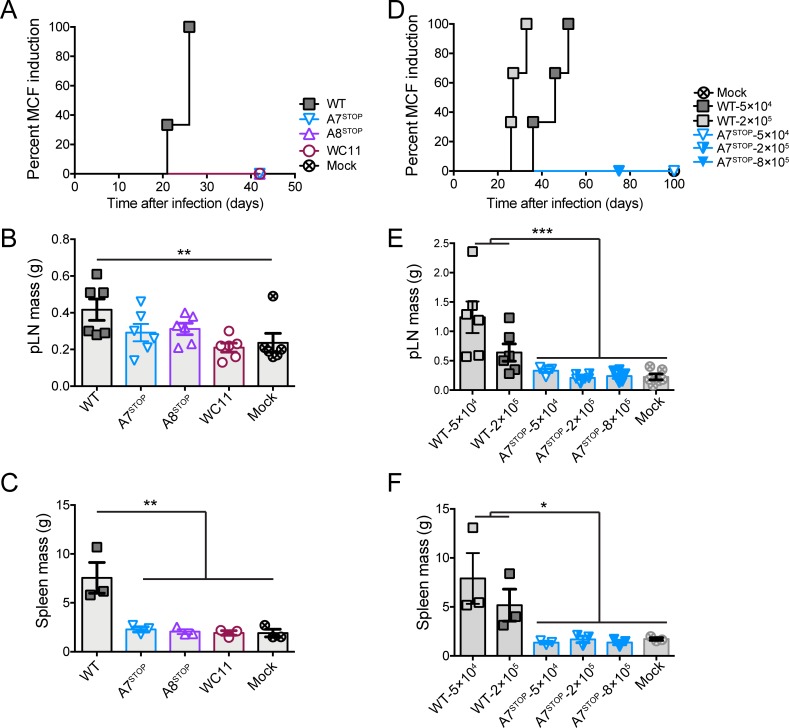
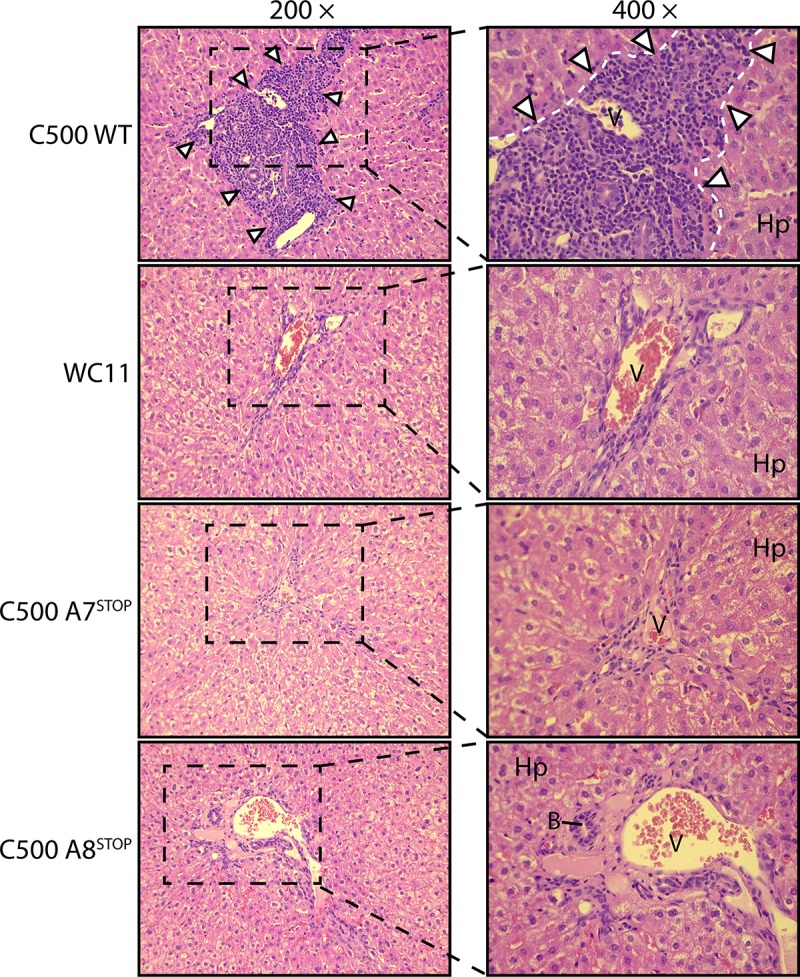
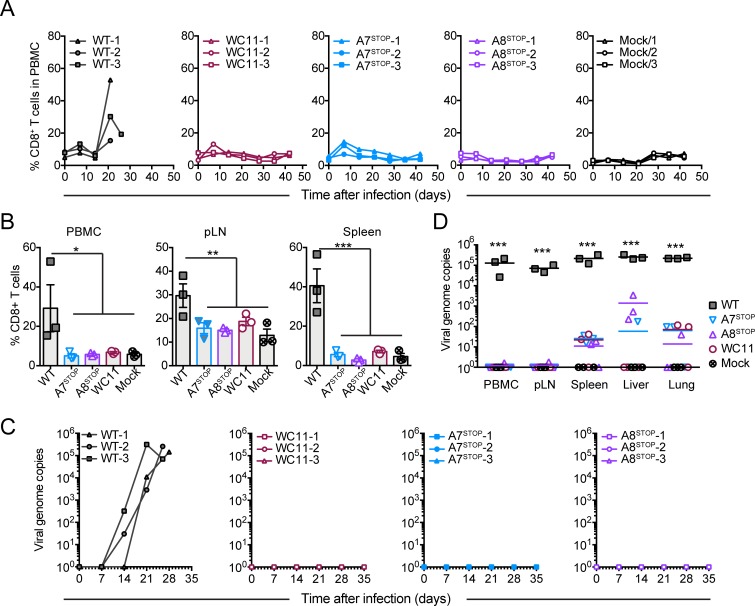
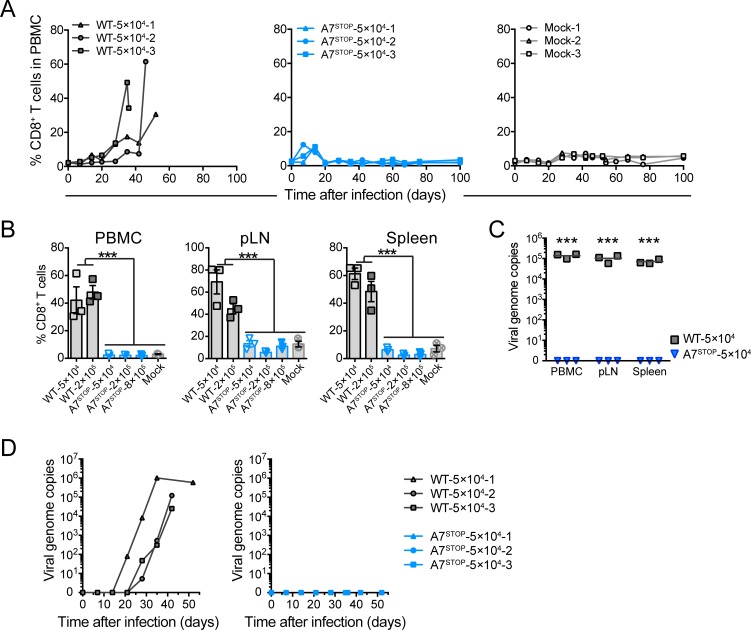
Alcelaphine herpesvirus 1 (AlHV-1) is a gammaherpesvirus that is carried asymptomatically by wildebeest. Upon cross-species transmission to other ruminants, including domestic cattle, AlHV-1 induces malignant catarrhal fever (MCF), which is a fatal lymphoproliferative disease resulting from proliferation and uncontrolled activation of latently infected CD8+ T cells. Two laboratory strains of AlHV-1 are used commonly in research: C500, which is pathogenic, and WC11, which has been attenuated by long-term maintenance in cell culture. The published genome sequence of a WC11 seed stock from a German laboratory revealed the deletion of two major regions. The sequence of a WC11 seed stock used in our laboratory also bears these deletions and, in addition, the duplication of an internal sequence in the terminal region. The larger of the two deletions has resulted in the absence of gene A7 and a large portion of gene A8. These genes are positional orthologs of the Epstein-Barr virus genes encoding envelope glycoproteins gp42 and gp350, respectively, which are involved in viral propagation and switching of cell tropism. To investigate the degree to which the absence of A7 and A8 participates in WC11 attenuation, recombinant viruses lacking these individual functions were generated in C500. Using bovine nasal turbinate and embryonic lung cell lines, increased cell-free viral propagation and impaired syncytia formation were observed in the absence of A7, whereas cell-free viral spread was inhibited in the absence of A8. Therefore, A7 appears to be involved in cell-to-cell viral spread, and A8 in viral cell-free propagation. Finally, infection of rabbits with either mutant did not induce the signs of MCF or the expansion of infected CD8+ T cells. These results demonstrate that A7 and A8 are both essential for regulating viral spread and suggest that AlHV-1 requires both genes to efficiently spread in vivo and reach CD8+ T lymphocytes and induce MCF.
α疱疹病毒 1(AlHV-1)是一种γ疱疹病毒,在角马中无症状携带。当跨物种传播到其他反刍动物,包括家养牛时,AlHV-1 会引起恶性卡他热(MCF),这是一种致命的淋巴增生性疾病,是由潜伏感染的 CD8+T 细胞的增殖和不受控制的激活引起的。两种实验室株的 AlHV-1 常用于研究:致病性的 C500 和通过长期细胞培养减弱的 WC11。来自德国实验室的 WC11 种子株的已发表基因组序列显示两个主要区域缺失。我们实验室使用的 WC11 种子株的序列也具有这些缺失,并且在末端区域的内部序列中存在重复。较大的缺失导致基因 A7 和基因 A8 的大部分缺失。这些基因是分别编码病毒包膜糖蛋白 gp42 和 gp350 的 EBV 基因的位置同源物,这两种糖蛋白参与病毒的增殖和细胞嗜性的转换。为了研究 A7 和 A8 的缺失在多大程度上参与了 WC11 的衰减,在 C500 中生成了缺失这些单独功能的重组病毒。使用牛鼻鼻甲和胚胎肺细胞系,在缺失 A7 时观察到细胞外病毒增殖增加和合胞体形成受损,而在缺失 A8 时观察到细胞外病毒传播受到抑制。因此,A7 似乎参与了细胞间病毒的传播,而 A8 则参与了病毒的细胞外传播。最后,用突变体感染兔子没有诱导 MCF 的迹象或感染的 CD8+T 细胞的扩张。这些结果表明 A7 和 A8 对于调节病毒的传播都是必不可少的,并且表明 AlHV-1 需要这两个基因才能有效地在体内传播并到达 CD8+T 淋巴细胞并诱导 MCF。