Miyakuni Yasuhiko, Nakajima Mikio, Kaszynski Richard H, Tarui Takehiko, Goto Hideaki, Yamaguchi Yoshihiro
Department of Trauma and Critical Care Medicine, Kyorin University, School of Medicine, Mitaka, Tokyo, Japan.
Emergency and Critical Care Center, Tokyo Metropolitan Hiroo Hospital, Shibuya, Tokyo, Japan.
Am J Case Rep. 2020 Mar 17;21:e920078. doi: 10.12659/AJCR.920078.
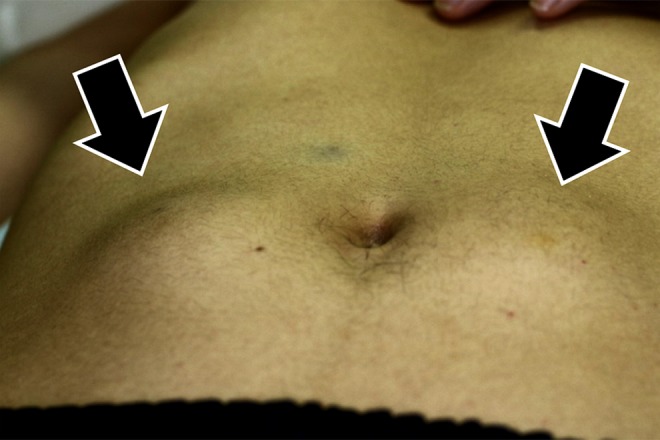
BACKGROUND Insulin lowers not only blood glucose levels but also serum potassium levels by driving potassium into the cells. Hypokalemia can occur during aggressive treatment of hypoglycemia in patients with insulin overdose and is a well-documented clinical phenomenon; however, there are no studies describing delayed hyperkalemia occurring after initial treatment in patients with insulin overdose. CASE REPORT A 23-year-old male with a history of type 2 diabetes mellitus and self-medicating with insulin, attempted suicide by subcutaneously injecting 2100 units of insulin. He was admitted to our emergency department due to recurrent hypoglycemia. Continuous administration of 50% glucose and potassium via a central venous catheter was performed to maintain his glucose levels above 80 mg/dL and serum potassium level between 3.5 and 4.0 mEq/L. Because his serum potassium level exceeded 4.5 mEq/L at day 3 after admission, the dosage was adjusted accordingly. After his serum potassium level declined to 3.0 mEq/L, his potassium level abruptly increased to 6.0 mEq/L at day 5 after admission. The patient was placed on a potassium-restricted diet and administered furosemide. Potassium infusion was also discontinued. After serum potassium levels returned to the normal range without interventional therapies, the patient was discharged to home on day 14. CONCLUSIONS In cases of high-dose insulin overdose, management of hyperkalemia following recovery from hypoglycemia is a critical aspect of patient management. Conservative administration of potassium to correct initial hypokalemia may be considered in patients with high-dose insulin overdose.
背景 胰岛素不仅能降低血糖水平,还能通过促使钾离子进入细胞内而降低血清钾水平。在胰岛素过量患者积极治疗低血糖期间可发生低钾血症,这是一个有充分文献记载的临床现象;然而,尚无研究描述胰岛素过量患者初始治疗后出现的延迟性高钾血症。病例报告 一名23岁男性,有2型糖尿病病史且自行注射胰岛素,皮下注射2100单位胰岛素企图自杀。因反复低血糖被收入我院急诊科。通过中心静脉导管持续输注50%葡萄糖和钾,以维持其血糖水平高于80mg/dL,血清钾水平在3.5至4.0mEq/L之间。入院后第3天,因其血清钾水平超过4.5mEq/L,相应调整了剂量。其血清钾水平降至3.0mEq/L后,入院第5天突然升至6.0mEq/L。患者接受低钾饮食并给予呋塞米治疗,同时停止钾输注。在未采取干预治疗血清钾水平恢复正常范围后,患者于第14天出院。结论 在高剂量胰岛素过量的情况下,低血糖恢复后高钾血症的处理是患者管理的关键环节。对于高剂量胰岛素过量患者,可考虑谨慎补充钾以纠正初始低钾血症。