Fanfone Deborah, Stanicki Dimitri, Nonclercq Denis, Port Marc, Vander Elst Luce, Laurent Sophie, Muller Robert N, Saussez Sven, Burtea Carmen
Department of General, Organic and Biomedical Chemistry, UMONS, Avenue Victor Maistriau 19, 7000 Mons, Belgium.
Center for Microscopy and Molecular Imaging, Rue Adrienne Bolland, 8, 6041 Charleroi, Belgium.
Biology (Basel). 2020 Mar 14;9(3):53. doi: 10.3390/biology9030053.
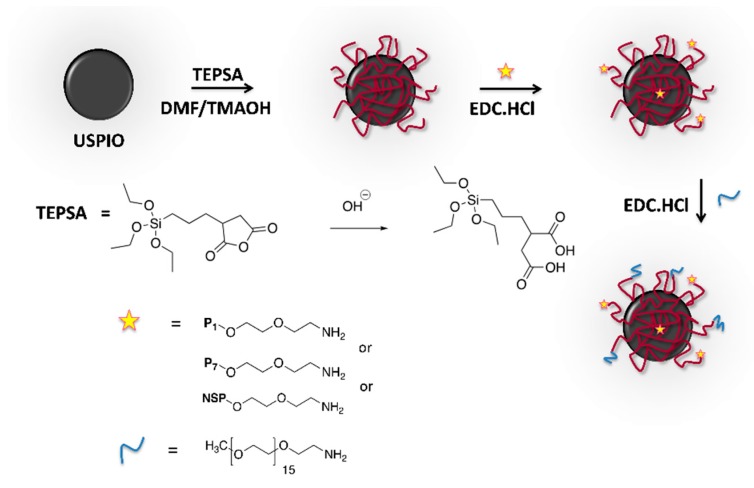
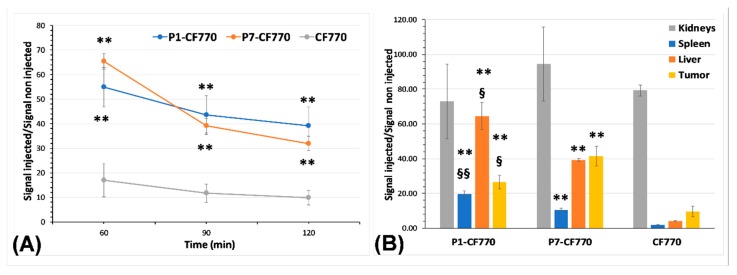
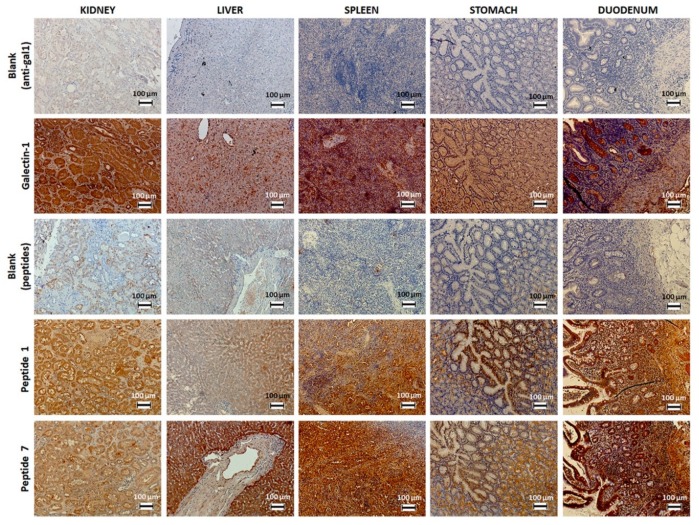
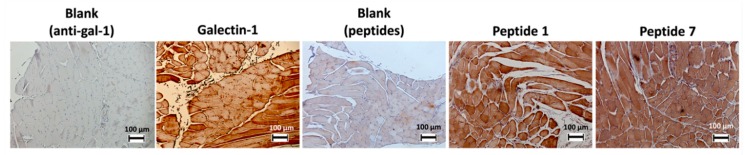
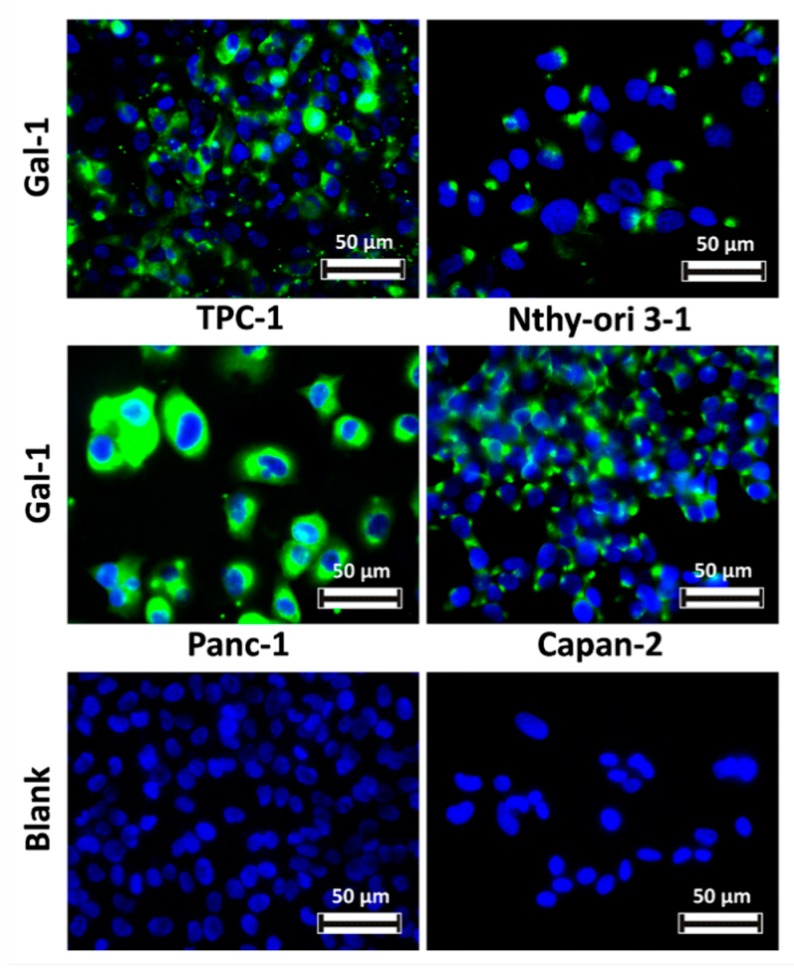
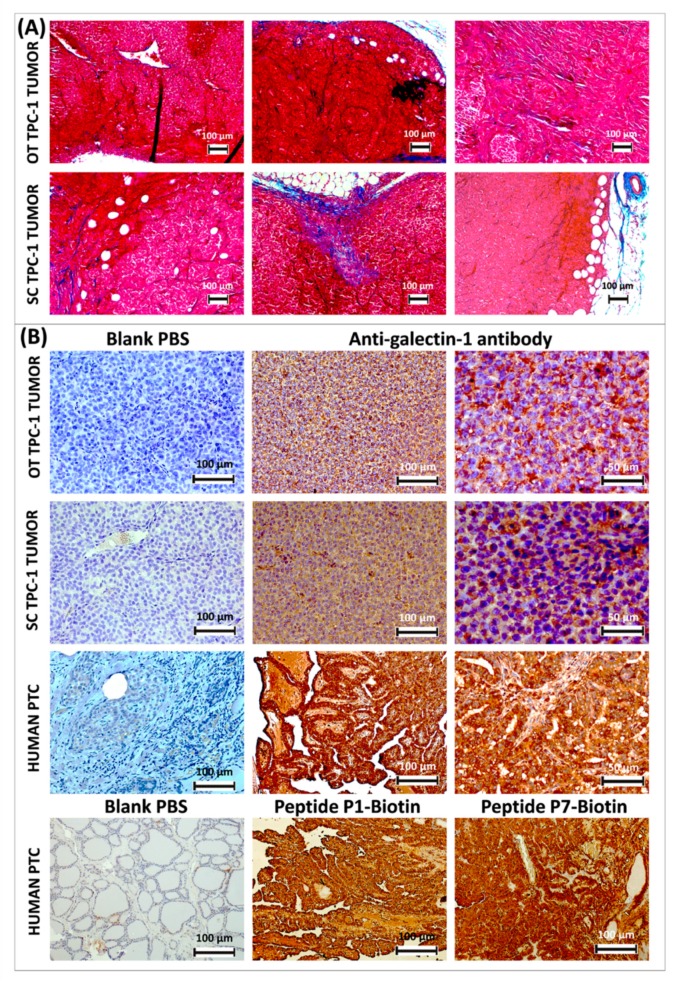
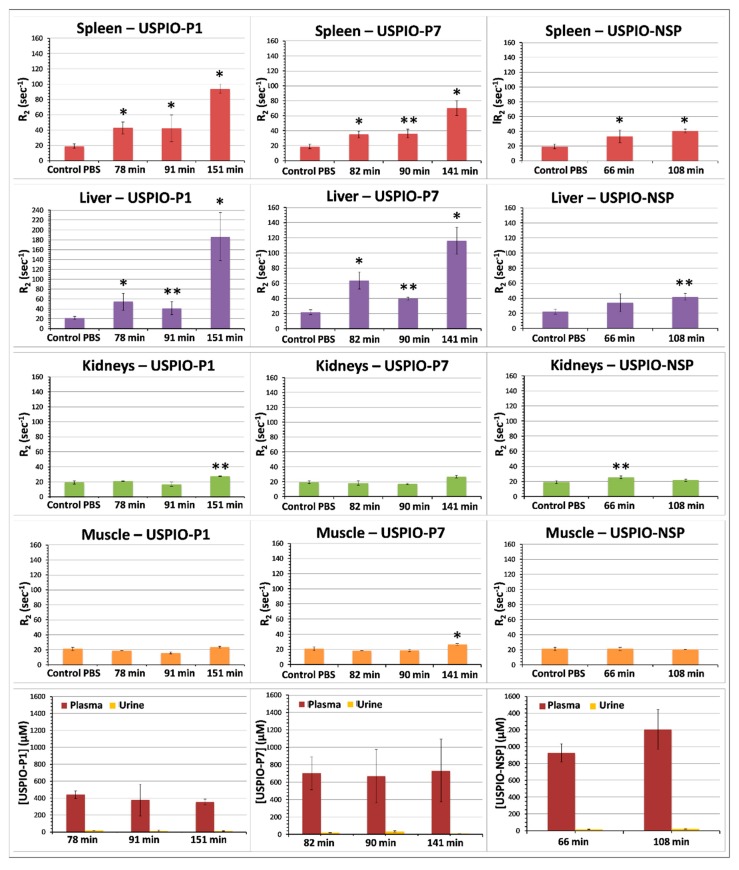
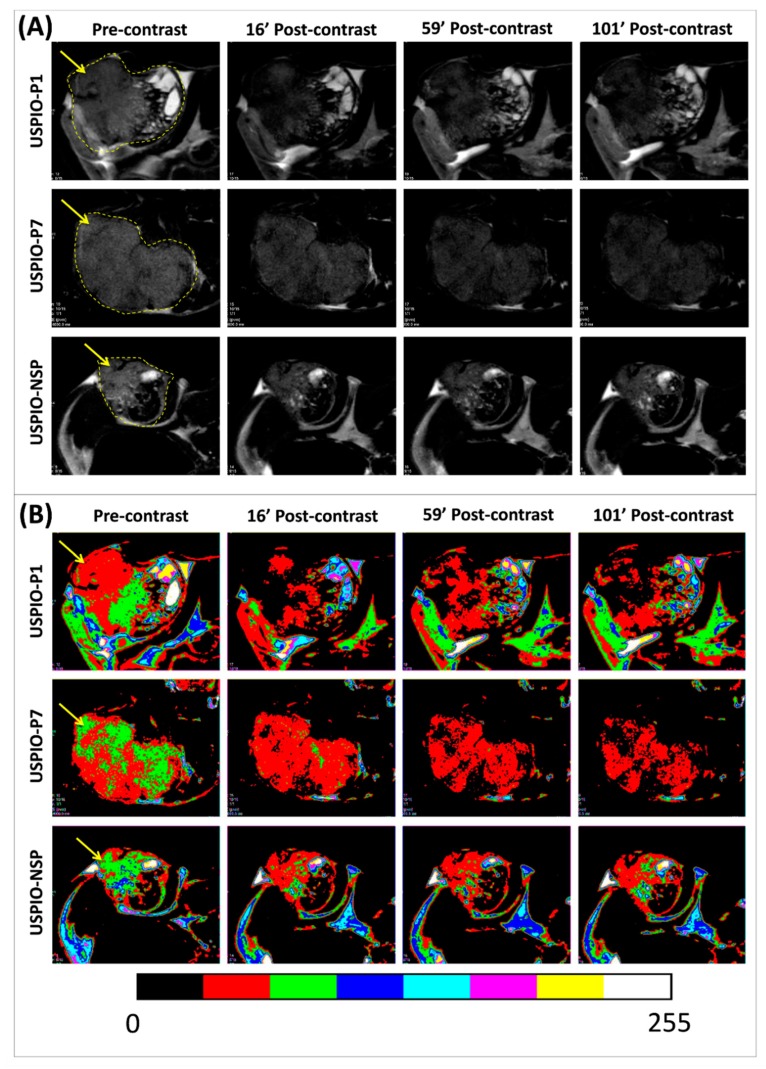
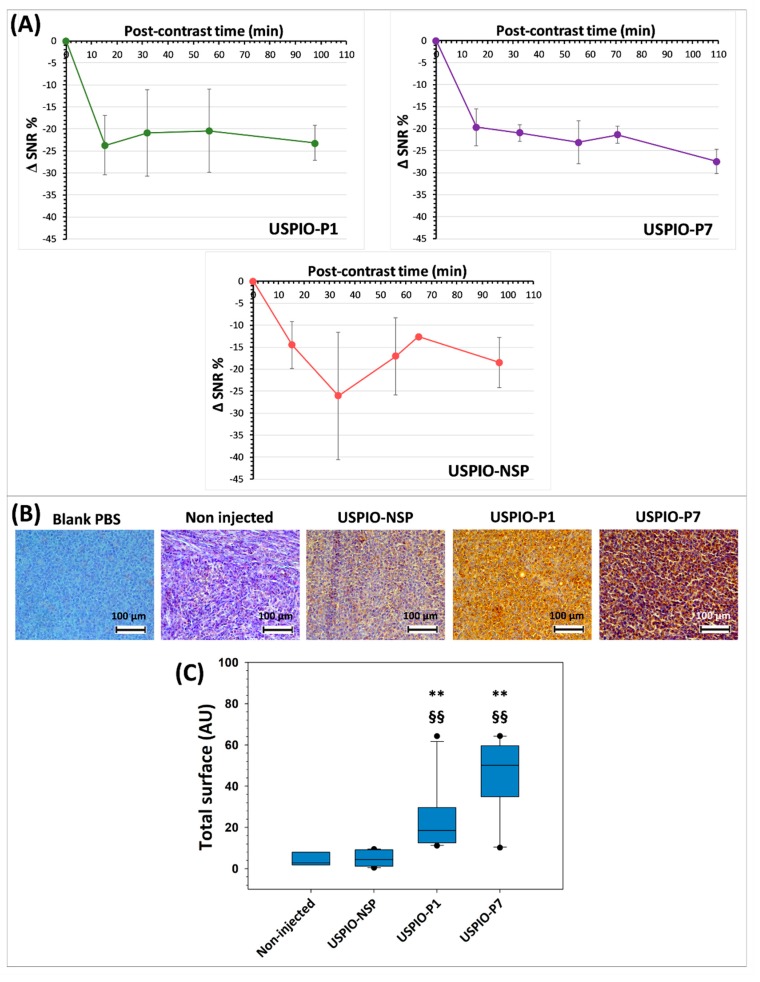
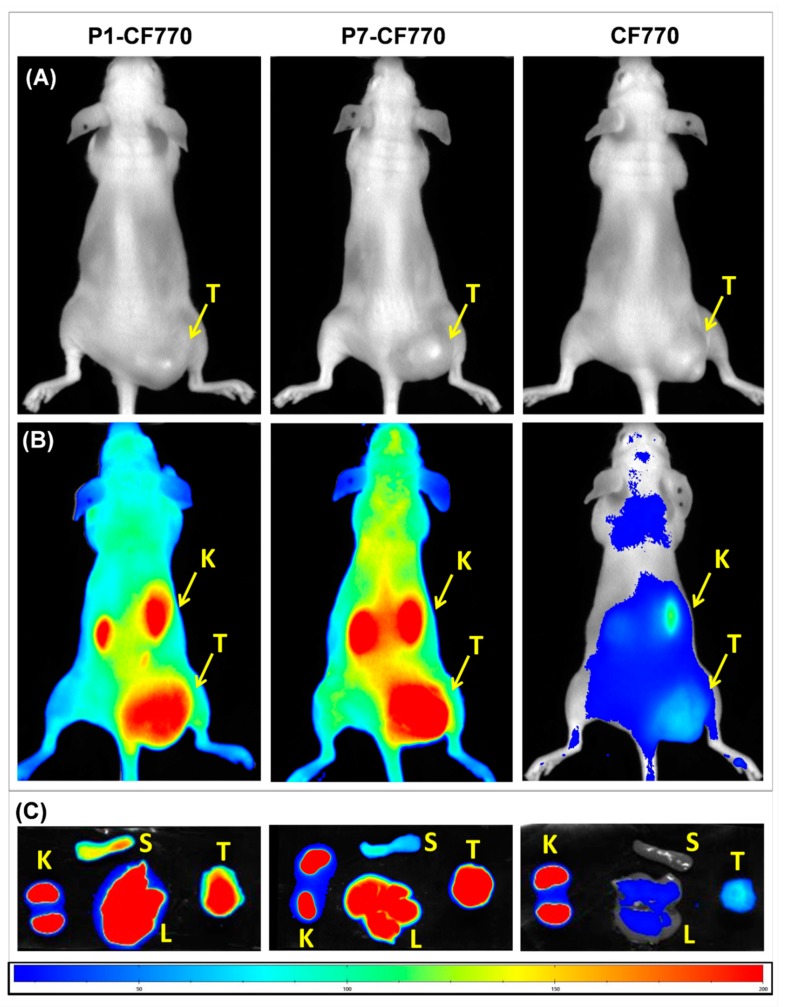
Thyroid cancers are the most frequent endocrine cancers and their incidence is increasing worldwide. Thyroid nodules occur in over 19-68% of the population, but only 7-15% of them are diagnosed as malignant. Diagnosis relies on a fine needle aspiration biopsy, which is often inconclusive and about 90% of thyroidectomies are performed for benign lesions. Galectin-1 has been proposed as a confident biomarker for the discrimination of malignant from benign nodules. We previously identified by phage display two peptides (P1 and P7) targeting galectin-1, with the goal of developing imaging probes for non-invasive diagnosis of thyroid cancer. The peptides were coupled to ultra-small superparamagnetic particles of iron oxide (USPIO) or to a near-infrared dye (CF770) for non-invasive detection of galectin-1 expression in a mouse model of papillary thyroid cancer (PTC, as the most frequent one) by magnetic resonance imaging and fluorescence lifetime imaging. The imaging probes functionalized with the two peptides presented comparable image enhancement characteristics. However, those coupled to P7 were more favorable, and showed decreased retention by the liver and spleen (known for their galectin-1 expression) and high sensitivity (75%) and specificity (100%) of PTC detection, which confirm the aptitude of this peptide to discriminate human malignant from benign nodules (80% sensitivity, 100% specificity) previously observed by immunohistochemistry.
甲状腺癌是最常见的内分泌癌,其发病率在全球范围内呈上升趋势。甲状腺结节在超过19% - 68%的人群中出现,但其中只有7% - 15%被诊断为恶性。诊断依赖于细针穿刺活检,其结果往往不明确,约90%的甲状腺切除术是针对良性病变进行的。半乳糖凝集素-1已被提议作为区分恶性与良性结节的可靠生物标志物。我们之前通过噬菌体展示鉴定出两种靶向半乳糖凝集素-1的肽(P1和P7),目的是开发用于甲状腺癌非侵入性诊断的成像探针。这些肽与超小超顺磁性氧化铁颗粒(USPIO)或近红外染料(CF770)偶联,通过磁共振成像和荧光寿命成像在乳头状甲状腺癌(PTC,最常见的类型)小鼠模型中对半乳糖凝集素-1表达进行非侵入性检测。用这两种肽功能化的成像探针呈现出可比的图像增强特性。然而,与P7偶联的那些更具优势,显示出肝脏和脾脏(已知具有半乳糖凝集素-1表达)对其摄取减少,以及对PTC检测具有高灵敏度(75%)和特异性(100%),这证实了该肽区分人类恶性与良性结节的能力(80%灵敏度,100%特异性),这与之前通过免疫组织化学观察到的数据一致。