Sanguinetti Joseph L, Hameroff Stuart, Smith Ezra E, Sato Tomokazu, Daft Chris M W, Tyler William J, Allen John J B
Department of Psychology, University of Arizona, Tucson, AZ, United States.
Center for Consciousness Studies, University of Arizona, Tucson, AZ, United States.
Front Hum Neurosci. 2020 Feb 28;14:52. doi: 10.3389/fnhum.2020.00052. eCollection 2020.
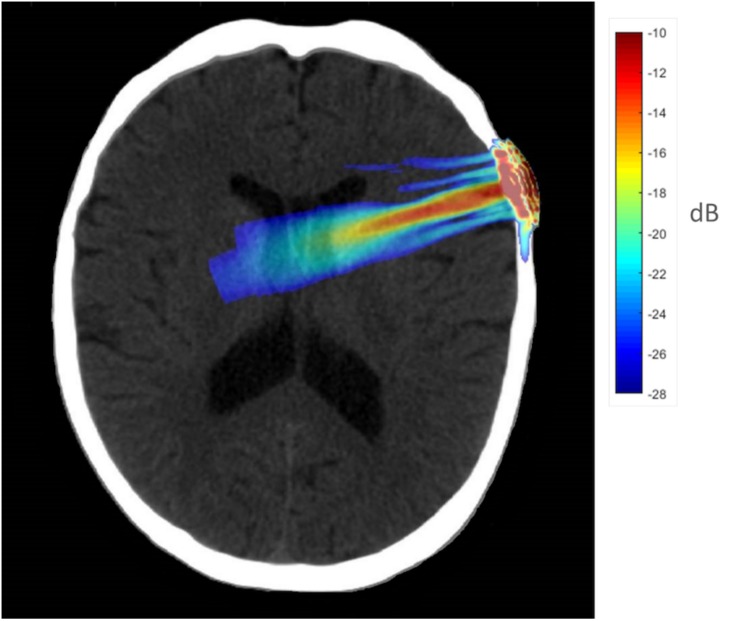
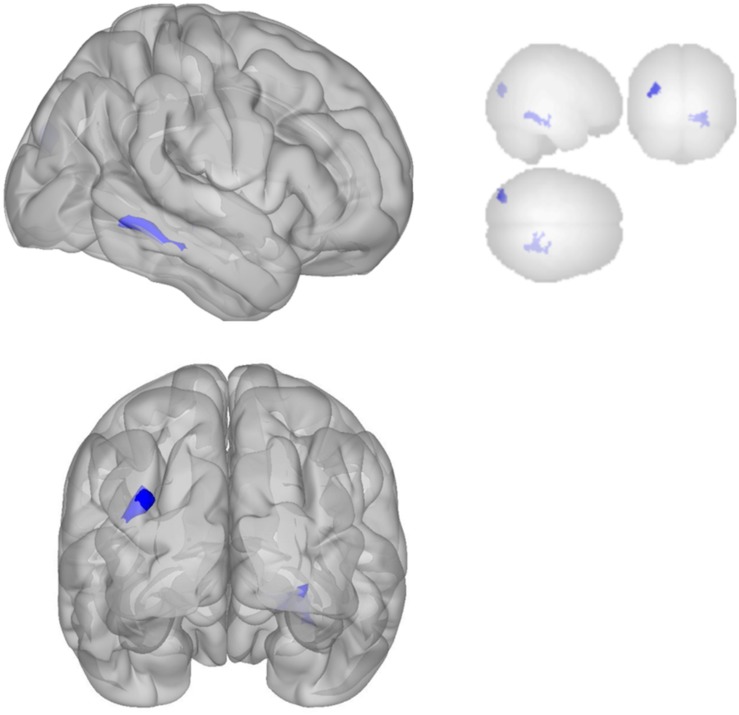
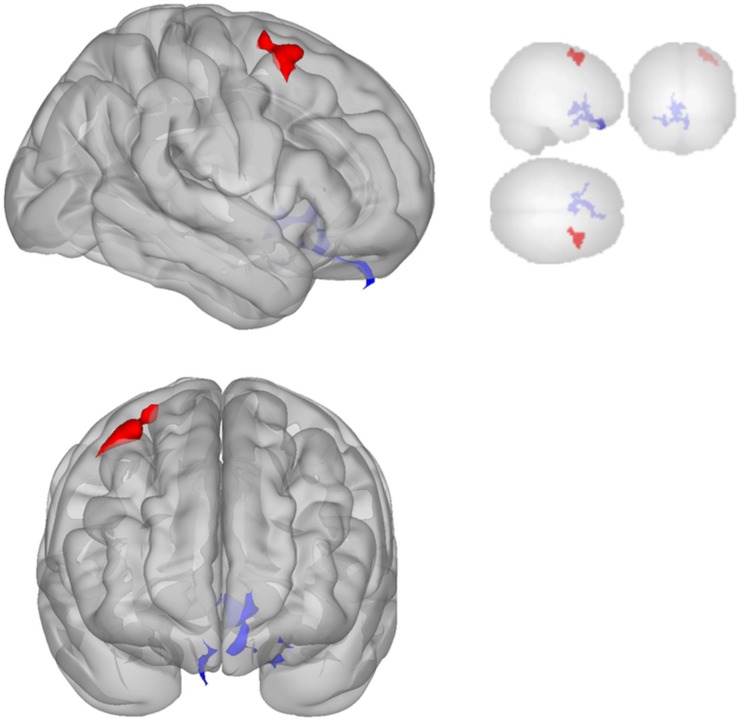
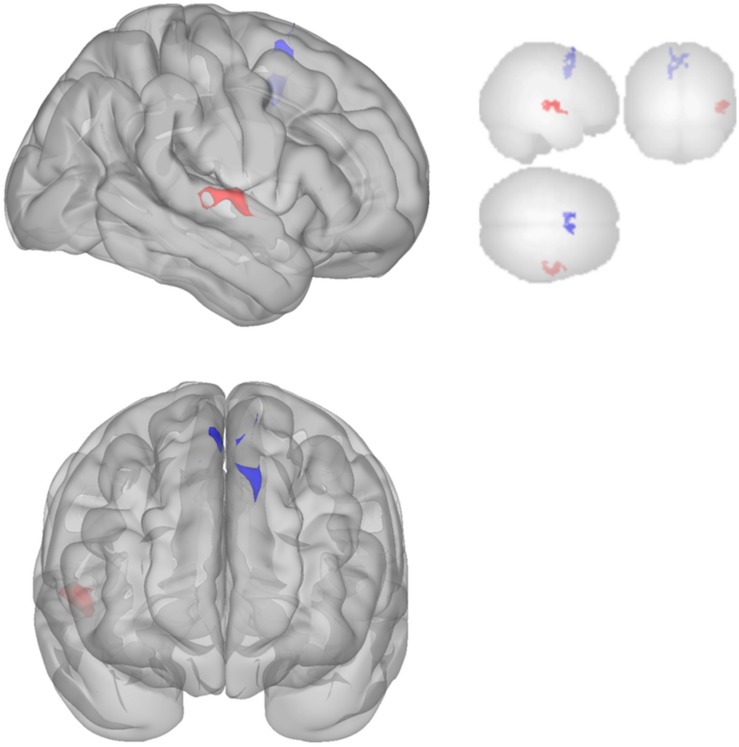
Transcranial focused ultrasound (tFUS) is an emerging method for non-invasive neuromodulation akin to transcranial magnetic stimulation (TMS) and transcranial direct current stimulation (tDCS). tFUS offers several advantages over electromagnetic methods including high spatial resolution and the ability to reach deep brain targets. Here we describe two experiments assessing whether tFUS could modulate mood in healthy human volunteers by targeting the right inferior frontal gyrus (rIFG), an area implicated in mood and emotional regulation. In a randomized, placebo-controlled, double-blind study, participants received 30 s of 500 kHz tFUS or a placebo control. Visual Analog Mood Scales (VAMS) assessed mood four times within an hour (baseline and three times after tFUS). Participants who received tFUS reported an overall increase in Global Affect (GA), an aggregate score from the VAMS scale, indicating a positive shift in mood. Experiment 2 examined resting-state functional (FC) connectivity using functional magnetic resonance imaging (fMRI) following 2 min of 500 kHz tFUS at the rIFG. As in Experiment 1, tFUS enhanced self-reported mood states and also decreased FC in resting state networks related to emotion and mood regulation. These results suggest that tFUS can be used to modulate mood and emotional regulation networks in the prefrontal cortex.
经颅聚焦超声(tFUS)是一种新兴的非侵入性神经调节方法,类似于经颅磁刺激(TMS)和经颅直流电刺激(tDCS)。与电磁方法相比,tFUS具有几个优点,包括高空间分辨率以及能够到达深部脑靶点。在此,我们描述了两项实验,评估tFUS是否可以通过靶向右侧额下回(rIFG)来调节健康人类志愿者的情绪,该区域与情绪和情感调节有关。在一项随机、安慰剂对照、双盲研究中,参与者接受了30秒的500kHz tFUS或安慰剂对照。视觉模拟情绪量表(VAMS)在一小时内四次评估情绪(基线以及tFUS后三次)。接受tFUS的参与者报告整体情绪状态(GA)有所增加,GA是VAMS量表的综合得分,表明情绪出现积极变化。实验2在rIFG处进行2分钟的500kHz tFUS后,使用功能磁共振成像(fMRI)检查静息态功能(FC)连接性。与实验1一样,tFUS增强了自我报告的情绪状态,并且还降低了与情绪和情绪调节相关的静息态网络中的FC。这些结果表明,tFUS可用于调节前额叶皮层中的情绪和情绪调节网络。