Verni Michela, Minisci Andrea, Convertino Sonia, Nionelli Luana, Rizzello Carlo G
Department of Soil, Plant and Food Sciences, University of Bari Aldo Moro, Bari, Italy.
Valle Fiorita Catering S.r.l, Ostuni, Italy.
Front Microbiol. 2020 Feb 28;11:293. doi: 10.3389/fmicb.2020.00293. eCollection 2020.
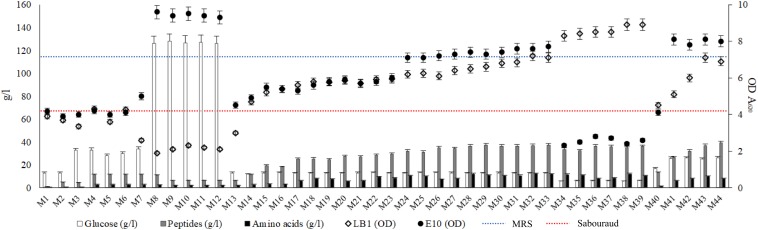
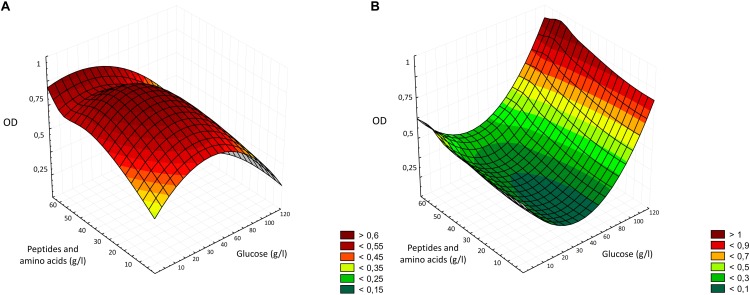
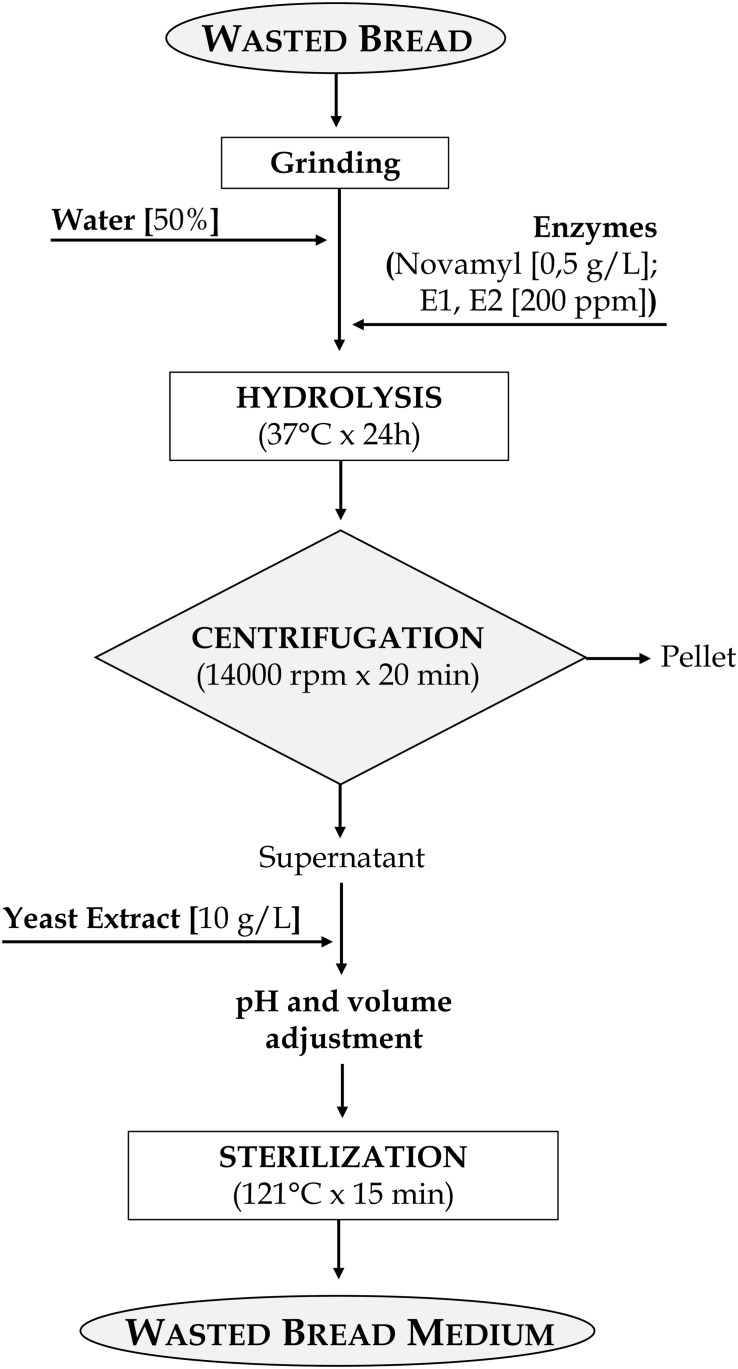
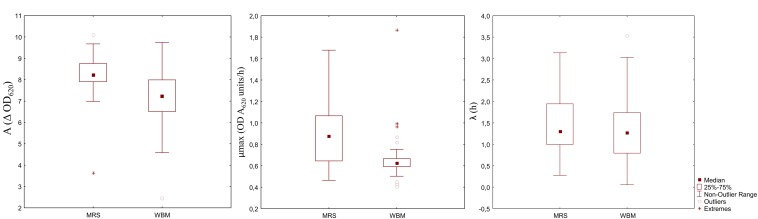
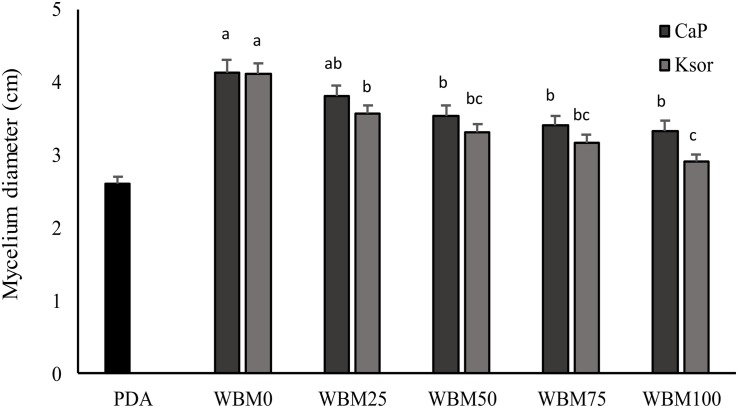
The amount of bread wasted daily worldwide, throughout its entire lifecycle, from production to distribution, is estimated to be hundreds of tons, therefore representing both economic and environmental issues. This work aimed at the valorization of wasted bread, setting-up a protocol for obtaining a growth medium to be used for the cultivation of food industry microbial starters. The optimization of the protocol included the set-up of parameters for the hydrolysis of the bread nutrient compounds with proteolytic and amylolytic enzymes and the supplementation with nitrogen and/or carbon sources. The suitability of the optimized medium for the growth of lactic acid bacteria, yeasts and fungi from dairy, bakery, and wine industries was assessed. Lactic acid bacteria growth was strongly affected by the quantity and quality of nitrogen sources employed, while yeasts and fungi growth exceeded that obtained with the reference media commonly employed for their cultivation. Wasted bread medium (WBM) represents a realistic option for the valorization and re-use of bread waste, responding to the modern vision of circular economy.
据估计,全球范围内面包在其从生产到分销的整个生命周期中,每天被浪费的量达数百吨,这既造成了经济问题,也带来了环境问题。这项工作旨在对废弃面包进行增值利用,建立一种用于获取生长培养基的方案,该培养基将用于培养食品工业中的微生物发酵剂。该方案的优化包括确定用蛋白水解酶和淀粉水解酶水解面包营养化合物的参数,以及补充氮源和/或碳源。评估了优化后的培养基对来自乳制品、烘焙和葡萄酒行业的乳酸菌、酵母和真菌生长的适用性。乳酸菌的生长受到所用氮源数量和质量的强烈影响,而酵母和真菌的生长超过了它们在常用参考培养基上的生长情况。废弃面包培养基(WBM)是对废弃面包进行增值利用和再利用的一个切实可行的选择,符合循环经济的现代理念。