The National Centre for Clinical Research on Emerging Drugs (NCCRED), Sydney, NSW, Australia.
St Vincent's Hospital Alcohol and Drug Service, Darlinghurst, 390 Victoria St, 2010, Sydney, NSW, Australia.
CNS Drugs. 2020 Apr;34(4):337-365. doi: 10.1007/s40263-020-00711-x.
Stimulant drugs are second only to cannabis as the most widely used class of illicit drug globally, accounting for 68 million past-year consumers. Dependence on amphetamines (AMPH) or methamphetamine (MA) is a growing global concern. Yet, there is no established pharmacotherapy for AMPH/MA dependence. A comprehensive assessment of the research literature on pharmacotherapy for AMPH/MA dependence may inform treatment guidelines and future research directions.
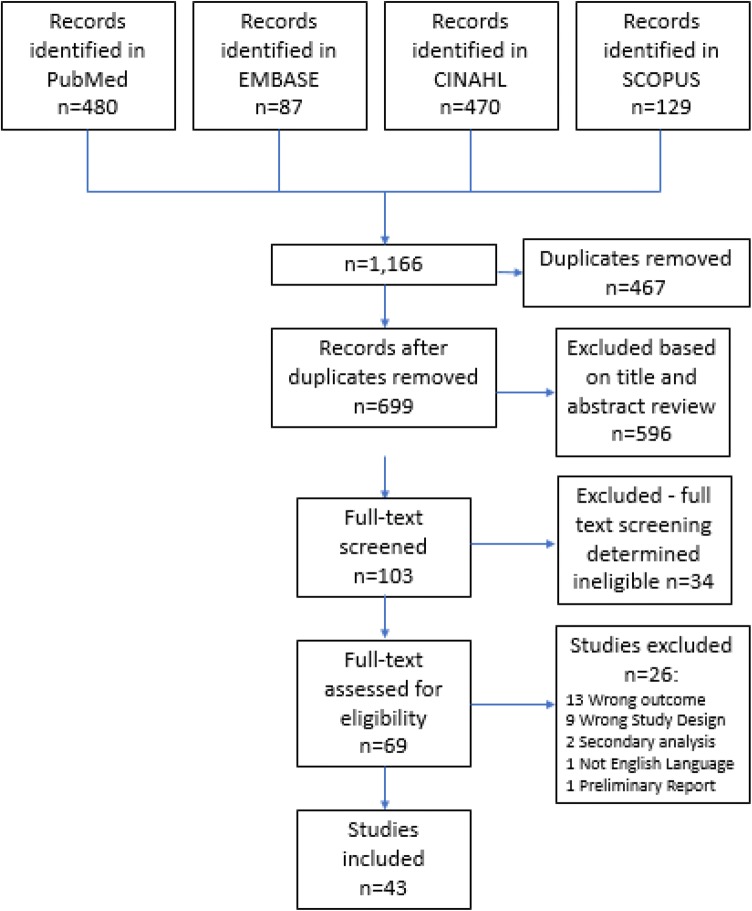
We systematically reviewed the peer-reviewed literature via the electronic databases PubMed, EMBASE, CINAHL and SCOPUS for randomised controlled trials reported in the English language examining a pharmacological treatment for AMPH/MA dependence or use disorder. We included all studies published to 19 June 2019. The selected studies were evaluated for design; methodology; inclusion and exclusion criteria; sample size; pharmacological and (if included) psychosocial interventions; length of follow-up and follow-up schedules; outcome variables and measures; results; overall conclusions and risk of bias. Outcome measures were any reported impact of treatment related to AMPH/MA use.
Our search returned 43 studies that met our criteria, collectively enrolling 4065 participants and reporting on 23 individual pharmacotherapies, alone or in combination. Disparate outcomes and measures (n = 55 for the primary outcomes) across studies did not allow for meta-analyses. Some studies demonstrated mixed or weak positive signals (often in defined populations, e.g. men who have sex with men), with some variation in efficacy signals dependent on baseline frequency of AMPH/MA use. The most consistent positive findings have been demonstrated with stimulant agonist treatment (dexamphetamine and methylphenidate), naltrexone and topiramate. Less consistent benefits have been shown with the antidepressants bupropion and mirtazapine, the glutamatergic agent riluzole and the corticotropin releasing factor (CRF-1) antagonist pexacerfont; whilst in general, antidepressant medications (e.g. selective serotonin reuptake inhibitors [SSRIs], tricyclic antidepressants [TCAs]) have not been effective in reducing AMPH/MA use.
No pharmacotherapy yielded convincing results for the treatment of AMPH/MA dependence; mostly studies were underpowered and had low treatment completion rates. However, there were positive signals from several agents that warrant further investigation in larger scale studies; agonist therapies show promise. Common outcome measures should include change in use days. Future research must address the heterogeneity of AMPH/MA dependence (e.g. coexisting conditions, severity of disorder, differences between MA and AMPH dependence) and the role of psychosocial intervention.
兴奋剂药物是仅次于大麻的全球范围内使用最广泛的非法药物类别,有 6800 万过去一年的使用者。对苯丙胺(AMPH)或甲基苯丙胺(MA)的依赖是一个日益严重的全球问题。然而,目前还没有确立治疗 AMPH/MA 依赖的药物疗法。对 AMPH/MA 依赖的药物治疗研究文献进行全面评估,可以为治疗指南和未来的研究方向提供信息。
我们通过电子数据库 PubMed、EMBASE、CINAHL 和 SCOPUS 系统地检索了以英文发表的关于治疗 AMPH/MA 依赖或使用障碍的药理学治疗的随机对照试验的同行评议文献。我们纳入了截至 2019 年 6 月 19 日发表的所有研究。对所选研究进行了设计、方法、纳入和排除标准、样本量、药理学和(如果包括)心理社会干预、随访时间和随访时间表、结局变量和措施、结果、总体结论和偏倚风险的评估。结局变量是任何与治疗相关的、与 AMPH/MA 使用有关的影响。
我们的搜索共返回了 43 项符合我们标准的研究,共纳入了 4065 名参与者,报告了 23 种单独的药物治疗方法,单独或联合使用。由于研究之间的结局和措施(主要结局为 55 项)各不相同,因此无法进行荟萃分析。一些研究显示出混合或微弱的积极信号(通常在特定人群中,例如男男性行为者),而基于 AMPH/MA 使用的基线频率,疗效信号存在一定的差异。最一致的积极发现是兴奋剂激动剂治疗(右旋苯丙胺和哌甲酯)、纳曲酮和托吡酯。而抗抑郁药安非他酮和米氮平、谷氨酸能药物利鲁唑和促肾上腺皮质释放因子(CRF-1)拮抗剂pexacerfont 的疗效则不太一致;一般来说,抗抑郁药物(如选择性 5-羟色胺再摄取抑制剂[SSRIs]、三环抗抑郁药[TCA])并不能有效减少 AMPH/MA 的使用。
没有一种药物治疗方法能对 AMPH/MA 依赖的治疗产生令人信服的结果;大多数研究的效力不足,治疗完成率较低。然而,有几种药物显示出积极的信号,值得在更大规模的研究中进一步研究;激动剂疗法有希望。常见的结局指标应该包括使用天数的变化。未来的研究必须解决 AMPH/MA 依赖的异质性(例如共存条件、疾病严重程度、MA 和 AMPH 依赖之间的差异)以及心理社会干预的作用。
