Department of Urology, Tongji Hospital, Tongji Medical College, Huazhong University of Science and Technology, Wuhan 430030, China.
Oxid Med Cell Longev. 2020 Feb 28;2020:6834236. doi: 10.1155/2020/6834236. eCollection 2020.
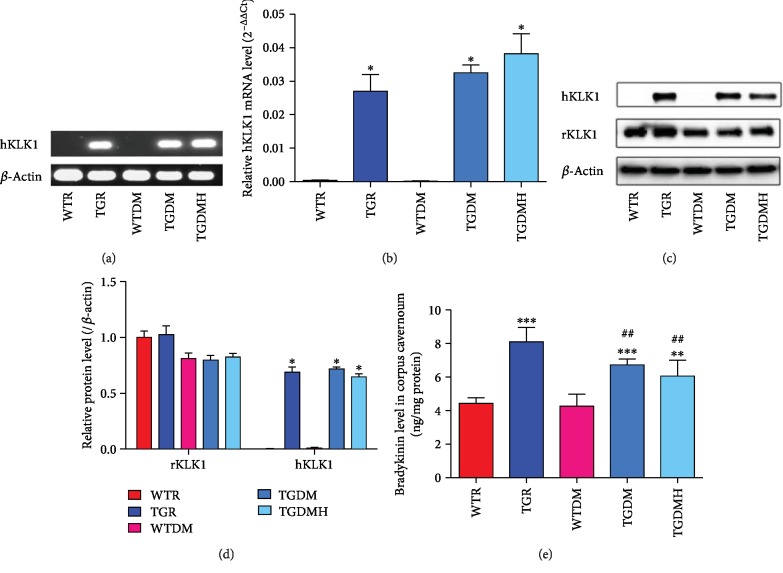
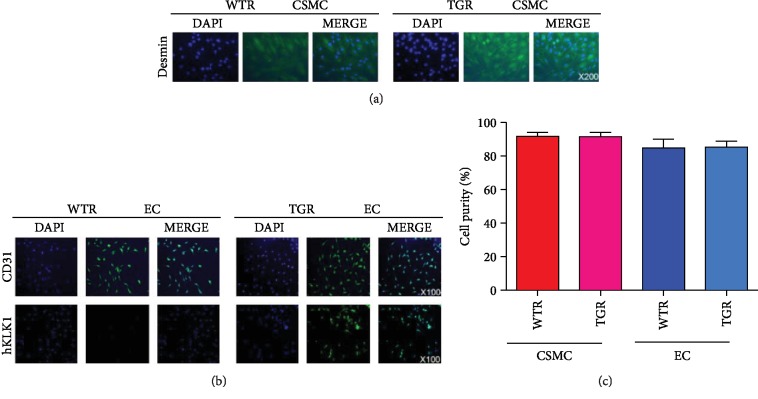
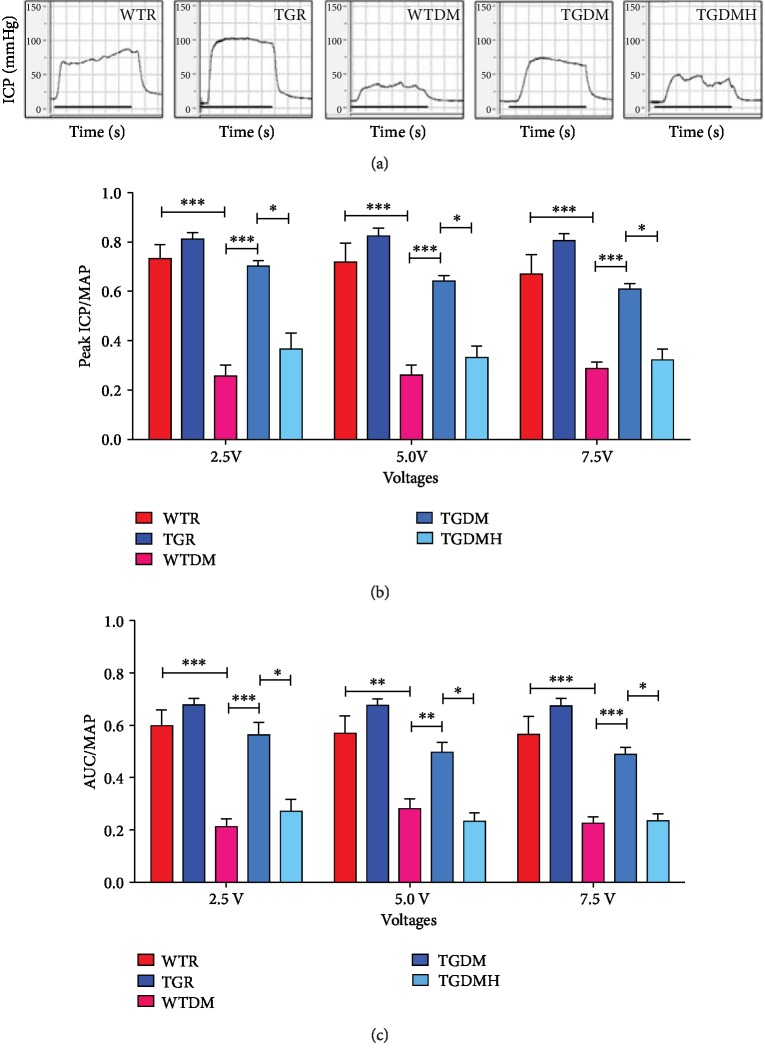
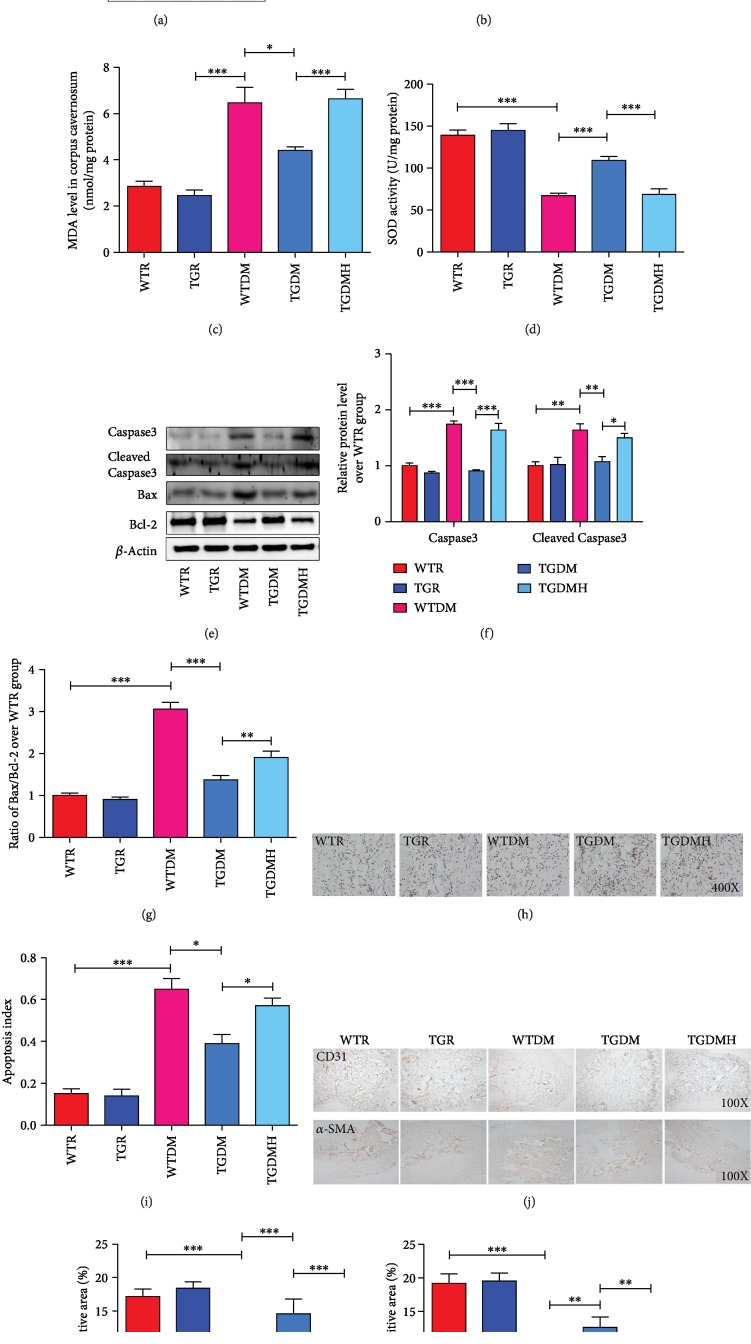
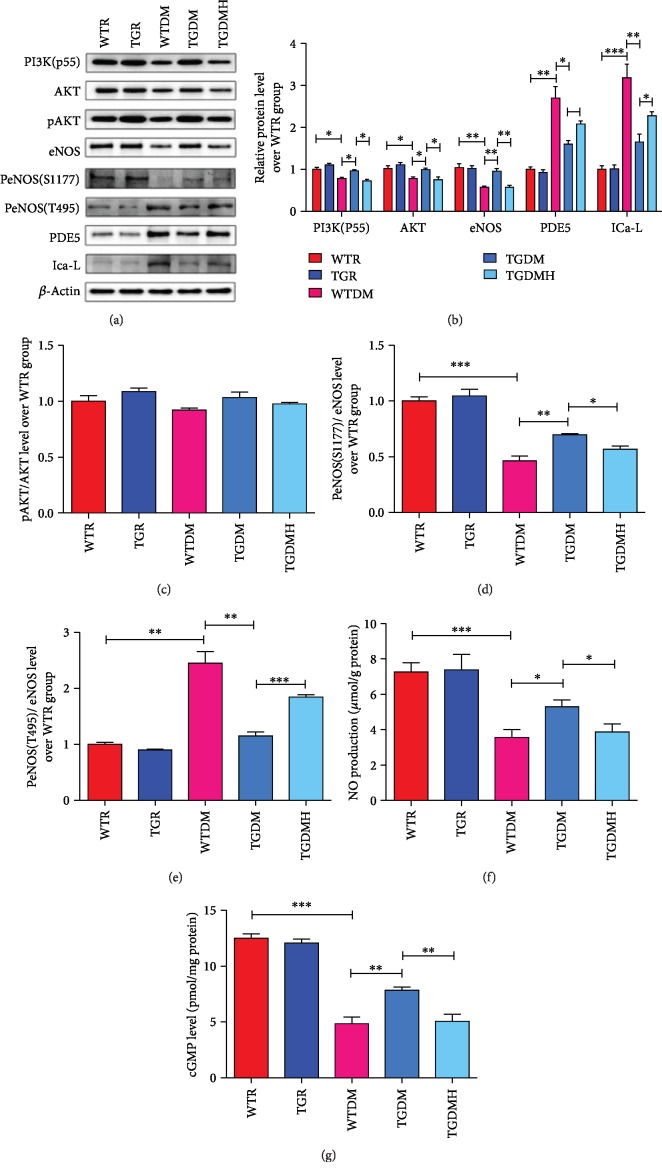
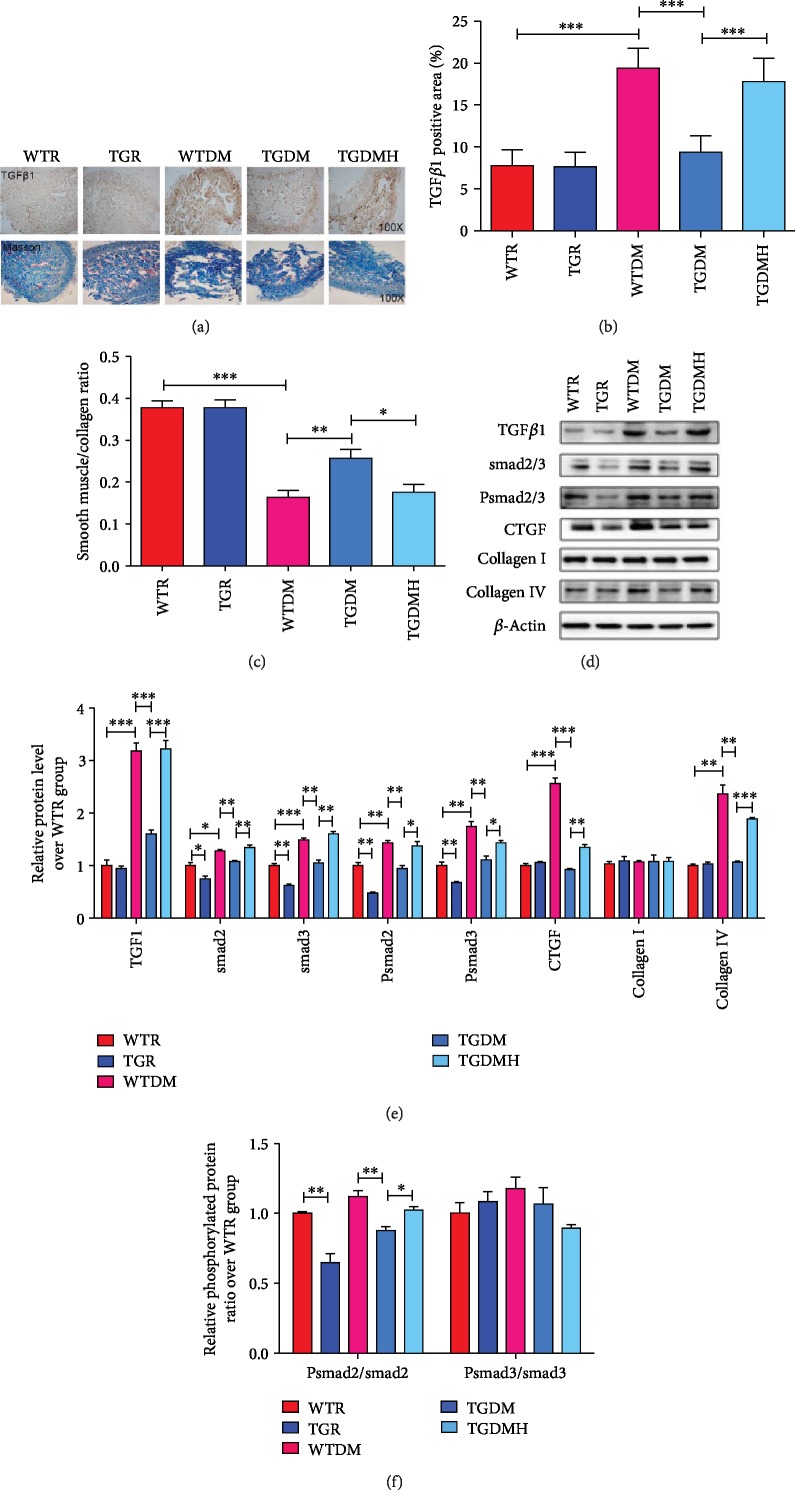
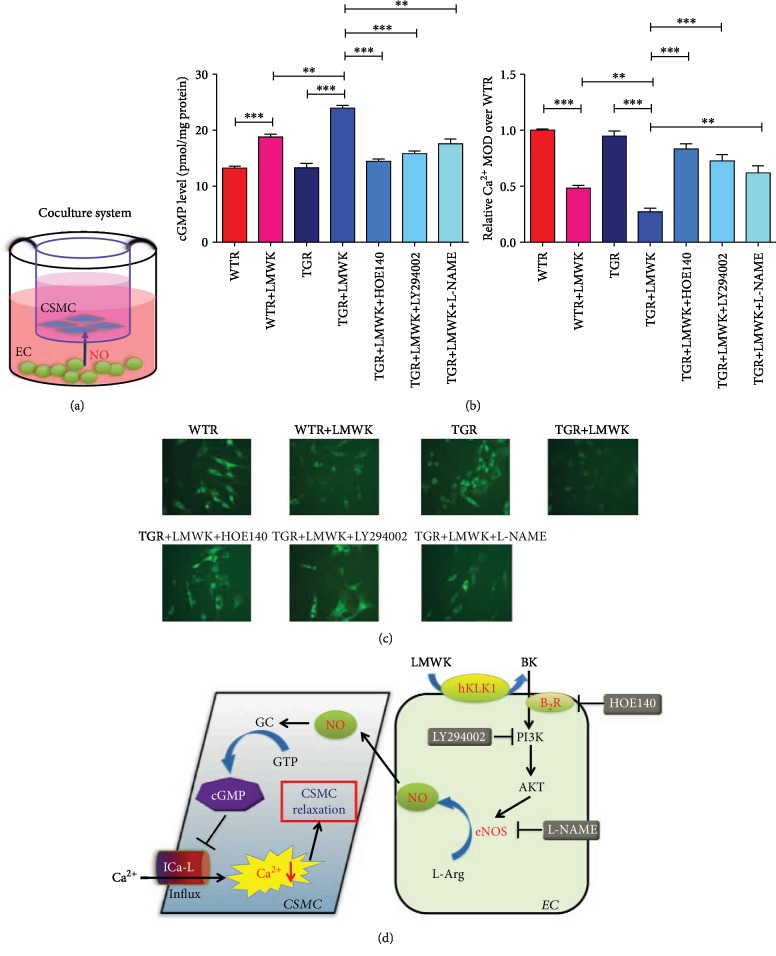
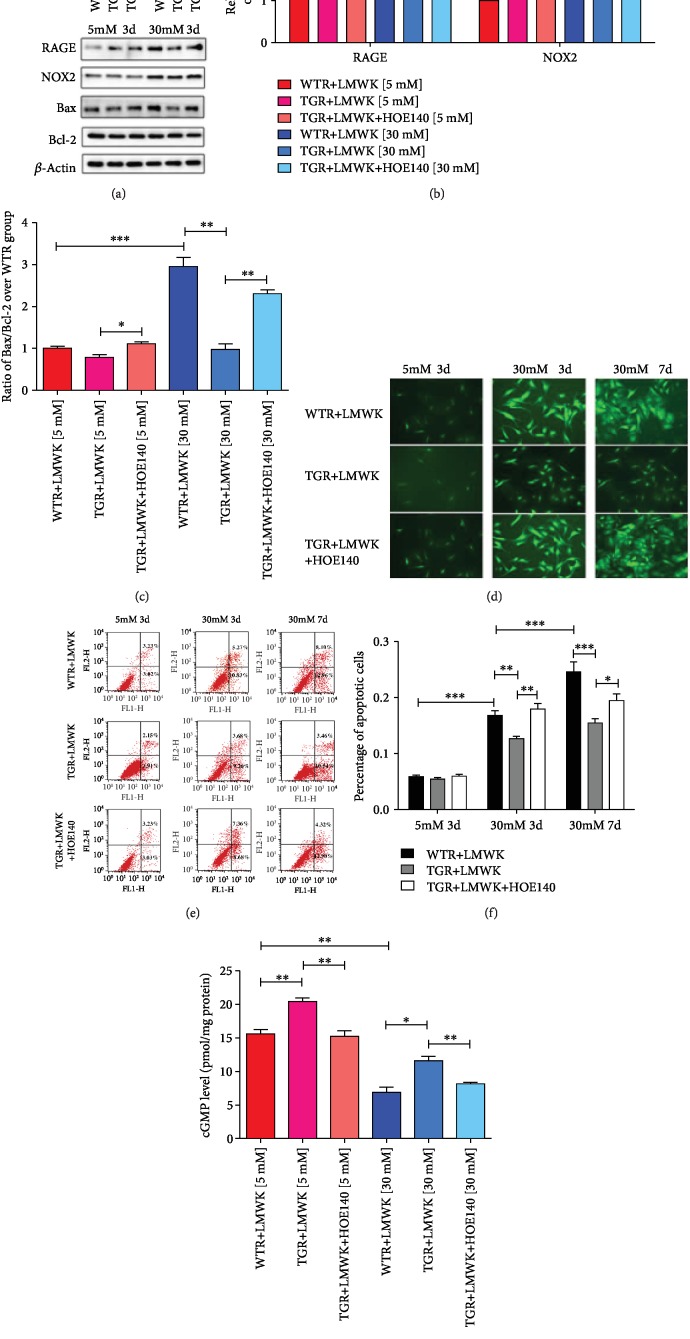
To investigate the protective effects and mechanisms of human tissue kallikrein 1 (hKLK1) on type 1 diabetes mellitus- (DM-) induced erectile dysfunction in rats. . The homozygous transgenic rats (TGR) harboring the gene and age-matched wild-type Sprague Dawley rats (WTR) were involved, and intraperitoneal injection of streptozotocin was utilized to induce diabetes in rats. Forty-eight-week-old male rats were randomly divided into a WTR group, TGR group, diabetic WTR group (WTDM), diabetic TGR group (TGDM), and TGDM with HOE140 group (TGDMH), with eight rats in each group. Twelve weeks later, the erectile response of all rats was detected by cavernous nerve electric stimulation, and corpus cavernosums were harvested to evaluate the levels of cavernous oxidative stress (OS), apoptosis, fibrosis, and involved pathways. Moreover, cavernous smooth muscle cells (CSMC) and endothelial cells (EC) were primarily isolated to build a coculture system for a series of verification.
The gene and age-matched wild-type Sprague Dawley rats (WTR) were involved, and intraperitoneal injection of streptozotocin was utilized to induce diabetes in rats. Forty-eight-week-old male rats were randomly divided into a WTR group, TGR group, diabetic WTR group (WTDM), diabetic TGR group (TGDM), and TGDM with HOE140 group (TGDMH), with eight rats in each group. Twelve weeks later, the erectile response of all rats was detected by cavernous nerve electric stimulation, and corpus cavernosums were harvested to evaluate the levels of cavernous oxidative stress (OS), apoptosis, fibrosis, and involved pathways. Moreover, cavernous smooth muscle cells (CSMC) and endothelial cells (EC) were primarily isolated to build a coculture system for a series of.
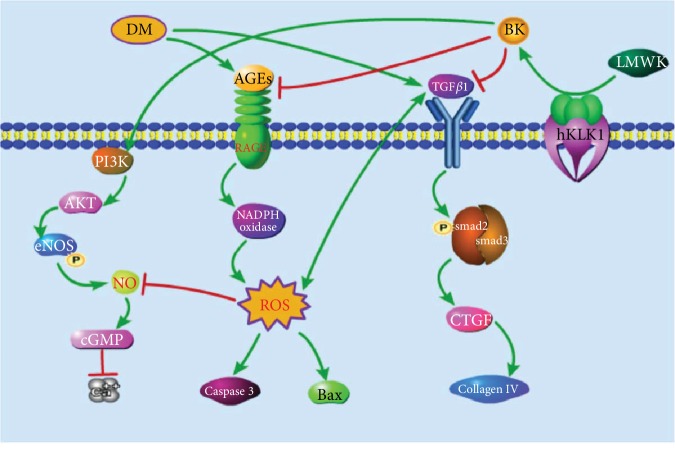
hKLK1 preserves erectile function of DM rats through its antitissue excessive OS, apoptosis, and fibrosis effects, as well as activation of the PI3K/AKT/eNOS/cGMP pathway in the penis. Moreover, hKLK1 promotes relaxation and prevents high glucose-induced injuries of CSMC mediated by EC-CSMC crosstalk.
探讨人组织激肽释放酶 1(hKLK1)对糖尿病性勃起功能障碍(DM-ED)大鼠的保护作用及机制。
采用基因敲入技术构建 hKLK1 基因纯合子转基因(TGR)大鼠,与同周龄野生型 Sprague Dawley 大鼠(WTR)比较,腹腔注射链脲佐菌素(STZ)诱导糖尿病,将 48 周龄雄性大鼠随机分为 WTR 组、TGR 组、糖尿病 WTR 组(WTDM)、糖尿病 TGR 组(TGDM)和糖尿病 TGR 组加 HOE140 组(TGDMH),每组 8 只。12 周后,采用海绵体神经电刺激检测各组大鼠勃起反应,取海绵体组织检测海绵体氧化应激(OS)、凋亡、纤维化水平及相关通路。此外,原代分离培养海绵体平滑肌细胞(CSMC)和内皮细胞(EC),构建共培养体系进行一系列验证。
hKLK1 可通过抑制组织 OS、凋亡和纤维化,激活阴茎组织 PI3K/AKT/eNOS/cGMP 通路,保护糖尿病大鼠的勃起功能。此外,hKLK1 可通过 EC-CSMC 细胞间串扰促进 CSMC 的舒张,预防高糖诱导的 CSMC 损伤。
hKLK1 通过抑制组织过度 OS、凋亡和纤维化,激活 PI3K/AKT/eNOS/cGMP 通路,保护糖尿病大鼠的勃起功能,hKLK1 还可通过 EC-CSMC 细胞间串扰促进 CSMC 的舒张,预防高糖诱导的 CSMC 损伤。