Department of Oral Physiology, BK21 PLUS Project, School of Dentistry, Pusan National University, Yangsan 50610, Korea.
Dental and Life Science Institute, School of Dentistry, Pusan National University, Yangsan 50610, Korea.
Cells. 2020 Mar 17;9(3):737. doi: 10.3390/cells9030737.
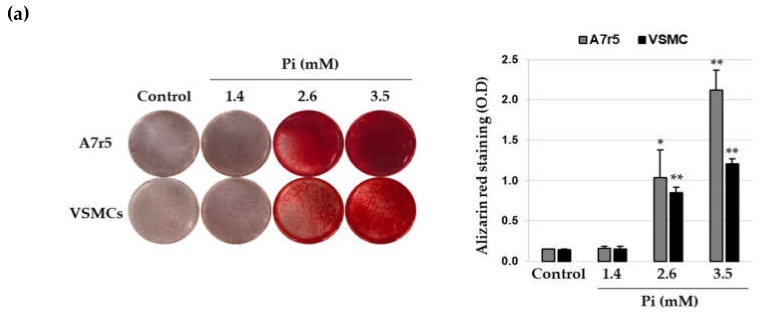
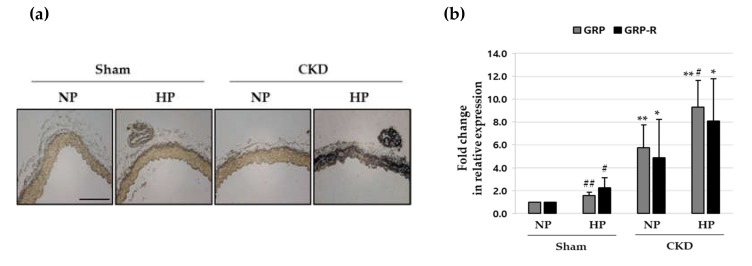
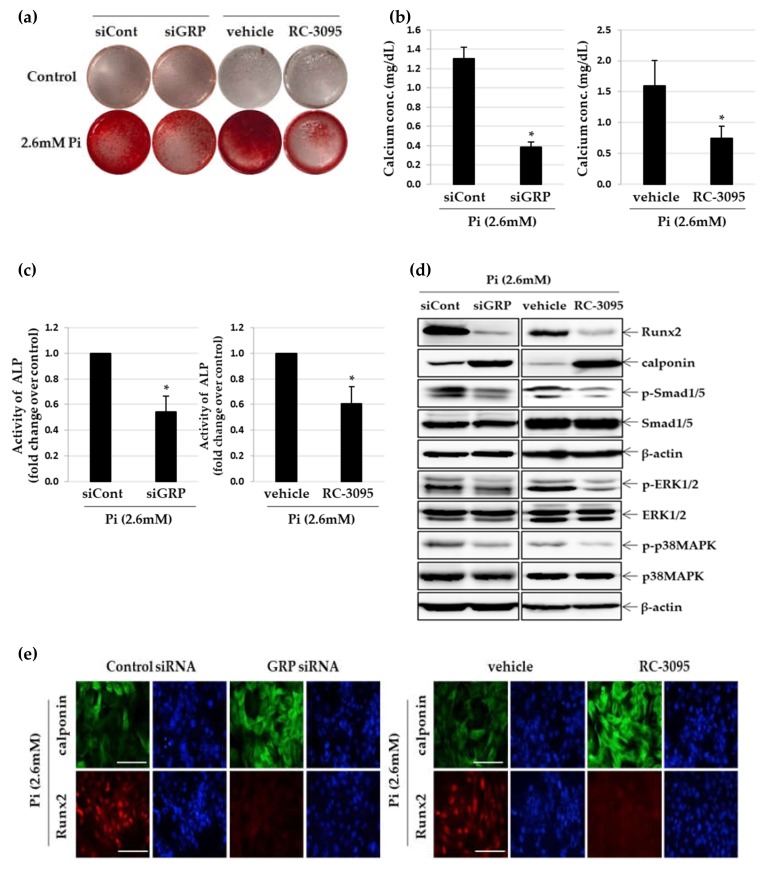
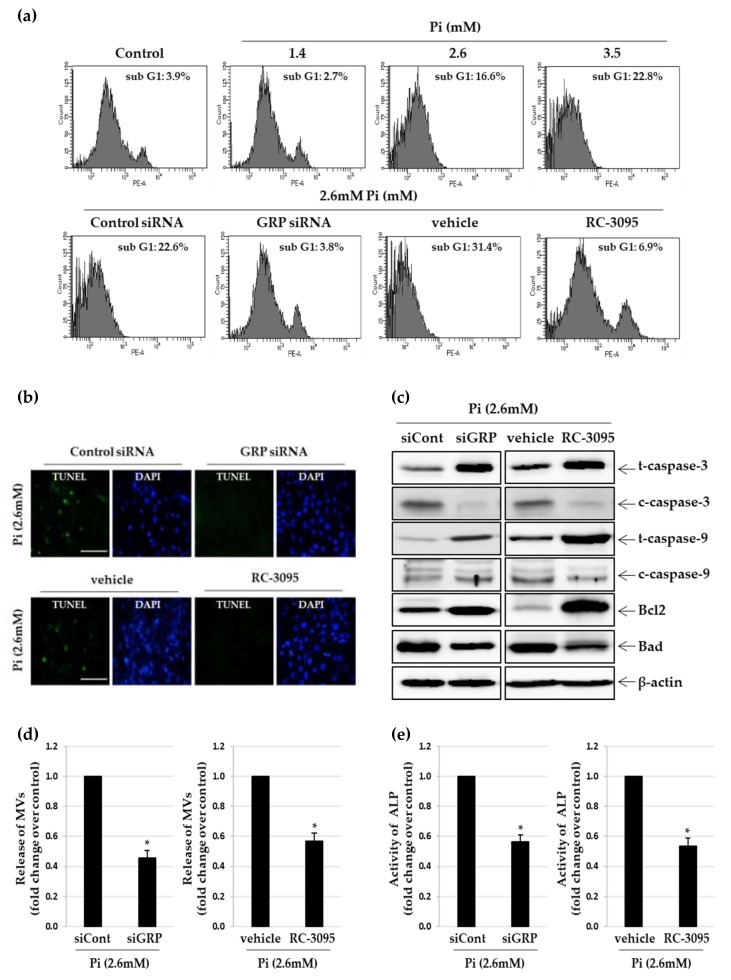
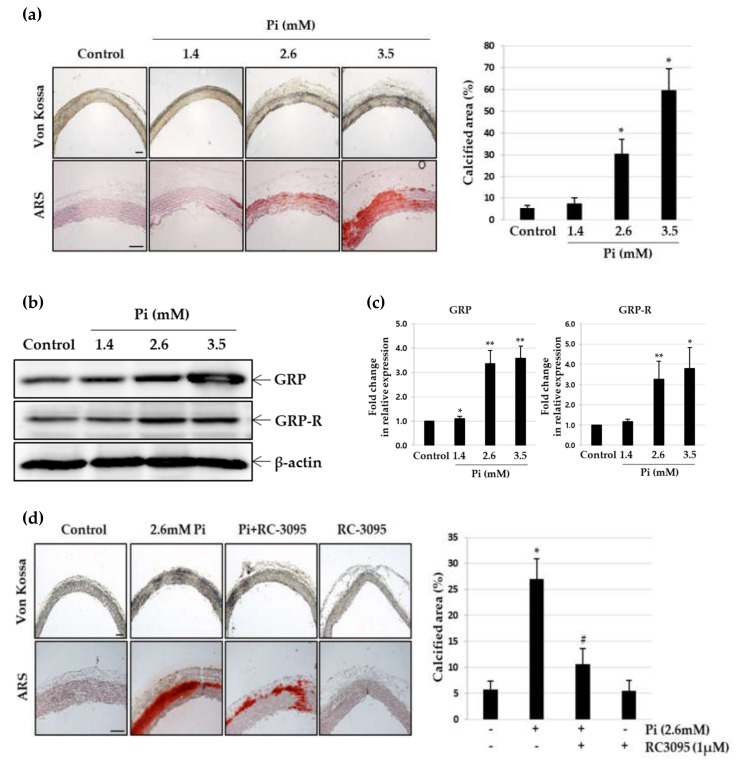
Vascular calcification is the pathological deposition of calcium/phosphate in the vascular system and is closely associated with cardiovascular morbidity and mortality. Here, we investigated the role of gastrin-releasing peptide (GRP) in phosphate-induced vascular calcification and its potential regulatory mechanism. We found that the silencing of GRP gene and treatment with the GRP receptor antagonist, RC-3095, attenuated the inorganic phosphate-induced calcification of vascular smooth muscle cells (VSMCs). This attenuation was caused by inhibiting phenotype change, apoptosis and matrix vesicle release in VSMCs. Moreover, the treatment with RC-3095 effectively ameliorated phosphate-induced calcium deposition in rat aortas ex vivo and aortas of chronic kidney disease in mice in vivo. Therefore, the regulation of the GRP-GRP receptor axis may be a potential strategy for treatment of diseases associated with excessive vascular calcification.
血管钙化是钙/磷在血管系统中的病理性沉积,与心血管发病率和死亡率密切相关。在这里,我们研究了胃泌素释放肽(GRP)在磷酸盐诱导的血管钙化中的作用及其潜在的调节机制。我们发现,GRP 基因沉默和 GRP 受体拮抗剂 RC-3095 的治疗可减弱无机磷酸盐诱导的血管平滑肌细胞(VSMCs)钙化。这种减弱是通过抑制 VSMCs 的表型变化、凋亡和基质小泡释放来实现的。此外,RC-3095 的治疗有效地改善了磷酸盐诱导的大鼠离体主动脉和慢性肾脏病小鼠体内主动脉钙沉积。因此,GRP-GRP 受体轴的调节可能是治疗与过度血管钙化相关疾病的一种潜在策略。