Center for Eukaryotic Gene Regulation, Department of Biochemistry and Molecular Biology, The Pennsylvania State University, State College, Pennsylvania.
The Molecular, Cellular, and Integrative Biosciences Program, The Pennsylvania State University, State College, Pennsylvania.
Mol Cancer Res. 2020 May;18(5):735-747. doi: 10.1158/1541-7786.MCR-19-0018. Epub 2020 Mar 19.
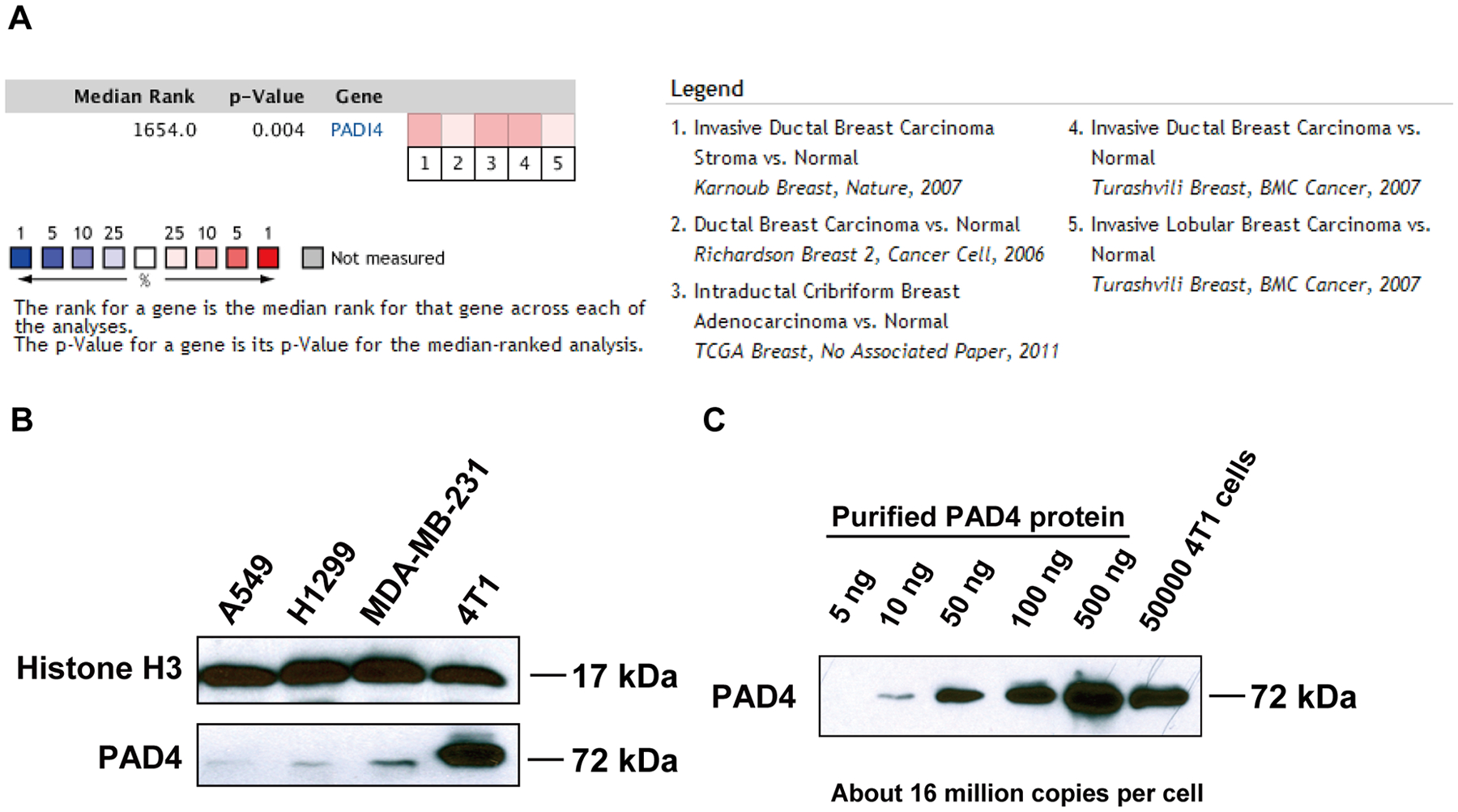
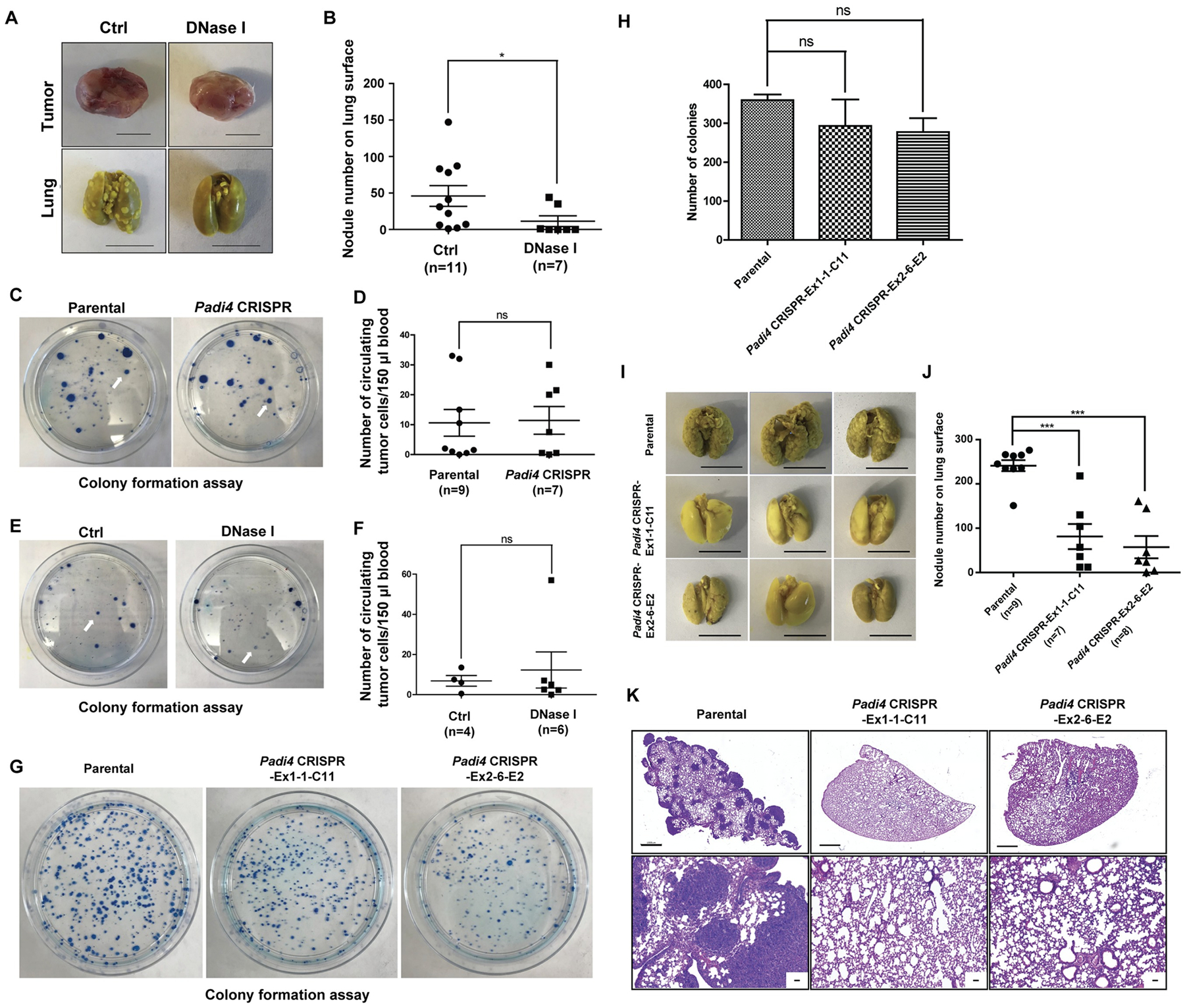
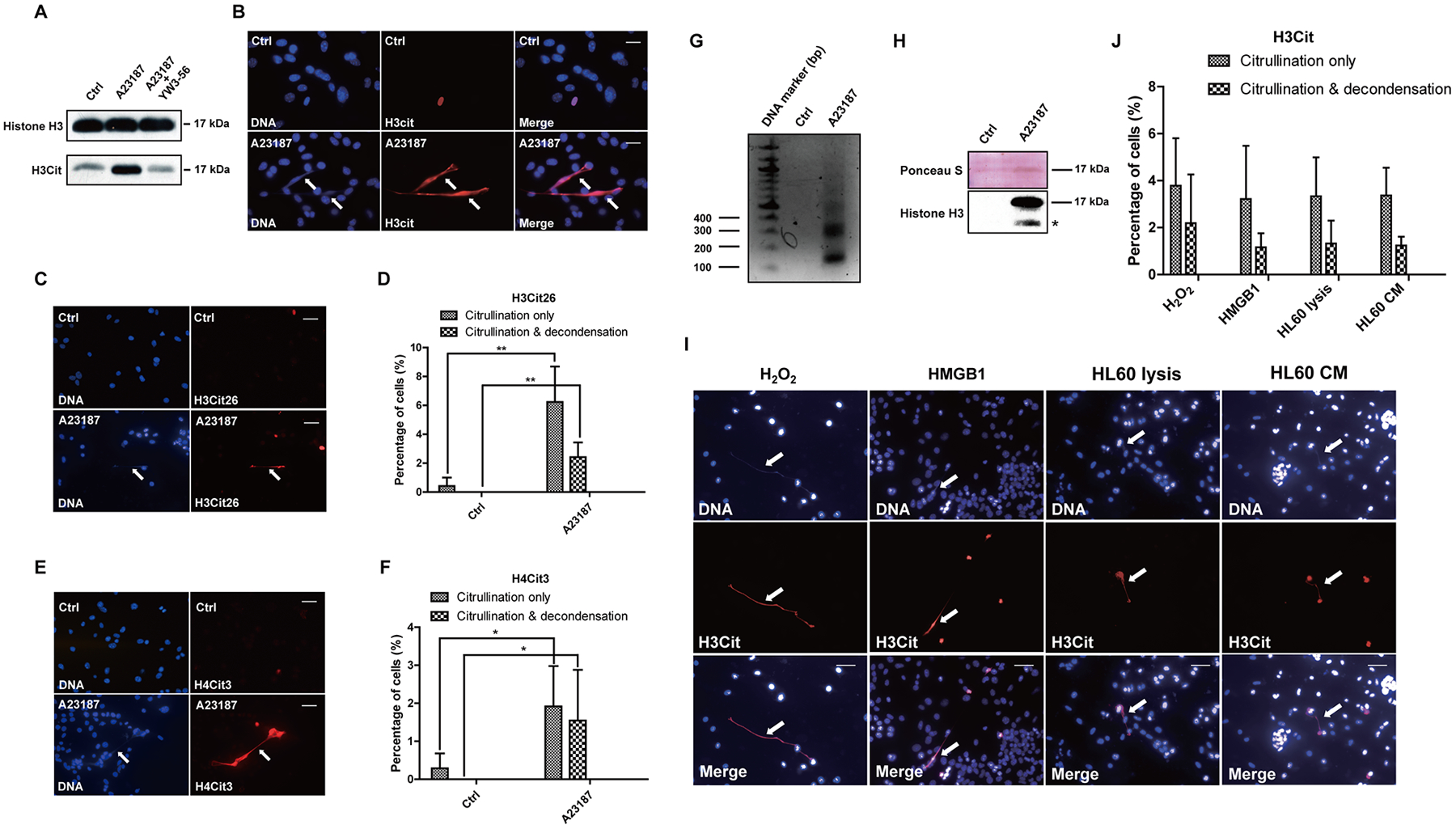
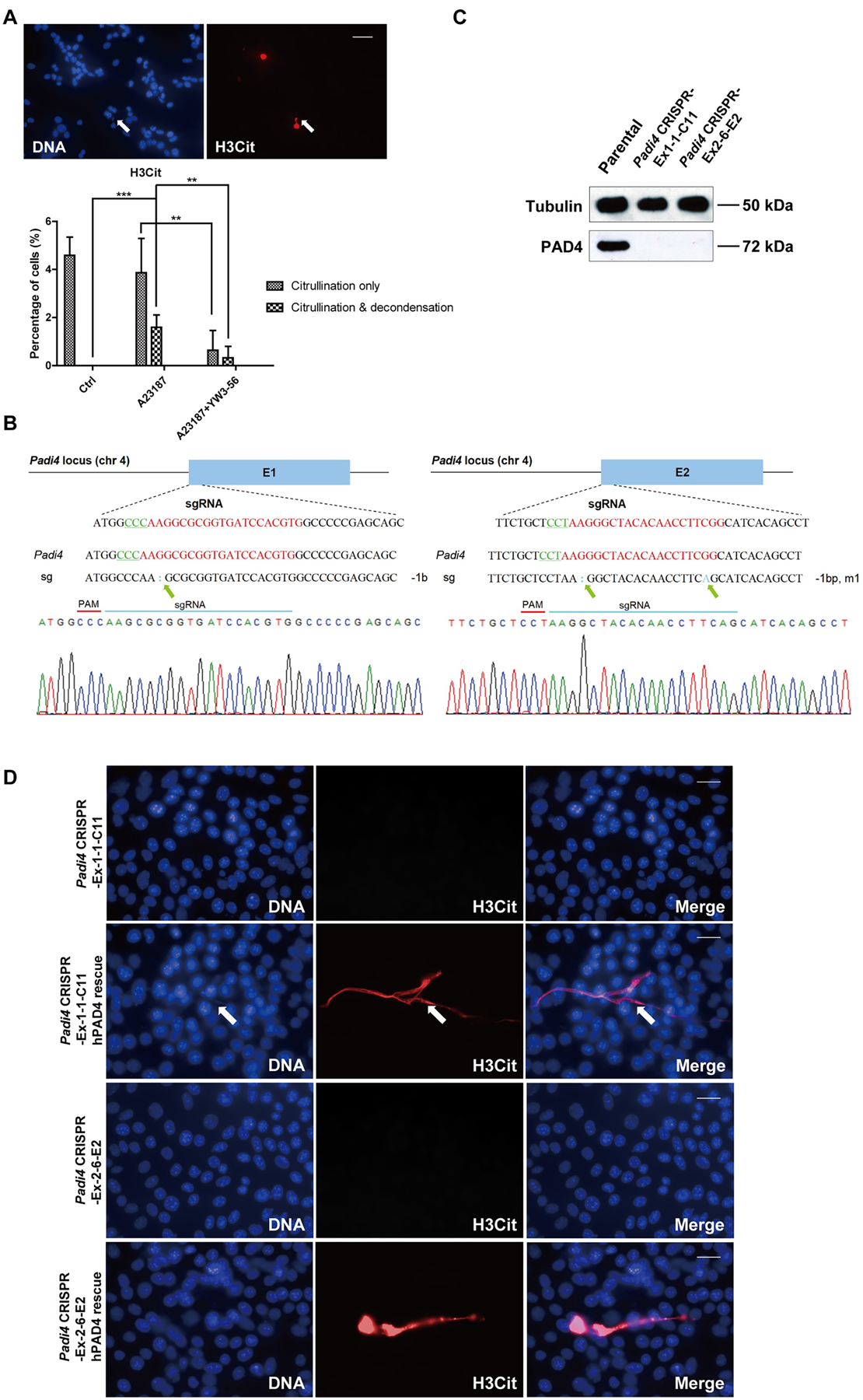
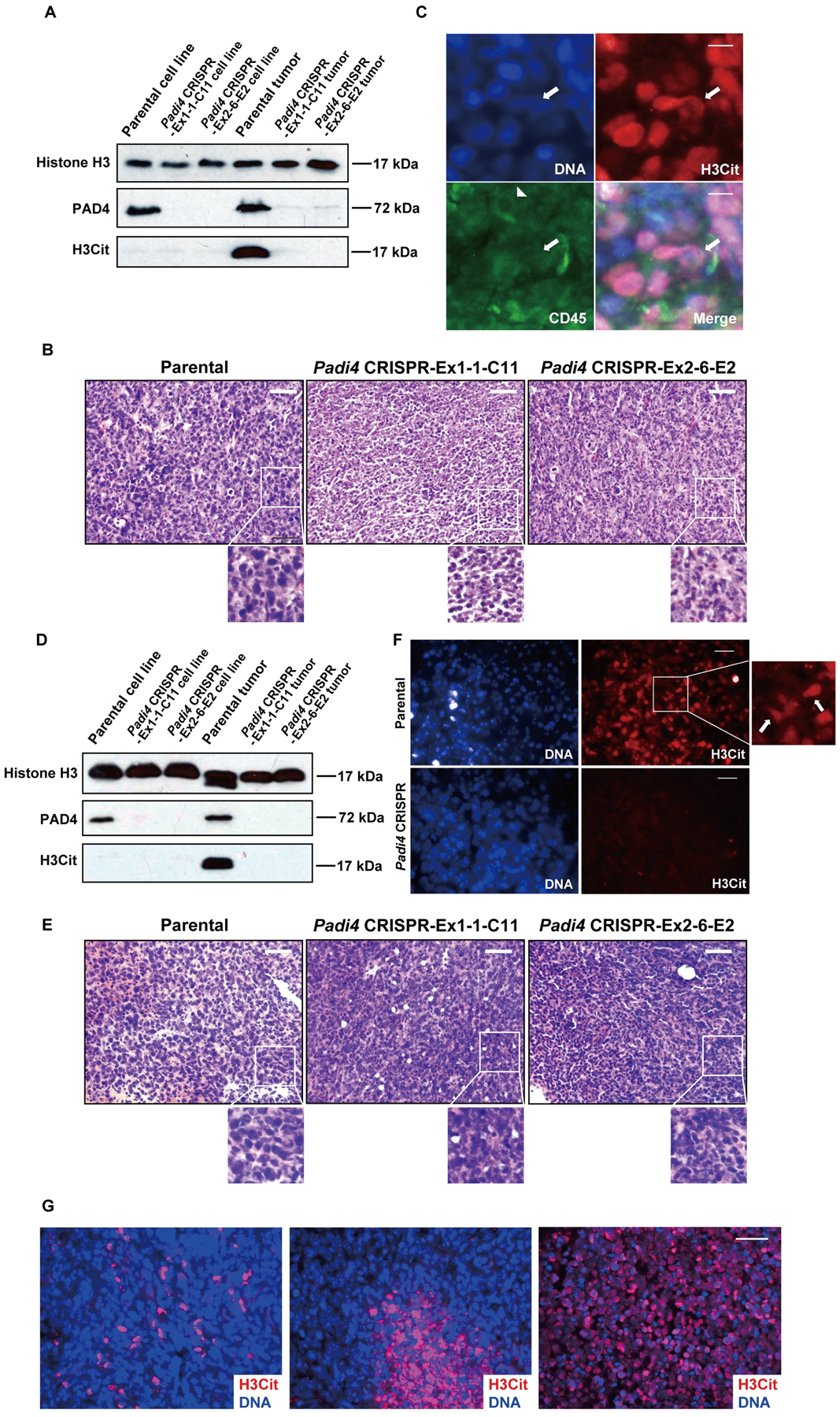
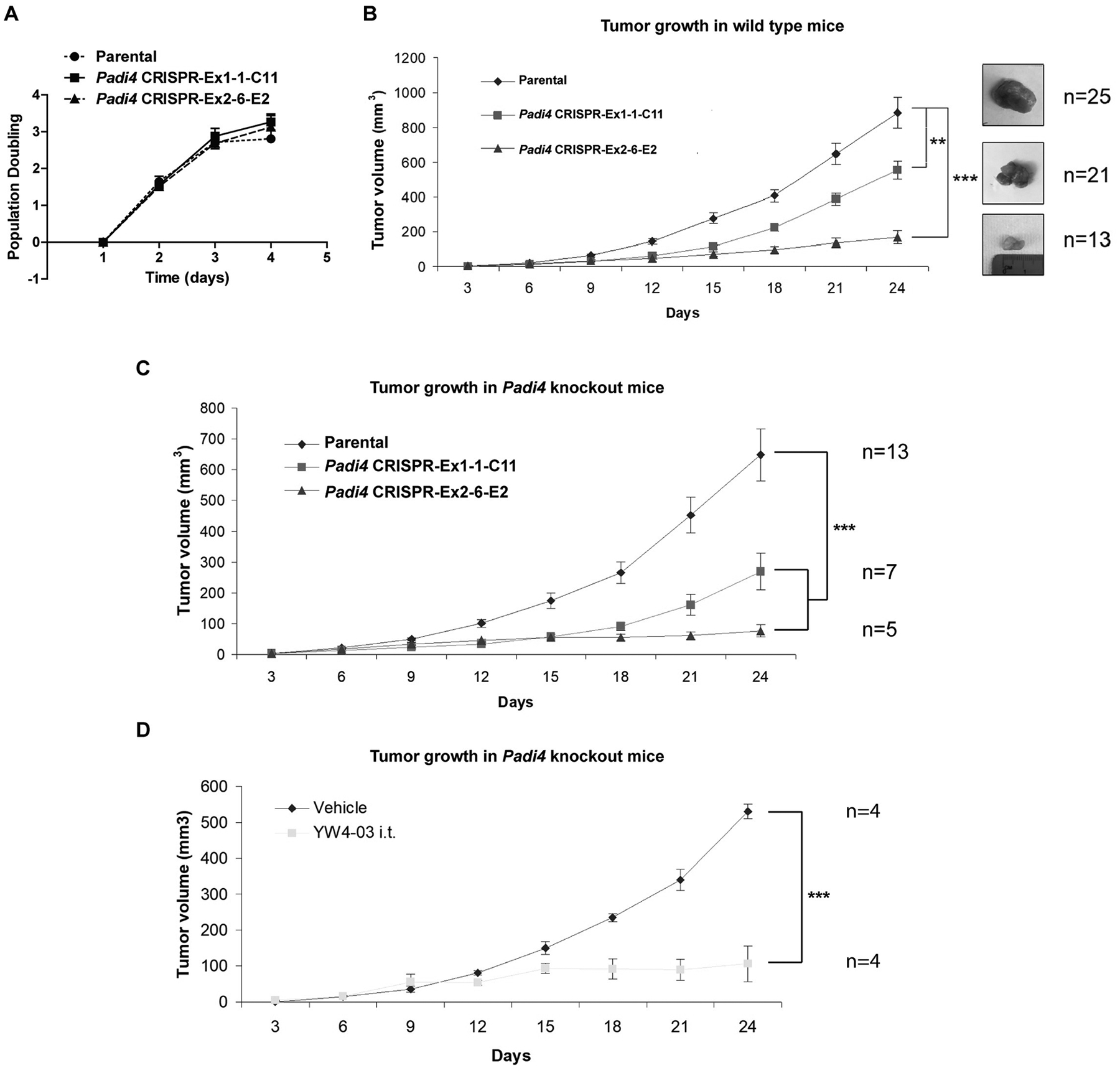
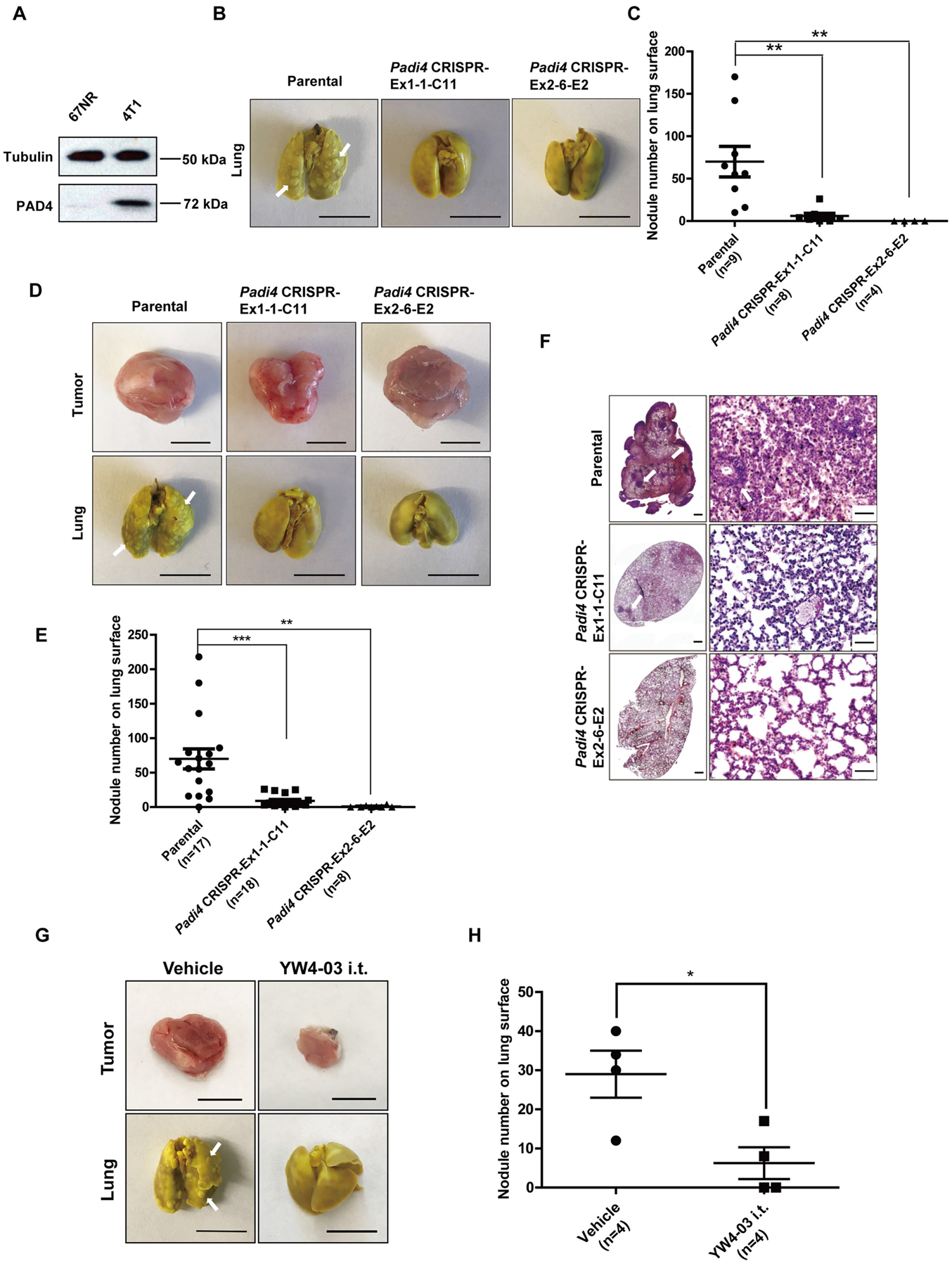
Peptidyl arginine deiminase 4 (PAD4/PADI4) is a posttranslational modification enzyme that converts protein arginine or mono-methylarginine to citrulline. The PAD4-mediated hypercitrullination reaction in neutrophils causes the release of nuclear chromatin to form a chromatin network termed neutrophil extracellular traps (NET). NETs were first described as antimicrobial fibers that bind and kill bacteria. However, it is not known whether PAD4 can mediate the release of chromatin DNA into the extracellular space of cancer cells. Here, we report that murine breast cancer 4T1 cells expressing high levels of PADI4 can release cancer extracellular chromatin networks (CECN) and . Deletion of using CRISPR/Cas9 abolished CECN formation in 4T1 cells. deletion from 4T1 cells also reduced the rate of tumor growth in an allograft model, and decreased lung metastasis by 4T1 breast cancers. DNase I treatment, which degrades extracellular DNA including CECNs, also reduced breast to lung metastasis of wild-type 4T1 cells in allograft experiments in the -knockout mice. We further demonstrated that DNase I treatment in this mouse model did not alter circulating tumor cells but decreased metastasis through steps after intravasation. Taken together, our genetic studies show that PAD4 plays a cell autonomous role in cancer metastasis, thus revealing a novel strategy for preventing cancer metastasis by inhibiting cancer cell endogenous PAD4. IMPLICATIONS: This study shows that PADI4 can mediate the formation of CECNs in 4T1 cells, and that endogenous PADI4 plays an essential role in breast cancer lung metastasis. VISUAL OVERVIEW: http://mcr.aacrjournals.org/content/molcanres/18/5/735/F1.large.jpg.
肽基精氨酸脱亚氨酶 4(PAD4/PADI4)是一种翻译后修饰酶,可将蛋白质精氨酸或单甲基精氨酸转化为瓜氨酸。中性粒细胞中 PAD4 介导的高瓜氨酸化反应导致核染色质释放,形成一种称为中性粒细胞细胞外陷阱(NET)的染色质网络。NET 最初被描述为结合并杀死细菌的抗菌纤维。然而,目前尚不清楚 PAD4 是否可以介导染色质 DNA 释放到癌细胞的细胞外空间。在这里,我们报告表达高水平 PADI4 的小鼠乳腺癌 4T1 细胞可以释放癌症细胞外染色质网络(CECN)。使用 CRISPR/Cas9 敲除 可消除 4T1 细胞中 CECN 的形成。4T1 细胞中 的缺失也降低了同种异体移植模型中肿瘤的生长速度,并降低了 4T1 乳腺癌的肺转移。DNase I 处理,可降解包括 CECN 在内的细胞外 DNA,也降低了同种异体移植实验中野生型 4T1 细胞向肺的转移。我们进一步证明,在该小鼠模型中,DNase I 处理不会改变循环肿瘤细胞,但通过血管内渗后步骤降低转移。总之,我们的遗传研究表明 PAD4 在癌症转移中发挥细胞自主作用,从而揭示了通过抑制癌症细胞内源性 PAD4 预防癌症转移的新策略。意义:本研究表明 PADI4 可介导 4T1 细胞中 CECN 的形成,内源性 PADI4 在乳腺癌肺转移中起关键作用。直观描述:http://mcr.aacrjournals.org/content/molcanres/18/5/735/F1.large.jpg。