Fitzpatrick Susan F, Lambden Simon, Macias David, Puthucheary Zudin, Pietsch Sandra, Mendil Lee, McPhail Mark J W, Johnson Randall S
Department of Physiology, Development and Neuroscience, University of Cambridge, Cambridge, United Kingdom.
Department of Anesthesia and Intensive Care, Royal Free London NHS Foundation Trust, Centre for Health and Human Performance, University College London, London, United Kingdom.
Front Physiol. 2020 Mar 3;11:147. doi: 10.3389/fphys.2020.00147. eCollection 2020.
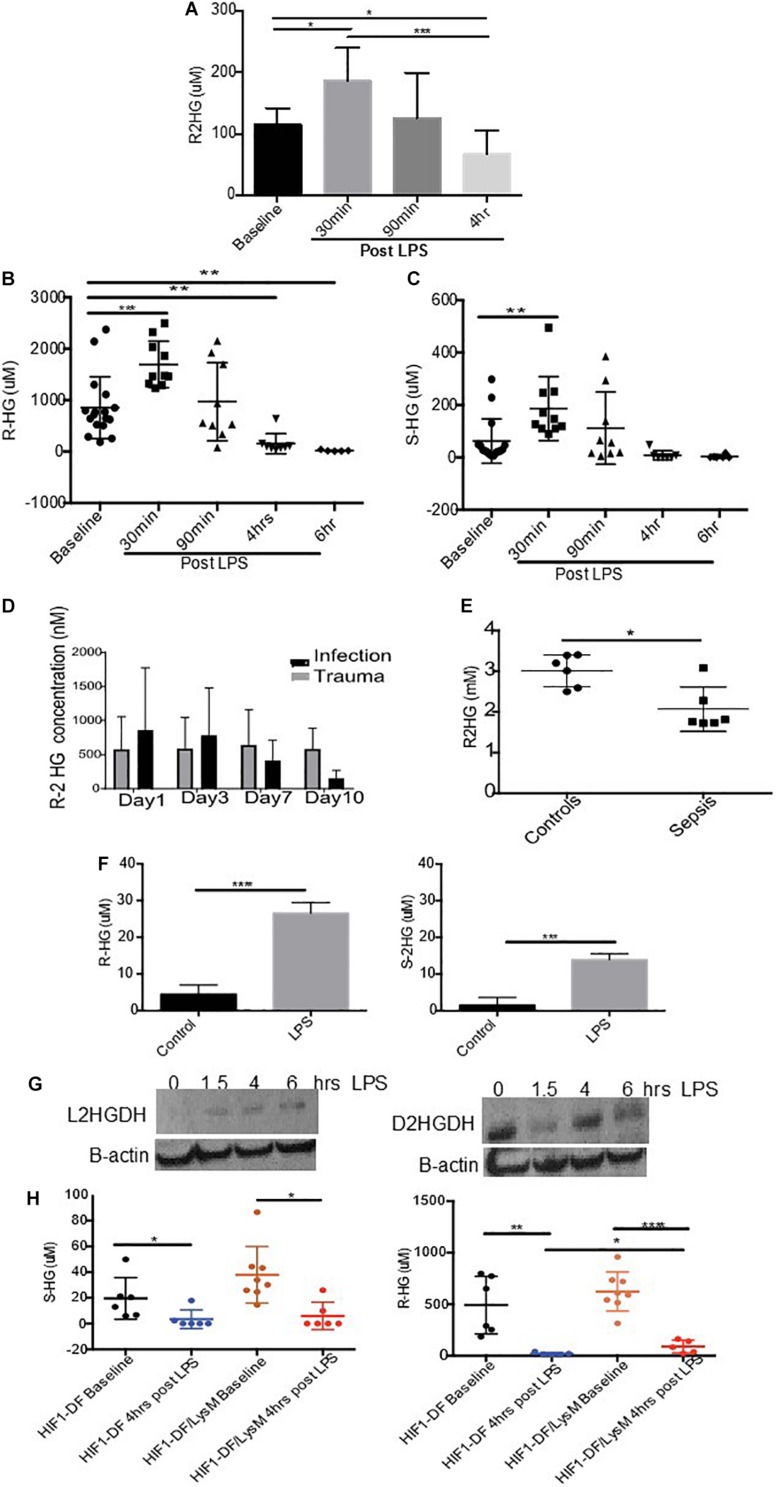
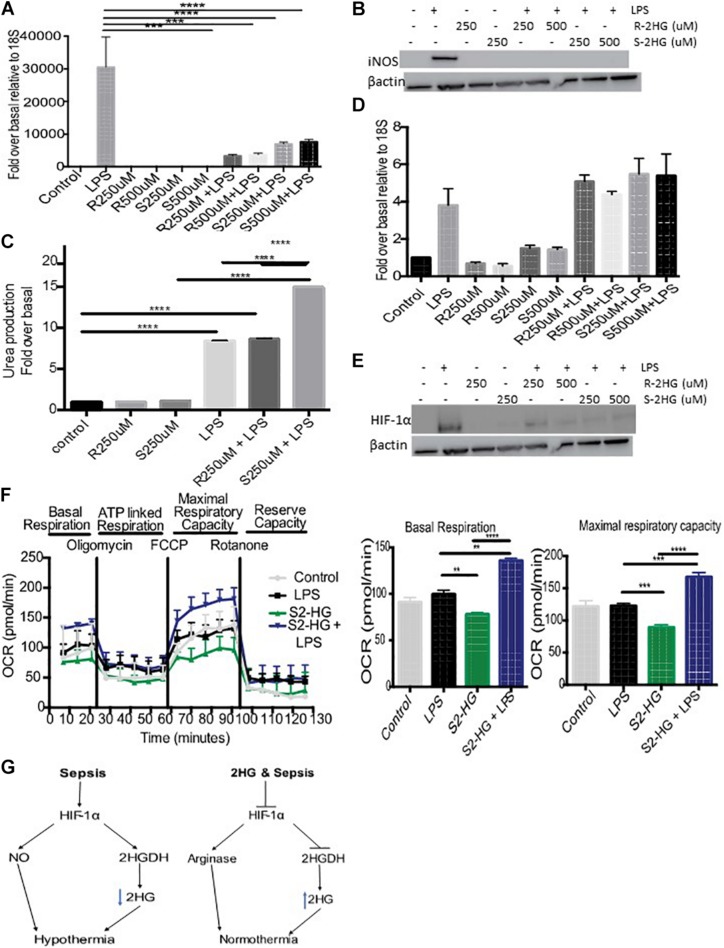
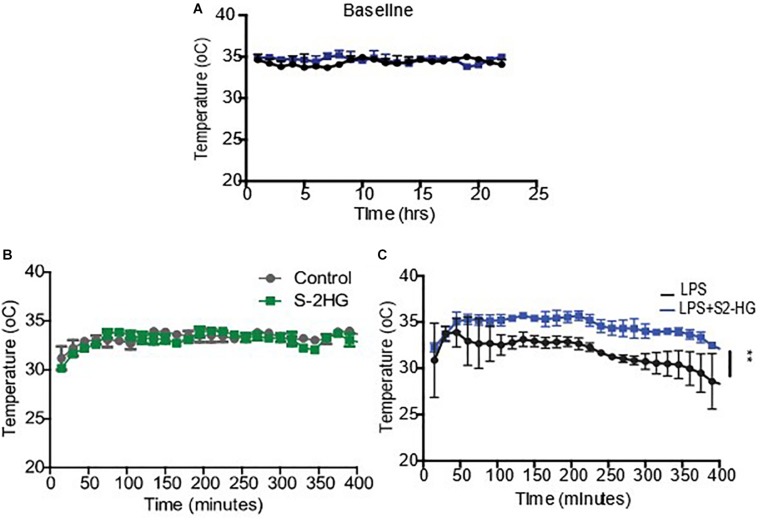
The metabolic response to endotoxemia closely mimics those seen in sepsis. Here, we show that the urinary excretion of the metabolite 2-hydroxyglutarate (2HG) is dramatically suppressed following lipopolysaccharide (LPS) administration , and in human septic patients. We further show that enhanced activation of the enzymes responsible for 2-HG degradation, D- and L-2-HGDH, underlie this effect. To determine the role of supplementation with 2HG, we carried out co-administration of LPS and 2HG. This co-administration in mice modulates a number of aspects of physiological responses to LPS, and in particular, protects against LPS-induced hypothermia. Our results identify a novel role for 2HG in endotoxemia pathophysiology, and suggest that this metabolite may be a critical diagnostic and therapeutic target for sepsis.
对内毒素血症的代谢反应与脓毒症中的反应极为相似。在此,我们表明,在给予脂多糖(LPS)后以及在人类脓毒症患者中,代谢物2-羟基戊二酸(2HG)的尿排泄量会显著受到抑制。我们进一步表明,负责2HG降解的酶D-和L-2-羟基戊二酸脱氢酶(D- and L-2-HGDH)的激活增强是造成这种效应的原因。为了确定补充2HG的作用,我们进行了LPS和2HG的联合给药。在小鼠中进行这种联合给药可调节对LPS生理反应的多个方面,尤其是可预防LPS诱导的体温过低。我们的结果确定了2HG在内毒素血症病理生理学中的新作用,并表明这种代谢物可能是脓毒症的关键诊断和治疗靶点。