
间充质干细胞衍生的细胞外囊泡在再生医学中的应用:在皮肤伤口愈合中的应用
Extracellular Vesicles Derived From Mesenchymal Stem Cells (MSC) in Regenerative Medicine: Applications in Skin Wound Healing.
作者信息
Casado-Díaz Antonio, Quesada-Gómez José Manuel, Dorado Gabriel
机构信息
Unidad de Gestión Clínica de Endocrinología y Nutrición, CIBER de Fragilidad y Envejecimiento Saludable (CIBERFES), Instituto Maimónides de Investigación Biomédica de Córdoba (IMIBIC), Hospital Universitario Reina Sofía, Córdoba, Spain.
Dep. de Bioquímica y Biología Molecular, Campus Rabanales C6-1-E17, Campus de Excelencia Internacional Agroalimentario (ceiA3), Universidad de Córdoba, CIBERFES, Córdoba, Spain.
出版信息
Front Bioeng Biotechnol. 2020 Mar 3;8:146. doi: 10.3389/fbioe.2020.00146. eCollection 2020.
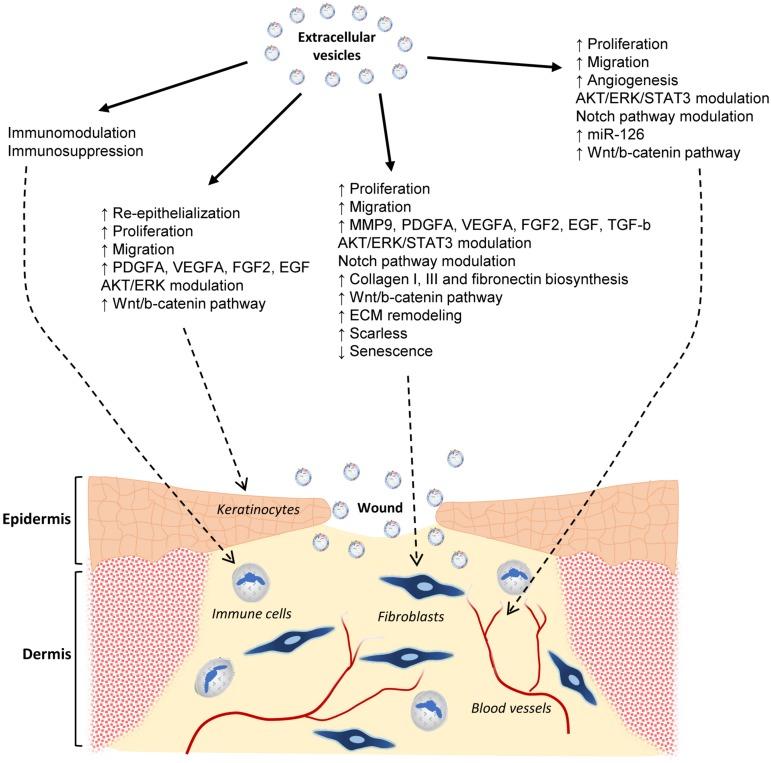
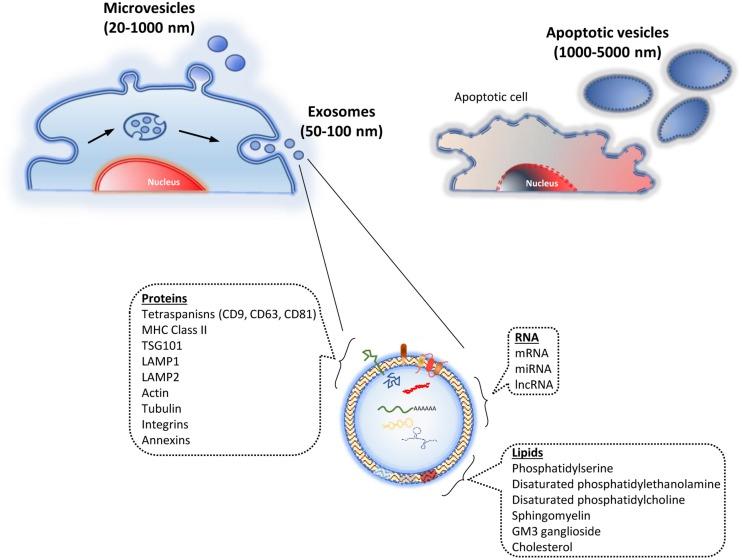
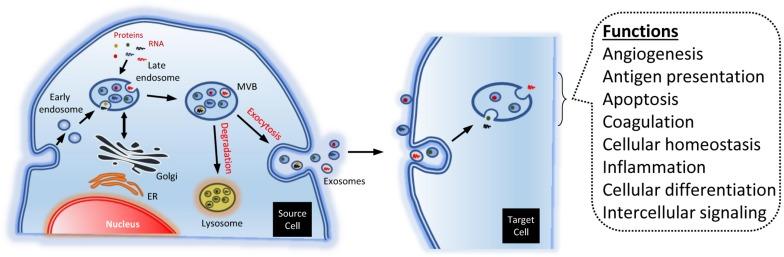
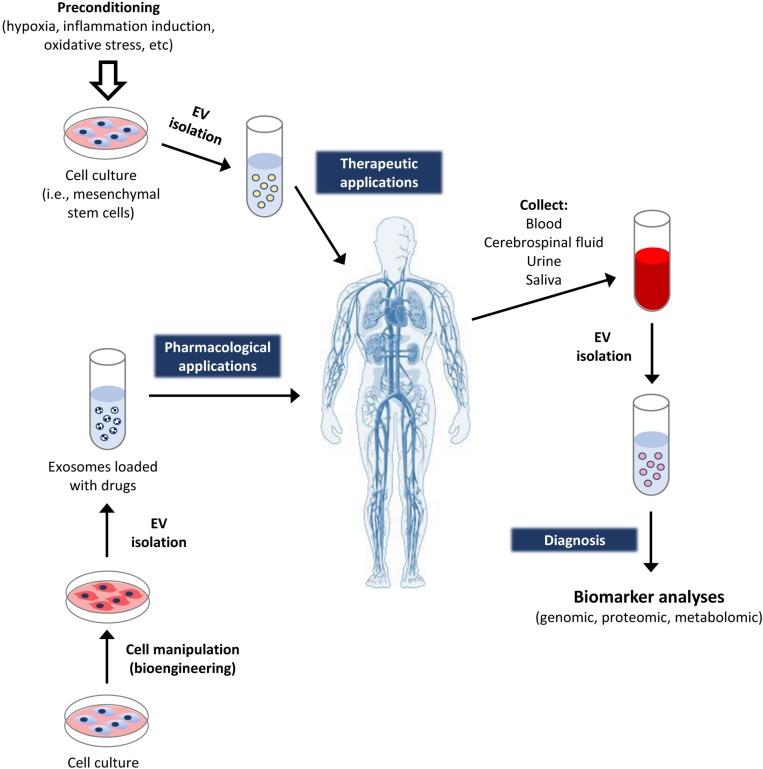
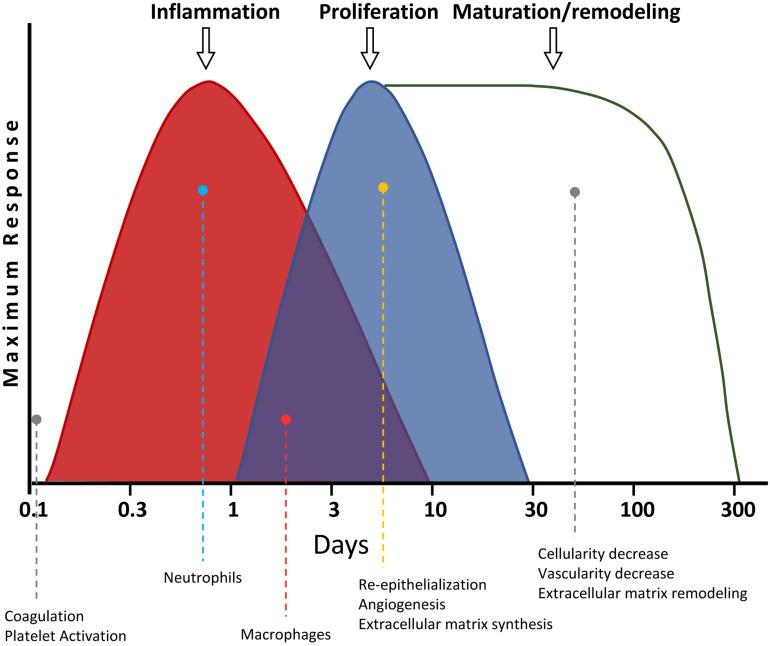
The cells secrete extracellular vesicles (EV) that may have an endosomal origin, or from evaginations of the plasma membrane. The former are usually called exosomes, with sizes ranging from 50 to 100 nm. These EV contain a lipid bilayer associated to membrane proteins. Molecules such as nucleic acids (DNA, mRNA, miRNA, lncRNA, etc.) and proteins may be stored inside. The EV composition depends on the producer cell type and its physiological conditions. Through them, the cells modify their microenvironment and the behavior of neighboring cells. That is accomplished by transferring factors that modulate different metabolic and signaling pathways. Due to their properties, EV can be applied as a diagnostic and therapeutic tool in medicine. The mesenchymal stromal cells (MSC) have immunomodulatory properties and a high regenerative capacity. These features are linked to their paracrine activity and EV secretion. Therefore, research on exosomes produced by MSC has been intensified for use in cell-free regenerative medicine. In this area, the use of EV for the treatment of chronic skin ulcers (CSU) has been proposed. Such sores occur when normal healing does not resolve properly. That is usually due to excessive prolongation of the inflammatory phase. These ulcers are associated with aging and diseases, such as diabetes, so their prevalence is increasing with the one of such latter disease, mainly in developed countries. This has very important socio-economic repercussions. In this review, we show that the application of MSC-derived EV for the treatment of CSU has positive effects, including accelerating healing and decreasing scar formation. This is because the EV have immunosuppressive and immunomodulatory properties. Likewise, they have the ability to activate the angiogenesis, proliferation, migration, and differentiation of the main cell types involved in skin regeneration. They include endothelial cells, fibroblasts, and keratinocytes. Most of the studies carried out so far are preclinical. Therefore, there is a need to advance more in the knowledge about the conditions of production, isolation, and action mechanisms of EV. Interestingly, their potential application in the treatment of CSU opens the door for the design of new highly effective therapeutic strategies.
细胞分泌的细胞外囊泡(EV)可能起源于内体,也可能来自质膜的内陷。前者通常称为外泌体,大小在50到100纳米之间。这些EV含有与膜蛋白相关的脂质双层。核酸(DNA、mRNA、miRNA、lncRNA等)和蛋白质等分子可能储存在其中。EV的组成取决于产生细胞的类型及其生理状态。通过它们,细胞改变其微环境和邻近细胞的行为。这是通过转移调节不同代谢和信号通路的因子来实现的。由于其特性,EV可作为医学中的诊断和治疗工具。间充质基质细胞(MSC)具有免疫调节特性和高再生能力。这些特征与其旁分泌活性和EV分泌有关。因此,对MSC产生的外泌体用于无细胞再生医学的研究不断加强。在这一领域,有人提出使用EV治疗慢性皮肤溃疡(CSU)。当正常愈合不能正常解决时,就会出现这种溃疡。这通常是由于炎症期过度延长所致。这些溃疡与衰老和疾病有关,如糖尿病,因此其患病率随着后者疾病的增加而上升,主要在发达国家。这具有非常重要的社会经济影响。在本综述中,我们表明,应用MSC来源的EV治疗CSU具有积极效果,包括加速愈合和减少瘢痕形成。这是因为EV具有免疫抑制和免疫调节特性。同样,它们有能力激活参与皮肤再生的主要细胞类型的血管生成、增殖、迁移和分化。这些细胞包括内皮细胞、成纤维细胞和角质形成细胞。迄今为止进行的大多数研究都是临床前研究。因此,有必要在EV的生产条件、分离方法和作用机制方面进一步深入了解。有趣的是,它们在治疗CSU方面的潜在应用为设计新的高效治疗策略打开了大门。
 Zotero 插件