Ghasemi Goorbandi Rachel, Mohammadi Mohammad Reza, Malekzadeh Kianoosh
1Sharif University of Technology, Kish International Campus, Kish Island, Iran.
2Molecular Medicine Research Center, Hormozgan University of Medical Sciences, Bandar Abbas, Iran.
Biomater Res. 2020 Mar 20;24:9. doi: 10.1186/s40824-020-00187-2. eCollection 2020.
Genistein (CHO) is a soy isoflavone with anti-cancer properties such as inhibition of cell growth, proliferation and tumor invasion, but effective dosage against hematopoietic malignant cells was not in non-toxic range. This property cause to impede its usage as chemotherapeutic agent. Therefore, this hypothesis raised that synthesizing biocompatible nanoparticle could assist to prevail this struggle.
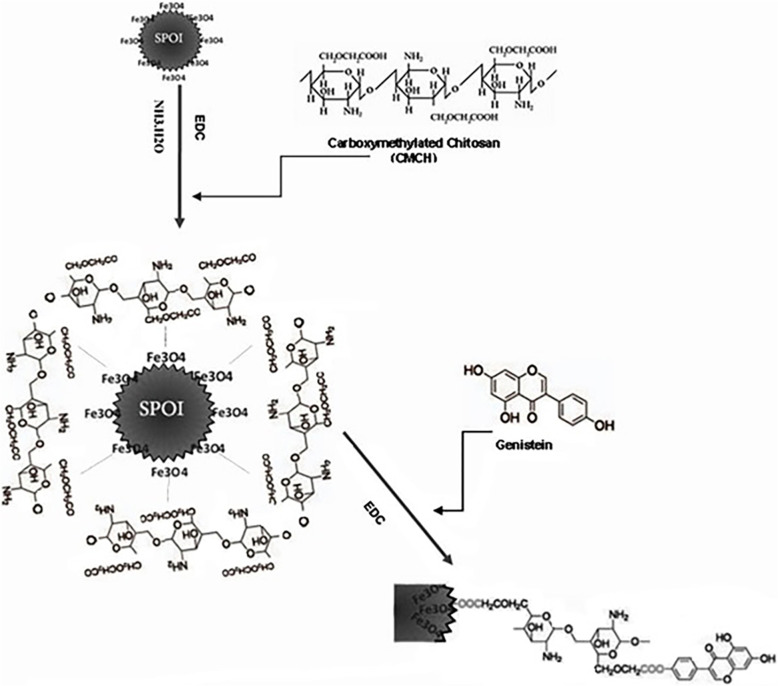
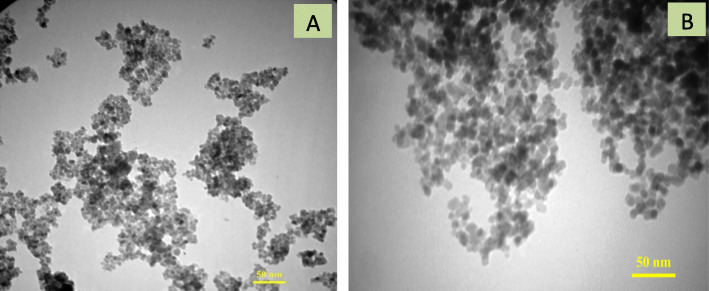
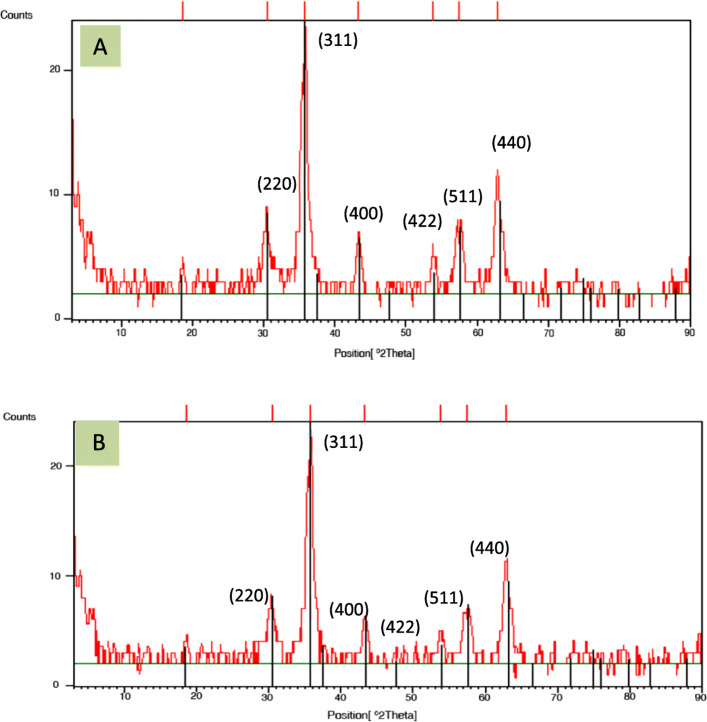
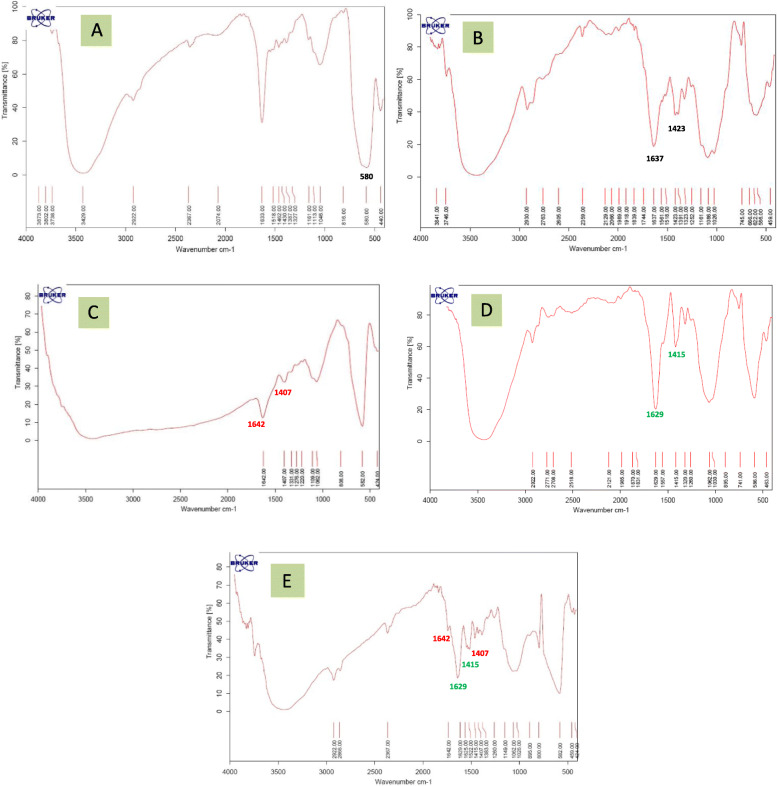
Genistein covalently attached on FeO nanoparticles decorated with carboxymethylated chitosan to fabricate FeO-CMC-genistein in alkaline circumstance. This obtained nanoparticles were evaluated by TEM, DLS, FTIR, XRD and VSM and its anti-cancer effect by growth rate and MTT assays as well as flow cytometer on ALL cancer cell lines.
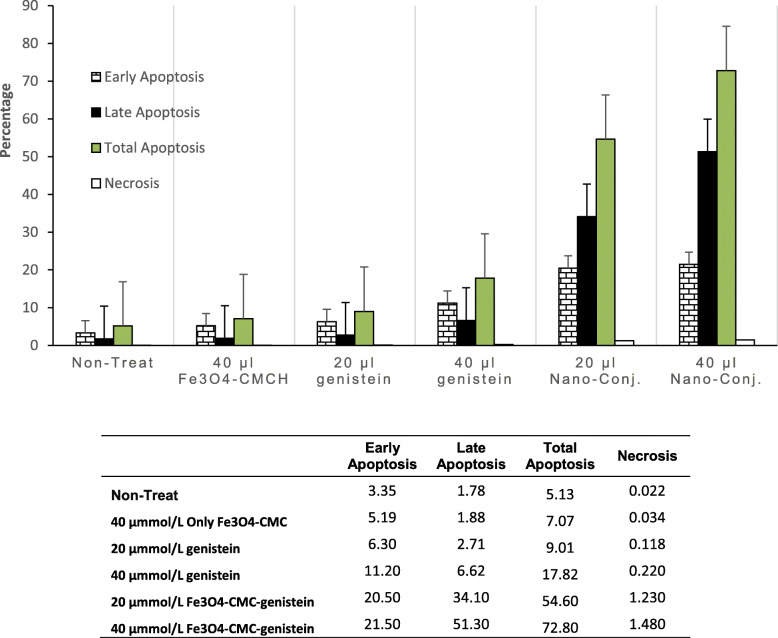
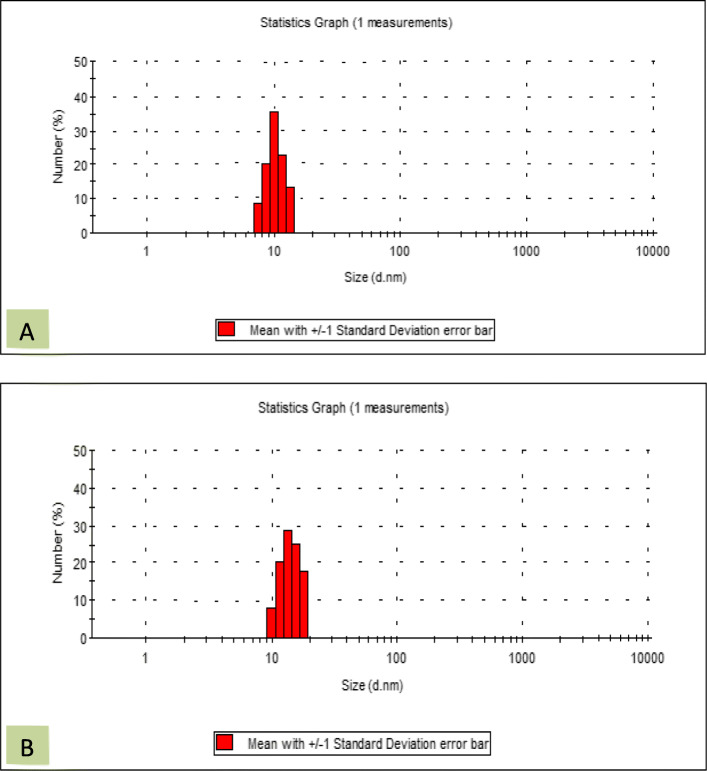
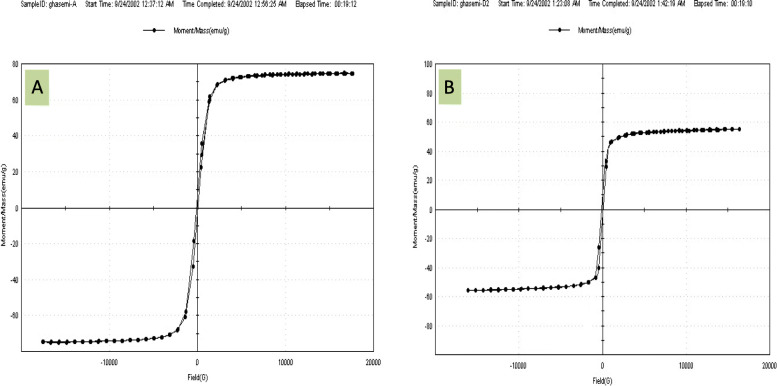
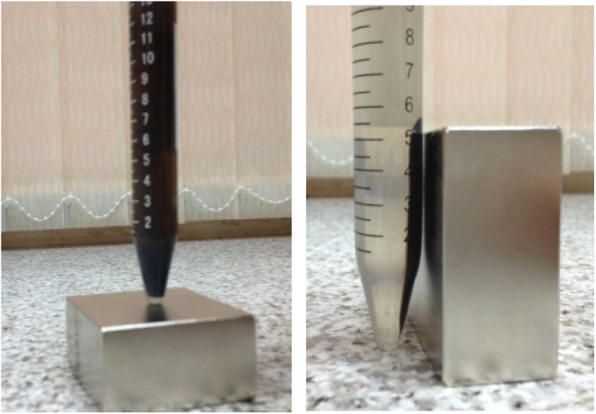
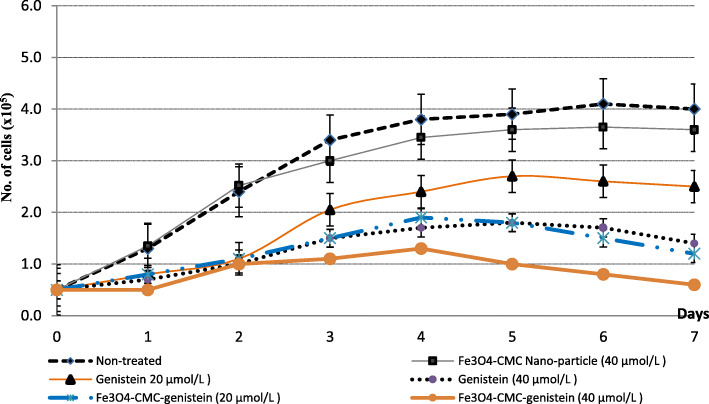
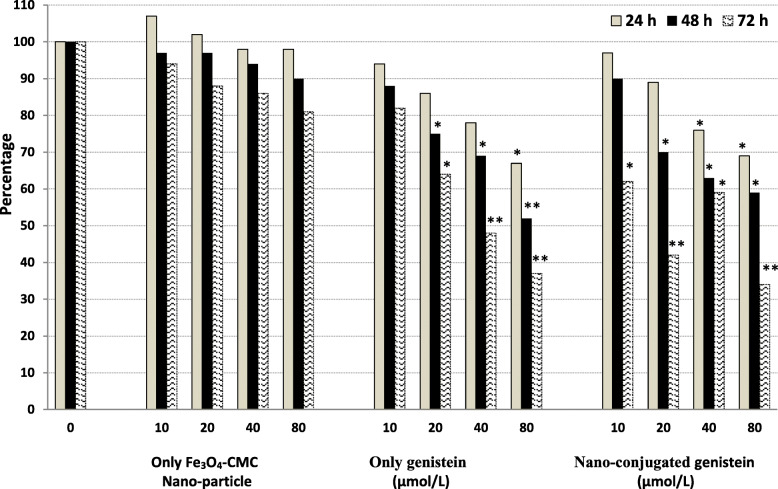
Different evaluations indicated that the drug delivery vehicle had a mean diameter size around 12ƞm with well bounded components. This system presented high degree of magnetization and superparamagnetic properties as well as good water solubility. In comparison with pure genistein, significant growth inhibition on hematopoietic cancer cells in lower dose of genistein nano-conjugated onto FeO-CMC. It increased long lasting effect of genistein in cancer cells also.
This delivery system for genistein could be remarkably promised and futuristic as biocompatible chemotherapeutic agent against hematopoietic malignant cells.
染料木黄酮(CHO)是一种具有抗癌特性的大豆异黄酮,如抑制细胞生长、增殖和肿瘤侵袭,但对造血恶性细胞有效的剂量不在无毒范围内。这一特性阻碍了其作为化疗药物的使用。因此,有人提出合成生物相容性纳米颗粒可能有助于克服这一难题。
在碱性环境下,将染料木黄酮共价连接到用羧甲基化壳聚糖修饰的FeO纳米颗粒上,制备FeO-CMC-染料木黄酮。通过透射电子显微镜(TEM)、动态光散射(DLS)、傅里叶变换红外光谱(FTIR)、X射线衍射(XRD)和振动样品磁强计(VSM)对所得纳米颗粒进行评估,并通过生长速率、MTT试验以及流式细胞仪对所有癌细胞系评估其抗癌效果。
不同的评估表明,该药物递送载体的平均直径约为12μm,各成分结合良好。该系统具有高度的磁化强度和超顺磁性,以及良好的水溶性。与纯染料木黄酮相比,较低剂量的染料木黄酮纳米共轭物FeO-CMC对造血癌细胞具有显著的生长抑制作用。它还增强了染料木黄酮在癌细胞中的持久作用。
这种染料木黄酮递送系统有望成为一种针对造血恶性细胞的生物相容性化疗药物,具有显著前景和未来应用价值。