Department of Surgery, Zealand University Hospital, Koege, Denmark.
Erasmus University Medical Centre, Rotterdam, the Netherlands.
BJS Open. 2020 Apr;4(2):342-353. doi: 10.1002/bjs5.50252. Epub 2020 Jan 9.
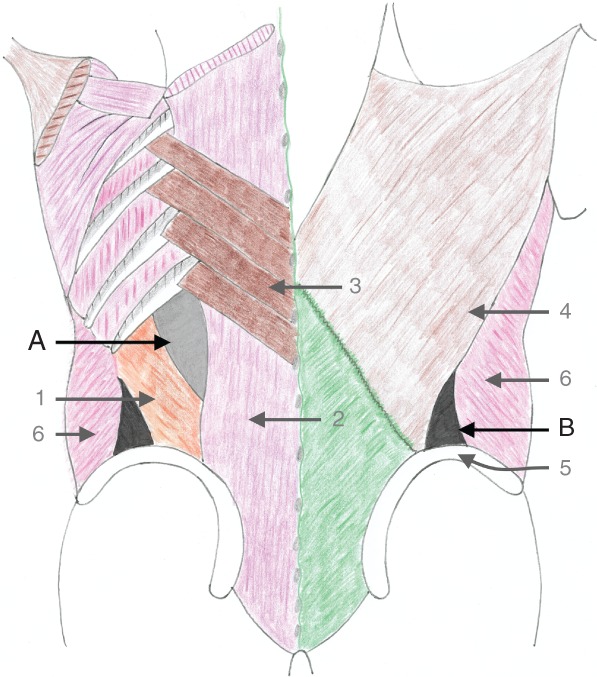
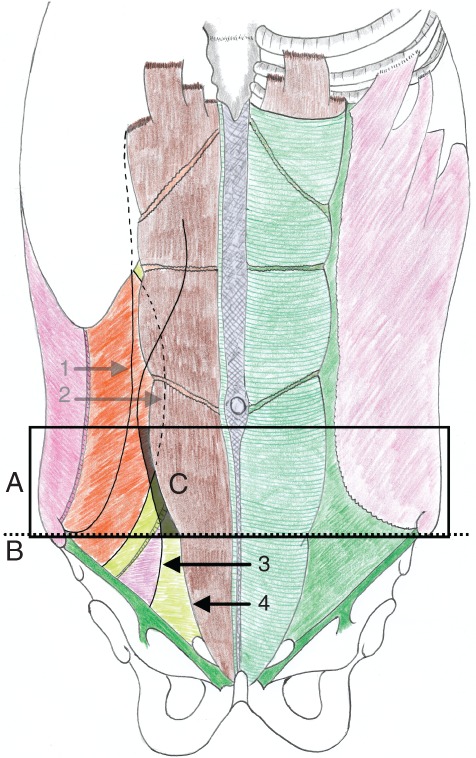
Rare locations of hernias, as well as primary ventral hernias under certain circumstances (cirrhosis, dialysis, rectus diastasis, subsequent pregnancy), might be technically challenging. The aim was to identify situations where the treatment strategy might deviate from routine management.
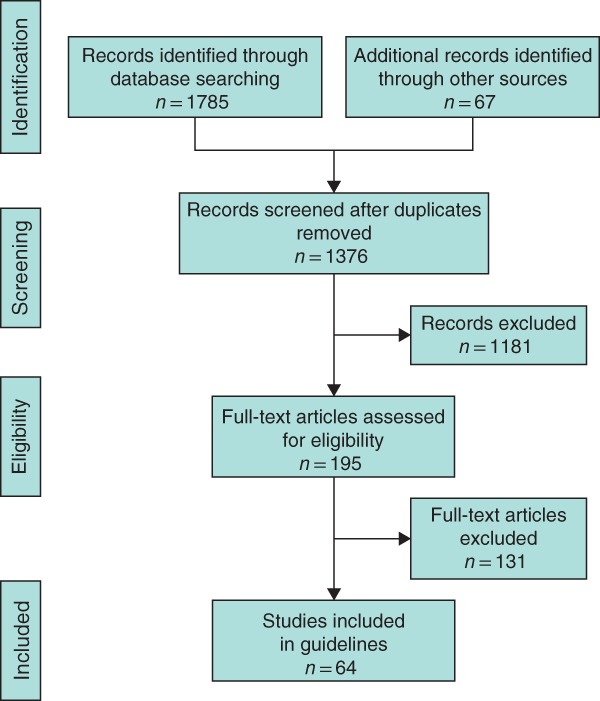
The guideline group consisted of surgeons from the European and Americas Hernia Societies. The Grading of Recommendations Assessment, Development and Evaluation (GRADE) approach was used in formulating the recommendations. The Scottish Intercollegiate Guidelines Network (SIGN) critical appraisal checklists were used to evaluate the quality of full-text papers. A systematic literature search was performed on 1 May 2018 and updated 1 February 2019. The Appraisal of Guidelines for Research and Evaluation (AGREE) instrument was followed.
Literature was limited in quantity and quality. A majority of the recommendations were graded as weak, based on low quality of evidence. In patients with cirrhosis or on dialysis, a preperitoneal mesh repair is suggested. Subsequent pregnancy is a risk factor for recurrence. Repair should be postponed until after the last pregnancy. For patients with a concomitant rectus diastasis or those with a Spigelian or lumbar hernia, no recommendation could be made for treatment strategy owing to lack of evidence.
This is the first European and American guideline on the treatment of umbilical and epigastric hernias in patients with special conditions, including Spigelian and lumbar hernias. All recommendations were weak owing to a lack of evidence. Further studies are needed on patients with rectus diastasis, Spigelian and lumbar hernias.
疝的罕见部位,以及在某些情况下(肝硬化、透析、腹直肌分离、随后的妊娠)的原发性腹侧疝,可能在技术上具有挑战性。目的是确定治疗策略可能偏离常规管理的情况。
指南小组由欧洲和美洲疝学会的外科医生组成。采用推荐评估、制定和评估(GRADE)方法制定建议。苏格兰校际指南网络(SIGN)的关键评估检查表用于评估全文论文的质量。于 2018 年 5 月 1 日进行了系统文献检索,并于 2019 年 2 月 1 日进行了更新。遵循评估研究和评估指南(AGREE)工具。
文献数量和质量有限。大多数建议因证据质量低而被评为弱。对于肝硬化或透析患者,建议进行腹膜前网片修补术。随后的妊娠是复发的危险因素。应在最后一次妊娠后再进行修复。对于同时存在腹直肌分离的患者或患有 Spigelian 疝或腰疝的患者,由于缺乏证据,无法对治疗策略提出建议。
这是第一份关于治疗特殊条件下脐疝和上腹部疝的欧洲和美国指南,包括 Spigelian 疝和腰疝。由于证据不足,所有建议均为弱。需要进一步研究腹直肌分离、Spigelian 疝和腰疝患者的情况。