Department of Medical Oncology, Dana-Farber Cancer Institute, Boston, Massachusetts.
Perlmutter Cancer Center, New York University Langone Medical Center, New York, New York.
Clin Cancer Res. 2020 Jul 1;26(13):3431-3442. doi: 10.1158/1078-0432.CCR-19-1627. Epub 2020 Mar 24.
Lung squamous cell carcinoma (LSCC) is a deadly disease for which only a subset of patients responds to immune checkpoint blockade (ICB) therapy. Therefore, preclinical mouse models that recapitulate the complex genetic profile found in patients are urgently needed.
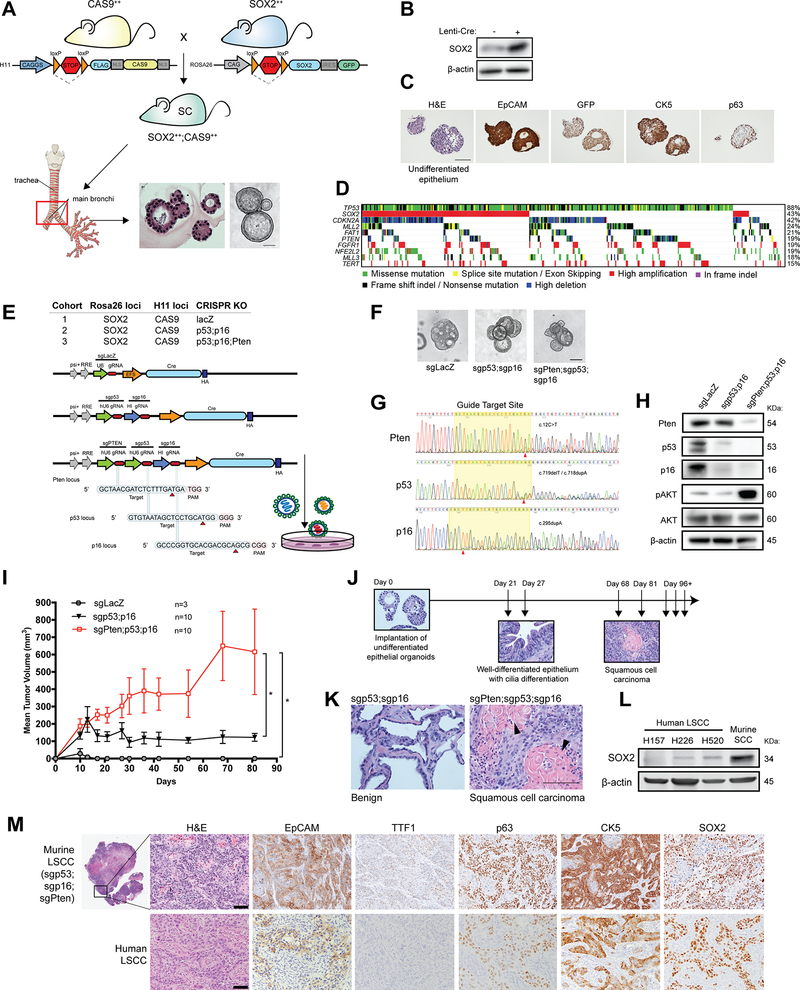
We used CRISPR genome editing to delete multiple tumor suppressors in lung organoids derived from Cre-dependent SOX2 knock-in mice. We investigated both the therapeutic efficacy and immunologic effects accompanying combination PD-1 blockade and WEE1 inhibition in both mouse models and LSCC patient-derived cell lines.
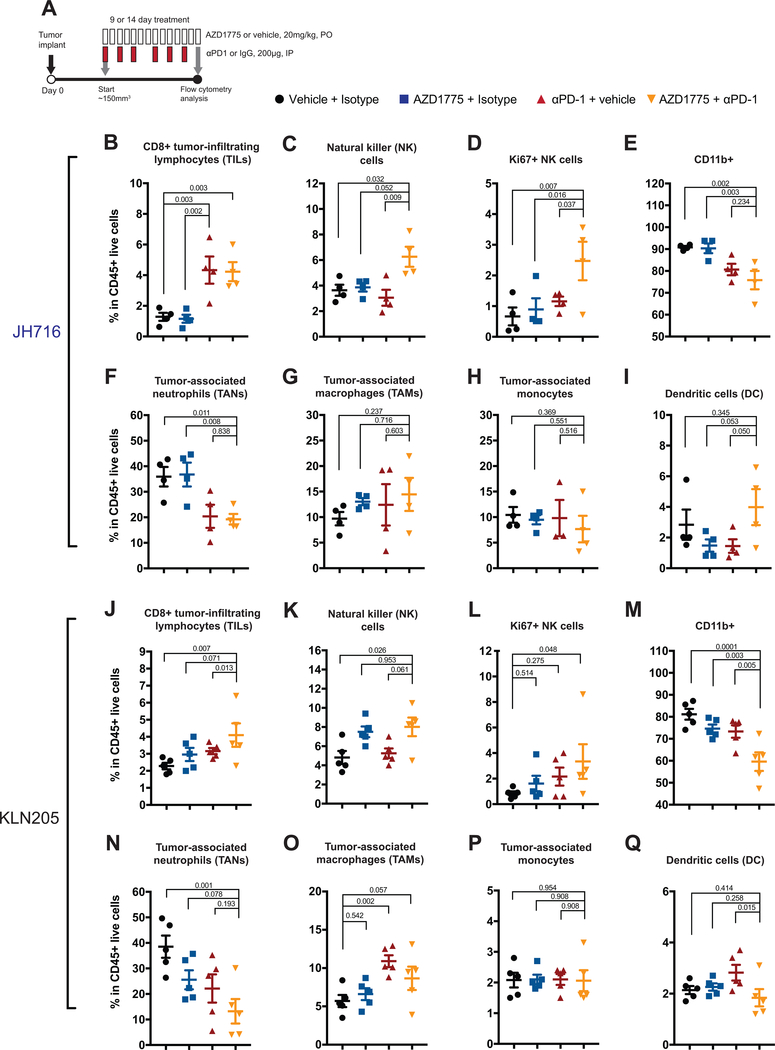
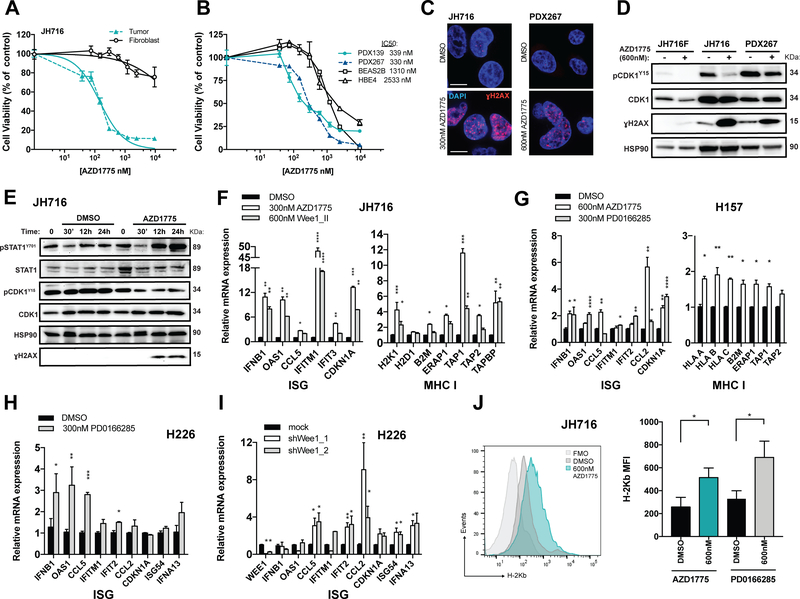
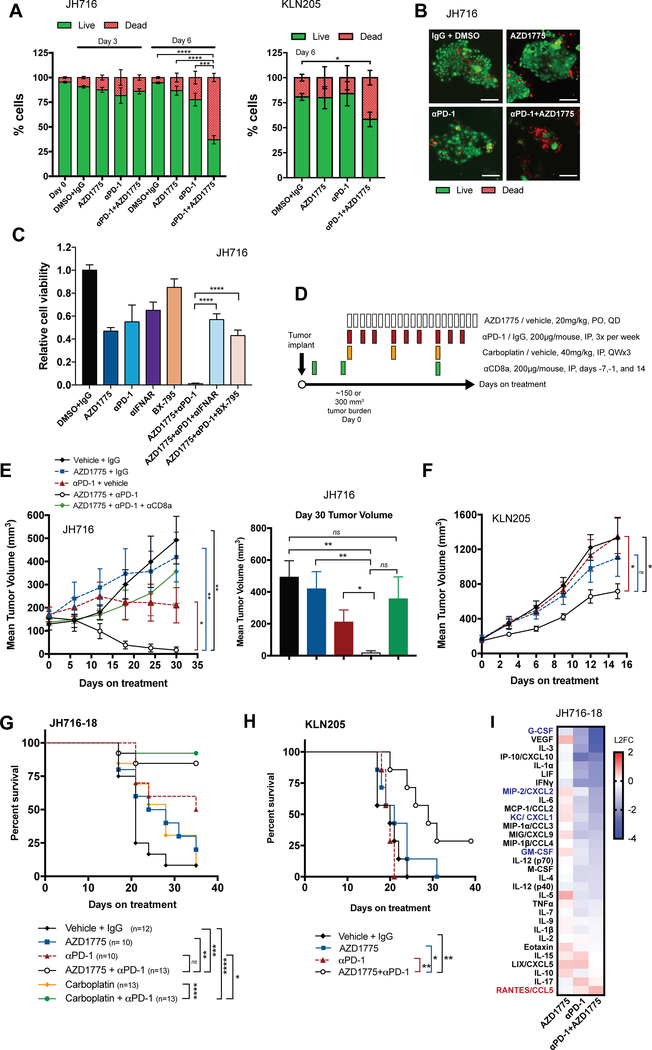
We show that multiplex gene editing of mouse lung organoids using the CRISPR-Cas9 system allows for efficient and rapid means to generate LSCCs that closely mimic the human disease at the genomic and phenotypic level. Using this genetically defined mouse model and three-dimensional tumoroid culture system, we show that WEE1 inhibition induces DNA damage that primes the endogenous type I IFN and antigen presentation system in primary LSCC tumor cells. These events promote cytotoxic T-cell-mediated clearance of tumor cells and reduce the accumulation of tumor-infiltrating neutrophils. Beneficial immunologic features of WEE1 inhibition are further enhanced by the addition of anti-PD-1 therapy.
We developed a mouse model system to investigate a novel combinatory approach that illuminates a clinical path hypothesis for combining ICB with DNA damage-inducing therapies in the treatment of LSCC.
肺鳞状细胞癌(LSCC)是一种致命疾病,只有一部分患者对免疫检查点阻断(ICB)治疗有反应。因此,迫切需要能够重现患者中复杂遗传特征的临床前小鼠模型。
我们使用 CRISPR 基因组编辑技术在依赖 Cre 的 SOX2 敲入小鼠衍生的肺类器官中删除多个肿瘤抑制基因。我们在小鼠模型和 LSCC 患者来源的细胞系中研究了 PD-1 阻断和 WEE1 抑制联合治疗的疗效和免疫效应。
我们表明,使用 CRISPR-Cas9 系统对小鼠肺类器官进行多重基因编辑可以有效地快速生成在基因组和表型水平上与人类疾病非常相似的 LSCC。使用这种遗传定义明确的小鼠模型和三维肿瘤球体培养系统,我们表明 WEE1 抑制诱导 DNA 损伤,激活内源性 I 型 IFN 和抗原呈递系统在原发性 LSCC 肿瘤细胞中。这些事件促进了细胞毒性 T 细胞介导的肿瘤细胞清除,并减少了肿瘤浸润中性粒细胞的积累。抗 PD-1 治疗的加入进一步增强了 WEE1 抑制的有益免疫特征。
我们开发了一种小鼠模型系统来研究一种新的联合方法,该方法阐明了在 LSCC 治疗中联合 ICB 与诱导 DNA 损伤治疗的临床路径假说。