Department of Genetics, Yale School of Medicine, New Haven, CT 06510, USA.
Division of Genetics and Genomics, Boston Children's Hospital, Boston, MA 02115, USA.
Sci Transl Med. 2020 Mar 25;12(536). doi: 10.1126/scitranslmed.aay0271.
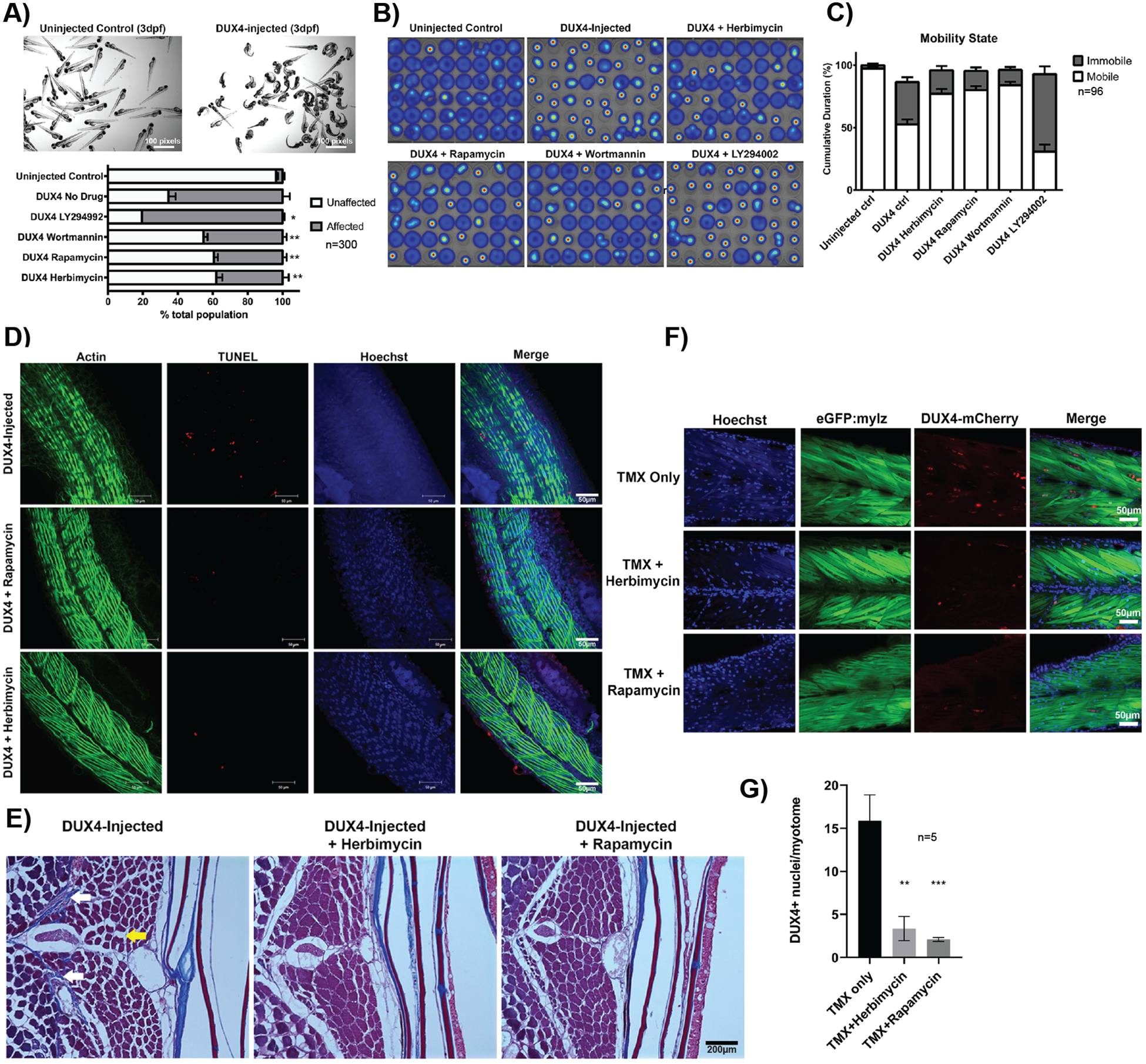
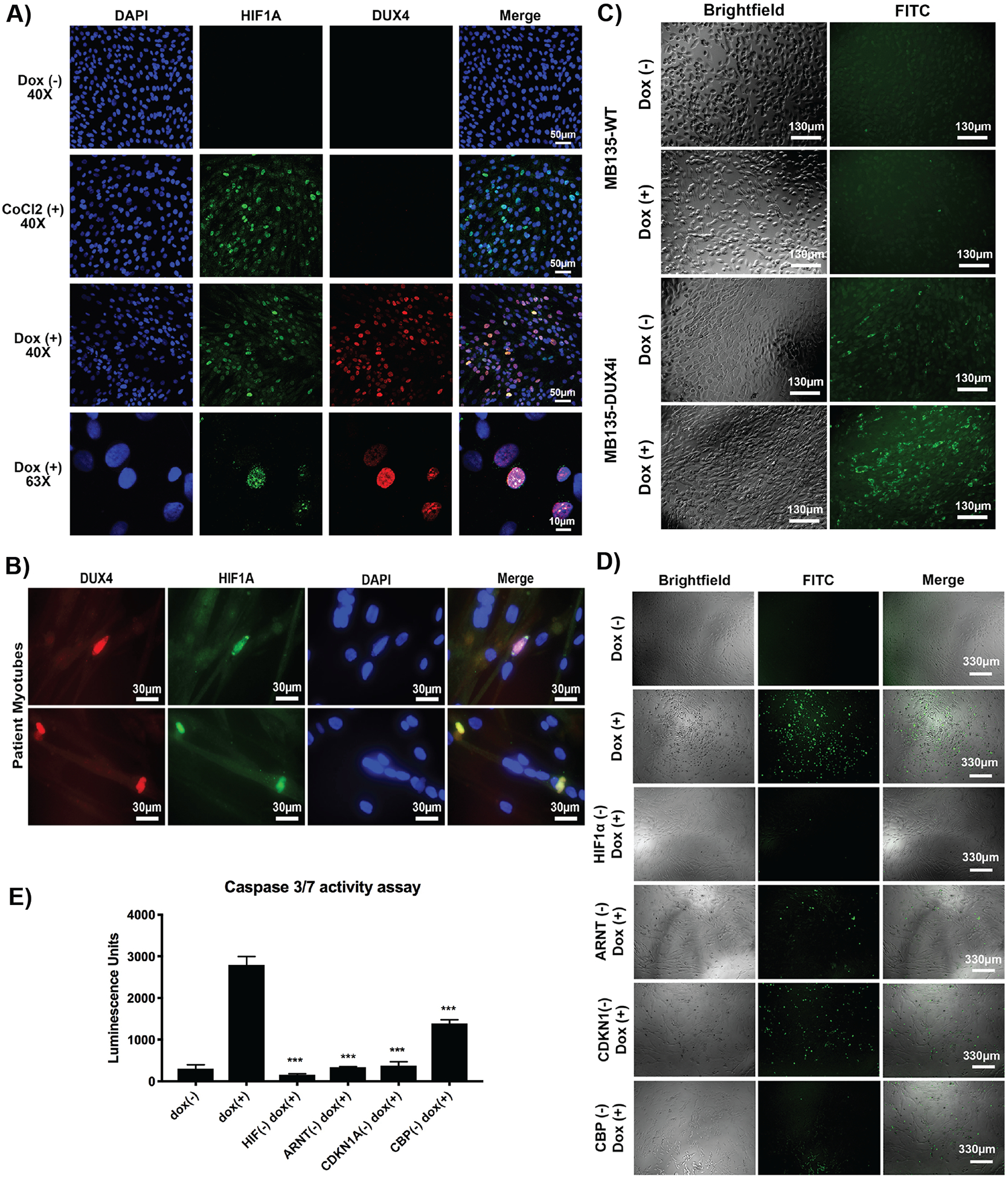
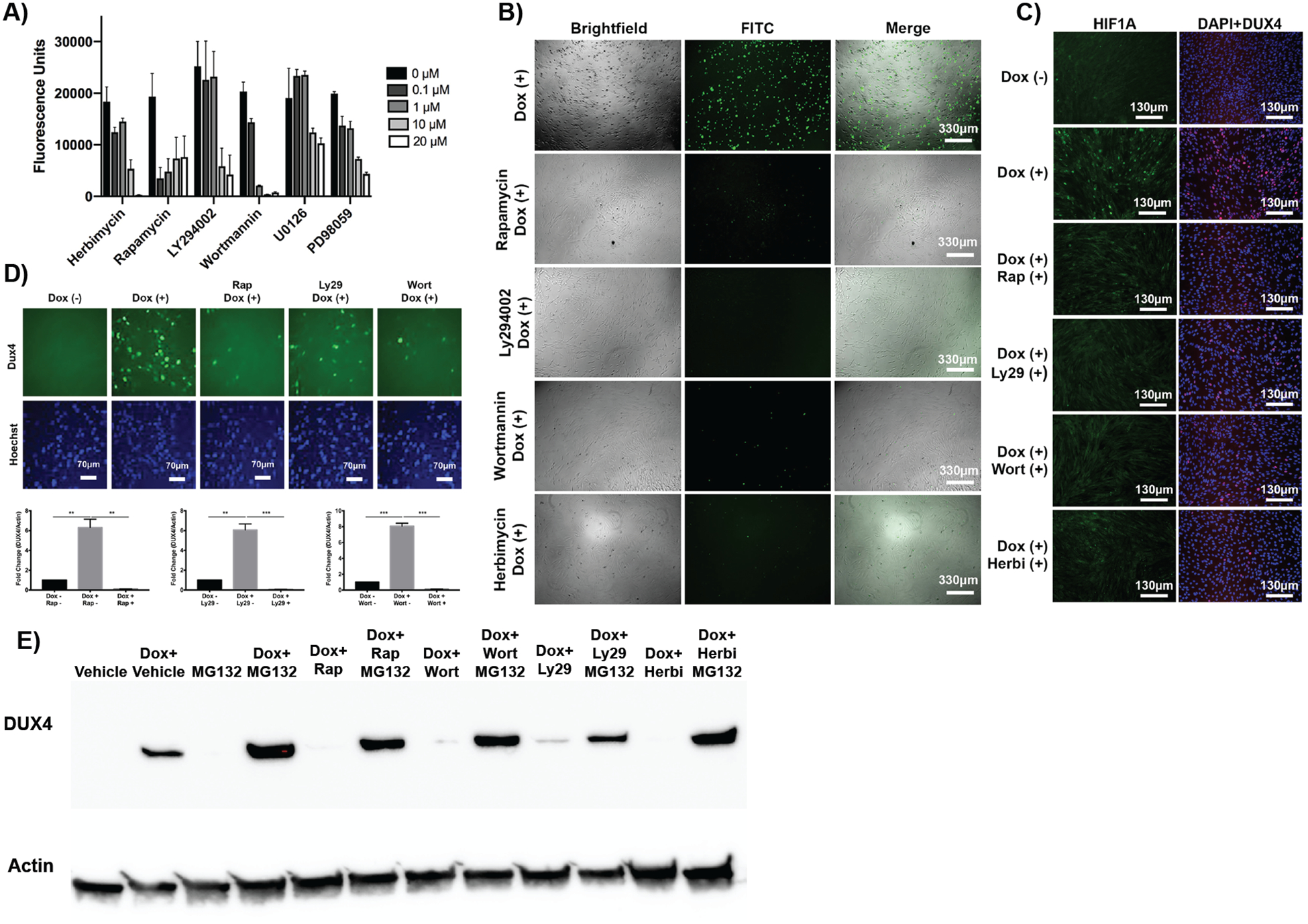
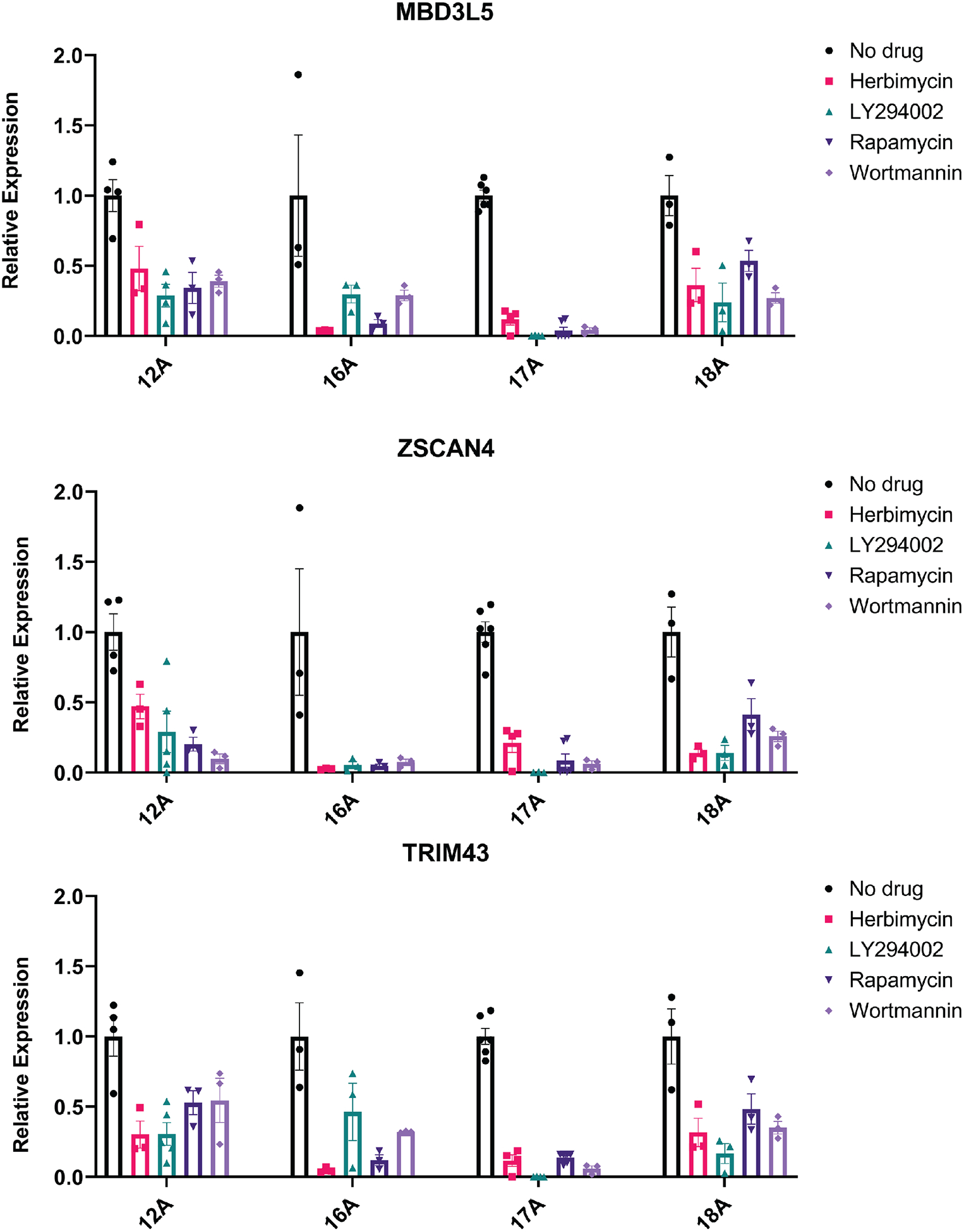
The emergence of CRISPR-Cas9 gene-editing technologies and genome-wide CRISPR-Cas9 libraries enables efficient unbiased genetic screening that can accelerate the process of therapeutic discovery for genetic disorders. Here, we demonstrate the utility of a genome-wide CRISPR-Cas9 loss-of-function library to identify therapeutic targets for facioscapulohumeral muscular dystrophy (FSHD), a genetically complex type of muscular dystrophy for which there is currently no treatment. In FSHD, both genetic and epigenetic changes lead to misexpression of , the FSHD causal gene that encodes the highly cytotoxic DUX4 protein. We performed a genome-wide CRISPR-Cas9 screen to identify genes whose loss-of-function conferred survival when DUX4 was expressed in muscle cells. Genes emerging from our screen illuminated a pathogenic link to the cellular hypoxia response, which was revealed to be the main driver of DUX4-induced cell death. Application of hypoxia signaling inhibitors resulted in increased DUX4 protein turnover and subsequent reduction of the cellular hypoxia response and cell death. In addition, these compounds proved successful in reducing FSHD disease biomarkers in patient myogenic lines, as well as improving structural and functional properties in two zebrafish models of FSHD. Our genome-wide perturbation of pathways affecting DUX4 expression has provided insight into key drivers of DUX4-induced pathogenesis and has identified existing compounds with potential therapeutic benefit for FSHD. Our experimental approach presents an accelerated paradigm toward mechanistic understanding and therapeutic discovery of a complex genetic disease, which may be translatable to other diseases with well-established phenotypic selection assays.
CRISPR-Cas9 基因编辑技术和全基因组 CRISPR-Cas9 文库的出现使高效、无偏的遗传筛选成为可能,从而加速了遗传疾病治疗方法的发现进程。在这里,我们展示了全基因组 CRISPR-Cas9 基因敲除文库在鉴定面肩肱型肌营养不良症(FSHD)治疗靶点方面的应用,FSHD 是一种遗传性复杂的肌肉疾病,目前尚无治疗方法。在 FSHD 中,遗传和表观遗传变化导致 FSHD 致病基因 异常表达,该基因编码高度细胞毒性的 DUX4 蛋白。我们进行了全基因组 CRISPR-Cas9 筛选,以鉴定在肌肉细胞中表达 DUX4 时丧失功能可赋予生存能力的基因。我们的筛选结果揭示了与细胞缺氧反应的致病联系,这是 DUX4 诱导细胞死亡的主要驱动因素。缺氧信号抑制剂的应用导致 DUX4 蛋白周转增加,随后降低细胞缺氧反应和细胞死亡。此外,这些化合物在减少 FSHD 患者肌源性细胞系中的疾病生物标志物以及改善两种 FSHD 斑马鱼模型的结构和功能特性方面取得了成功。我们对影响 DUX4 表达的通路进行全基因组扰动,深入了解了 DUX4 诱导发病机制的关键驱动因素,并确定了具有 FSHD 治疗潜力的现有化合物。我们的实验方法为复杂遗传疾病的机制理解和治疗方法的发现提供了加速范例,可能适用于其他具有成熟表型选择测定的疾病。