NICU, Fondazione IRCCS Ca' Granda Ospedale Maggiore Policlinico, Milan, Italy.
University of Milan, Department of Clinical Sciences and Community Health, Milan, Italy.
Pediatr Res. 2020 Mar;87(Suppl 1):25-36. doi: 10.1038/s41390-020-0778-9.
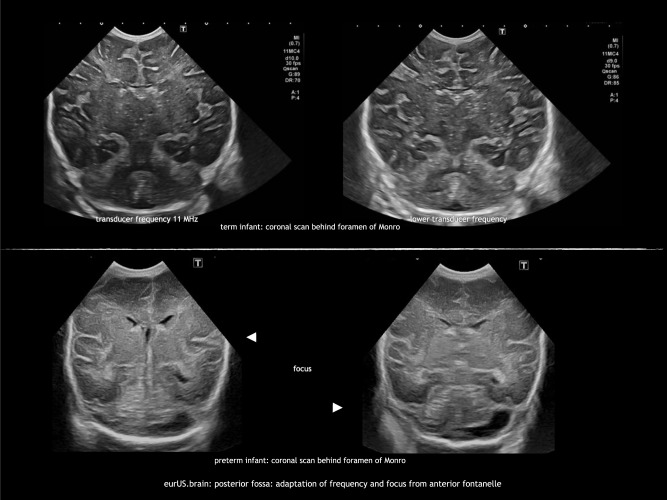
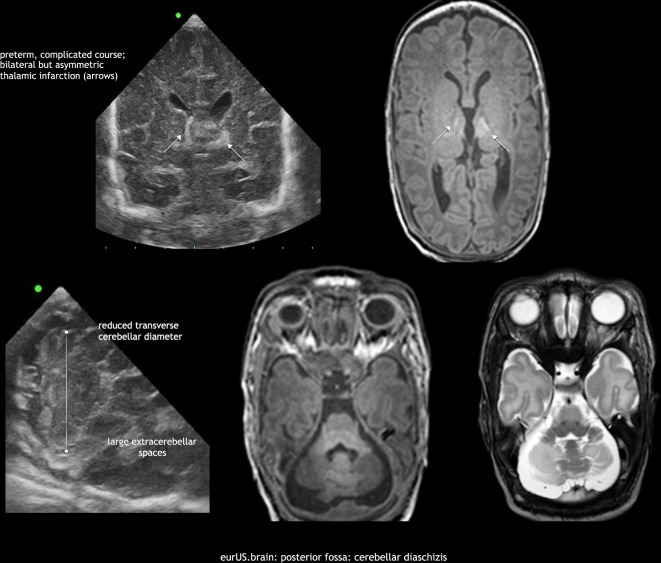
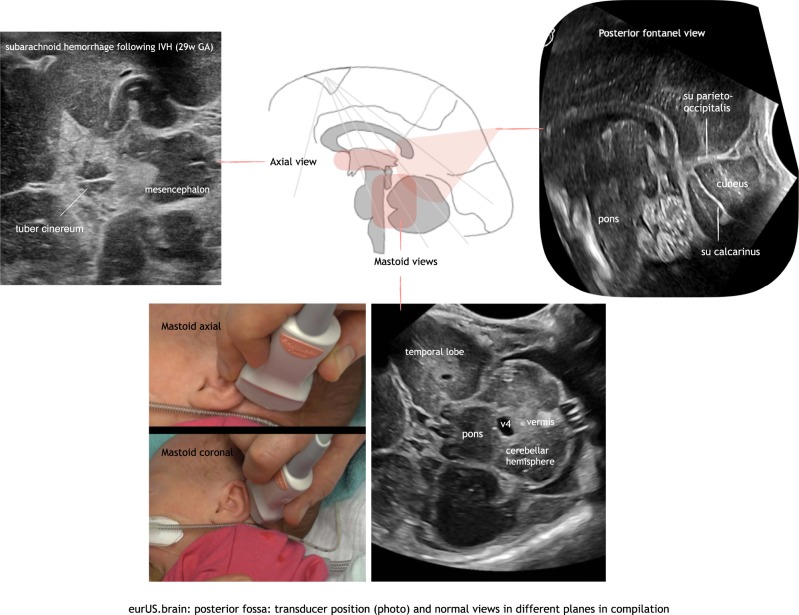
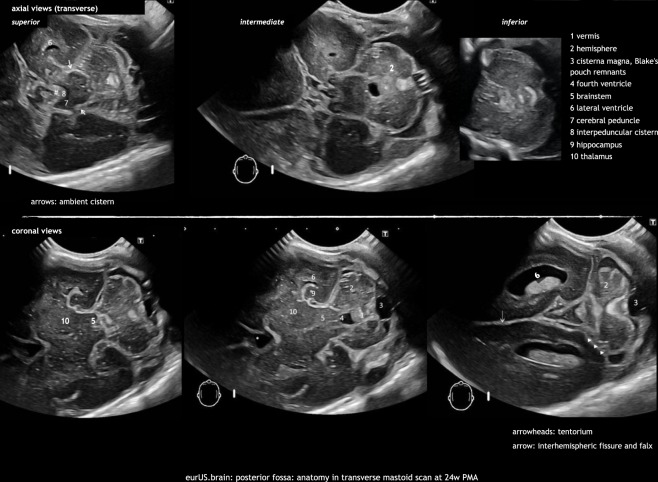
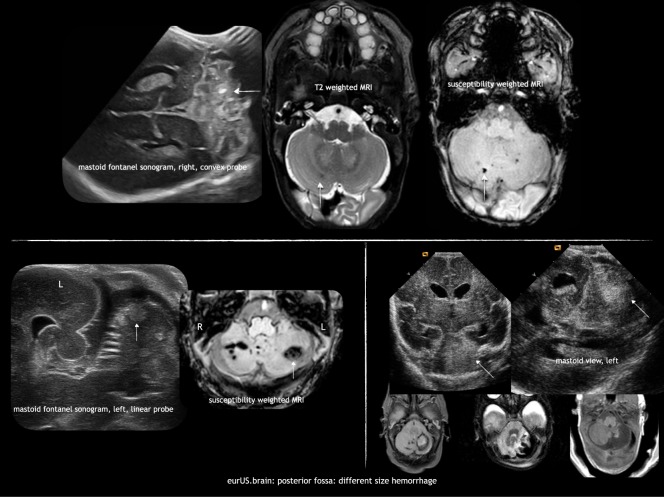
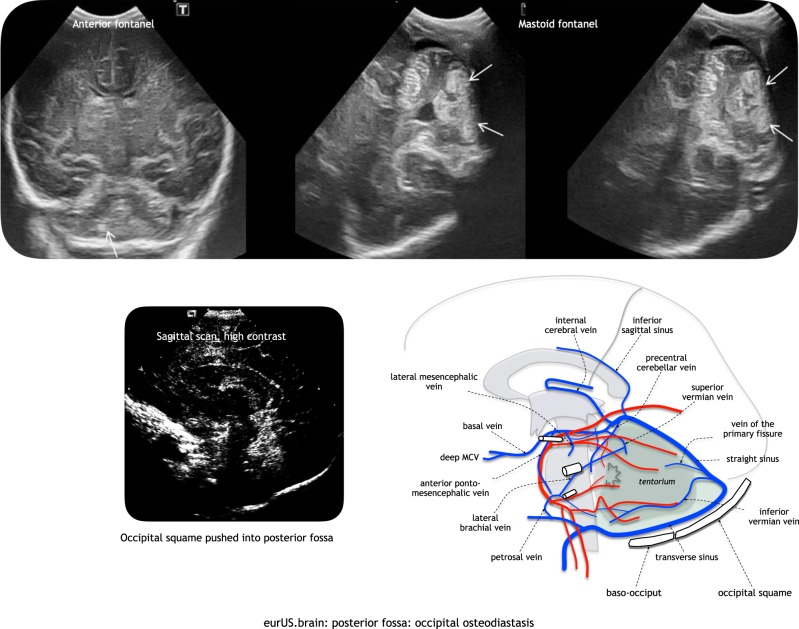
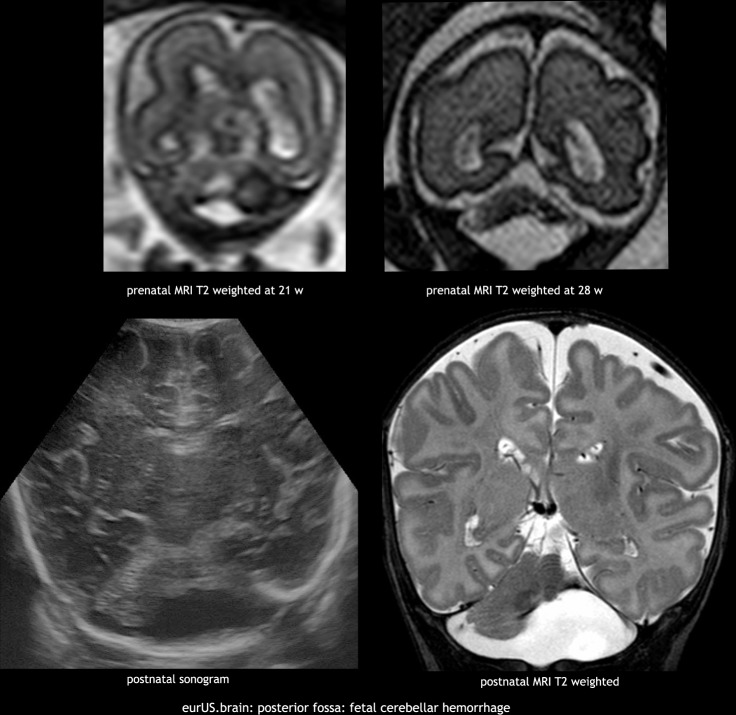
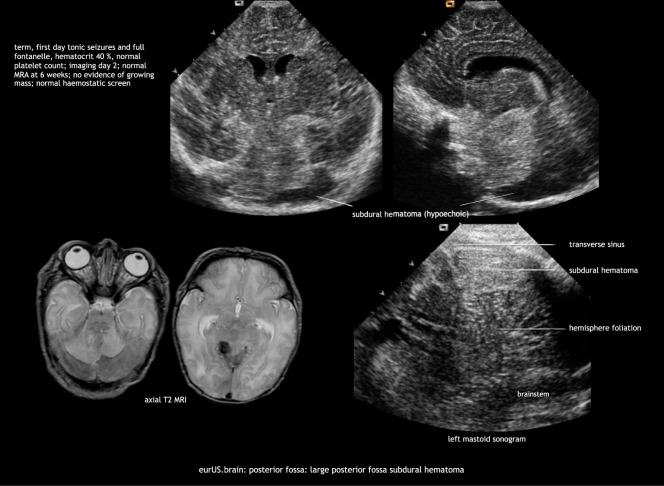
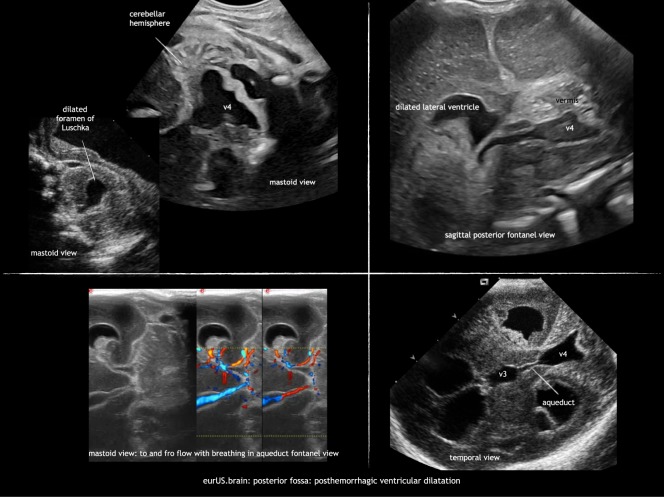
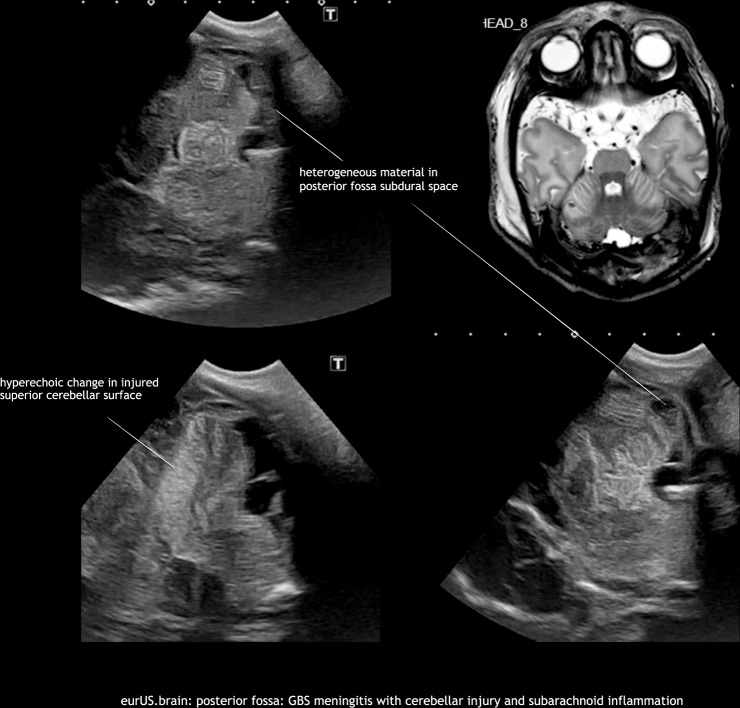
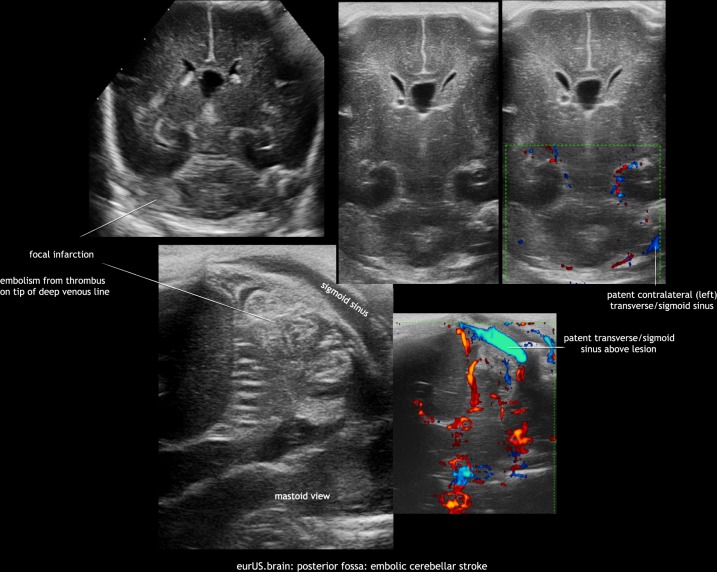
Neonatal brain sonography is part of routine clinical practice in neonatal intensive care units, but ultrasound imaging of the posterior fossa has gained increasing attention since the burden of perinatal acquired posterior fossa abnormalities and their impact on motor and cognitive neurodevelopmental outcome have been recognized. Although magnetic resonance imaging (MRI) is often superior, posterior fossa abnormalities can be suspected or detected by optimized cranial ultrasound (CUS) scans, which allow an early and bed-side diagnosis and monitoring through sequential scans over a long period of time. Different ultrasound appearances and injury patterns of posterior fossa abnormalities are described according to gestational age at birth and characteristics of the pathogenetic insult. The aim of this review article is to describe options to improve posterior fossa sequential CUS image quality, including the use of supplemental acoustic windows, to show standard views and normal ultrasound anatomy of the posterior fossa, and to describe the ultrasound characteristics of acquired posterior fossa lesions in preterm and term infants with effect on long-term outcome. The limitations and pitfalls of CUS and the role of MRI are discussed.
新生儿颅脑超声是新生儿重症监护病房常规临床实践的一部分,但由于认识到围产期获得性后颅窝异常及其对运动和认知神经发育结局的影响,后颅窝的超声成像越来越受到关注。虽然磁共振成像(MRI)通常更优越,但通过优化的头颅超声(CUS)扫描可以怀疑或检测到后颅窝异常,这允许通过在很长一段时间内进行连续扫描进行早期和床边诊断和监测。根据出生时的胎龄和致病因素的特点,描述了后颅窝异常的不同超声表现和损伤模式。本文的目的是描述改善后颅窝连续 CUS 图像质量的选择,包括使用补充的声学窗口,以显示后颅窝的标准视图和正常超声解剖结构,并描述早产儿和足月儿获得性后颅窝病变的超声特征及其对长期结局的影响。讨论了 CUS 的局限性和陷阱以及 MRI 的作用。