Heindl L M, Weil T S, Perry M
Department of Biochemistry and Molecular Biology, University of Texas, M. D. Anderson Hospital and Tumor Institute, Houston 77030.
Mol Cell Biol. 1988 Sep;8(9):3676-82. doi: 10.1128/mcb.8.9.3676-3682.1988.
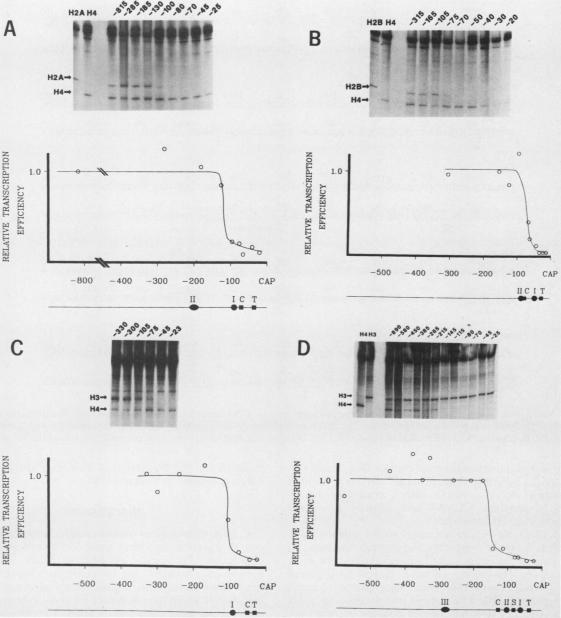
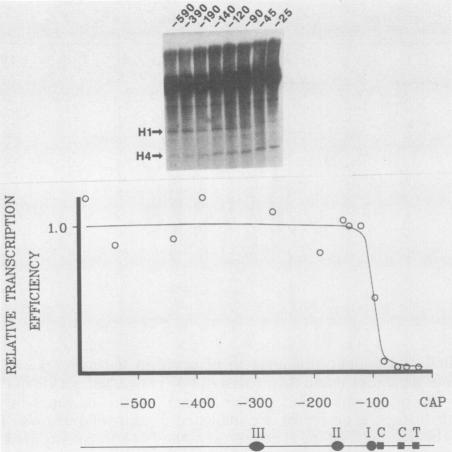
Amphibian oogenesis is accompanied by the accumulation of histone mRNA and proteins in the absence of ongoing DNA replication. To begin an analysis of the mechanisms by which histone gene expression is regulated during frog oogenesis and embryogenesis, we used oocyte injection to examine the upstream sequences required for transcription of genes encoding each of the five histone classes. We found that sequences necessary for maximal levels of transcription are located 100 to 200 base pairs upstream of the corresponding start sites. In this region, each promoter examined contains conserved sequence elements, several of which seem to be histone gene class specific, in addition to other, more common sequence elements believed to be used by general transcription factors.
两栖动物卵子发生过程中,在没有进行性DNA复制的情况下伴随着组蛋白mRNA和蛋白质的积累。为了开始分析在青蛙卵子发生和胚胎发生过程中组蛋白基因表达调控的机制,我们使用卵母细胞注射来检测编码五种组蛋白类别的每个基因转录所需的上游序列。我们发现,最大转录水平所需的序列位于相应起始位点上游100至200个碱基对处。在该区域,每个检测的启动子都包含保守序列元件,除了其他被认为是一般转录因子使用的更常见序列元件外,其中几个似乎是组蛋白基因类别特异性的。