Department of Internal Medicine 5, Hematology/Oncology, Friedrich Alexander University Erlangen-Nuremberg, Erlangen, Germany.
Department of Hematology, Leiden University Medical Center, Leiden, Netherlands.
Front Immunol. 2020 Mar 11;11:381. doi: 10.3389/fimmu.2020.00381. eCollection 2020.
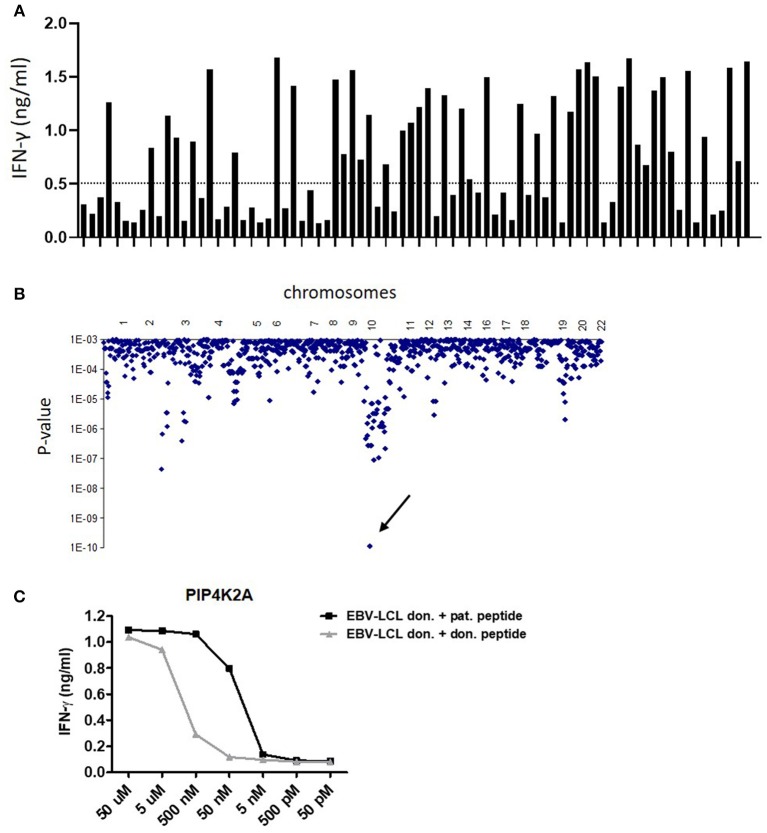
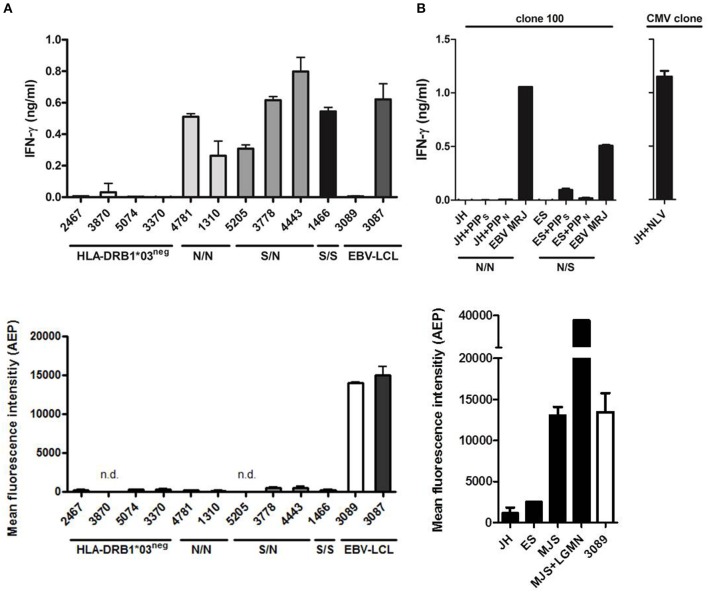
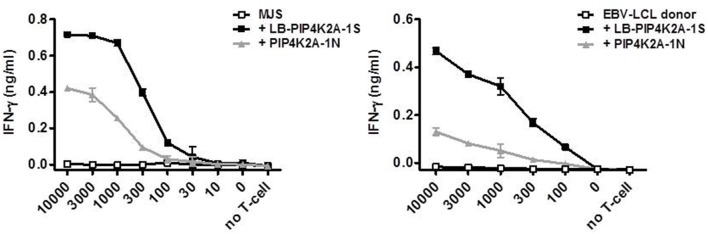
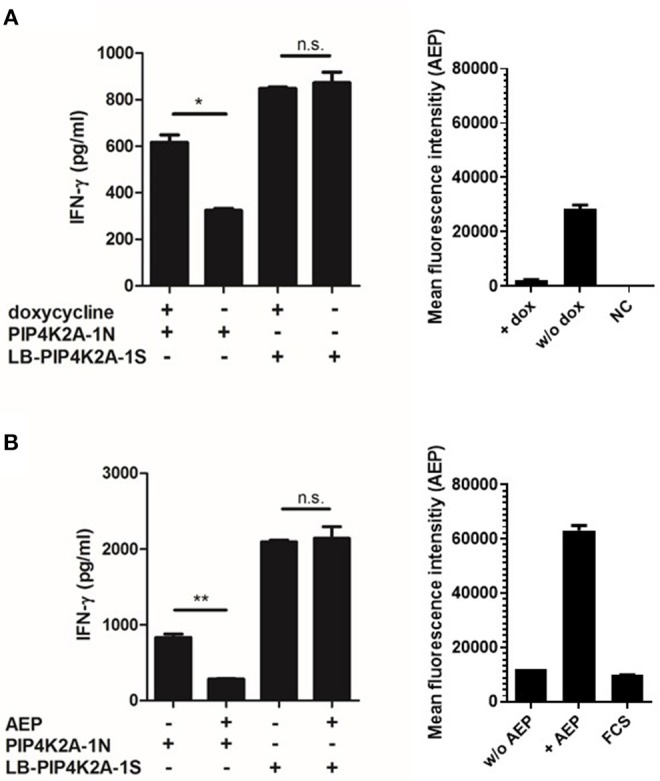
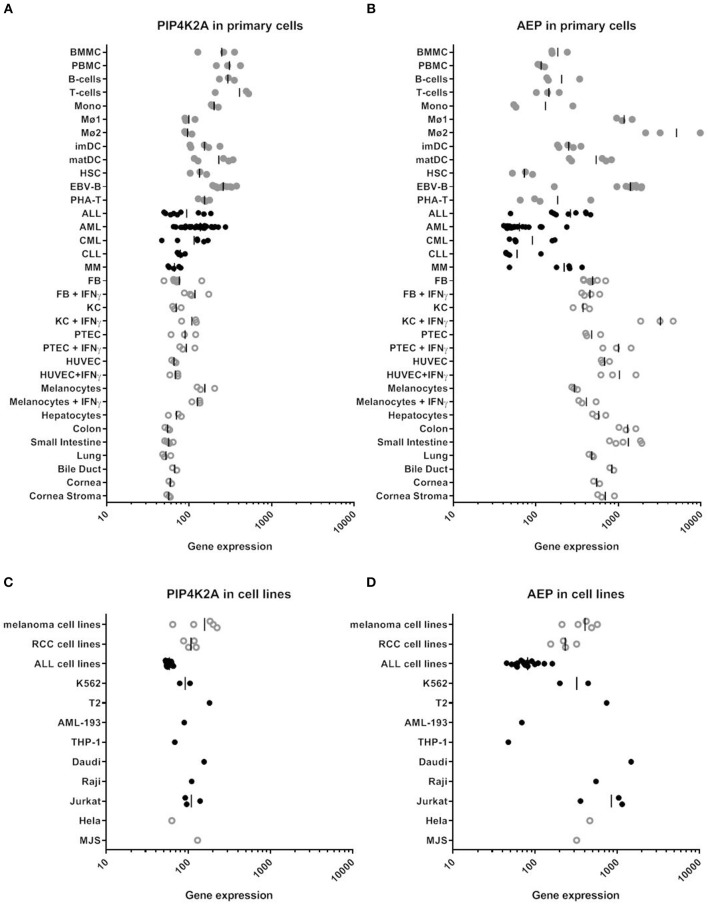
Minor histocompatibility antigens are the main targets of donor-derived T-cells after allogeneic stem cell transplantation. Identification of these antigens and understanding their biology are a key requisite for more insight into how graft vs. leukemia effect and graft vs. host disease could be separated. We here identified four new HLA class II-restricted minor histocompatibility antigens using whole genome association scanning. For one of the new antigens, i.e., LB-PIP4K2A-1S, we measured strong T-cell recognition of the donor variant PIP4K2A-1N when pulsed as exogenous peptide, while the endogenously expressed variant in donor EBV-B cells was not recognized. We showed that lack of T-cell recognition was caused by intracellular cleavage by a protease named asparagine endopeptidase (AEP). Furthermore, microarray gene expression analysis showed that PIP4K2A and AEP are both ubiquitously expressed in a wide variety of healthy tissues, but that expression levels of AEP were lower in primary acute myeloid leukemia (AML). In line with that, we confirmed low activity of AEP in AML cells and demonstrated that HLA-DRB103:01 positive primary AML expressing LB-PIP4K2A-1S or its donor variant PIP4K2A-1N were both recognized by specific T-cells. In conclusion, LB-PIP4K2A-1S not only represents a novel minor histocompatibility antigen but also provides evidence that donor T-cells after allogeneic stem cell transplantation can target the autologous allelic variant as leukemia-associated antigen. Furthermore, it demonstrates that endopeptidases can play a role in cell type-specific intracellular processing and presentation of HLA class II-restricted antigens, which may be explored in future immunotherapy of AML.
次要组织相容性抗原是同种异体干细胞移植后供体源性 T 细胞的主要靶标。鉴定这些抗原并了解其生物学特性是深入了解移植物抗白血病效应和移植物抗宿主病如何分离的关键要求。我们使用全基因组关联扫描鉴定了四个新的 HLA Ⅱ类限制的次要组织相容性抗原。对于新抗原之一,即 LB-PIP4K2A-1S,我们测量了当作为外源性肽脉冲时供体变体 PIP4K2A-1N 的强烈 T 细胞识别,而供体 EBV-B 细胞中内源性表达的变体则未被识别。我们表明,缺乏 T 细胞识别是由一种名为天冬酰胺内肽酶 (AEP) 的蛋白酶的细胞内切割引起的。此外,微阵列基因表达分析表明,PIP4K2A 和 AEP 在广泛的健康组织中均广泛表达,但 AEP 的表达水平在原发性急性髓系白血病 (AML) 中较低。与此一致,我们证实 AML 细胞中 AEP 活性较低,并证明表达 LB-PIP4K2A-1S 或其供体变体 PIP4K2A-1N 的 HLA-DRB103:01 阳性原发性 AML 均被特异性 T 细胞识别。总之,LB-PIP4K2A-1S 不仅代表一种新的次要组织相容性抗原,还提供了证据表明同种异体干细胞移植后的供体 T 细胞可以将自体等位基因变体作为白血病相关抗原靶向。此外,它表明内肽酶可以在 HLA Ⅱ类限制的抗原的细胞类型特异性细胞内加工和呈递中发挥作用,这可能在未来的 AML 免疫治疗中得到探索。