Chair of Medical Biotechnology, Poznan University of Medical Sciences, 61-688, Poznan, Poland.
Department of Diagnostics and Cancer Immunology, Greater Poland Cancer Centre, 15 Garbary St, 61-688, Poznan, Poland.
J Nanobiotechnology. 2020 Mar 30;18(1):56. doi: 10.1186/s12951-020-00609-2.
The optimal drug delivery system should be biocompatible, biodegradable, and allow the sustained release of the drug only after it reaches the target cells. Silk, as a natural polymer, is a great candidate for building drug carriers. Genetically engineered silks offer the possibility of functionalization. Previously, we characterized bioengineered silk spheres that were functionalized with H2.1 peptide that selectively delivered a drug to Her2-positive cancer cells. However, drug leakage from the silk spheres showed the need for improved control.
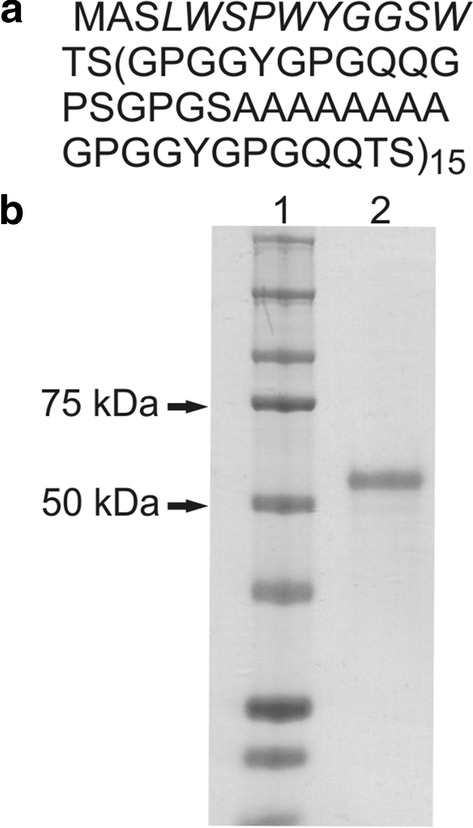
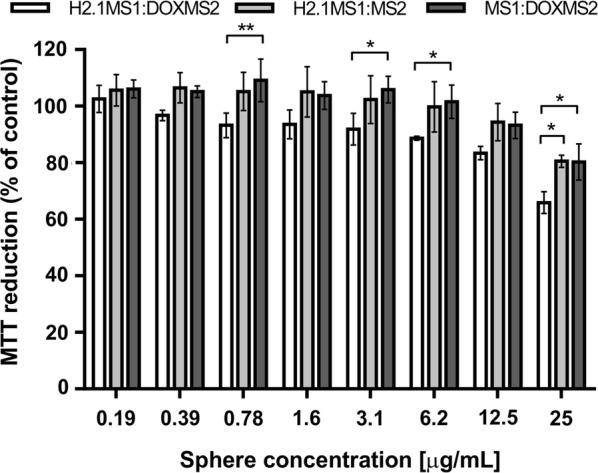
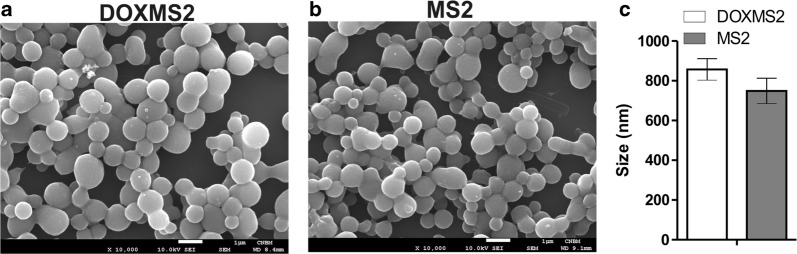
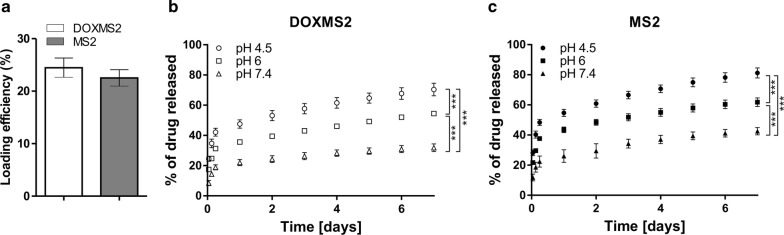
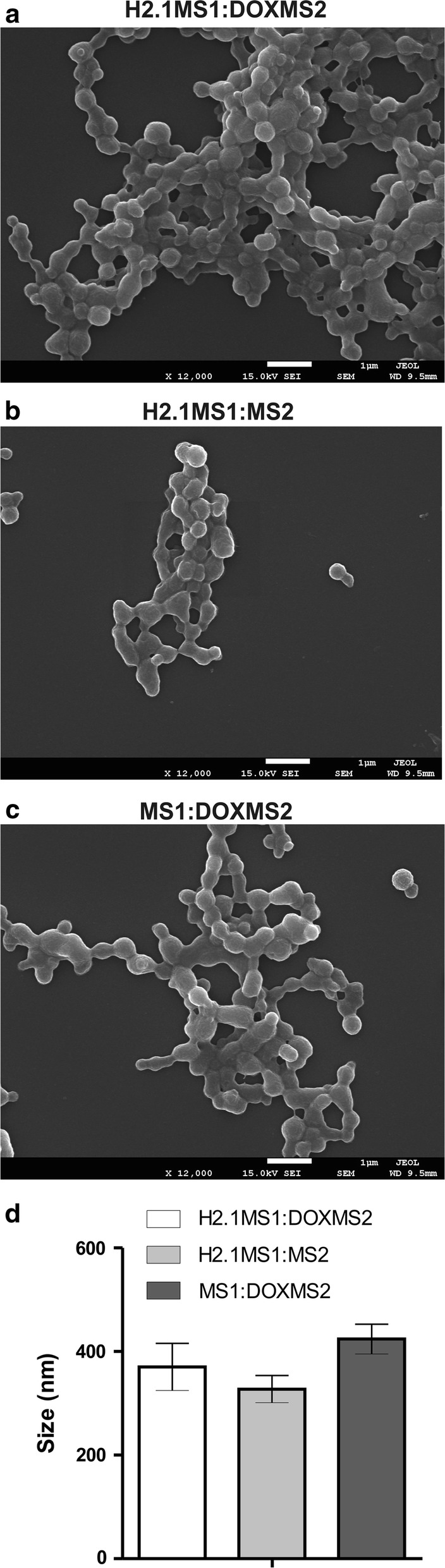
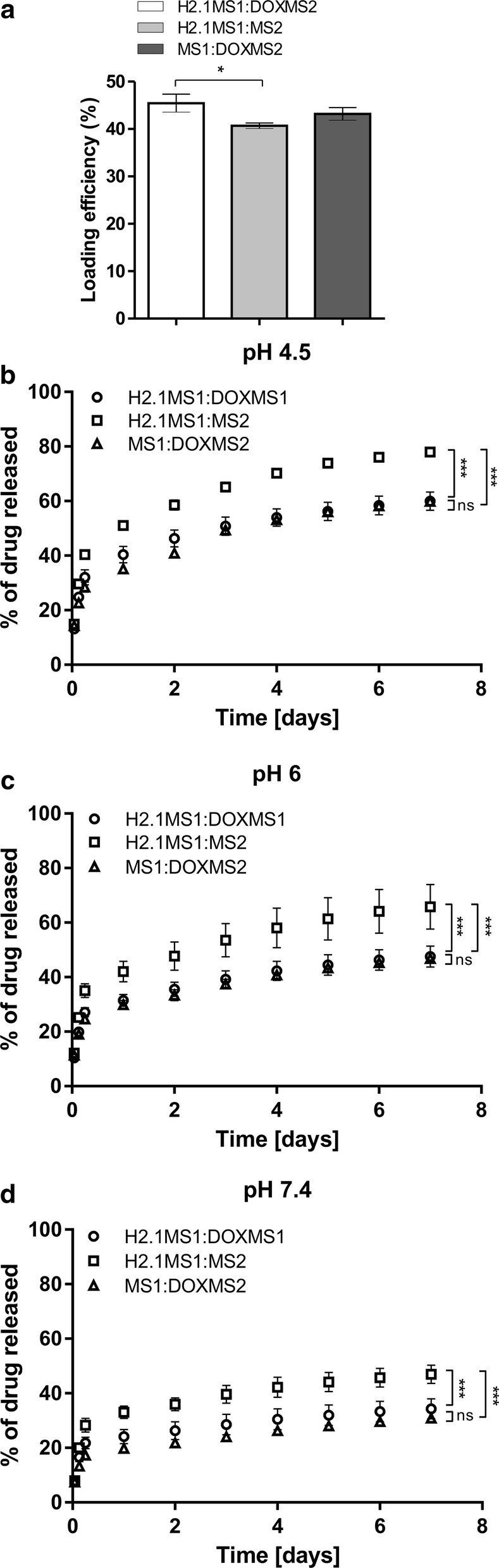
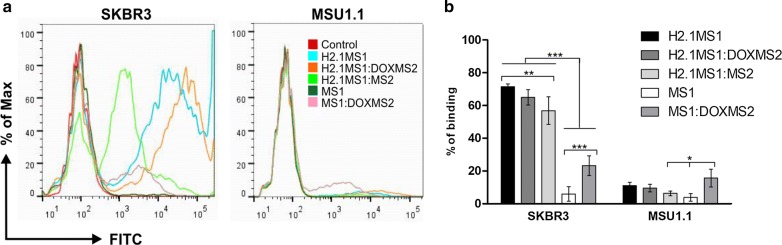
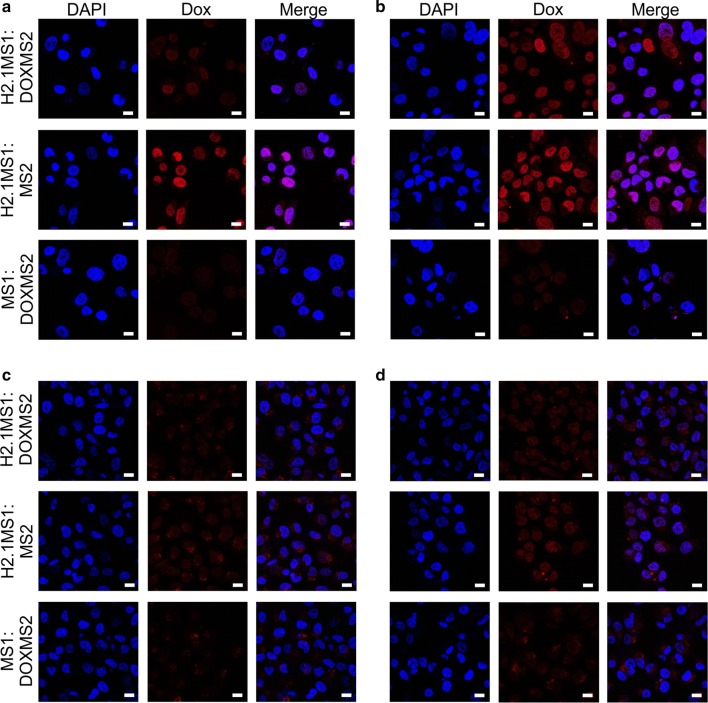
To control the drug loading and release, we designed and produced functional silk (DOXMS2) that contains a DOX peptide with an affinity for doxorubicin. The DOXMS2 spheres showed the decreased release of doxorubicin compared with MS2 particles. Next, the DOXMS2 silk was blended with the H2.1MS1 polymer to improve the control of doxorubicin binding and release into Her2-positive cancer cells. The H2.1MS1:DOXMS2 particles showed the highest doxorubicin-loading capacity and binding per cell, which resulted in the highest cytotoxic effect compared with that of other sphere variants. Since drug release at a pH of 7.4 from the blended H2.1MS1:DOXMS2 particles was significantly lower than from blended spheres without DOXMS2 silk, this indicated that such particles could control the release of the drug into the circulatory system before the carrier reached the tumor site.
This strategy, which is based on the blending of silks, allows for the generation of particles that deliver drugs in a controlled manner.
理想的药物输送系统应该具有生物相容性、可生物降解性,并且只有到达靶细胞后才允许药物持续释放。丝作为一种天然聚合物,是构建药物载体的理想候选材料。基因工程丝提供了功能化的可能性。以前,我们对经过 H2.1 肽功能化的生物工程丝球进行了特征描述,该肽可选择性地将药物递送至 Her2 阳性癌细胞。然而,丝球中的药物泄漏表明需要改进控制。
为了控制药物的负载和释放,我们设计并生产了含有对阿霉素具有亲和力的 DOX 肽的功能化丝(DOXMS2)。与 MS2 颗粒相比,DOXMS2 球显示出阿霉素释放减少。接下来,将 DOXMS2 丝与 H2.1MS1 聚合物混合,以改善对 Her2 阳性癌细胞中阿霉素结合和释放的控制。与其他球变体相比,H2.1MS1:DOXMS2 颗粒显示出最高的阿霉素负载能力和每个细胞的结合量,从而导致最高的细胞毒性作用。由于在 pH 值为 7.4 时,混合有 H2.1MS1:DOXMS2 丝的粒子中的药物释放明显低于没有 DOXMS2 丝的混合粒子,这表明这些粒子可以在载体到达肿瘤部位之前控制药物在循环系统中的释放。
这种基于丝混合的策略可以生成以受控方式输送药物的粒子。