Division of Cellular Signaling, Institute for Advanced Medical Research, Keio University School of Medicine, Tokyo, Japan.
Laboratory of Veterinary Surgery, Graduate school of agricultural and life sciences, The University of Tokyo, Tokyo, Japan.
Elife. 2020 Mar 31;9:e49392. doi: 10.7554/eLife.49392.
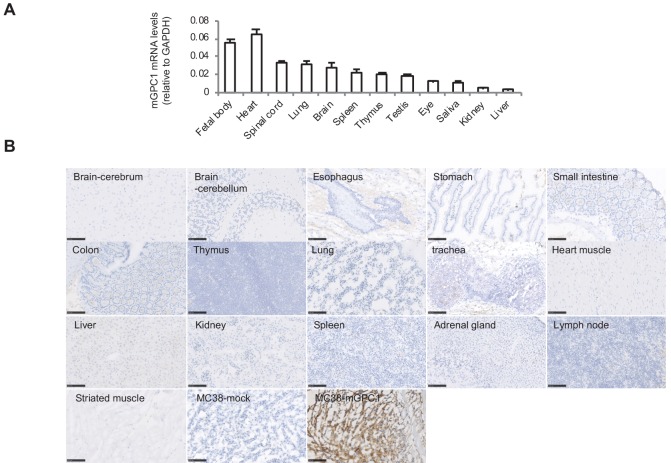
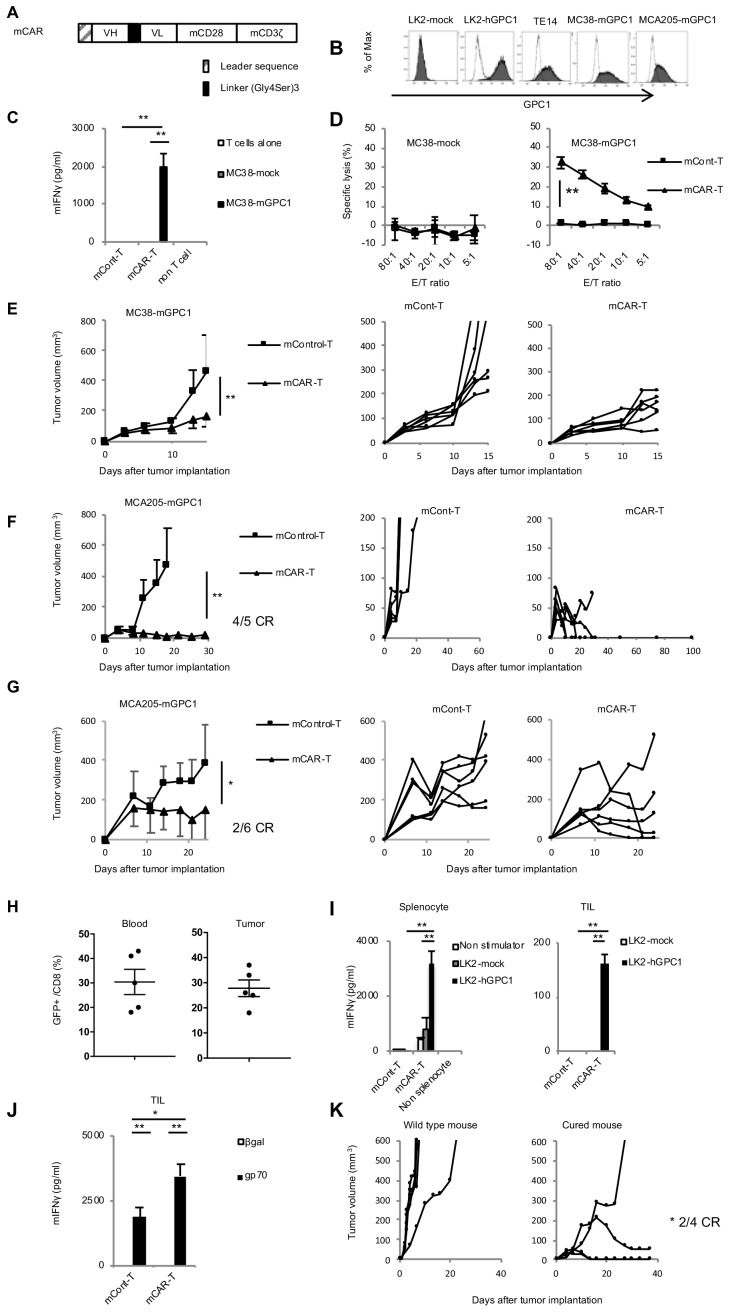
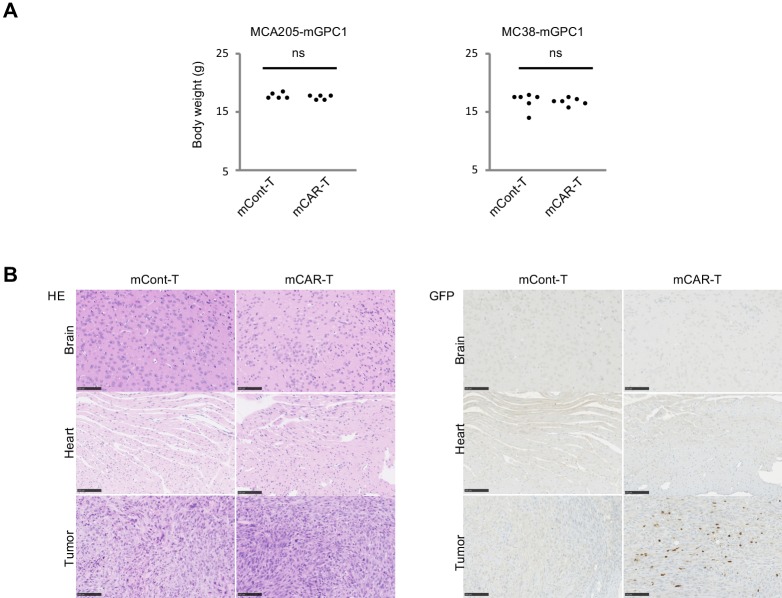
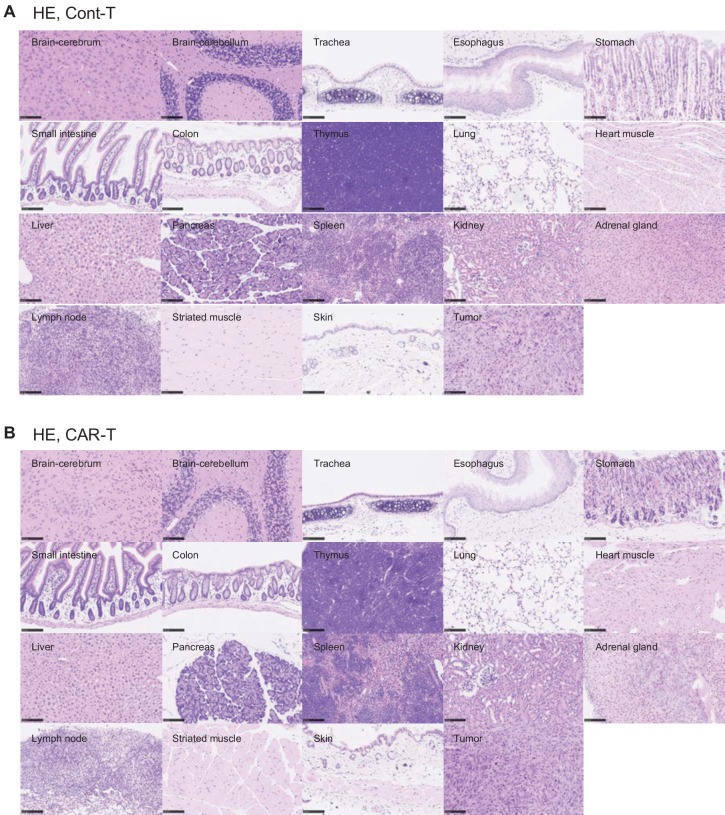
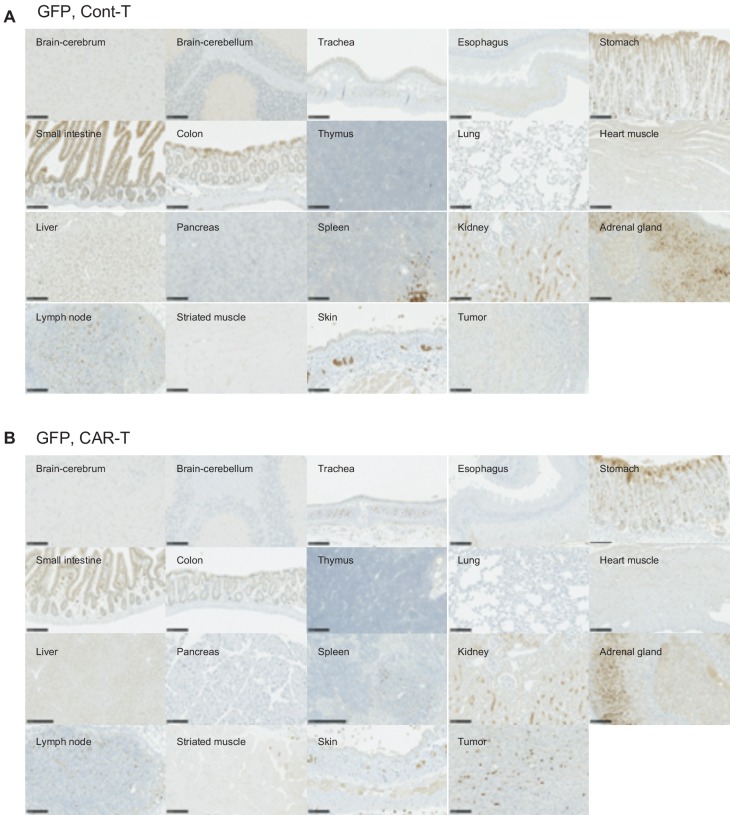
Current xenogeneic mouse models cannot evaluate on-target off-tumor adverse effect, hindering the development of chimeric antigen receptor (CAR) T cell therapies for solid tumors, due to limited human/mouse cross-reactivity of antibodies used in CAR and sever graft-versus-host disease induced by administered human T cells. We have evaluated safety and antitumor efficacy of CAR-T cells targeting glypican-1 (GPC1) overexpressed in various solid tumors. GPC1-specific human and murine CAR-T cells generated from our original anti-human/mouse GPC1 antibody showed strong antitumor effects in xenogeneic and syngeneic mouse models, respectively. Importantly, the murine CAR-T cells enhanced endogenous T cell responses against a non-GPC1 tumor antigen through the mechanism of antigen-spreading and showed synergistic antitumor effects with anti-PD-1 antibody without any adverse effects in syngeneic models. Our study shows the potential of GPC1 as a CAR-T cell target for solid tumors and the importance of syngeneic and xenogeneic models for evaluating their safety and efficacy.
目前的异种小鼠模型无法评估针对目标的肿瘤外不良效应,阻碍了嵌合抗原受体 (CAR) T 细胞疗法在实体瘤中的发展,这是由于 CAR 中使用的抗体与人类/小鼠的交叉反应有限,以及给予的人类 T 细胞引起的严重移植物抗宿主病。我们已经评估了针对在各种实体瘤中过表达的聚糖蛋白 1 (GPC1) 的 CAR-T 细胞的安全性和抗肿瘤疗效。我们从原始抗人/鼠 GPC1 抗体中生成的 GPC1 特异性人源和鼠源 CAR-T 细胞分别在异种和同基因小鼠模型中显示出强烈的抗肿瘤作用。重要的是,鼠源 CAR-T 细胞通过抗原扩展机制增强了针对非 GPC1 肿瘤抗原的内源性 T 细胞反应,并与抗 PD-1 抗体表现出协同抗肿瘤作用,而在同基因模型中没有任何不良反应。我们的研究表明 GPC1 作为 CAR-T 细胞治疗实体瘤的靶标具有潜力,并且同基因和异种模型对于评估其安全性和疗效非常重要。