Department of Molecular Biotechnology and Genetics, University of Lodz, Banacha 12/16, 90-237 Lodz, Poland.
Department of Biology and Pharmaceutical Botany, Medical University of Lodz, Muszynskiego 1, 90-151 Lodz, Poland.
Biomolecules. 2020 Mar 27;10(4):510. doi: 10.3390/biom10040510.
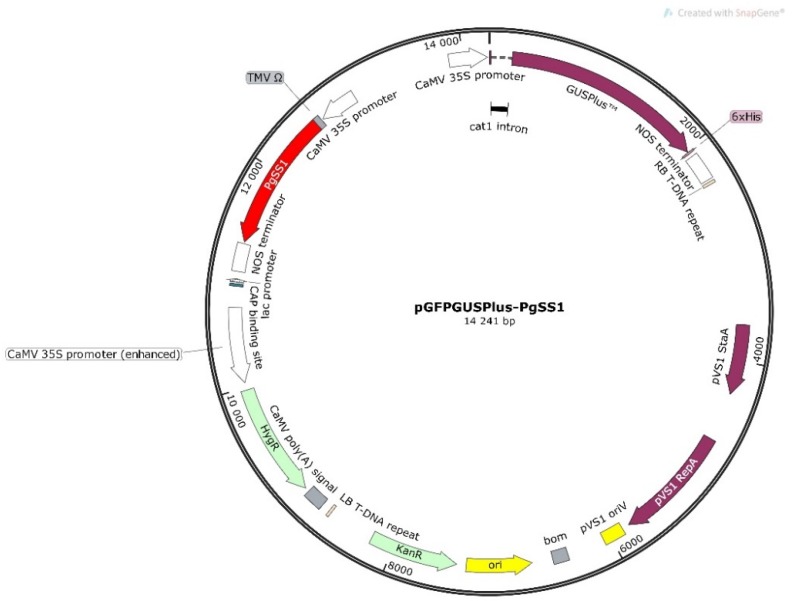
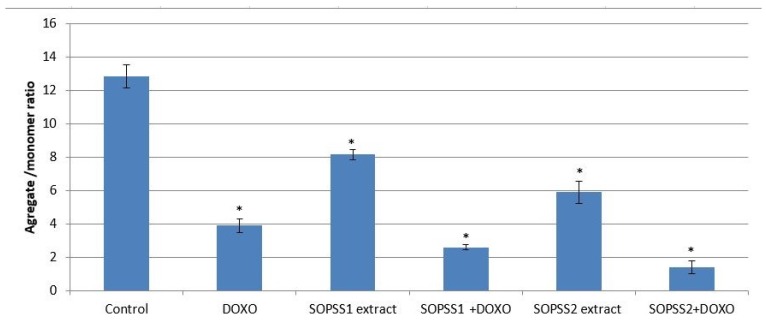
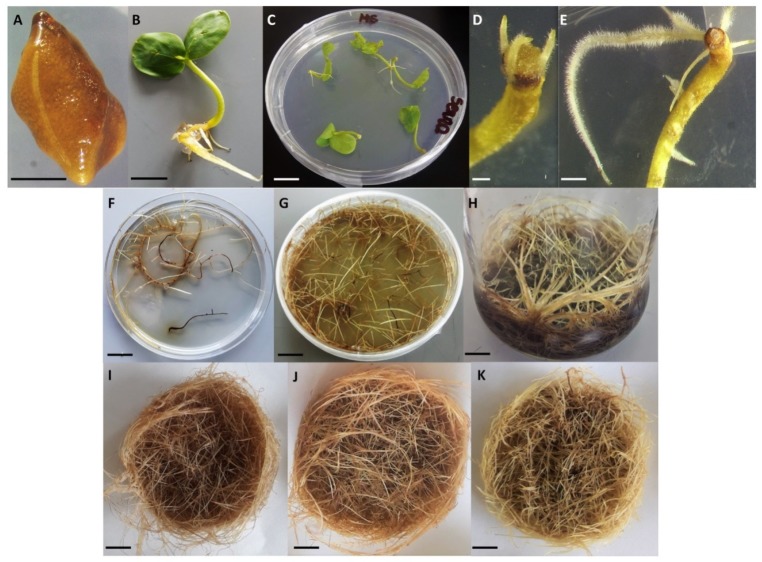
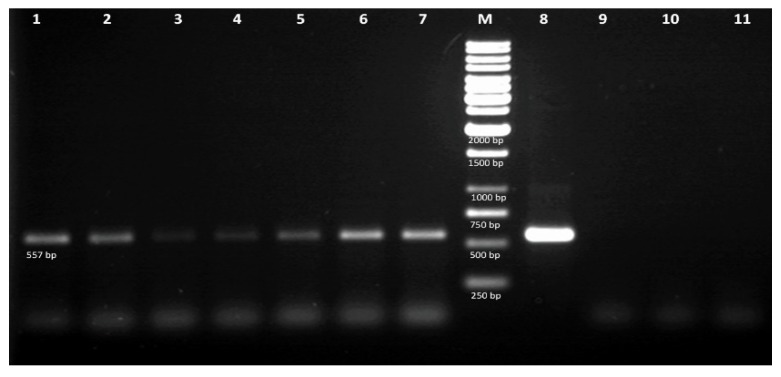
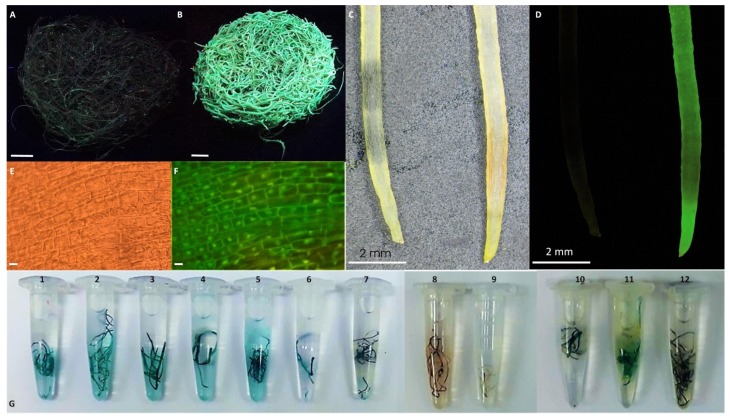
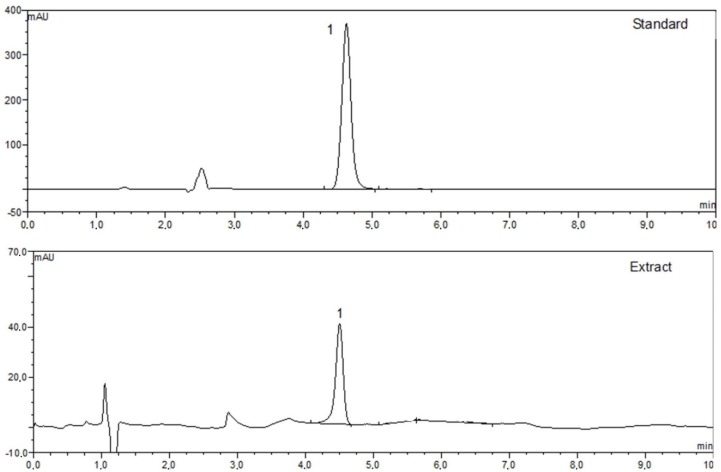
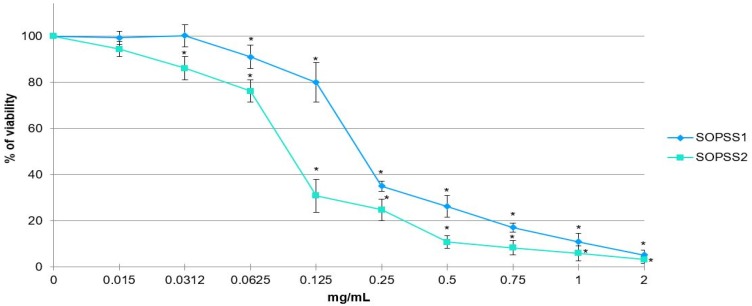
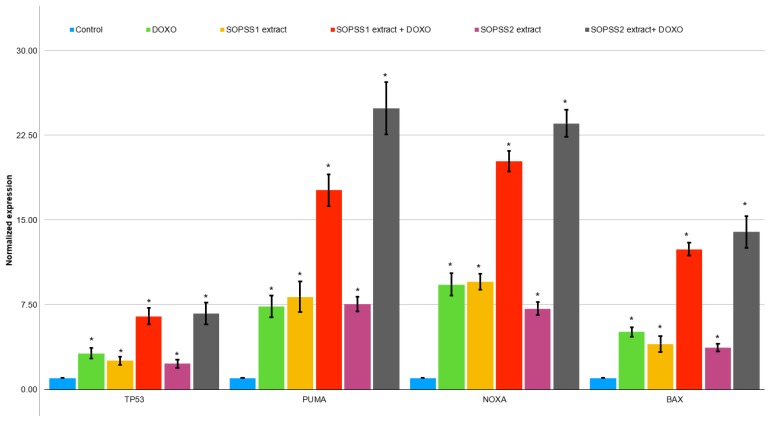
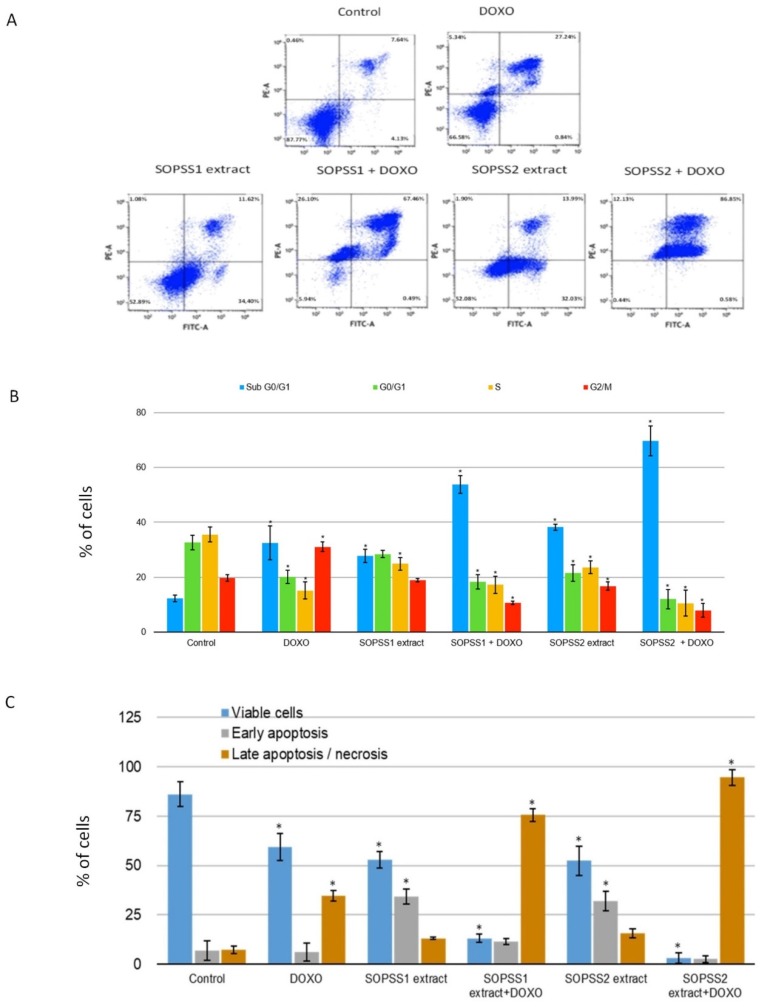
Many biologically-active plant-derived compounds have therapeutic or chemopreventive effects. The use of plant in vitro cultures in conjunction with modern genetic engineering techniques allows greater amounts of valuable secondary metabolites to be obtained without interfering with the natural environment. This work presents the first findings concerning the acquisition of transgenic hairy roots of overexpressing the gene encoding squalene synthase 1 from () (SOPSS hairy loot lines) involved in terpenoid biosynthesis. Our results confirm that one of PgSS1-overexpressing hairy root line extracts (SOPSS2) possess a high cytotoxic effect against a human acute lymphoblastic leukemia (NALM6) cell line. Further analysis of the cell cycle, the expression of apoptosis-related genes () and the observed decrease in mitochondrial membrane potential also confirmed that the SOPSS2 hairy root extract displays the highest effects; similar results were also obtained for this extract combined with doxorubicin. The high cytotoxic activity, observed both alone or in combination with doxorubicin, may be due to the higher content of betulinic acid as determined by HPLC analysis. Our results suggest synergistic effects of tested extract (betulinic acid in greater amount) with doxorubicin which may be used in the future to develop new effective strategies of cancer chemosensitization.
许多具有生物活性的植物衍生化合物具有治疗或化学预防作用。结合现代遗传工程技术使用植物体外培养,可以在不干扰自然环境的情况下获得更多有价值的次生代谢产物。本工作首次报道了从()(SOPSS 发根线)过量表达角鲨烯合酶 1 基因的发根中获得转化毛状根的结果,该基因参与萜类生物合成。我们的结果证实,一种 PgSS1 过表达毛状根系提取物(SOPSS2)对人急性淋巴细胞白血病(NALM6)细胞系具有高细胞毒性作用。对细胞周期、凋亡相关基因()的表达和观察到的线粒体膜电位下降的进一步分析也证实,SOPSS2 毛状根提取物显示出最高的效果;对于与阿霉素联合使用的这种提取物也得到了类似的结果。单独使用或与阿霉素联合使用时观察到的高细胞毒性活性可能是由于高效液相色谱分析确定的桦木酸含量较高所致。我们的结果表明,测试提取物(桦木酸含量较高)与阿霉素具有协同作用,这可能有助于未来开发新的有效的癌症化学增敏策略。