Department of Haematology, University of Cambridge, Cambridge, UK.
Wellcome-Medical Research Council Cambridge Stem Cell Institute, University of Cambridge, Cambridge, UK.
Nat Cell Biol. 2020 Apr;22(4):487-497. doi: 10.1038/s41556-020-0489-9. Epub 2020 Mar 30.
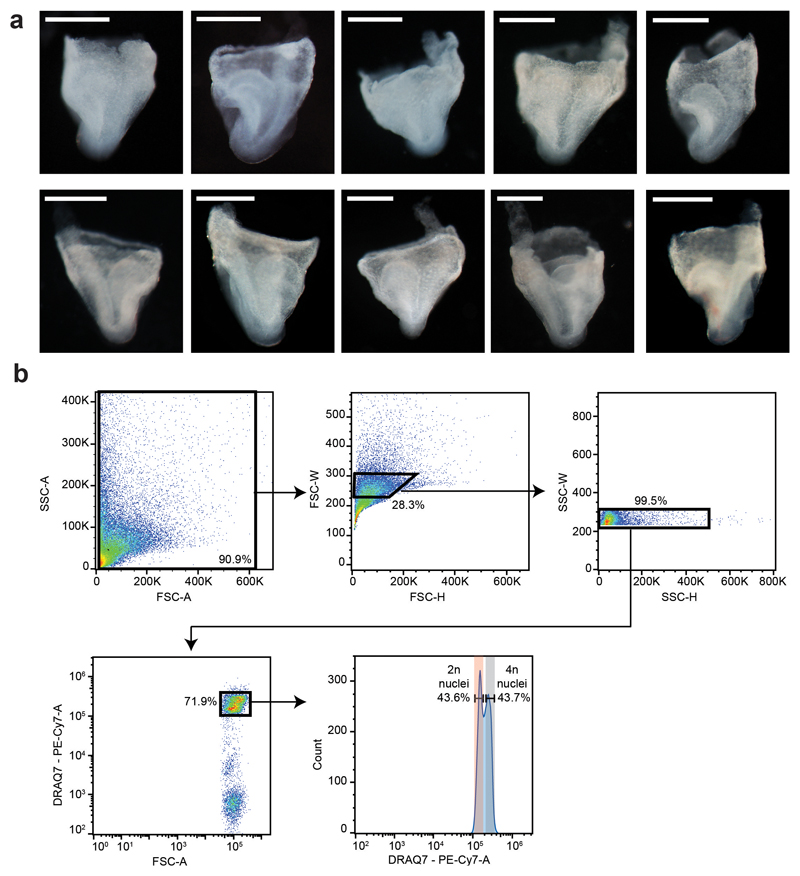
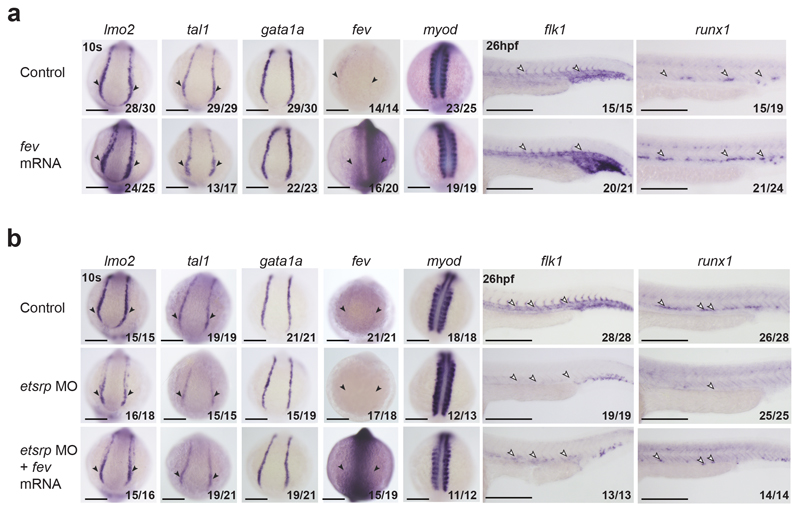
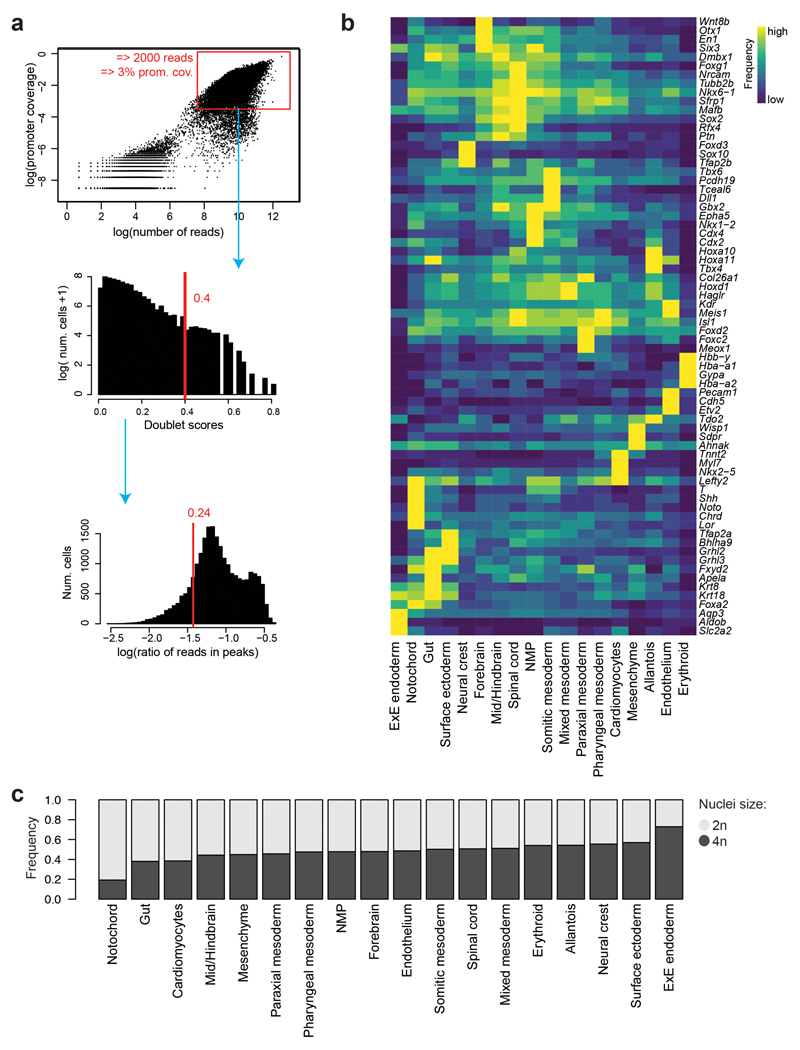
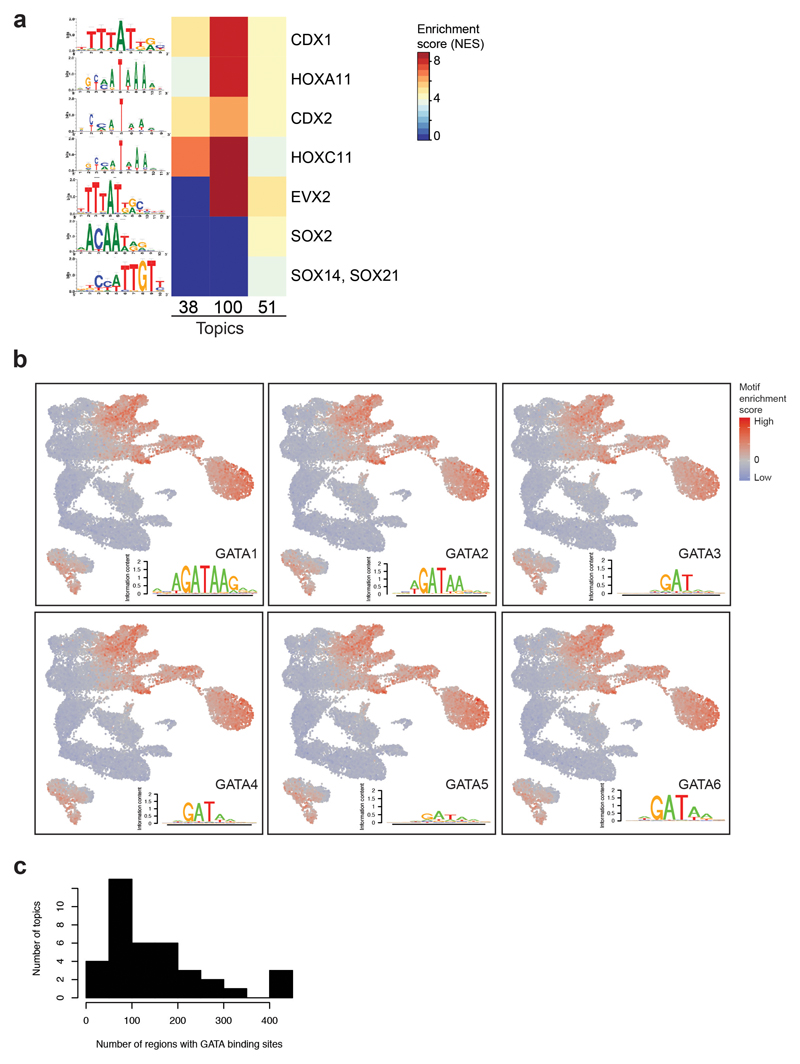
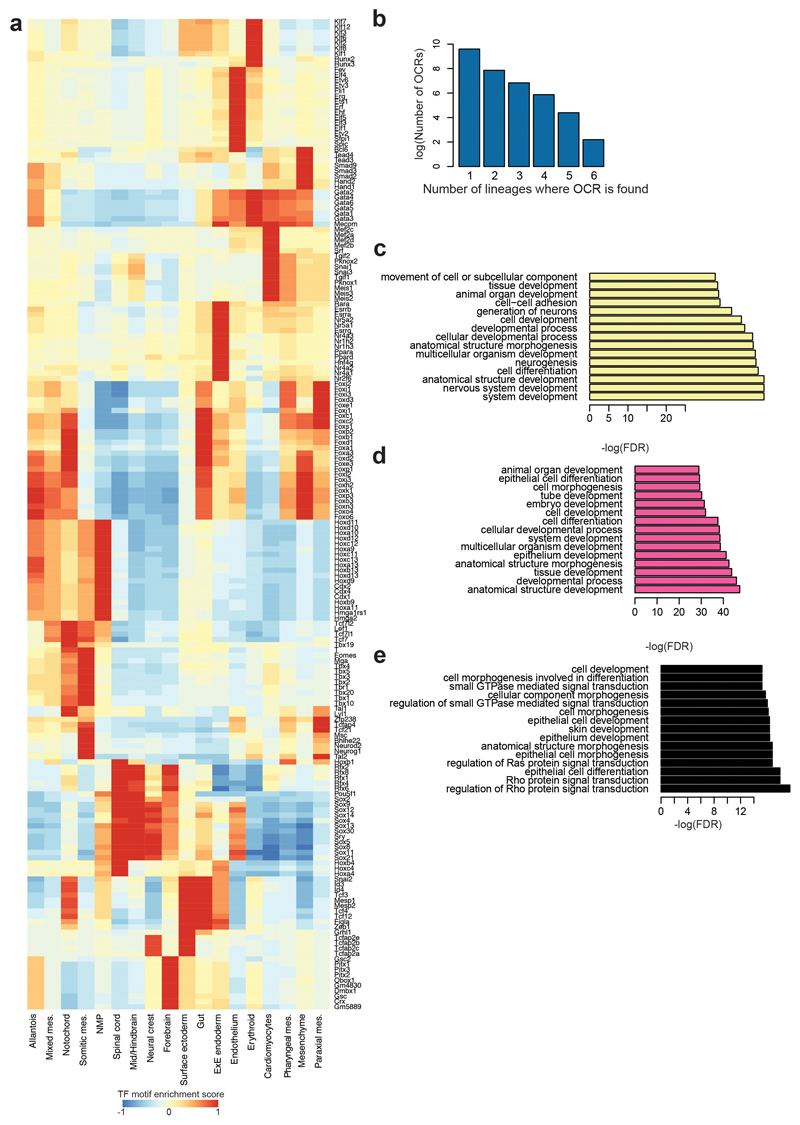
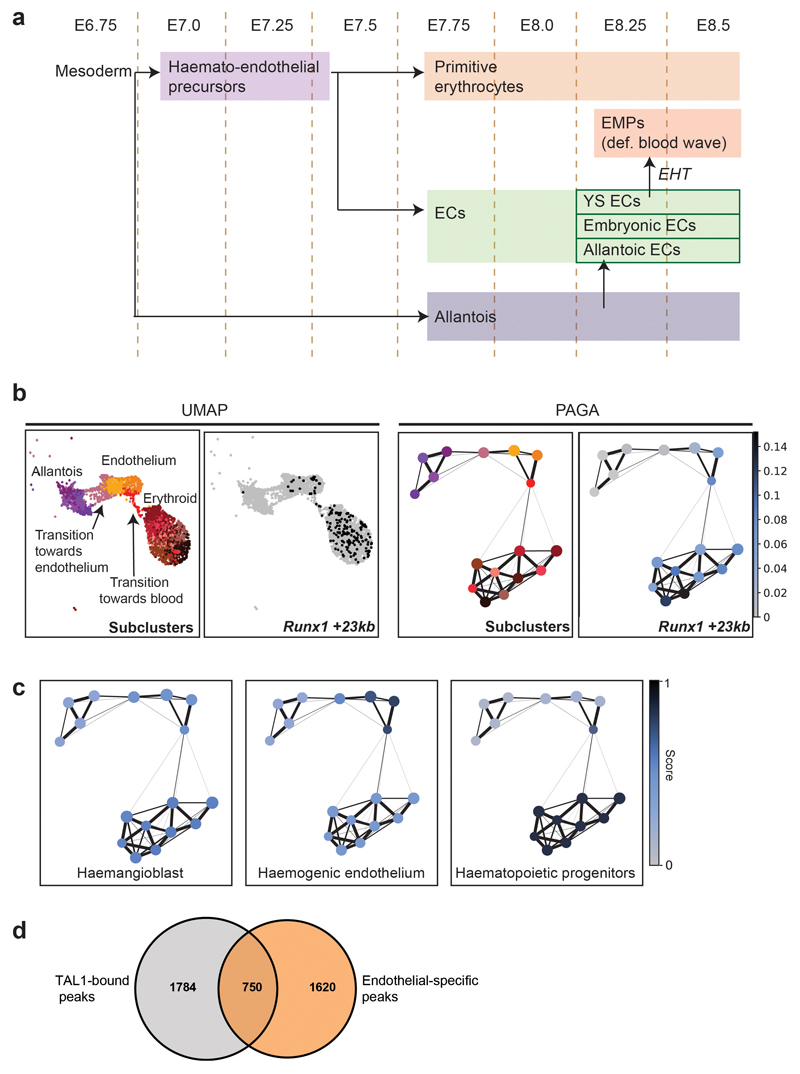
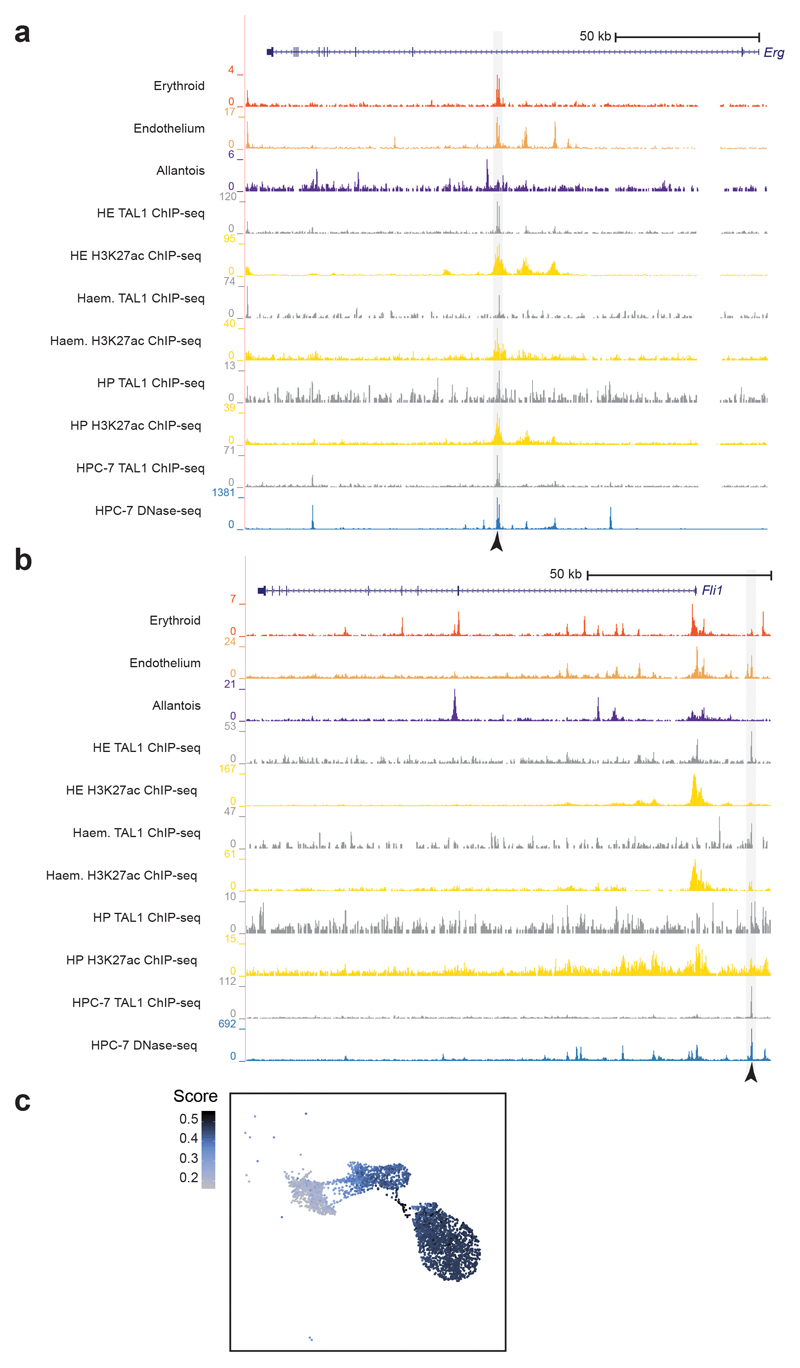
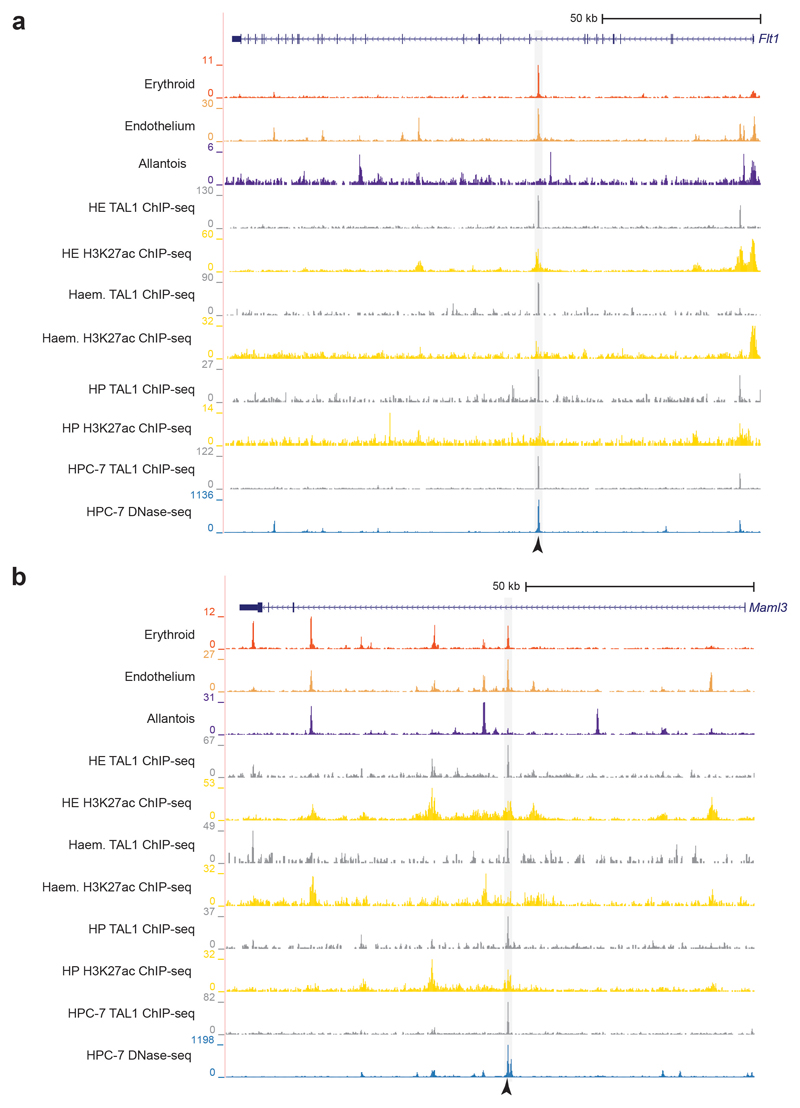
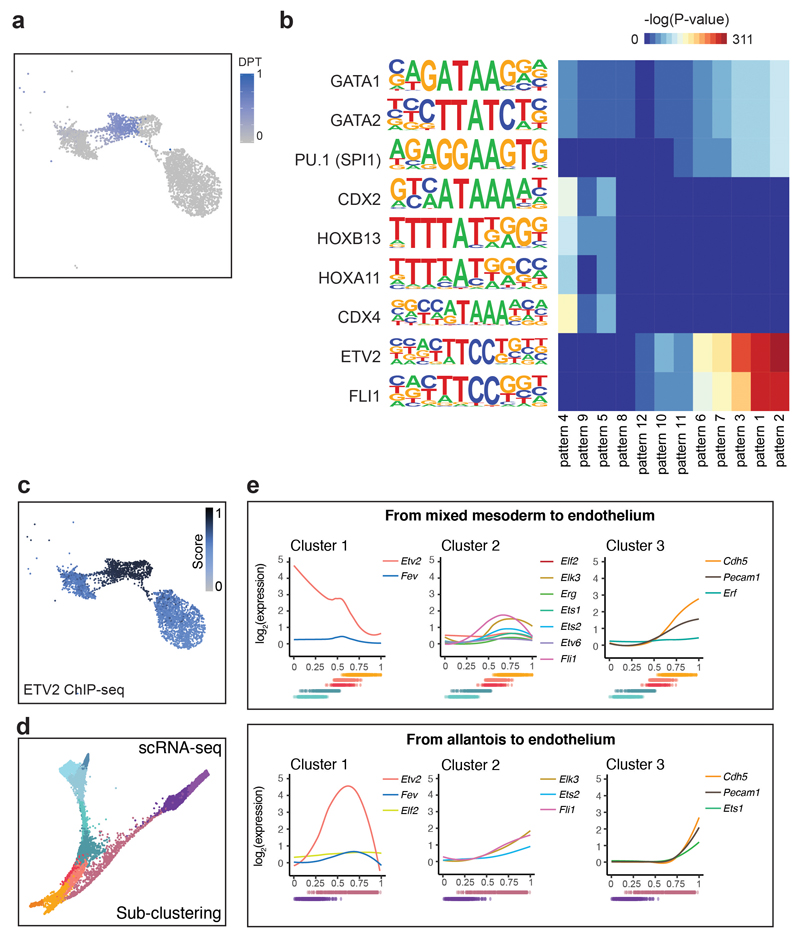
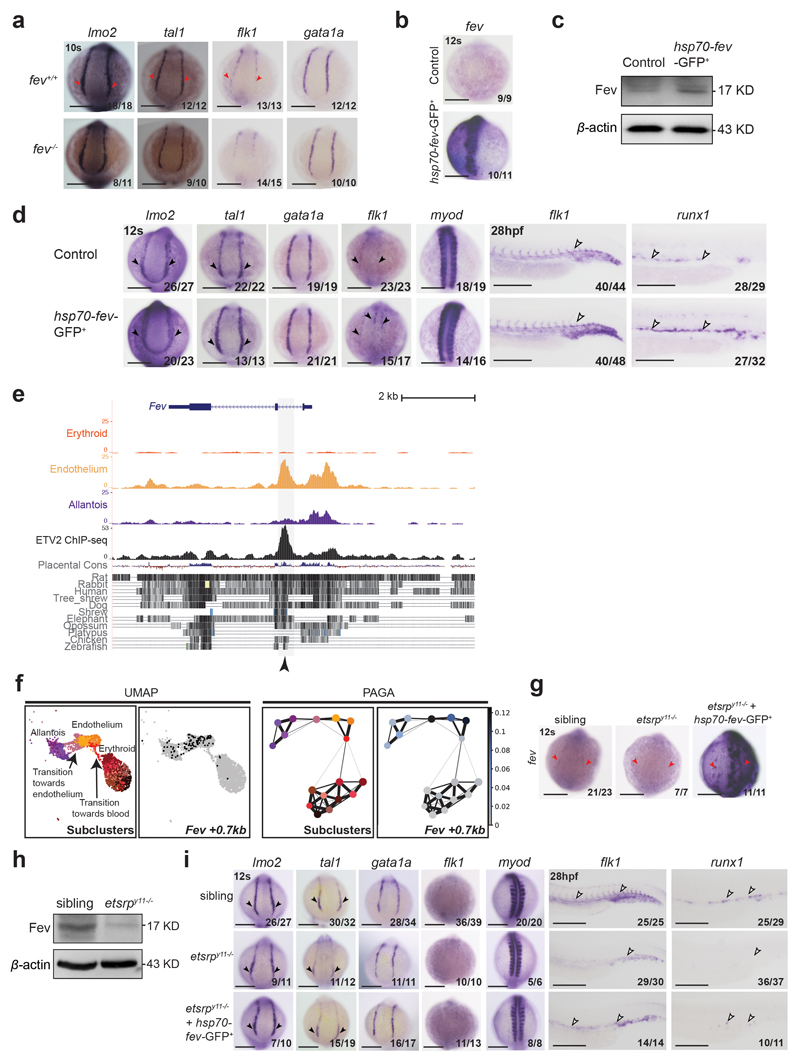
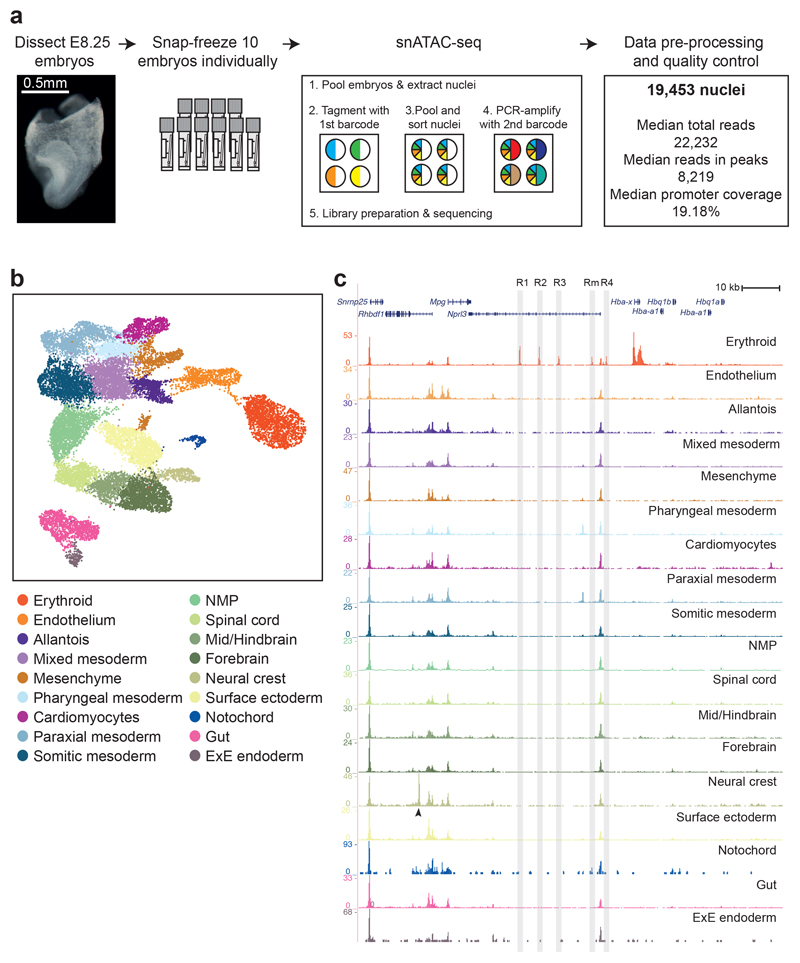
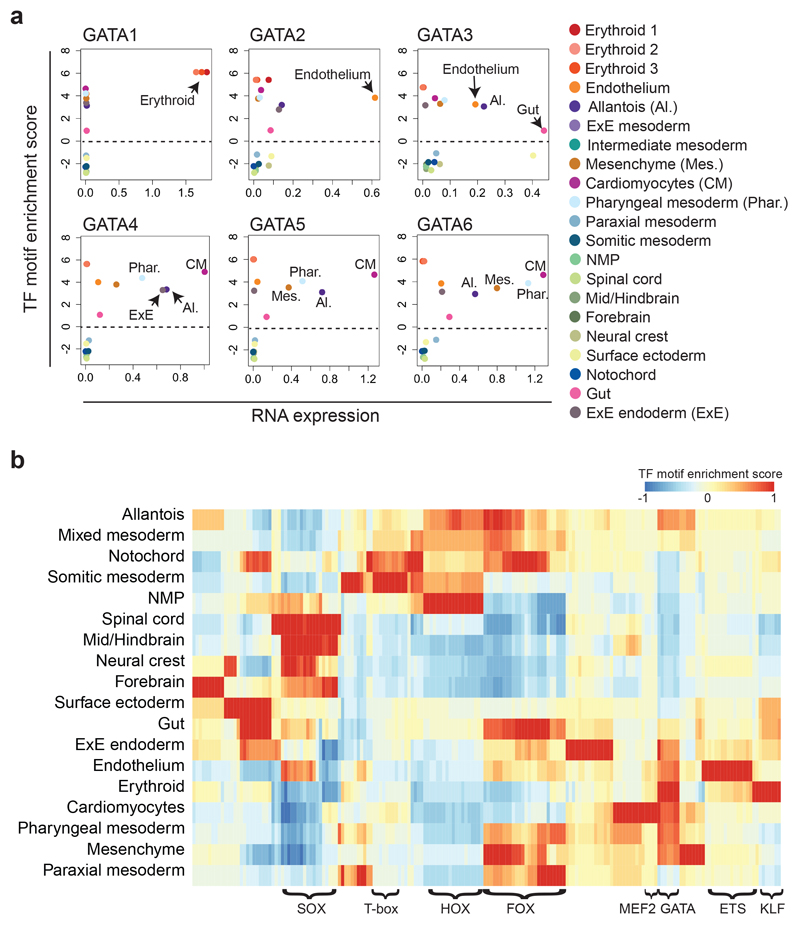
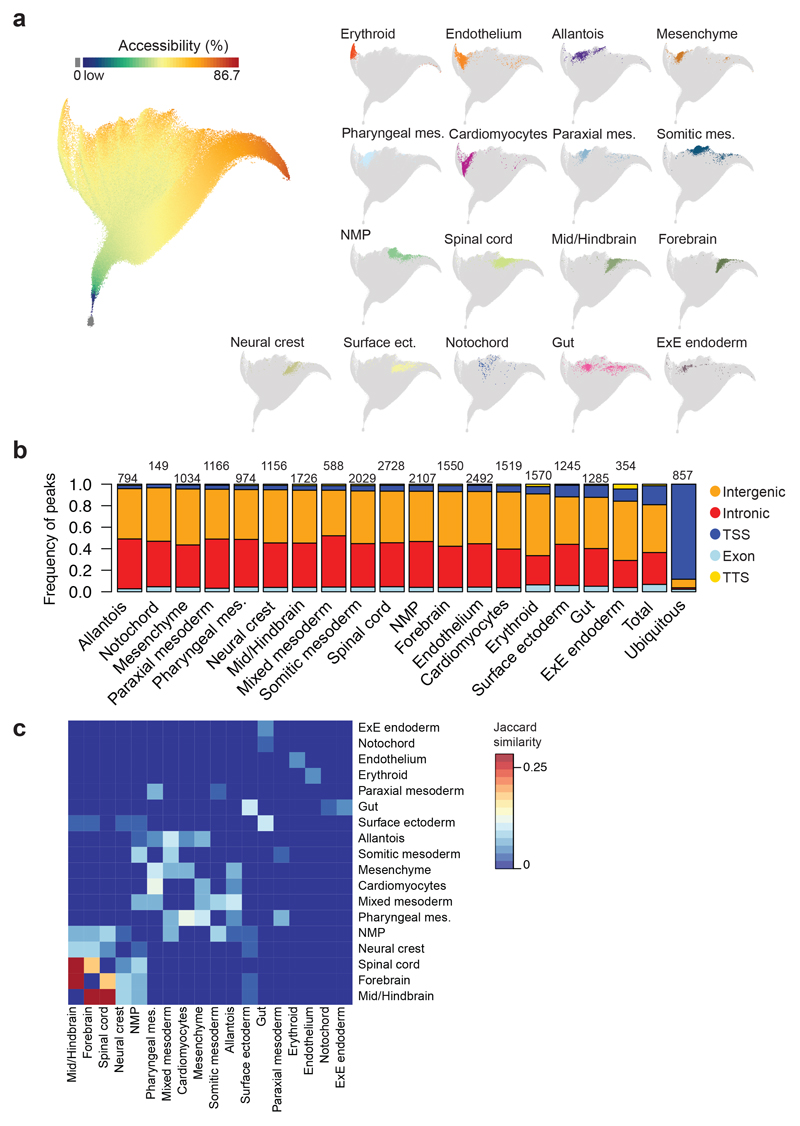
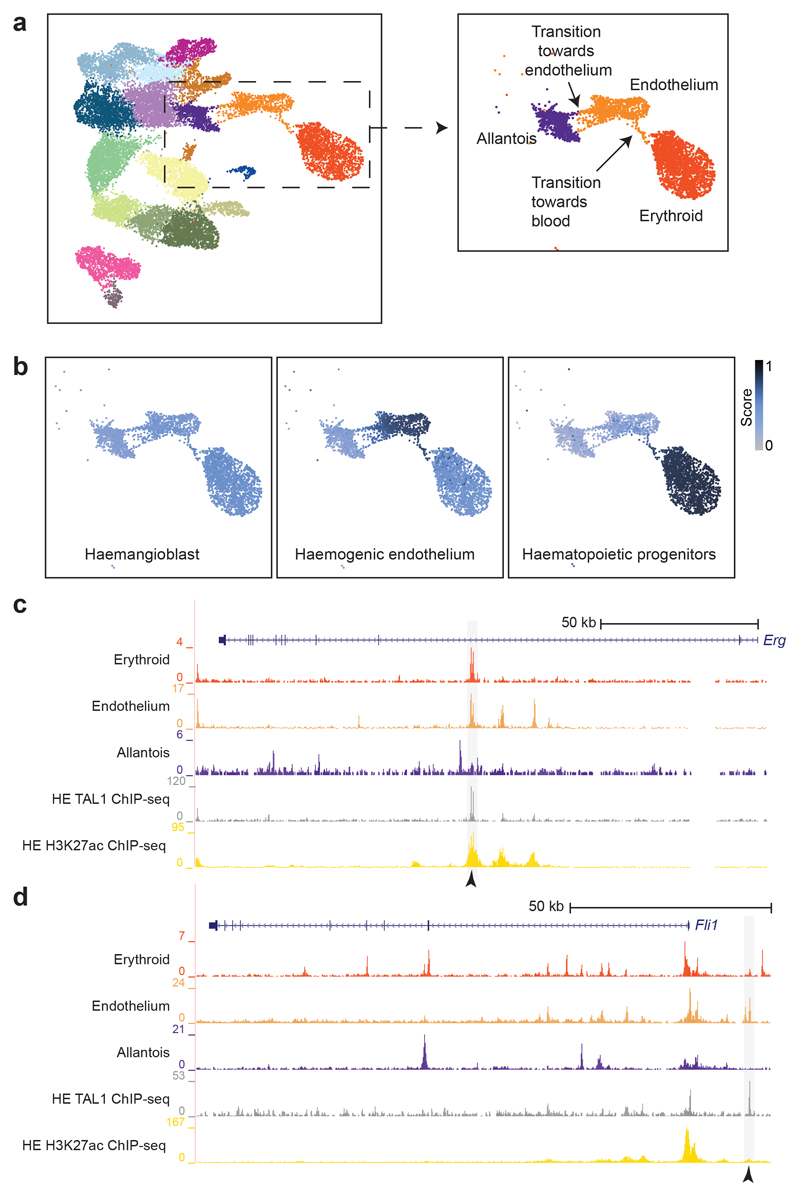
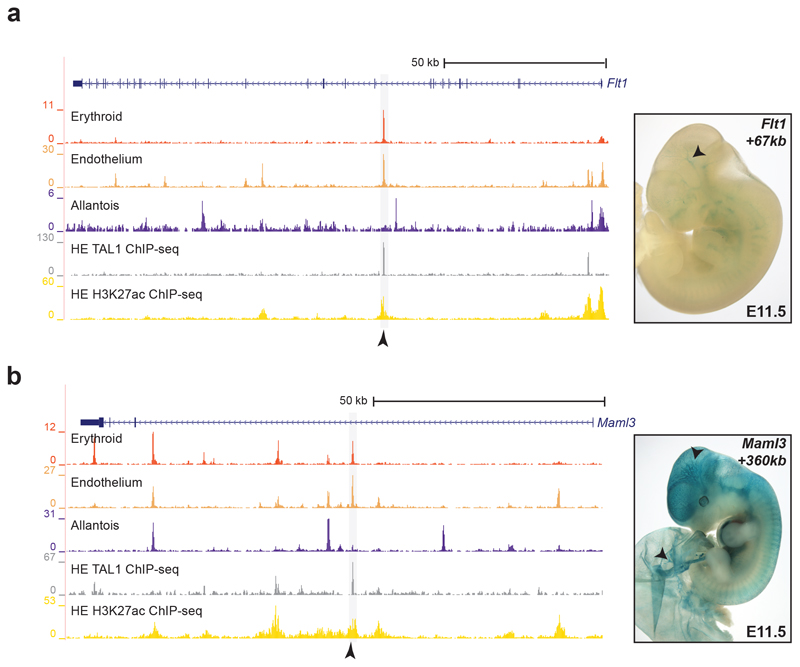
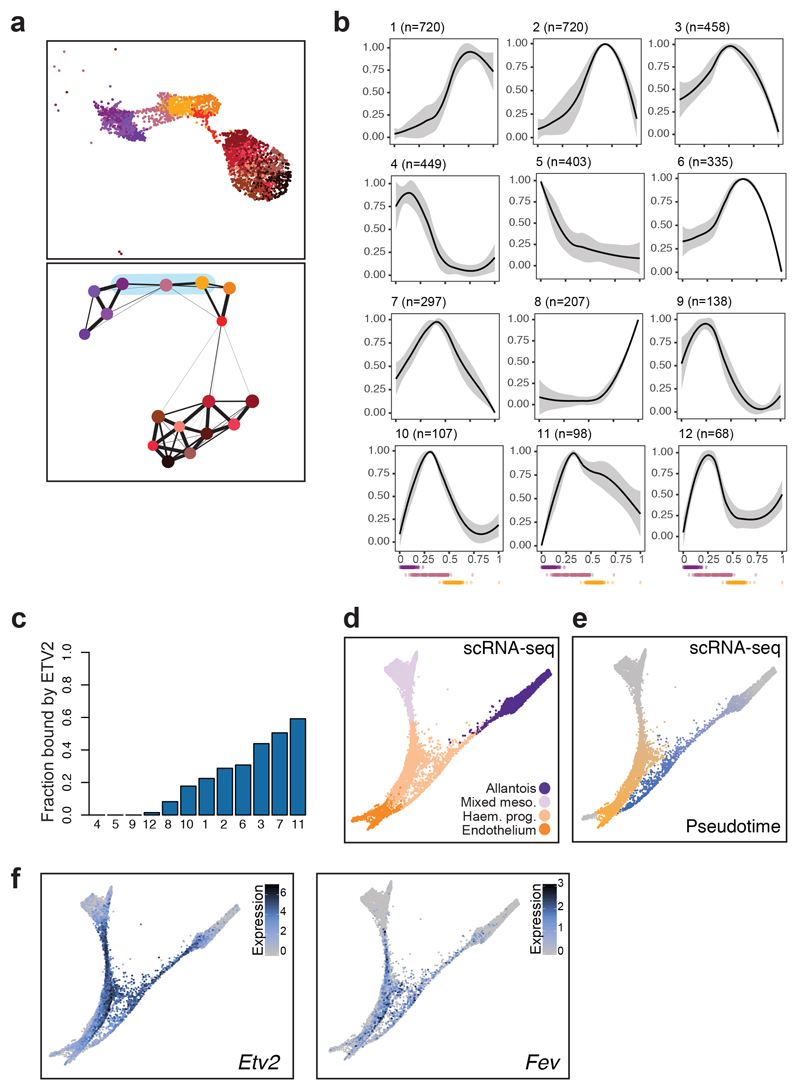
During mouse embryonic development, pluripotent cells rapidly divide and diversify, yet the regulatory programs that define the cell repertoire for each organ remain ill-defined. To delineate comprehensive chromatin landscapes during early organogenesis, we mapped chromatin accessibility in 19,453 single nuclei from mouse embryos at 8.25 days post-fertilization. Identification of cell-type-specific regions of open chromatin pinpointed two TAL1-bound endothelial enhancers, which we validated using transgenic mouse assays. Integrated gene expression and transcription factor motif enrichment analyses highlighted cell-type-specific transcriptional regulators. Subsequent in vivo experiments in zebrafish revealed a role for the ETS factor FEV in endothelial identity downstream of ETV2 (Etsrp in zebrafish). Concerted in vivo validation experiments in mouse and zebrafish thus illustrate how single-cell open chromatin maps, representative of a mammalian embryo, provide access to the regulatory blueprint for mammalian organogenesis.
在小鼠胚胎发育过程中,多能细胞迅速分裂和多样化,然而,定义每个器官细胞库的调控程序仍未得到明确界定。为了描绘早期器官发生过程中的全面染色质景观,我们在受精后 8.25 天的小鼠胚胎的 19,453 个单个核中绘制了染色质可及性图谱。鉴定出细胞类型特异性开放染色质区域,确定了两个 TAL1 结合的内皮增强子,我们使用转基因小鼠实验进行了验证。整合基因表达和转录因子基序富集分析突出了细胞类型特异性转录调节剂。随后在斑马鱼中的体内实验表明,ETS 因子 FEV 在 ETV2(斑马鱼中的 Etsrp)下游的内皮特性中发挥作用。在小鼠和斑马鱼中的协同体内验证实验因此说明了如何使用代表哺乳动物胚胎的单细胞开放染色质图谱来获取哺乳动物器官发生的调控蓝图。